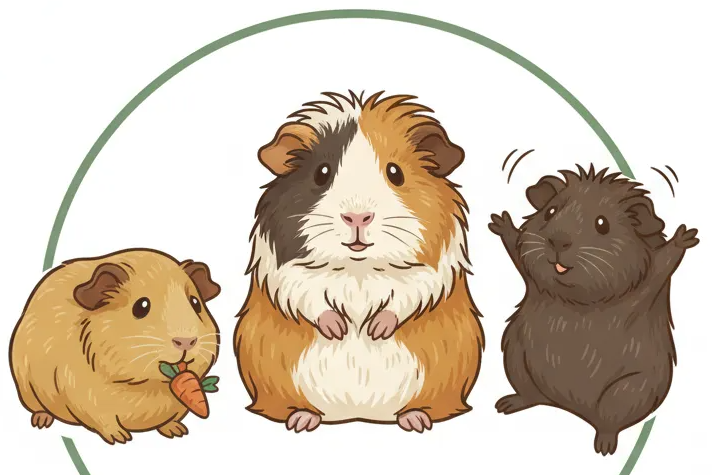
Safe Outdoor Play for Your Guinea Pig: A Smooth Transition Guide
Hello CavyFam! Dreaming of letting your guinea pig explore the great outdoors but fretting over their safety? You’re in the right place to ease those worries and make it a joyful experience.
I’ll cover essential safety steps, gradual introduction methods, weather precautions, and enrichment ideas. Having cared for my guinea pigs Pepper, Clover, and Biscuit for years, I share practical tips from my own backyard adventures to keep your pet secure and content.
Assess Your Guinea Pig’s Health and Temperament First
Schedule a Vet Visit for a Clean Bill of Health
Before any outdoor adventures, a thorough health check is non-negotiable. I always take my guinea pigs for a wellness exam to ensure they are strong enough for the new environment. Outdoor spaces expose them to different germs and potential parasites.
- Confirm ideal body weight and clear breathing
- Check eyes, nose, and ears for any discharge
- Examine teeth for proper length and alignment
- Discuss parasite prevention for mites and fleas
- Update any necessary vaccinations if recommended
If you have multiple pigs or introduce a new one, a strict quarantine period is vital. I learned this the hard way when I skipped quarantine with a new arrival and had to treat my entire herd for a respiratory issue. Keep new pets separate for at least two weeks to monitor their health closely. This is why a guinea pig quarantine guide exists—to help you introduce new pets safely. By following these steps, you can prevent outbreaks and keep your group healthy.
Observe Your Guinea Pig’s Indoor Behavior and Personality
Your guinea pig’s unique personality is your best guide for outdoor readiness. Spend a week simply watching how they react to new stimuli inside your home. A curious pig will approach new toys or explore open spaces willingly.
My guinea pig Pepper has a gentle and steady nature. He slowly sniffs new items but rarely startles. His calm demeanor tells me he would adjust well to a controlled outdoor space.
In contrast, my Peruvian guinea pig Biscuit is more reserved and intelligent. He prefers watching from a safe hideout before venturing out. For a cautious pig like Biscuit, I introduce outdoor time in very short, supervised sessions to build his confidence slowly. Watch for signs of fear like freezing in place, frantic running, or loud, constant wheeking.
Gather Essential Safety Gear and Set Up a Secure Space
Choose an Escape-Proof Enclosure with Proper Fencing
A secure outdoor pen is your first line of defense. I use a sturdy metal playpen with vertical bars no more than one inch apart to prevent squeezing through. Flimsy materials can be chewed or knocked over by a determined pig.
- Select solid walls or closely spaced bars
- Ensure the enclosure has a secured, covered top
- Check for a door with a reliable locking mechanism
- Anchor the pen to the ground if it is lightweight
- Choose a height that prevents jumping-at least 12 inches tall
Never leave them unsupervised, even in the best enclosure. Predators like birds or curious cats can cause immense stress, and a covered top is essential for complete safety.
Select Soft Substrate and Ground Cover for Comfort
Your guinea pig’s delicate feet need a soft landing. Natural, untreated grass is my top choice as it feels familiar and is gentle on their footpads. Avoid concrete, rough stone, or wooden decks that can cause sore hocks.
If your grass is sparse or you are on a patio, a fleece blanket or a soft towel works perfectly. I always lay down a thick fleece liner for my pigs-it provides cushioning and is easy to wash. Just make sure they do not chew and ingest the fabric.
Hard surfaces also heat up quickly in the sun, risking burned feet. Test the ground with your hand – if it is too warm for you, it is definitely too hot for your guinea pig. They can overheat quickly in warm sun, so keep them in shade and offer a cool, well-ventilated area. Avoid hot surfaces whenever possible.
Prepare for Weather with Shelter and Shade Options
Guinea pigs are very sensitive to temperature extremes. You must provide constant shade, as direct sun can cause heatstroke in mere minutes. I use a lightweight, portable hideout placed in the shadiest part of the pen. For hot weather, follow these summer care tips to keep them cool and comfortable. Ensure good ventilation and keep fresh water available at all times.
- In summer, use a breathable cloth draped over part of the pen
- Provide a small wooden or plastic hut for them to retreat into
- Always have fresh, cool water available in a tip-proof bowl
- In cooler weather, bring a snuggle sack or extra hay for warmth
Weather can change quickly, so stay alert. I never leave my pigs outside if the forecast is uncertain or if temperatures are below 60°F or above 75°F. Their comfort and safety always come first.
Follow a Step-by-Step Acclimation Process
Step 1: Start with Short, Supervised Sessions
Begin by taking your guinea pig outside for just 5 to 10 minutes at a time. Short outings help them get used to new sights and sounds without feeling overwhelmed. I started this way with Biscuit, who was reserved at first, and saw her slowly open up. Keep sessions brief and always stay close to reassure them. Watch for signs of stress, like hiding or freezing, and end the session if needed. Later, you can use what you learn from these outings to play and interact with them during indoor floor time.
Step 2: Use Harness Training for Controlled Exploration
Introducing a harness lets your piggy explore safely without wandering off. Take it slow by letting them sniff the harness indoors before trying it on. With Clover, who’s thoughtful but cautious, I spent days just draping it over her back during lap time. Once she was comfortable, I fastened it loosely for a few minutes indoors. Gradually increase wear time before heading outside, and always check for a snug but not tight fit.
- Let your guinea pig investigate the harness in a familiar space.
- Practice putting it on for short indoor sessions, rewarding with a favorite veggie.
- Move to supervised outdoor walks once they seem relaxed in the harness.
Step 3: Increase Playtime Duration as Comfort Grows
As your guinea pig shows curiosity and relaxed behavior, like sniffing around or gentle wheeking, extend sessions by a few minutes each day. I noticed Pepper’s steady personality made her ready for longer play after just a week of short outings. Monitor their energy levels and avoid pushing too fast. If they start to seem tired or anxious, scale back to shorter times.
Monitor Weather and Environmental Conditions Closely
Check Temperature and Humidity Before Each Outing
Always verify the weather to keep your guinea pig safe and comfortable. Ideal temperatures range from 65°F to 75°F, as extremes can cause heatstroke or hypothermia. For guinea pigs, this is the ideal range to stay healthy and comfortable. On hot days, I skip outings if it’s above 80°F, and in cold weather, anything below 60°F is too risky. Use a simple thermometer to check, and remember that high humidity can make it feel much hotter.
Ensure Hydration and Sun Protection Are Always Available
Provide fresh water and shaded spots to prevent dehydration and overheating. I always set up a small bowl of cool water and a hideout in the shade, just like Clover seeks out on sunny afternoons. You can use a portable water bottle or a shallow dish, and create shade with a small umbrella or natural cover. Check the water frequently to ensure it’s clean and accessible.
- Place water sources in easy-to-reach, stable locations.
- Use lightweight cloth or cardboard to make quick shade barriers.
- Rotate play areas to avoid direct sun exposure for too long.
Implement Predator and Parasite Prevention Measures
Protect your guinea pig from threats like birds, cats, or insects by using elevated enclosures and regular inspections. Elevated pens with solid bottoms can deter predators and reduce parasite contact. I check the play area for ants, fleas, or sharp objects before each session. Keep the grass trimmed and avoid areas with standing water to minimize risks. A quick visual sweep helps spot potential dangers early. This topic is covered in a quick protection guide on whether guinea pigs attract pests or predators. It explains common attractants and practical steps to minimize risk.
Incorporate Enrichment and Establish a Routine
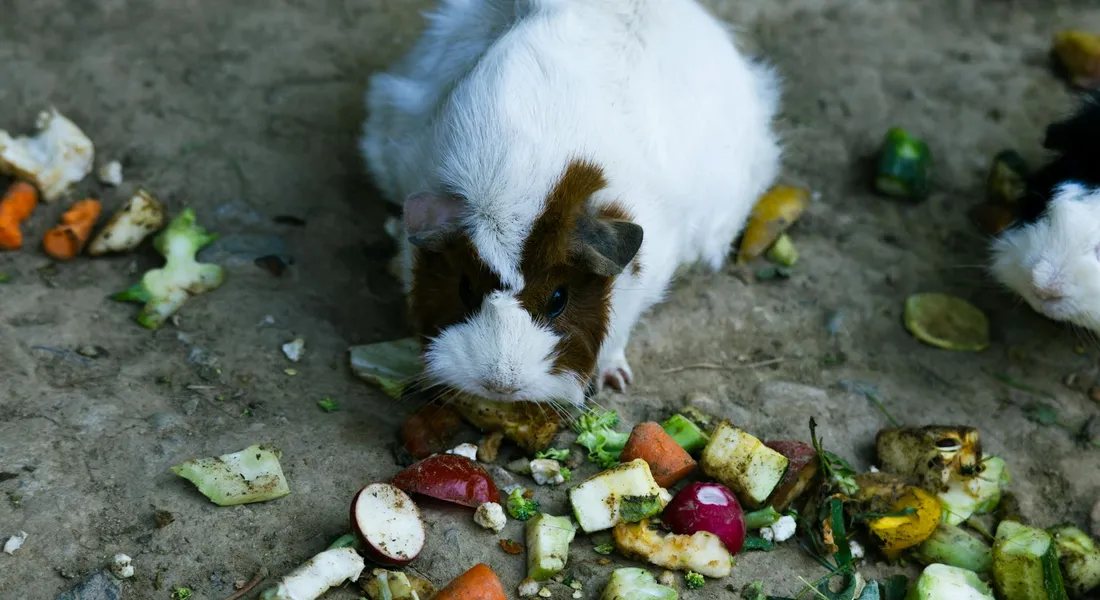
Add Fun Elements like Tunnels and Hideaways
Guidance: Suggest DIY enrichment ideas that encourage natural behaviors, such as foraging toys or simple mazes.
Spicing up outdoor play with DIY toys makes a world of difference for your guinea pig’s happiness. I often use cardboard tubes from paper towels to create quick tunnels that my piggies, like Pepper, love to dart through. It mimics their natural burrowing instincts and keeps them active.
Try these simple ideas using household items to encourage foraging and exploration:
- Stuff a small paper bag with hay and hide a few veggie treats inside for a fun foraging challenge.
- Arrange empty cereal boxes with holes cut out to form a mini-maze-Clover enjoys navigating these during her play sessions.
- Place a shallow dish with scattered herbs or pellets to simulate grazing, which taps into their wild behaviors.
These activities not only entertain but also reduce boredom and stress. Watching Biscuit curiously sniff out hidden snacks reminds me how enrichment boosts their mental sharpness.
Create a Consistent Outdoor Play Schedule
Guidance: Explain how routine helps reduce anxiety, drawing from your own piggies’ love for predictable fun times.
Setting a regular play schedule can ease your guinea pig’s nerves and build trust. My trio, especially Pepper, perks up around the same time each day because they know outdoor adventures are coming. Consistency makes them feel secure and eager to explore.
Stick to a simple routine to keep things stress-free:
- Choose a fixed time, like mid-morning when temperatures are mild, for daily play.
- Keep sessions short at first-10 to 15 minutes-then gradually extend as they adapt.
- Use a gentle cue, such as a specific sound or treat, to signal playtime start and end.
Routine minimizes surprises that can scare sensitive piggies. I’ve noticed Clover’s graceful movements become more relaxed when she anticipates her daily outdoor romp.
Address Common Challenges and Safety Oversights
Watch for Signs of Stress or Illness During Play
Guidance: List symptoms like hiding or lethargy, and advise when to head back indoors immediately.
Spotting early signs of distress ensures your guinea pig stays healthy and happy outdoors. If you see any unusual behavior, it’s best to cut play short and bring them inside right away. Quick action prevents minor issues from escalating. To tell if your guinea pig is stressed or anxious, learn simple signs like changes in posture, vocalization, or activity. Being aware helps you respond quickly.
Watch for these red flags that signal stress or illness:
- Hiding constantly or refusing to move, which Biscuit did once when overwhelmed by loud noises.
- Lethargy or heavy breathing-this could mean they’re too hot or scared.
- Loss of appetite or unusual vocalizations like excessive squealing.
Trust your instincts if something feels off. I always end playtime early if Pepper seems less energetic than usual, as it often means he needs a quiet rest.
Reinforce Escape-Proofing and Supervision Tips
Guidance: Recap key safety reminders, such as never leaving piggies unattended and double-checking enclosure locks.
Keeping your guinea pig safe outdoors requires constant vigilance and a secure setup. Never leave them alone, even for a minute, because curious piggies can squeeze through tiny gaps or attract predators. A moment’s distraction could lead to a scary escape. A guinea pig cage safety guide can help—it’s all about preventing climbs and escapes by securing lids, gaps, and ramps. A well-designed cage and attentive supervision work together to keep piggies safe indoors and out.
Follow these essential tips to reinforce safety:
- Inspect the playpen for loose wires or weak spots before each use-I do this with Clover’s enclosure to avoid mishaps.
- Stay within arm’s reach to intervene quickly if they try to chew on unsafe plants or dig near edges.
- Use sturdy, lockable lids or gates and test them twice to ensure they’re escape-proof.
Supervision is non-negotiable for their well-being. My habit of double-checking locks has saved Biscuit from potential dangers more than once.
FAQs
How do I winterize an outdoor guinea pig cage?
Insulate the cage with weatherproof materials and add extra hay for warmth. Avoid placing it in windy areas and check regularly for moisture buildup.
What should I include in an outdoor guinea pig run?
Ensure the run has a secure lid and soft ground cover like grass. Include hideouts and enrichment toys to encourage natural behaviors.
Are there specific tips for outdoor guinea pig care in Vancouver?
Vancouver’s rainy climate requires waterproof shelters and frequent checks for dampness. Keep play sessions short during wet weather to prevent chill.
What are essential elements for a DIY outdoor guinea pig cage?
Use sturdy, non-toxic materials and ensure proper ventilation. Include a solid floor and escape-proof design to keep your pet safe.
How can I create a safe outdoor haven for my guinea pig?
Choose a quiet, shaded spot and use a predator-proof enclosure. Provide constant access to water and enrichment to reduce stress.
Your Guinea Pig’s Outdoor Playtime Success
Start with short, supervised sessions in a secure, predator-proof enclosure to let your guinea pig acclimate gradually. Always check for hazards like toxic plants and extreme weather before each outdoor adventure to keep your pet safe and stress-free. Making sure your guinea pig feels safe and acclimated is the first step.
Responsible pet ownership means continuously learning about eco-friendly practices, such as using natural bedding and reducing plastic waste in their care. From my time with Pepper, Clover, and Biscuit, I’ve seen how small, sustainable choices enrich their lives and protect our planet for all animals.
Further Reading & Sources
- The Ultimate Guide to Taking Your Guinea Pigs Outside
- Guinea Pig Playtime and Exercise | Cages For Guinea Pigs – Guinea Pig Cage Company
- Large Outdoor Guinea Pig Run | Omlet
- Guinea Pig Environmental Enrichment | Avian & Exotic Animal Hospital of Louisiana
Kate is a passionate guinea pig owner and advocate for small pet welfare. With over a decade of experience caring for guinea pigs, she has become a trusted voice in the small pet community.
Uncategorized