What is the Best Cage Setup for a New Guinea Pig? (Beginner’s Guide)
Published on: December 1, 2025 | Last Updated: December 1, 2025
Written By: Kate M. Callahan
Hello CavyFam, are you feeling a mix of excitement and worry about setting up your first guinea pig’s home? It’s completely normal to stress over safety, space, and making it cozy for your new pal.
In this guide, I’ll break down the key elements: ideal cage size, safe bedding choices, essential accessories, and smart placement strategies. Drawing from my years of hands-on experience with guinea pigs like Pepper, Clover, and Biscuit, I’ll share practical tips that prioritize their well-being and happiness.
Understanding Cage Size and Space Needs
I learned the hard way that a small cage creates big problems. My first guinea pig, Pepper, lived in a pet store “starter kit” cage. He was quieter and less active until I upgraded his home, which immediately sparked more popcorning and happy wheeking. Ample space isn’t a luxury; it’s essential for their mental and physical well-being.
Guinea pigs are natural roamers. In the wild, they cover vast distances grazing. A cramped cage forces them into a sedentary life, leading to boredom, weight gain, and even depression. Providing generous floor space allows for natural behaviors like running, exploring, and establishing separate areas for eating, sleeping, and eliminating. This directly reduces stress and squabbles between cage mates. Placement matters too: there are eight common cage placement mistakes that can undermine guinea pig health and happiness, such as drafts, direct sun, or noisy, high-traffic spots. Addressing both space and placement helps ensure your guinea pig’s overall wellbeing.
Forget tall, narrow cages. Guinea pigs need horizontal space to thrive. Here are the minimum floor space requirements I follow based on years of experience and reputable welfare guidelines. This is part of a complete space requirements guide for guinea pigs. It covers exact cage sizes and practical setup tips.
| Number of Guinea Pigs | Minimum Floor Space |
|---|---|
| 1 Guinea Pig | 8 square feet |
| 2 Guinea Pigs | 10.5 square feet |
| 3 Guinea Pigs | 13 square feet |
To measure floor space, simply multiply the cage’s length by its width. A cage that is 2 feet by 4 feet gives you 8 square feet. Always aim for the largest cage your space and budget can accommodate; your piggies will use every extra inch. Ensure there’s a long, uninterrupted stretch for them to get up to full speed during their zoomies and playtime.
Choosing the Right Cage Type and Materials
Store-Bought Cage Options
The pet store aisle can be overwhelming. I’ve tested most of these options with my trio-Pepper, Clover, and Biscuit. Each type has its own strengths and weaknesses.
- Plastic-Bottom with Wire Top Cages: These are common and often marketed as “starter” homes.
- Pros: Typically affordable and easy to find. The plastic base contains bedding mess.
- Cons: The provided space is almost always too small. The wire tops can be flimsy, and the plastic can retain odors over time if not thoroughly cleaned.
- Modular or Habitat Systems: These are plastic panel systems you can configure in different shapes.
- Pros: Fun to build and customize. You can create a larger, more interesting footprint.
- Cons: The plastic connectors can break. The panels themselves can be chewed by determined pigs, so you must monitor for damage.
When evaluating any cage, prioritize good ventilation to prevent ammonia buildup from urine. Look for smooth, non-porous surfaces that are simple to wipe down. I always do a “sniff test” on new plastic cages; a strong chemical smell means you should air it out for a few days before use. Your guinea pigs’ safety depends on non-toxic materials.
DIY Cage Ideas for Budget-Friendly Setups
My favorite and most cost-effective solution is the C&C (Cubes and Coroplast) cage. It’s what all my pigs live in now, and building it was surprisingly simple. This setup makes it easy to prepare your home for guinea pigs throughout their entire lifespan, with room to tailor care as they age.
- Gather Your Materials. You will need:
- Grid cubes (typically 14-inch panels, often sold as storage organizers). Ensure the grid spaces are no more than 1.5 inches to prevent escapes or head injuries.
- A 4’x8′ sheet of Coroplast (corrugated plastic). Sign shops often sell this cheaply as scrap.
- Cable ties for extra stability.
- A box cutter and a measuring tape.
- Assemble the Grid Walls. Connect the grid panels to form the shape and size you want. A 2×3 grid formation is a great start for two pigs. Use cable ties at key joints to make the structure rock-solid.
- Construct the Coroplast Base. Measure and mark the inner dimensions of your grid walls on the Coroplast sheet. Score the lines with your box cutter, being careful not to cut all the way through. Fold the sides up to create a tray and secure the corners with packing tape.
- Assemble and Add Bedding. Place the Coroplast tray inside the grid walls. Add a layer of absorbent bedding like fleece or paper, and you’re done!
I customized my C&C cage by adding a small, secured loft area with a ramp. Clover, my graceful Abyssinian, loves perching up high to survey her domain, while Biscuit prefers the cozy privacy of the ground floor. Just ensure any ramp has sides for safety and a gentle slope. DIY cages offer incredible flexibility to create a perfect, spacious home without breaking the bank.
Essential Accessories for a Cozy Habitat
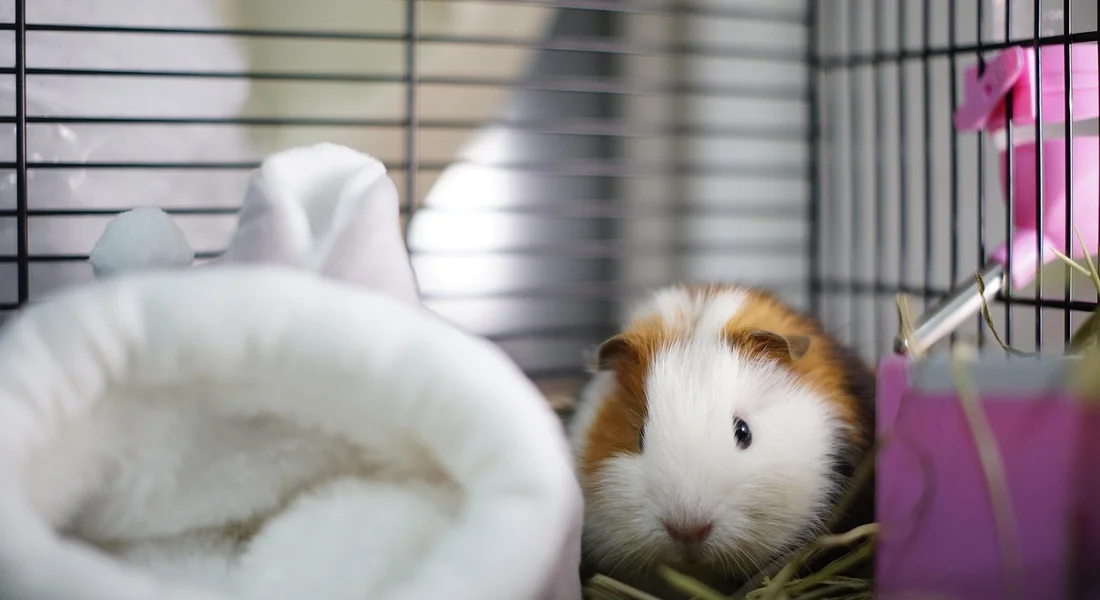
Creating a comfortable home goes beyond just the cage itself. You need to fill it with items that make your guinea pig feel secure and entertained. I learned this firsthand when I first brought home my shy Peruvian, Biscuit; without the right setup, he spent most of his time hiding in a corner. That’s exactly the kind of enrichment you’ll find in the ultimate guide to guinea pig foraging toys and activities. It walks you through safe, simple foraging toys and activities to keep him curious and active.
- Hiding Houses: Every guinea pig needs a private retreat. I use at least two hideouts per pig, placing them in opposite corners of the cage. My trio, Pepper, Clover, and Biscuit, each have their favorite spot to nap or escape the occasional squabble.
- Chew Toys: Their teeth never stop growing! I provide a mix of untreated wood blocks, hay-filled chew balls, and woven grass mats. Rotating different textures keeps them interested and prevents boredom.
- Food Bowls: Choose heavy, ceramic bowls that are hard to tip over. I place these away from high-traffic areas to keep food clean and reduce the chance of it being soiled.
- Water Bottles: A glass water bottle with a stainless-steel sipper tube is my top choice. Hang it at a height where your guinea pig can drink comfortably without straining their neck. I check it daily for clogs and leaks.
When selecting these items, safety is paramount. Always choose materials labeled as non-toxic and avoid anything with sharp edges or small, detachable parts. I steer clear of plastics that can be chewed and ingested, opting for natural wood, ceramic, and food-grade stainless steel whenever possible.
Bedding and Substrate Choices
The foundation of your cage plays a huge role in your pet’s health and your own ease of maintenance. In this ultimate guide to safe bedding options for guinea pigs, I’ll share what works best and why. From dust levels to ease of cleaning, you’ll get practical recommendations. I’ve tested nearly every type of bedding available over the years with my three very different pigs.
Let’s compare the two most popular categories:
- Fleece Liners (Reusable):
- Pros: Extremely soft on sensitive feet, highly cost-effective over time, and reduces overall waste. My graceful Clover seems to adore the plush surface.
- Cons: Requires a washing routine. You must spot-clean droppings daily and do a full wash every few days to control ammonia from urine.
- Disposable Bedding (Paper or Aspen):
- Pros: Excellent for odor absorption, especially paper-based beddings. It’s very convenient for a quick, full-cage clean-out.
- Cons: Can be dusty (which bothered my reserved Biscuit), needs frequent complete replacement, and creates more landfill waste.
For superior odor control and comfort, I lean towards a specific combination. I now use a layer of absorbent paper bedding under a soft fleece liner for the best of both worlds. This system soaks up moisture while providing a cozy top layer.
If you prefer a fully disposable option, seek out bedding made from recycled paper. Choosing an eco-friendly, dust-extracted paper bedding is a fantastic way to prioritize your pet’s lung health and the planet. My gentle Pepper has done very well on this type.
Setting Up for Multiple Guinea Pigs
For Two Guinea Pigs
- Position food bowls and water bottles on opposite sides of the cage to give each guinea pig their own dining area. From my time with Pepper and Clover, I noticed that Clover’s graceful, thoughtful personality made her prefer a quiet corner for meals, while steady Pepper was happy to eat anywhere, so spacing things out kept peace between them.
- Add tunnels, chew toys, and multiple hideouts to encourage exploration and minimize territorial behavior. When I introduced a simple cardboard tunnel, both pigs started weaving through it during play, which cut down on any minor disputes over who controlled which sleeping spot.
For Three or More Guinea Pigs
- Expand the cage size significantly and include extra hiding spots, like small boxes or fleece tents, to let each pig find solitude. With Pepper, Clover, and Biscuit together, I added a second level with ramps and three separate hideouts-this gave reserved Biscuit his own space away from the more active pair, helping everyone feel secure.
- Watch their interactions closely for the first week, checking for signs of chasing or loud teeth chattering. I kept a daily log when Biscuit joined the group, and by feeding them in separate areas initially, I prevented any scuffles and let them bond gradually at their own pace.
Cage Maintenance and Cleaning Schedule
Keeping your guinea pig’s home clean is one of the most loving things you can do for them. A consistent routine prevents stress for you and your pets, making cage cleaning a simple habit rather than a dreaded chore. My three girls-Pepper, Clover, and Biscuit-thrive on this predictable schedule, and it keeps their environment fresh and healthy.
Your Daily Cleaning Tasks
Spending just five minutes each day makes a world of difference. I do this first thing in the morning with my coffee in hand.
- Spot-Clean Soiled Bedding: Use a small scoop or dustpan to remove obvious piles of poop and wet patches of bedding. Guinea pigs tend to pick favorite corners for their business, so you will quickly learn their preferred spots.
- Refresh Food and Water: Dump out old pellets and provide a fresh daily portion. Scrub and refill water bottles to prevent slime buildup.
- Fluff and Top-Up Hay: Remove any stale or soiled hay from their rack. I always fluff the remaining hay and add a big, fresh handful. Clover, my Abyssinian, gets especially excited when she hears the crinkle of a new hay bag.
This daily quick-clean drastically reduces odors and keeps the main weekly clean much more manageable.
The Essential Weekly Deep Clean
Once a week, set aside about 30 minutes for a thorough reset. I usually do this on Sunday afternoons.
- Relocate Your Pets: Move your guinea pigs to a secure, temporary playpen or a closed-off section of a room. I use a large pop-up pen where Pepper, Clover, and Biscuit can munch on veggies while I work.
- Empty the Entire Cage: Remove all hideys, toys, food bowls, and bedding. Shake out any loose debris from fabric liners or coroplast bases.
- Scrub and Disinfect: Wash all surfaces and accessories with a 50/50 solution of white vinegar and water. Rinse thoroughly with clean water and let everything air dry completely. Vinegar is a safe, effective cleaner that cuts through guinea pig urine.
- Replace All Bedding: Add a fresh, deep layer of your chosen bedding material. I aim for at least two inches deep to ensure good absorption.
- Reassemble and Restock: Put the clean hideys and toys back in, fill the hay rack to the brim, and place fresh food and water. Your piggies will be so happy to explore their sparkling clean home!
A weekly deep clean is non-negotiable for preventing ammonia buildup from urine, which can cause serious respiratory issues.
A Simple Calendar for Consistency
Here is the exact weekly schedule I follow for my herd. Taping a simple version of this to the side of the cage can help everyone in the family stay on track.
| Day | Task |
|---|---|
| Daily (Morning) | Spot clean, refresh food/water/hay |
| Sunday | FULL CAGE DEEP CLEAN |
| Wednesday | Quick check: Wipe down water bottle spout, tidy hay area |
Sticking to a predictable routine helps your guinea pigs feel secure and allows you to monitor their health by noticing any changes in their waste or eating habits. Proper care means providing fresh hay, clean water, and a clean, safe habitat. Gentle handling and regular health checks also support their well-being. Biscuit, my Peruvian, is usually the first to popcorn with joy after her cage is fresh and clean.
Environmental Factors for a Healthy Home
Guinea pigs need a stable environment to avoid common health problems like respiratory infections. The ideal temperature range for your guinea pig’s cage is 65 to 75 degrees Fahrenheit (18-24°C), with humidity levels staying between 40% and 60%. In cooler weather, you may need to ensure their temperature heating needs are met by keeping the room steady within that range and avoiding drafts. I learned this firsthand when my guinea pig Clover started sneezing during a humid spell; adjusting the room’s conditions with a simple dehumidifier made a huge difference in her comfort and health.
Proper cage placement ensures good ventilation without exposing your pet to harmful drafts. Always position the cage away from direct airflow sources like windows, doors, and heating or cooling vents to prevent sudden temperature changes. Here are some easy tips to get it right:
- Place the cage in a central part of the room, not against outer walls where drafts are common.
- Avoid areas with direct sunlight, which can quickly overheat the space and stress your guinea pig.
- Check for drafts by feeling the air around potential spots before setting up the cage.
You can maintain stable conditions year-round with simple, eco-friendly household solutions. Using a basic thermometer and hygrometer helps you monitor the environment daily without extra cost. For instance, during cold months, I add extra hay bedding for insulation for Pepper and Biscuit, and in summer, I use a fan on low in the room-never directly on the cage-to keep air circulating. Small changes like these support animal welfare by reducing stress and preventing illness.
## Common Questions
What are the best guinea pig cage liners?
The best cage liners are absorbent, reusable fleece liners or soft paper-based bedding. Fleece is cost-effective long-term but requires a regular washing routine to control odors.
What is the best guinea pig cage stand?
The best cage stand is sturdy, waist-high, and provides convenient storage for supplies underneath. A stand at this height makes daily interactions and cleaning much easier on your back.
What is the best indoor guinea pig cage?
The best indoor cage prioritizes ample horizontal floor space and excellent ventilation, like a well-configured C&C cage. It should be placed in a quiet, draft-free area of your home away from direct sunlight.
Where can I find the best guinea pig cage ideas on Reddit?
The best ideas on Reddit are found in communities like r/guineapigs, where owners share photos and advice for DIY and commercial setups. These forums are great for seeing real-world applications and creative space-saving solutions.
What is the best cage for three guinea pigs?
The best cage for three guinea pigs is at least 13 square feet, but larger is always better to prevent conflicts. Essential features include multiple entry hideouts and resources like food bowls placed in different areas. To build the perfect guinea pig cage, plan the layout and choose sturdy, chew-resistant materials. A well-thought-out setup makes daily care easier and helps prevent stress.
Your Guinea Pig’s Happy Home Starts Here
From my time caring for Pepper, Clover, and Biscuit, I’ve found that a roomy cage with plenty of hiding spots and soft bedding makes all the difference in their comfort. Providing a secure, enriching space helps your guinea pig thrive and builds a trusting bond with you.
Always prioritize learning about their unique behaviors and needs to ensure a joyful, long life together. Choosing eco-friendly supplies, like washable fleece liners, supports both your pet’s health and our planet’s well-being.
Further Reading & Sources
- Cage Set Up | scottysanimals
- r/guineapigs on Reddit: Need help with guinea pig enclosure
- Guinea Pig Cage Ideas: Setup & Decorations
- Guinea pig housing requirements and bedding options | Humane World for Animals
Kate is a passionate guinea pig owner and advocate for small pet welfare. With over a decade of experience caring for guinea pigs, she has become a trusted voice in the small pet community.
Uncategorized