What to Expect in Each Stage of a Guinea Pig’s Life
Published on: December 17, 2025 | Last Updated: December 17, 2025
Written By: Kate M. Callahan
Hello CavyFam! Welcoming a guinea pig into your home is exciting, but you might be wondering what the coming years will look like for your new friend. Understanding their life stages helps you provide the best care at every step of their journey.
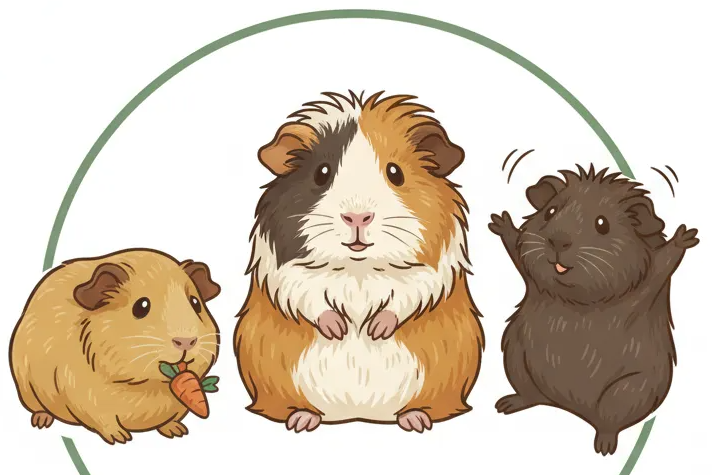
In this guide, we’ll walk through newborn development, energetic adolescence, sturdy adulthood, and gentle senior years. I’ve raised my own trio-Pepper, Clover, and Biscuit-through each of these beautiful phases, and I’m here to share that firsthand experience with you.
Welcoming a Newborn Guinea Pig: The First Few Weeks
Newborn guinea pigs, or kits, are born incredibly developed with fur, open eyes, and the ability to run within hours. This rapid growth phase sees them doubling their birth weight in the first week alone. Their primary focus is on gaining strength and transitioning from mother’s milk to solid foods.
- Provide a constant, gentle heat source like a microwavable snuggle disk wrapped in a fleece cover to maintain their body temperature.
- Ensure unlimited access to their mother’s milk and introduce high-quality alfalfa hay and a finely chopped, moistened young guinea pig pellet within the first few days.
- Keep the nesting area pristine with daily spot cleaning to prevent bacterial growth that can harm their underdeveloped immune systems.
From my time with Pepper, Clover, and Biscuit as babies, I learned their personalities emerge quickly. Key health milestones include steady weight gain, bright and clear eyes, and consistent, well-formed droppings. Gentle, brief handling sessions can begin once they are a few days old, allowing them to associate your scent with safety and comfort.
Caring for Your Juvenile Guinea Pig: Building a Foundation
This stage is like a furry toddler phase, filled with bursts of energy and rapid growth. Juvenile guinea pigs experience significant growth spurts and require a diet rich in protein and calcium to support their developing bones and muscles. I always fed my trio unlimited alfalfa hay and pellets specifically formulated for young guinea pigs during this time.
- Their enclosure should be spacious enough for “popcorning”-those joyful, spontaneous jumps that signal happiness.
- Include safe hideouts, tunnels, and low platforms to encourage natural climbing and exploration behaviors.
- Provide a variety of chew toys made from untreated wood or hay to help manage their constantly growing teeth.
Establishing a relationship with a vet experienced with small animals is crucial. Schedule an initial wellness check to confirm their sex, get a baseline weight, and discuss a vaccination and deworming schedule. This first veterinary check-up serves as a guide for you as you navigate your new guinea pig’s first vet visit. It helps you know what questions to ask and what to expect, laying the groundwork for ongoing proactive care. This proactive care builds a foundation for a long, healthy life, ensuring your young guinea pig thrives under your watchful eye.
Nurturing Your Adolescent Guinea Pig: Social and Behavioral Changes
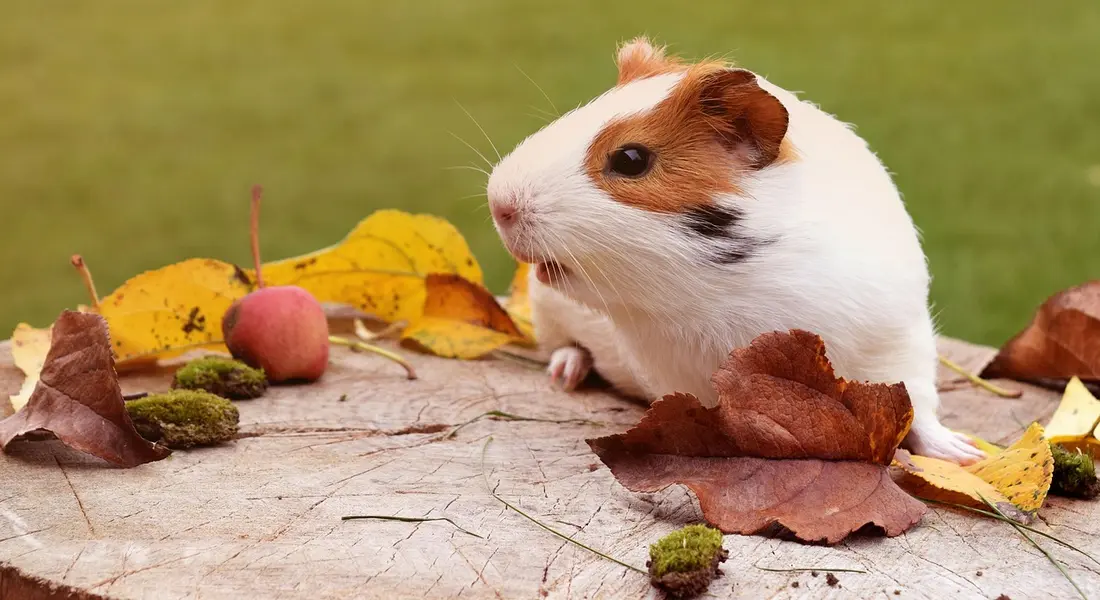
As your guinea pig hits adolescence around three to six months old, you’ll see their personality bloom in new ways. This stage brings playful antics mixed with dominance displays, like gentle rumbling or chasing, as they figure out their place in the group. My own guinea pig, Clover, started “popcorning” – those joyful little jumps – more often, while Pepper became more vocal, letting out low rumbles to assert himself.
Behavioral shifts can include mounting or light nipping, which is normal as long as it doesn’t escalate. I’ve found that providing plenty of space and toys helps channel their energy positively, reducing conflicts among cage mates. For instance, Biscuit preferred quiet corners but would join in playful chases when feeling secure.
Steps for Managing Stress and Introducing New Cage Mates
- Start introductions in a neutral area away from their usual cage to prevent territorial disputes.
- Supervise interactions closely for the first few hours, stepping in if aggression occurs.
- Offer multiple hideouts and food bowls to minimize competition and ease stress.
When I introduced Biscuit to my other guinea pigs, I kept sessions short and used treats to encourage calm behavior. Patience is key here; rushing can lead to injuries or long-term fear, so take it slow for everyone’s well-being.
Grooming and Dental Care Routines
- Brush long-haired breeds like my Peruvian, Biscuit, at least twice a week to prevent mats and skin issues.
- Check teeth weekly for overgrowth, as adolescent teeth grow quickly and can cause eating problems if ignored.
- Provide unlimited hay daily – it’s nature’s toothbrush and keeps their dental health in check.
Regular grooming not only keeps them comfortable but also strengthens your bond. Understanding guinea pig grooming behaviors helps you read their social cues and tailor sessions for bonding. Noting signs of comfort—like leaning into your touch or nuzzling closer—can guide how you groom and deepen trust. I make it a fun ritual with gentle strokes, which helps my guinea pigs stay relaxed and healthy through this busy phase.
Supporting Your Adult Guinea Pig: Maintaining Health and Happiness
Your adult guinea pig, typically from about one to five years old, has settled into their personality and routines. This is a time for maintaining their vibrant health through consistent, thoughtful care. My own pigs, Pepper and Clover, are in this golden stage, and their steady needs have taught me so much about understanding their personality.
Stable Growth and Weight Management
Unlike the rapid growth of their youth, adult cavies need their weight kept stable. A sudden weight change is one of the clearest indicators that something is wrong. I weigh my trio every weekend using a simple kitchen scale.
- Establish a weekly weighing routine; a fluctuation of more than an ounce or two warrants a vet visit.
- Feel their body gently; you should be able to feel their ribs without them being visible.
- Adjust pellet portions if they are becoming too round, but never restrict their hay.
A Balanced Nutrition Plan
A proper diet is your best tool for preventing illness. Since their bodies can’t make Vitamin C, you must provide it daily through fresh foods and supplements. I give my crew a morning salad that’s always a big hit.
- Unlimited Timothy Hay: This should make up about 80% of their diet for digestive and dental health.
- High-Quality Pellets: Offer a limited portion (usually 1/8 cup per pig) of fortified pellets daily.
- Vitamin C-Rich Veggies: A daily cup of veggies like bell peppers, kale, and parsley is essential.
- Fresh Water: Change their water daily in a clean bottle to encourage drinking.
Recognizing Common Adult Health Issues
Being observant helps you catch problems early. Bumblefoot, a painful foot infection, is a condition I watch for like a hawk, especially on hard cage floors. It starts subtly.
- Early Stage: The footpad may look red, swollen, or feel warm to the touch.
- Developing Stage: Scabs or sores appear, and your pig may start limping or be reluctant to move.
- Advanced Stage: The sores can become deep, infected, and may even affect the bone.
Prevention is straightforward. Provide a soft, absorbent bedding layer and check their little feet during weekly health checks. Other issues to watch for include lumps (which could be cysts or tumors), dental problems, and respiratory infections signaled by crusty eyes or a runny nose.
A Note on Guinea Pig Pregnancy
If you have a mixed-gender pair, pregnancy is a very real possibility. A guinea pig pregnancy lasts about 59-72 days, which is long for a small animal. My Biscuit came to me unexpectedly pregnant, and it was a learning experience.
- First Half: You may not notice many changes aside from a slowly increasing appetite and weight.
- Second Half: Her shape will become noticeably pear-shaped as the pups grow rapidly.
- Final Weeks: She will be very large, and you might see the pups moving. She needs extra alfalfa hay for calcium and a quiet, secure space.
Caring for Your Senior Guinea Pig: Comfort in the Golden Years
Watching my guinea pig, Pepper, gracefully enter his senior years has been a tender journey. Around age five or six, you’ll notice your furry friend slowing down, much like we do. Their once-energetic popcorning sessions become less frequent, and they spend more time napping in their favorite cozy spot. This natural slowing is a sign to shift our care from managing boundless energy to providing gentle, supportive comfort.
Recognizing the Physical Changes of Age
Your senior guinea pig’s body will go through several subtle transformations. Their fur might thin or become a bit coarser, and you may see a slight weight loss as their metabolism changes. Stiffness in their joints, particularly in the hips and back legs, is common. I first noticed this with my Clover, who started taking shorter, more deliberate steps. Arthritis is a frequent companion for older piggies, making movement a little more challenging and less spontaneous.
- Reduced activity and more time spent resting.
- Possible weight loss or muscle atrophy along the spine.
- Development of cataracts, making their world a bit fuzzier.
- Teeth that may require more frequent checks for uneven wear.
Creating a Senior-Friendly Habitat
Your guinea pig’s enclosure was once a playground; now it should be a sanctuary. Simple modifications can make a world of difference for their comfort and mobility. I rearranged Biscuit’s cage to be entirely single-level, removing any ramps he found difficult to climb. For beginners, the best cage setup means a spacious, single-level enclosure with solid flooring and safe accessories. This approach helps keep your new guinea pig comfortable and makes daily care easier.
A low-entry hidey house and dishes are essential for a piggy with sore joints.
- Use extra-soft, absorbent bedding like fleece liners to cushion their feet and joints.
- Ensure water bottles are at a comfortable height, so they don’t have to strain their necks.
- Place food and hay in easily accessible areas to prevent unnecessary travel.
- Keep their habitat in a quiet, draft-free part of your home to minimize stress.
Adjusting Diet for Changing Needs
An older digestive system needs a thoughtful diet. While unlimited, high-quality hay remains the cornerstone, you might find your senior pig struggles to maintain weight. Supplementing their diet with a critical care formula or pellets soaked in water can provide extra calories and hydration with minimal chewing effort.
- Continue daily vitamin C, but consider a liquid supplement if eating tough veggies becomes hard.
- Offer softer vegetables like cucumber and bell peppers, cut into tiny, manageable pieces.
- Monitor their water intake closely, as dehydration is a serious risk for seniors.
Vigilant Health Monitoring and Management
Proactive care becomes your most important tool. I make it a habit to do a gentle “wellness check” on my older piggies every week. This isn’t just about spotting problems; it’s about maintaining their quality of life.
Weigh your guinea pig weekly-a kitchen scale is perfect for this-as sudden weight loss is often the first sign of illness.
- Check Their Body: Gently feel for any unusual lumps or bumps. Look at their bottom to ensure it’s clean, as older pigs can struggle with grooming.
- Observe Their Movement: Note any limping, hesitation to move, or changes in how they walk.
- Monitor Eating Habits: Listen for the steady crunch of hay. A decrease in appetite demands immediate attention.
- Partner with Your Vet: Schedule check-ups every six months. Discuss pain management options, like vet-prescribed anti-inflammatories, if arthritis is affecting their happiness.
Caring for a senior guinea pig is a profound responsibility. It’s about honoring their lifelong companionship with patience and unwavering dedication. Your attentive care ensures their golden years are filled with comfort, dignity, and love.
Essential Health Checks and Preventive Care Through All Life Stages
Consistent health checks and preventive care help your guinea pig thrive from babyhood to senior years. When you handle them for a health check, use gentle, cupped hands and support their chest and hindquarters. Move slowly and keep sessions short to minimize stress. I’ve learned through caring for Pepper, Clover, and Biscuit that early detection of issues makes all the difference in their quality of life. Regular, gentle handling makes the process easier and safer for both you and your piggy.
Timeline for Regular Vet Check Appointments
Regular vet visits are non-negotiable for guinea pig wellness. Schedule these appointments based on age to catch potential problems before they escalate. A complete care schedule uses these visits as anchors and pairs them with routine home checks and preventive care.
- Baby Stage (0-6 months): Plan a vet visit within the first two weeks of adoption. This initial check ensures your new pet is free from parasites and congenital issues.
- Young Adult (6 months – 2 years): Annual exams suffice for most guinea pigs. My Clover, at 3 years, still benefits from yearly visits to monitor her graceful but thoughtful demeanor.
- Adult (2-5 years): Stick to annual check-ups but discuss any subtle changes. Pepper, my steady 2-year-old, had a minor dental issue spotted early during a routine visit.
- Senior (5+ years): Increase frequency to every six months. Older guinea pigs are prone to arthritis and organ decline, so bi-annual exams support their comfort.
Daily and Weekly Health Monitoring Tips for Each Stage
Routine monitoring at home complements vet care. Use your senses-look, listen, and feel-during daily interactions to spot irregularities quickly.
Baby Guinea Pigs (0-6 months)
Babies grow rapidly and need close observation. Check daily for bright eyes and steady weight gain, as rapid growth can mask deficiencies.
- Daily: Watch for active play and consistent eating. Feel their body for any unusual lumps during gentle handling.
- Weekly: Weigh them to track growth. Ensure they munch on hay-this habit supports lifelong dental health.
Young Adults (6 months – 2 years)
This stage is about maintaining momentum. Listen for clear, happy wheeks during feeding time, as changes in vocalization can signal distress.
- Daily: Observe breathing for any wheezing or labored sounds. Inspect fur for mats or bald patches.
- Weekly: Monitor weight stability. A sudden drop might indicate illness, as I noticed with Biscuit once.
Adults (2-5 years)
Adults require vigilant care to prevent chronic issues. Feel their joints during cuddle sessions for any swelling or stiffness, common in this stage.
- Daily: Check appetite and water intake. Reduced interest in food can be an early warning sign.
- Weekly: Examine teeth length and nail growth. Overgrown nails cause discomfort and need trimming.
Seniors (5+ years)
Senior guinea pigs deserve extra TLC. Notice any slowing in movement or changes in grooming habits, which often hint at age-related aches. For a complete guide on determining your guinea pig’s age, see our resource. It walks you through age indicators and how to interpret them.
- Daily: Look for signs of pain, like reluctance to move or vocalizations when touched. Provide soft bedding for joint support.
- Weekly: Monitor for weight loss or gain, adjusting diet as needed. Senior diets with easier-to-chew veggies help immensely.
Steps for Preventing Stress and Promoting Lifelong Well-being
Stress reduction is proactive health care. Create a calm, predictable environment to help your guinea pig feel secure and happy throughout their life.
- Offer a spacious cage with multiple hiding spots. My trio loves cozy huts where they can retreat when overwhelmed.
- Stick to a consistent daily routine for feeding, cleaning, and playtime. Guinea pigs thrive on predictability.
- Provide mental stimulation with safe toys like tunnels and chew blocks. This prevents boredom and encourages natural behaviors.
- Ensure social interaction-guinea pigs are herd animals. Pair or group them appropriately to avoid loneliness, but introduce new mates slowly.
- Use quiet, gentle handling to build trust. Sudden movements or loud noises can spike stress levels.
- Maintain a clean habitat to reduce disease risk. Weekly deep cleans with pet-safe disinfectants keep their home fresh and healthy.
FAQs
What are the stages of guinea pig pregnancy?
A guinea pig pregnancy lasts about 59-72 days and is divided into two main phases. In the first half, changes are subtle, but the second half brings a noticeable pear-shaped body and rapid pup growth. You can tell if your guinea pig is pregnant by watching for early signs and tracking the timeline to estimate how far along she is. Knowing the signs by phase helps with care planning.
What are the stages of bumblefoot in guinea pigs?
The early stage shows red, swollen footpads, while the developing stage includes visible scabs and limping. In the advanced stage, deep, infected sores form that can affect the bone.
What are the different life stages of a guinea pig?
A guinea pig’s life is generally divided into newborn, juvenile, adolescent, adult, and senior stages. Each phase has unique care requirements for diet, habitat, and health monitoring.
Why does my guinea pig stare at another and then jump?
This staring and jumping behavior is often a playful or curious interaction known as “popcorning.” It is typically a sign of excitement and happiness, not aggression.
What is guinea pig stage fright?
Stage fright refers to a guinea pig becoming temporarily frozen or hesitant in new or overwhelming situations. Providing hideouts and a quiet environment helps them feel secure and recover.
Caring for Your Guinea Pig Through Every Stage
Your guinea pig’s needs will change as they grow, so adapting their diet, habitat, and social time to their specific life stage is the key to a long, happy life. Pay close attention to their behavior and physical condition, as these are the best indicators of their health and happiness at any age. Additionally, make sure you prepare your home appropriately to accommodate them throughout their life.
Being a great pet owner means committing to lifelong learning about your guinea pigs’ welfare and making eco-friendly choices for their care. A little research and thoughtful care go a long way in providing a wonderful, enriching home for your small companions.
Further Reading & Sources
- Guinea Pig Lifespan and Life Stages
- How Long Do Guinea Pigs Live? Average Lifespan and How To Keep Your Guinea Pig Healthy
- How Long Does a Pet Guinea Pig Live For? – Supreme Petfoods
- Guinea Pig Life Cycle – Reproduction – Pregnancy – Breeding
Kate is a passionate guinea pig owner and advocate for small pet welfare. With over a decade of experience caring for guinea pigs, she has become a trusted voice in the small pet community.
Uncategorized