When to Get Professional Grooming Help for Your Guinea Pig
Published on: January 11, 2026 | Last Updated: January 11, 2026
Written By: Kate M. Callahan
Hello CavyFam! Do you ever worry that your guinea pig’s grooming needs are beyond your skills? Many pet owners feel this way, and it’s smart to ask when to call in the experts.
In this article, I’ll walk you through the clear signs that professional grooming is the right choice. We’ll cover matted fur, overgrown nails, skin issues, and behavioral cues. Having raised guinea pigs like gentle Pepper and graceful Clover, I’ve learned firsthand when a pro’s touch is essential for their well-being.
Recognizing Signs of Grooming Distress
Your guinea pig’s behavior during grooming speaks volumes. Watch for squirming, frantic attempts to escape, or high-pitched, distressed squeaks-these are clear signals to stop immediately. I learned this the hard way with Biscuit, my Peruvian; her reserved nature means she communicates discomfort subtly through stiffening and quiet whimpers.
Look for physical cues like rapid breathing, wide eyes, or teeth chattering. If your guinea pig consistently hides or becomes aggressive when you bring out grooming tools, they’re telling you the experience is too stressful. My gentle Pepper once nipped my finger during a nail trim, a first for her, which was my cue that I was pushing her comfort zone too far. These signs are how you tell if your guinea pig is stressed or anxious. When you spot them, slow down, give them space, and adjust handling to keep things calm.
Behavioral Red Flags
- Hiding or running away at the sight of brushes or clippers
- Freezing in place with tense muscles
- Excessive vocalizations beyond normal “wheeking”
- Refusing favorite treats offered during grooming sessions
When Health Conditions Complicate Grooming
Some health issues make routine grooming risky without professional training. Arthritis or joint pain, common in older pigs like my 3-year-old Clover, requires specialized handling to avoid causing pain during brushing or nail trims. Professionals know how to support sore joints while keeping your pet calm.
Skin conditions like fungal infections or parasites turn simple brushing into a painful ordeal. If you notice flaky skin, bald patches, or redness during grooming, stop and consult a vet or groomer-rubbing irritated skin can worsen the problem. I once aggravated a mild skin issue on Biscuit by brushing too enthusiastically, delaying her healing.
Conditions Needing Professional Intervention
- Overgrown teeth affecting ability to self-groom
- Obesity making it impossible to reach certain areas
- Recent surgeries or wounds requiring careful avoidance
- Eye infections that make face cleaning hazardous
Mobility challenges significantly impact grooming safety. Guinea pigs with hind leg weakness or paralysis, often seen in older animals, need expert positioning for sanitary grooming without injury. Trying to manage this myself with an aging guinea pig taught me that some tasks truly require skilled hands.
Respiratory issues demand particular caution. If your guinea pig shows any breathing difficulty during grooming-like wheezing or labored breaths-professional groomers can use techniques that minimize stress on their respiratory system. They have the experience to work quickly and efficiently while monitoring your pet’s vital signs.
Handling Guinea Pig Grooming Anxiety
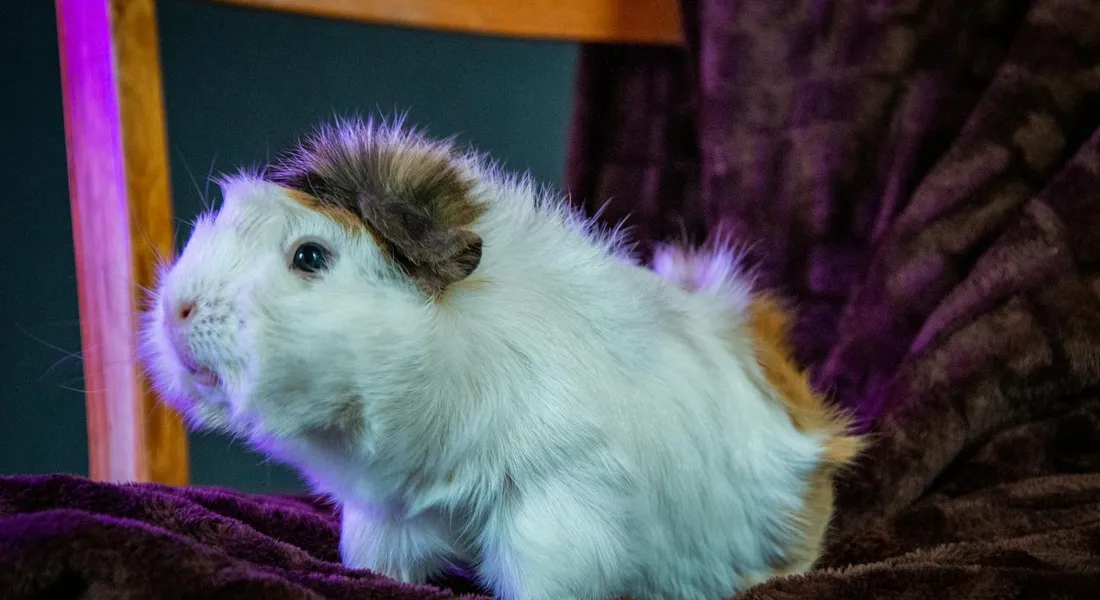
Signs Your Guinea Pig Is Too Stressed for Home Grooming
Watch for hiding behavior, like when Biscuit ducks under bedding during brushing attempts. Guinea pigs often freeze or try to bolt when they feel overwhelmed, signaling it’s time to pause.
Listen for teeth chattering or high-pitched squeals, which Pepper makes when uncomfortable. These vocal cues are clear distress signals that shouldn’t be ignored during grooming sessions.
- Rapid breathing or trembling
- Refusing treats they usually love
- Biting or nipping at your hands
I’ve seen Clover’s graceful demeanor vanish if I rush trimming, reminding me to respect their limits. Pushing through stress can harm your bond and make future grooming harder.
When to Call a Professional for Anxious Grooming
Seek help if your guinea pig shows consistent panic, like repeated escape attempts. Professionals have gentle restraint techniques that reduce trauma for high-strung pets. For a safe health check at home, handle your guinea pig gently and keep it close to you, supporting its body as you inspect. If you’re unsure, consult a veterinarian for proper handling tips.
Call a groomer if home methods fail after a few tries, as I did when Biscuit’s anxiety spiked. It’s safer to hand over care than risk injury from a stressed animal’s sudden movements.
- Schedule a visit if stress signs persist over multiple days
- Consult a vet-groomer for pets with past trauma
- Use pros for introductions to grooming tools
My rule is to prioritize their comfort over convenience. Early intervention by experts can prevent long-term fear and health issues.
Dealing With Complex Coat and Nail Issues
Managing Matted Fur and Thick Coats
Check for mats behind ears and under legs, common in long-haired breeds like Biscuit. Gently work out small tangles with your fingers before they tighten into painful knots.
Use a wide-toothed comb for daily brushing on thick coats. Regular maintenance prevents mats from forming and keeps their skin healthy and irritation-free.
- Apply a pet-safe detangling spray for stubborn areas
- Never cut mats with scissors-risk of cutting skin
- Seek a groomer if mats are large or close to the skin
I’ve learned that Clover’s light fur mats easily if neglected, so consistency is key. Proper coat care reduces shedding and helps you spot skin problems early.
Addressing Overgrown Nails and Sensitive Areas
Trim nails every 3-4 weeks to avoid overgrowth, which can cause foot pain. Overgrown nails may curl into pads, leading to infections or mobility issues.
Handle dark-nailed pigs like Pepper carefully, as the quick is hard to see. Use a small, sharp clipper and only take off the tip to prevent bleeding and discomfort.
- Restrain gently with a towel to minimize stress
- Focus on one nail at a time, rewarding with a veggie treat
- Stop if you hit the quick and apply styptic powder
For sensitive spots like feet or genitals, I rely on pros to avoid nicks. Regular professional trims ensure even wear and protect your guinea pig from accidental harm.
Identifying Skin and Parasite Problems
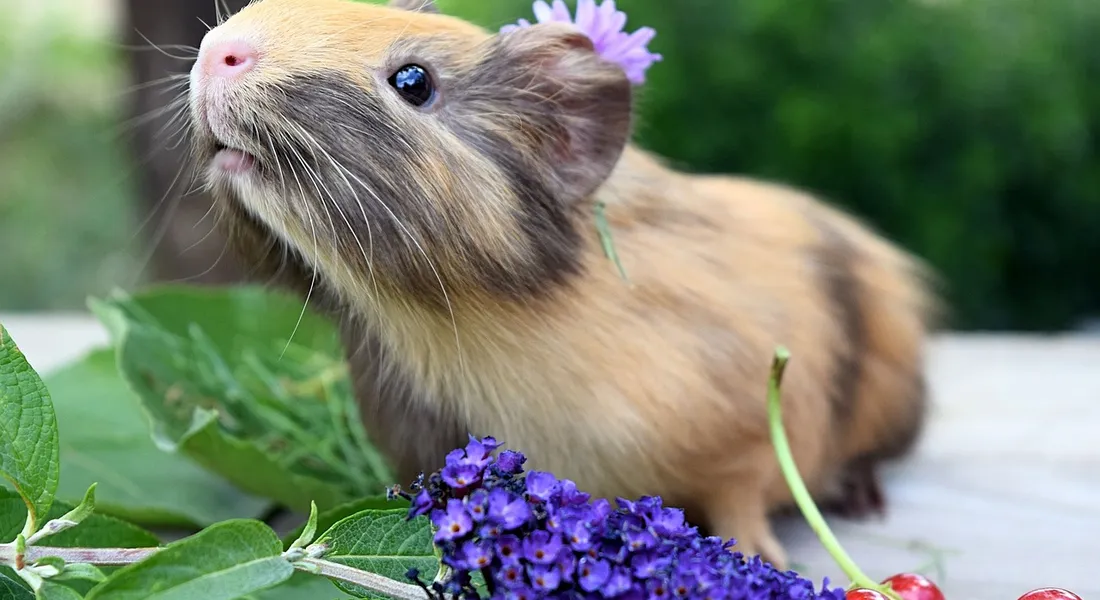
Your guinea pig’s skin tells a story, and learning to read it is a vital skill for any owner. I learned this the hard way when my guinea pig, Clover, started losing patches of fur, which turned out to be a fungal infection. Regular, gentle hands-on checks are your first line of defense. Run your fingers through their coat, feeling for any unusual bumps, scabs, or areas of thinning hair.
Look out for these common culprits:
- Mites: These cause intense itching. Your piggy might scratch constantly, shake their head, or even develop seizures from the discomfort. You might not see the mites, but you’ll see the distress.
- Fungal Infections (Ringworm): Look for circular, bald patches with flaky, crusty skin. This is highly contagious to other pets and humans.
- Lice: You may see tiny white specks (eggs) stuck to the hair shafts near the skin. The piggy may seem restless but is often less itchy than with mites.
Here’s a quick guide to help you spot trouble:
| Problem | What to Look For | Your Next Step |
|---|---|---|
| Mites | Intense scratching, hair loss, scabs (often behind ears) | See a vet immediately for prescription treatment |
| Fungal Infection | Circular bald spots, flaky or crusty skin | Vet visit for diagnosis; strict hygiene to prevent spread |
| Lice | White “nits” on hairs, general restlessness | Vet-prescribed topical treatment is needed |
Never attempt to treat parasites with over-the-counter dog or cat products, as they can be toxic to guinea pigs. A proper diagnosis from an exotics vet ensures the right, safe medication. After my experience with Clover, I now do a quick weekly skin check on all my pigs during lap time.
Post-Grooming Care and Observation
The work isn’t over once the grooming session ends. How your guinea pig behaves and looks in the hours and days after grooming gives you critical insight into their health and well-being. This is your window to catch any issues you might have missed or that were caused by the grooming itself. Observing post-grooming cues also helps you understand their grooming behaviors in social contexts and the bonds they form with others. Recognizing these cues supports healthy social relationships and comfort during future grooming sessions.
Immediately after grooming, follow these steps:
- Offer a favorite veggie treat to create a positive association.
- Check for any small nicks or cuts, especially if you trimmed their nails.
- Observe their behavior. Are they popcorning happily, or are they hiding and lethargic?
My pig, Biscuit, is often a bit reserved after a grooming session, so I make sure her hidey house is easily accessible. Keep a close eye on their skin for the next 24-48 hours for any signs of redness, irritation, or tiny cuts you may have missed. If you bathed them, ensure they are completely dry and in a warm, draft-free room to prevent chilling.
Your long-term observation checklist should include:
- Monitor appetite and water intake to ensure they return to normal.
- Watch for any new scratching, which could indicate a reaction to a shampoo or an underlying issue.
- Note their general energy levels and interactions with their cage mates.
A sudden change in behavior after grooming, like refusing food or excessive lethargy, warrants a call to your veterinarian. It’s always better to be safe and get professional advice. This attentive aftercare helps build trust and keeps your furry friend healthy and comfortable. I always feel a wave of relief once I see Pepper munching on hay and acting like his usual gentle self, knowing the grooming was a success.
Choosing the Right Professional Grooming Help
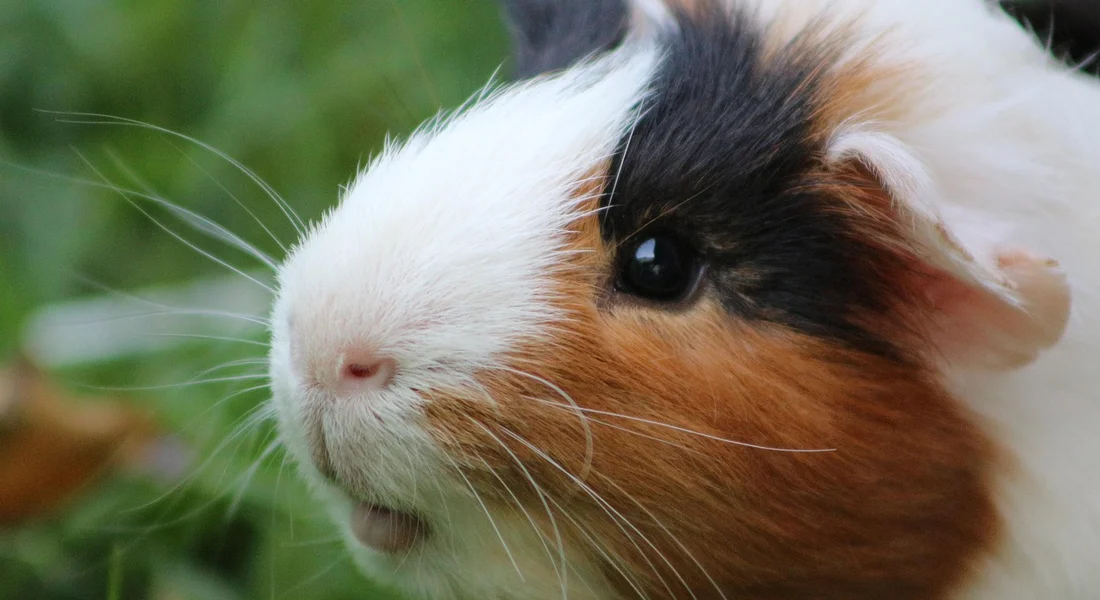
Finding a groomer who truly understands guinea pigs can make all the difference in your pet’s comfort and health. I learned this firsthand when my Peruvian, Biscuit, developed mats in her long hair that I couldn’t safely handle alone. Grooming needs vary by breed, as outlined in this guide: short-haired guinea pigs generally require regular brushing to remove loose fur, while long-haired breeds—like Peruvian or Silkie—need frequent detangling and trims. Look for groomers with specific small animal experience, as guinea pigs have delicate skin and unique needs compared to dogs or cats.
Start by checking online reviews and asking local vet clinics for trusted recommendations. Always visit the grooming facility in advance to observe cleanliness and how staff interact with animals. I felt much better after seeing how gently the groomer handled my Abyssinian, Clover, during a quick nail trim demonstration.
Trust your instincts—if a place seems rushed or unfamiliar with guinea pig behaviors, keep searching. Your guinea pig’s well-being depends on a calm, knowledgeable professional who prioritizes safety over speed. When you find the right vet, schedule your new guinea pig’s first veterinary check-up. This visit helps establish a health baseline and informs ongoing care for your newcomer.
Questions to Ask a Potential Groomer
Before booking an appointment, have a list of key questions ready to ensure the groomer is a good fit. This helps you avoid stressful situations, like when I once had to intervene because a groomer used tools that scared my gentle Pepper. Here are essential questions to ask:
- How many years have you been grooming guinea pigs specifically?
- What certifications or training do you have in small animal care?
- Can you walk me through your process for nail trimming or hair cuts?
- Do you allow owners to stay during the session to reduce pet anxiety?
- What steps do you take if a guinea pig becomes stressed or tries to escape?
Based on my experience, groomers who welcome questions and explain their methods clearly tend to be more reliable. Always ask about emergency protocols, like how they handle accidental nicks or signs of distress.
Understanding Grooming Services and Tools
Professional grooming for guinea pigs typically includes nail trimming, coat maintenance, and sometimes bathing or gland checks. A guinea pig grooming guide often breaks nail trimming and bathing into safe, step-by-step actions you can follow at home. It also covers how often to bathe, nail health tips, and the right tools to use for small, sensitive animals. Each service uses specific tools designed for small, sensitive animals to prevent injury. For example, my Abyssinian, Clover, needs gentle brushing to avoid pulling her rosettes, while Biscuit’s Peruvian coat requires special clippers for trimming.
Common tools you should see include:
- Small animal nail clippers with safety guards
- Soft-bristle brushes or combs for different coat types
- Low-noise clippers to minimize stress during hair cuts
- Mild, guinea pig-safe shampoos for rare baths
I always insist on tools being sanitized between pets to prevent the spread of mites or infections. Avoid groomers who use dog or cat products, as these can irritate guinea pig skin. Regular grooming not only keeps your pet looking neat but also helps you spot health issues early, like overgrown teeth or skin lumps. A complete guinea pig hygiene cleaning routine ties these steps together. It includes regular brushing, safe enclosure cleaning, nail trims, and occasional baths when needed.
## Quick Answers
What tools do I need for guinea pig grooming?
Essential tools include a soft-bristle brush for short-haired breeds and a wide-toothed comb for long-haired ones. You will also need small animal nail clippers, styptic powder, and guinea pig-safe shampoo for the rare bath.
How often should I groom my guinea pig?
Short-haired guinea pigs need brushing 2-3 times a week, while long-haired breeds require daily brushing to prevent mats. Nail trims are typically needed every 3-4 weeks to prevent overgrowth and foot problems. With a calm routine and gentle handling, nail trimming can be less stressful for your guinea pig. Starting with short sessions and treats helps your pig associate nail trimming with positive experiences.
How to safely trim a guinea pig’s nails?
Gently restrain your guinea pig and only trim the very tip of the clear nail, avoiding the pink quick where blood vessels and nerves are located. For dark nails, use a small flashlight to help locate the quick, and always have styptic powder on hand in case of bleeding. To trim safely without causing injury, remove only a little at a time and stop before you reach the quick. If you’re unsure, consult a veterinarian or experienced groomer for guidance.
Can I bathe my guinea pig and how often?
Guinea pigs rarely need baths and excessive bathing can strip their skin of natural oils. Only bathe them if they are soiled, using a small amount of guinea pig-specific shampoo and ensuring they are thoroughly dried in a warm, draft-free area afterwards.
Do guinea pigs need ear cleaning and how to do it?
Guinea pigs generally keep their own ears clean and do not require routine internal cleaning. You can gently wipe the outer ear flap with a soft, damp cloth if you notice any wax or debris, but never insert anything into the ear canal. Cleaning your guinea pig’s ears and nose safely is important to avoid injury.
Your Guinea Pig’s Grooming Journey
Ultimately, you should seek professional grooming help when a task feels overwhelming or when you notice signs of skin irritation, overgrown nails, or matted fur you can’t safely handle. A professional groomer is a valuable partner for maintaining your pet’s health and comfort, especially for complex coats or anxious personalities like my Peruvian, Biscuit’s.
Being a great guinea pig parent means committing to continuous learning about their specific needs and advocating for their welfare. I encourage you to explore eco-friendly grooming options, like biodegradable wipes or sustainably sourced bedding, as part of your ongoing care for these wonderful little companions.
Further Reading & Sources
- Guinea Pig Grooming – A Masterclass PDF Download | nfps
- The Guinea Pig Groomer – Tiny Paws Guinea Pig Groomer
- A Guide To Grooming Guinea Pigs | 5 Essential Steps – Home & Roost
- Small Animal Grooming | Critterz Grooming
Kate is a passionate guinea pig owner and advocate for small pet welfare. With over a decade of experience caring for guinea pigs, she has become a trusted voice in the small pet community.
Uncategorized