How to Clean Your Guinea Pig’s Ears and Nose Safely
Published on: February 25, 2026 | Last Updated: February 25, 2026
Written By: Kate M. Callahan
Hello CavyFam! You’ve noticed some buildup in your guinea pig’s delicate ears or around their twitching nose, and you’re wondering how to help without causing harm. It’s completely normal to feel a little nervous about cleaning such sensitive areas.
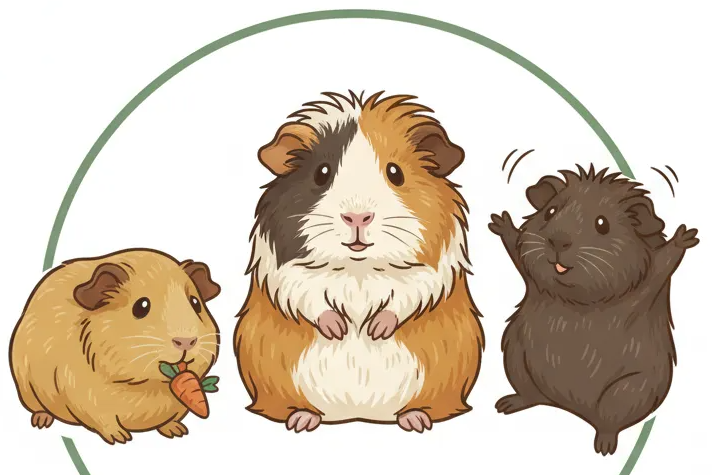
In this guide, I will walk you through the right supplies you need, a gentle step-by-step method, what warning signs to watch for, and how often you should perform this care. I’ve learned these techniques from years of hands-on experience caring for my own trio of guinea pigs-Pepper, Clover, and Biscuit.
Understanding the Importance of Gentle Cleaning
-
Regular, gentle cleaning keeps your guinea pig’s ears and nose free from dirt and wax buildup, which can lead to painful issues like ear mites or nasal blockages if ignored. By removing debris gently, you prevent infections and help your pet breathe and hear comfortably, much like how we feel better after a quick wipe-down. I’ve seen this firsthand with my own guinea pigs-Pepper’s calm demeanor means she rarely gets irritated ears, but Clover’s more delicate nature requires consistent care to avoid problems.
-
Routine care sessions have built a strong bond of trust between me and my guinea pigs, turning what could be stressful into a calm, predictable routine. Over time, my guinea pig Biscuit went from being reserved to eagerly nuzzling my hand during cleanings, showing how patience and gentleness foster a deeper connection and understanding of guinea pig grooming behaviors and social bonding. This trust makes future vet visits or handling much smoother, as your pet learns you’re a source of comfort, not fear.
-
Always prioritize safety by avoiding any force or deep probing, which can cause injury and spike stress levels in your guinea pig. Gentle handling reduces anxiety and makes the experience positive for both of you, ensuring your pet stays healthy without unnecessary discomfort. I’ve found that speaking softly and moving slowly, especially with skittish pigs like Clover, keeps them relaxed and cooperative.
Step-by-Step Guide to Cleaning Guinea Pig Ears
-
Gather your supplies: a soft damp cloth, lukewarm water, cotton balls, and saline solution for extra gentle cleaning if needed. Having everything ready beforehand minimizes fuss and keeps your guinea pig calm, as sudden movements can startle them. I always keep these items in a small kit for quick access, which has saved me time with my trio of guinea pigs. You can even organize your supplies to ensure you’re prepared.
-
Restrain your guinea pig gently by cradling them in one hand or placing them on a non-slip surface, ensuring they feel secure without tight holds. A comfortable restraint prevents squirming and helps you focus on cleaning without causing distress. Gentle handling is a cornerstone of properly caring for guinea pigs. Taking a moment to ensure comfort during routines supports their health and well-being. With Pepper, I lightly wrap a towel around her lower body to make her feel snug, and she stays still throughout.
-
Wipe the outer ear areas using the damp cloth, moving in soft circular motions to lift away dirt without pushing into the ear canal. Avoiding deep insertion protects sensitive inner structures and prevents accidental harm. For Clover’s delicate ears, I use a cloth dampened with plain water to avoid irritation, and she barely notices the gentle touch.
-
Use cotton balls for more delicate spots, like folds around the ears, and pat dry with a soft towel to remove any moisture. Drying thoroughly prevents dampness that could lead to skin issues or infections. I’ve found that a quick, light pat works best-Biscuit’s long fur dries fast this way, and she stays cozy.
-
Monitor for signs of irritation, such as redness, discharge, or unusual behavior, and stop if your guinea pig seems uncomfortable. Watching closely helps you catch potential problems early and adjust your technique for future cleanings. If I see Pepper shaking her head or Clover pulling away, I pause and reassure them before continuing slowly—it’s just like when you’re trying to tell if they’re enjoying gentle petting.
Step-by-Step Guide to Cleaning Guinea Pig Nose
-
Begin by preparing a saline solution using 1/4 teaspoon of non-iodized salt dissolved in 8 ounces of warm, distilled water. I always test the temperature on my wrist to make sure it’s comfortable, just like I do for my guinea pig Biscuit. Use a soft cloth or cotton ball that won’t irritate their skin. This homemade saline is safe and mimics their natural fluids, reducing any risk of irritation.
-
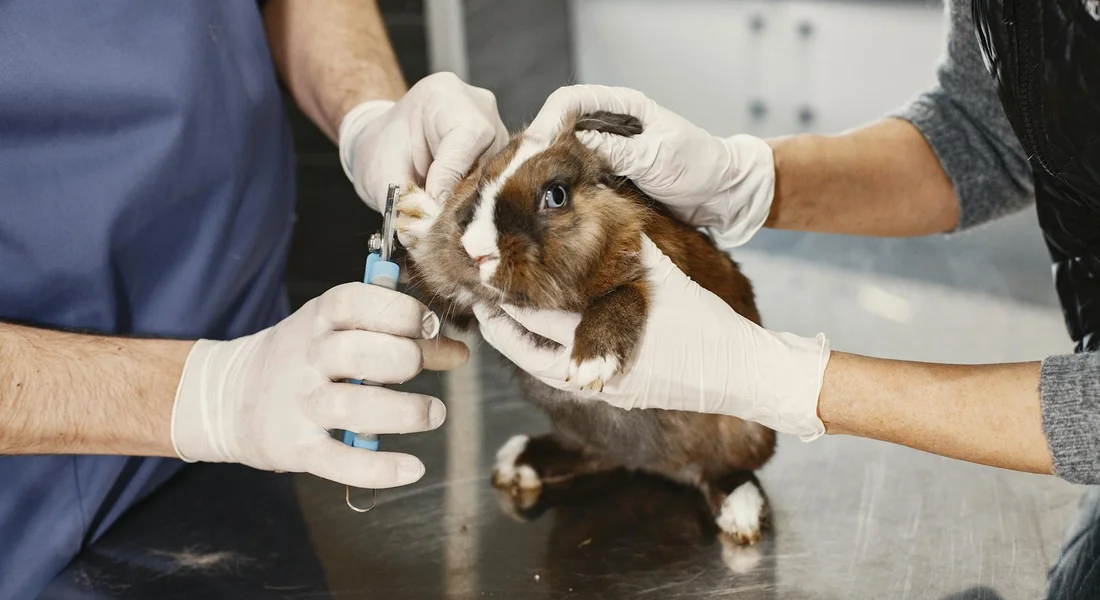
Hold your guinea pig gently on a flat, towel-covered surface, supporting their body with both hands. Speak in a calm, reassuring tone to keep them relaxed—Pepper responds well to soft chatter during grooming. This calm, steady approach makes nail trimming less stressful for your guinea pig. With patience and gentle handling, nail trims can be quick and safe. Proper handling minimizes stress and prevents injuries from sudden movements.
-
Dampen the cloth with the saline solution and wring out excess liquid. Wipe lightly around the nose in circular motions to lift away dirt, being careful to steer clear of the nostrils. Avoiding the nostrils protects delicate tissues and prevents discomfort.
-
For mild nasal clogs, apply a warm, damp cloth compress to the area for 10-15 seconds. I’ve found this works wonders for Clover when she has slight congestion from dusty bedding. Gentle compresses can loosen blockages without the need for invasive methods.
-
Finish by patting the nose dry with a clean, soft cloth and observe your guinea pig’s breathing. Ensure they seem at ease before returning them to their habitat. Drying the area thoroughly helps prevent skin issues and keeps your pet comfortable.
How Often to Clean Ears and Nose
-
Aim for a weekly grooming session to maintain overall hygiene. I stick to this routine with all my guinea pigs, as it helps me spot changes early. Regular weekly cleanings build a healthy habit and catch minor issues before they escalate. This is part of a complete guinea pig hygiene cleaning routine. It also includes daily spot-cleaning, nail checks, and full cage sanitation.
-
Adjust the frequency based on factors like breed and living conditions. For instance, Biscuit’s long Peruvian fur means I clean her nose more often than Pepper’s shorter coat. Customizing the schedule ensures your guinea pig gets care tailored to their unique needs. In a complete schedule guide, you’ll learn exactly how often to clean the cage—daily, weekly, and monthly. This helps keep odors down and your guinea pig comfortable.
-
Watch for signs like visible dirt, discharge, or increased sneezing, which may require more frequent attention. With Clover, I increase cleanings if she explores dusty areas. Noticing these cues early supports prompt care and prevents health problems.
Recognizing Signs of Ear and Nose Problems
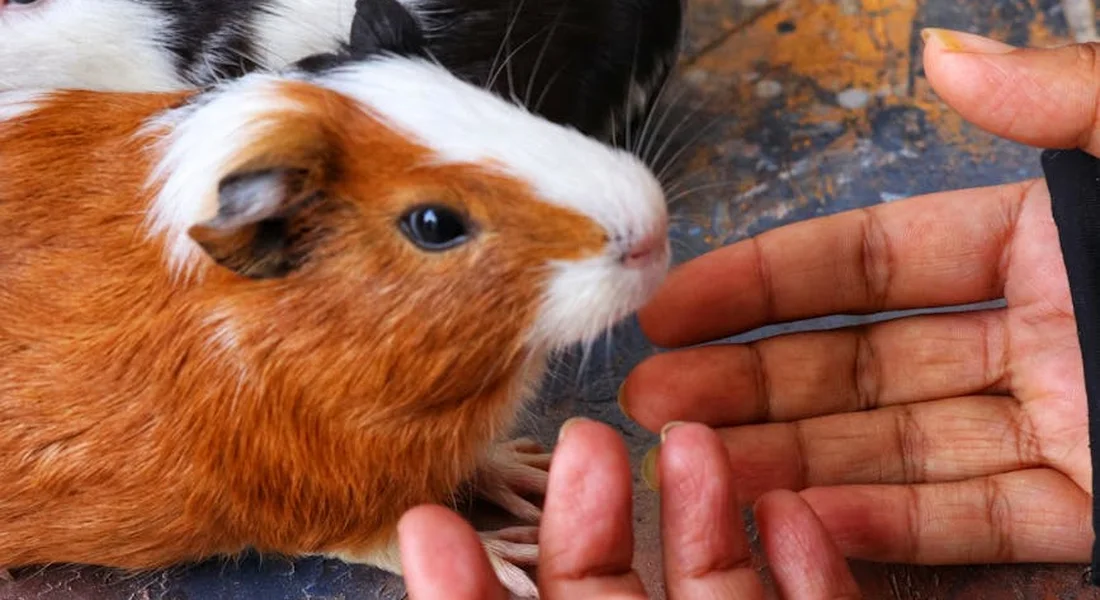
Spotting trouble early makes all the difference in your guinea pig’s comfort and health.
- Look for any ear discharge that is waxy, crusty, or has an unusual color.
- Watch for nasal discharge, which can be clear, milky, or even tinged with blood.
- Notice persistent redness or swelling inside the ears or around the nostrils.
- Pay close attention if your pet scratches at their ears or rubs their face frequently.
Common culprits include pesky ear mites, environmental allergies from bedding, or even respiratory infections. From my own experience with Pepper, his gentle nature changed when he started shaking his head constantly, a classic sign of ear mites we caught early. Clover once had a slight nasal discharge that turned out to be a reaction to a new type of hay. Observing these subtle shifts in behavior is your first line of defense.
When to Seek Veterinary Help
Knowing when a problem is beyond home care is a critical part of responsible pet ownership.
- Seek immediate help for any persistent discharge that doesn’t clear up in a day.
- Veterinary intervention is essential if you notice labored breathing, wheezing, or sneezing fits.
- Any major behavioral change, like loss of appetite, lethargy, or increased aggression, warrants a professional opinion.
Infections or severe blockages require prescription medication that only a vet can provide. I learned this the hard way when Biscuit seemed reserved, which was normal for her, but it escalated into a full-blown respiratory infection that needed antibiotics. For your vet visit, take clear photos of the symptoms and jot down notes about when they started and how your guinea pig is acting. This preparation helps your vet make a swift, accurate diagnosis.
Tips for a Stress-Free Cleaning Session
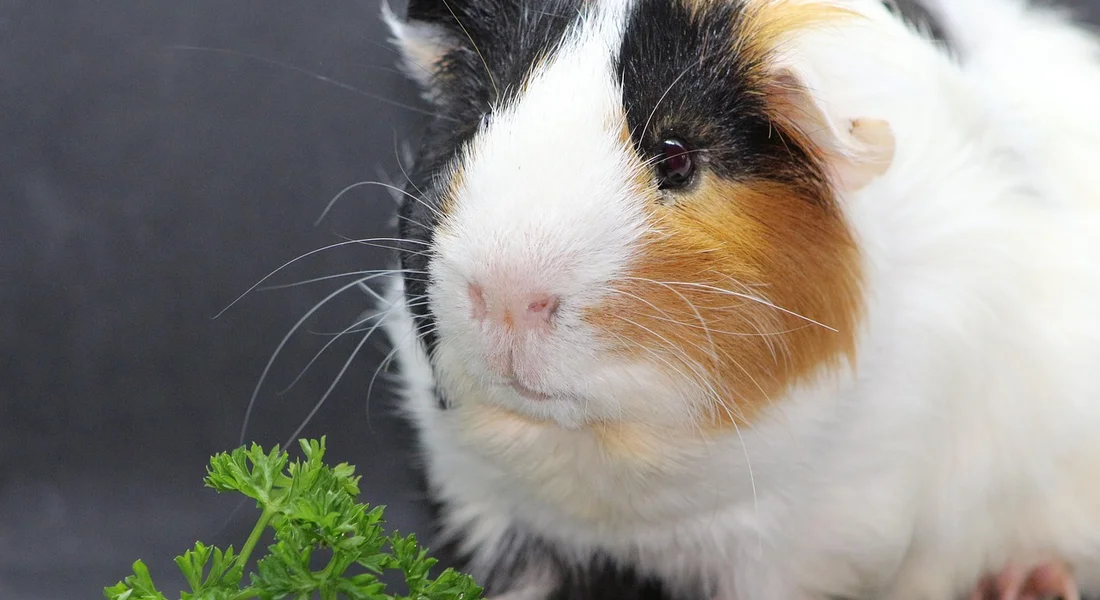
Keeping your guinea pig calm is the most important part of the process. If you’re unsure whether your pig is stressed or anxious, look for signs like hiding, a tense posture, or rapid breathing. I always have a small, high-value treat like a piece of cilantro or a tiny carrot slice ready to reward calm behavior immediately after I finish. This positive reinforcement builds a positive association with cleaning time.
Never turn this into a long, drawn-out ordeal. I aim for sessions under five minutes, and I always do it in their own familiar playpen or a quiet corner of the room they know well. A calm environment prevents your pet from feeling startled or threatened.
Your guinea pig’s skin is incredibly sensitive. You must absolutely avoid any strong soaps, alcohol-based wipes, or rough materials like paper towels that can cause micro-cuts and irritation. Stick to soft cotton balls or pads dampened with plain, lukewarm water or a vet-approved saline solution.
From my years with Pepper, Clover, and Biscuit, I’ve learned a few tricks. I talk to them in a soft, low, and steady voice throughout the entire process, which I find is far more soothing than sudden silence or high-pitched chatter. I also gently place one hand over their back and shoulders to provide a sense of security, preventing them from bolting.
FAQs
What is the safest ear cleaning solution for guinea pigs?
A vet-approved saline solution is highly recommended as it is gentle and closely matches their body’s natural fluids. Avoid products with alcohol or strong chemicals to prevent irritation or harm.
Can I use homemade solutions for guinea pig ear cleaning?
Yes, you can safely make a solution by dissolving 1/4 teaspoon of non-iodized salt in 8 ounces of warm, distilled water. Always test the temperature and ensure it’s mild to avoid any discomfort for your pet.
How do I apply an ear cleaning solution without causing stress?
Gently dampen a soft cloth or cotton ball with the solution and wipe only the outer ear areas in light, circular motions. Never probe deep into the ear canal to prevent injury and keep your guinea pig calm.
What should I avoid when selecting an ear cleaning solution?
Steer clear of alcohol-based wipes, harsh soaps, or human ear drops that can dry out or irritate sensitive skin. Always opt for pH-balanced, gentle formulas designed for small animals.
Are commercial ear cleaning products necessary for guinea pigs?
While not always essential, vet-recommended commercial products can offer added safety and effectiveness for routine care. Check with your veterinarian to choose a product that suits your guinea pig’s specific needs. Regular vet visits are an important part of a complete guinea pig care schedule, helping catch issues early and tailor care to your pet’s health. Your vet can guide you on how often to schedule checkups and which preventive measures to include.
Your Guinea Pig’s Health in Your Hands
From my time with Pepper, Clover, and Biscuit, I’ve learned that gentle, regular cleaning with a soft, damp cloth keeps their ears and noses free from debris without causing stress. Always inspect for redness or discharge during these sessions to catch potential health issues early and ensure your pet’s comfort.
Being a responsible owner means committing to ongoing education about eco-friendly practices, like choosing biodegradable wipes or reusable materials for their habitat. Your dedication to learning and adapting not only safeguards your guinea pig’s well-being but also supports a healthier planet for all animals.
Further Reading & Sources
- Guinea Pig Ears: Problems | Infections | Cleaning | Mites
- A Step-by-Step Guide to Cleaning Your Guinea Pigs Ears
- Cleaning guinea pig ears regularly
- General – Cleaning ears/Cleaning grease gland? – Guinea Pig Cages
Kate is a passionate guinea pig owner and advocate for small pet welfare. With over a decade of experience caring for guinea pigs, she has become a trusted voice in the small pet community.
Uncategorized