Why Do Guinea Pigs Groom and ‘Kiss’ Each Other?
Hello, CavyFam! Have you ever watched your guinea pigs nuzzle and lick each other and wondered what it all means? Seeing this behavior can make you question if it’s a sign of affection or something you should be concerned about.
In this article, I’ll explain the reasons behind this adorable social grooming, covering social bonding, communication, and establishing hierarchy. With years of caring for my own herd, I’ve seen firsthand how these interactions shape their happy, little community.
What Does Guinea Pig Grooming and “Kiss” Look Like?
Common Grooming Behaviors Explained
You’ll often see your guinea pig lick their own paws and rub them over their face and head. This self-cleaning ritual keeps their coat free from dirt and helps them feel secure. They might also nibble gently at their sides or back legs, much like a cat grooming hard-to-reach spots.
Mutual grooming is even more fascinating to watch. One piggy will gently lick the other’s head, ears, or back, often while making soft, contented rumbling sounds. You might see them nuzzle into the grooming, closing their eyes in pure bliss. It’s a peaceful, cooperative activity that strengthens their connection.
Self-Grooming vs. Mutual Grooming
Self-grooming is all about personal hygiene and comfort. My guinea pig, Biscuit, often grooms himself meticulously after eating, ensuring no piece of parsley is stuck in his long fur.
- Self-grooming is a solo act focused on cleanliness and self-soothing.
- It involves licking their own fur, nibbling at their coat, and using paws to clean their face.
- You’ll see this after meals, upon waking, or when they feel safe and relaxed.
Mutual grooming, or allogrooming, is a social behavior. My pair, Pepper and Clover, often take turns grooming each other’s heads for minutes at a time. It’s their way of saying, “You’re part of my family, and I’ve got your back.”
- Mutual grooming is a shared activity that builds trust and reinforces social bonds.
- It typically involves one piggy licking another, often starting on the head or neck.
- This behavior is most common between bonded cage mates who feel completely comfortable together.
Why Guinea Pigs Groom and “Kiss”: The Social and Emotional Drivers
Bonding and Affection Through Grooming
When guinea pigs groom each other, they are expressing deep affection and trust. This gentle licking releases endorphins, creating feelings of pleasure and contentment for both the giver and receiver. It’s their version of a warm, reassuring hug. If you’re wondering where they like to be petted to show affection, many guinea pigs enjoy gentle strokes along the back or behind the ears. They often lean into your hand and make soft squeaks when they’re happy.
I’ve noticed my gentle piggy, Pepper, will often groom the more reserved Biscuit after a scary noise. This caring behavior clearly serves as emotional support, calming a nervous friend. It’s a powerful reminder that these small creatures have rich emotional lives and look out for each other.
Dominance and Communication in Grooming
Grooming isn’t always purely affectionate; it can also communicate social status. You might observe one guinea pig persistently grooming another, who remains still and accepts the attention. This can be a subtle way of reinforcing the group’s hierarchy. Understanding these grooming patterns helps you read social bonding in a guinea pig group. They show how grooming reinforces close relationships as well as status.
In my herd, graceful Clover often initiates grooming sessions with the others. This established her as a confident, maternal figure without any aggressive confrontations. It’s a peaceful way to maintain order and reduce tension within the group.
Watch for the recipient’s body language. A relaxed, purring piggy indicates affectionate bonding, while a stiff, unmoving one might be acknowledging a higher-ranking companion. Understanding this nuance helps you interpret your pets’ complex social world.
Decoding Guinea Pig “Kisses”: Affection, Dominance, or Something Else?
Signs of Affectionate Kissing
Guinea pigs often show love through gentle nibbling and licking, especially around the face and ears. This behavior is a clear sign of bonding and trust between cage mates. In my time with Pepper and Clover, I’ve seen them share soft kisses during quiet moments, which always warms my heart. They do this to reinforce their social ties and show they feel safe together. Are these common bonding behaviors, and what do they mean? Generally, yes—gentle nibbling and licking are typical signs that guinea pigs trust and bond with each other.
- Soft, slow nibbling without any aggression
- Licking each other’s fur, particularly on hard-to-reach spots
- Staying close and relaxed, often while resting or eating
- No squealing or attempts to escape the interaction
These actions help them maintain a peaceful group dynamic. Observing these gentle exchanges can reassure you that your pets are content and connected. For instance, Biscuit, who is more reserved, will sometimes initiate kisses with Clover, showing even shy guinea pigs can express affection this way.
When Kissing Signals Dominance or Mating
Not all kissing is friendly-it can indicate dominance or mating urges. Dominance-related kissing often involves more persistent chasing and nipping, especially around the rump or neck. I’ve noticed this with my trio when introducing new items to their cage; Pepper might assert herself with quick nips to establish order. This behavior helps prevent conflicts but should not escalate to fighting.
- Rough or rapid nibbling that causes the other guinea pig to squeak or flee
- Mounting or circling during the interaction
- Increased vocalizations like rumbling or chattering
- Occurs more often during changes in environment or group dynamics
Mating behaviors include similar actions but with specific contexts, like a male pursuing a female. If you see frequent, intense kissing paired with restlessness, it might be time to consider separating them temporarily for their well-being. Always prioritize their comfort and consult a vet if you’re unsure, as I did when Clover showed signs of stress during mating season.
Healthy Grooming Habits: What’s Normal and What’s Not
Identifying Excessive Grooming
Normal grooming keeps guinea pigs clean and strengthens bonds, but excessive grooming can signal problems. Healthy grooming involves mutual sessions where they take turns, leaving no bald patches or redness. With my guinea pigs, I see this daily—they groom each other after meals, which is a natural part of their routine. It’s a way to share care and reduce stress in their little community. For beginners, a guinea pig grooming guide that covers nail trimming and bathing can be very helpful. These guides outline safe techniques to keep them clean and comfortable without causing stress.
- Grooming that lasts a few minutes and stops naturally
- No signs of skin irritation or hair loss
- Balanced participation-each guinea pig gets a turn
- Occurs in calm settings, not during high-stress times
Excessive grooming, on the other hand, can lead to health issues. Watch for patches of missing fur, constant scratching, or one guinea pig dominating the grooming to the point of injury. I once had to intervene when Biscuit over-groomed due to boredom; adding more toys and hiding spots helped curb it. If you spot these signs, check for parasites, allergies, or environmental stressors, and seek vet advice to keep your pets happy and healthy.
How to Encourage Positive Grooming in Your Guinea Pigs
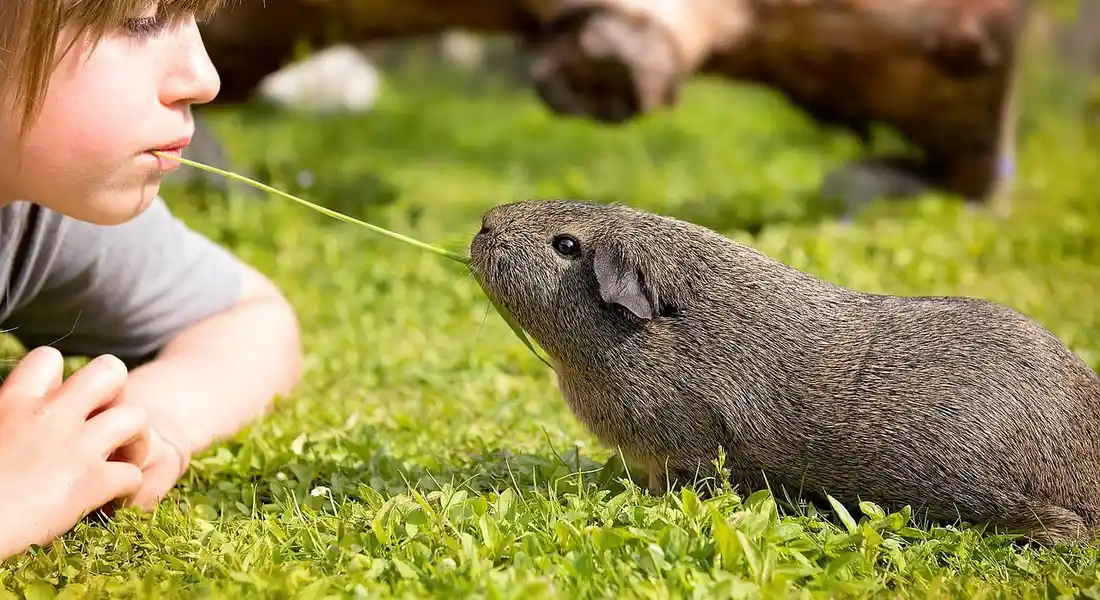
Gentle grooming between guinea pigs is a beautiful sign of trust, and you can help foster this behavior by creating a safe, comfortable environment. From my own experience with Pepper and Clover, I’ve found that patience and the right setup make all the difference.
Steps for Successful Pair Bonding
Start by introducing new guinea pigs in a completely neutral space where neither has established territory. This could be a playpen or a freshly cleaned cage.
- Allow them to see and smell each other first through a barrier for a day or two.
- Supervise their initial face-to-face meetings closely, providing plenty of hay and veggies to distract from potential squabbles.
- Watch for positive signs like gentle nose-touching and low, relaxed rumbling sounds.
- House them together only when they consistently ignore or interact peacefully with one another.
- Ensure their living space has multiple hideouts, food bowls, and water bottles to prevent resource guarding.
Never rush the bonding process, as forcing interactions can lead to fear and aggression instead of affectionate grooming. My guinea pig Biscuit took nearly three weeks to comfortably share a cage, but now she and Clover often nap together and groom each other’s faces.
Grooming Through Life Stages: From Babies to Seniors
Grooming habits evolve significantly as your guinea pig grows from a wobbly pup into a dignified senior. Understanding these changes helps you provide better care throughout their life. Being aware of common guinea pig grooming mistakes to avoid—such as over-bathing, brushing too aggressively, or neglecting nail care—will help you keep them comfortable and healthy.
Grooming in Young and Senior Guinea Pigs
Baby guinea pigs learn grooming behaviors almost immediately from their mothers and cage mates. You’ll often see pups mimicking the gentle nibbling and licking they receive. When they grow up, guinea pigs may lick their owners too, which can be a sign of affection and trust. It can also be curiosity or a way to sample your scent.
- Young guinea pigs are typically more active and playful in their grooming, which helps strengthen social bonds.
- Adults use grooming for maintenance and reaffirming social hierarchy within their pair or group.
- Senior guinea pigs may groom less due to arthritis or dental issues, requiring more help from you.
Older guinea pigs like my 3-year-old Clover sometimes need assistance with hard-to-reach spots, making gentle brushing an important part of your routine. I’ve noticed her movements become slower and more deliberate compared to when she was younger.
Always monitor changes in grooming behavior, as sudden decreases can indicate pain, illness, or stress that needs veterinary attention. Regular health checks become especially important for guinea pigs over age 4 to ensure they remain comfortable and socially engaged.
FAQs
Where can I find guinea pig grooming services near me?
Search online for local pet groomers who specialize in small animals or exotic pets. Always verify their experience with guinea pigs to ensure safe and appropriate care. If you need medical care, look for an exotic veterinarian near guinea pigs who can provide specialized treatment. They can address guinea pig-specific concerns such as dental issues, skin problems, and dietary needs.
What should be included in a guinea pig grooming kit?
A basic kit should have a soft-bristled brush, small animal nail clippers, and a fine-toothed comb for long-haired breeds. Include styptic powder to handle any accidental bleeding during nail trims.
How much does guinea pig grooming typically cost?
Costs generally range from $20 to $50 per session, depending on services like brushing or nail trimming. Prices may vary based on your location and the groomer’s expertise.
What services are offered in professional guinea pig grooming?
Professionals often provide brushing, nail clipping, and sanitary trims to maintain hygiene and comfort. Some may also offer detangling or light bathing, though bathing is rarely needed for guinea pigs. If you notice tangled fur, persistent matting, overgrown nails, or skin irritations, seek professional grooming help for your guinea pig. They can handle sensitive tasks safely and advise on ongoing home care.
What are some effective guinea pig grooming techniques?
Brush gently in the direction of hair growth to prevent mats and reduce shedding. For nail trimming, secure your guinea pig calmly and clip only the tip to avoid the quick, which can cause pain. Doing nail trims safely helps prevent injury and discomfort, so take your time with small, steady clips.
Your Guinea Pig’s Grooming Guide: A Final Word
From watching my own guinea pigs, Pepper and Clover, I know that grooming and ‘kissing’ are vital for their social harmony and emotional well-being. Always observe these interactions closely, as they reveal your pets’ health and happiness within their group dynamic. Provide a safe, enriched environment to encourage these natural, bonding behaviors.
Caring for guinea pigs responsibly means committing to lifelong learning about their unique needs and advocating for their welfare. I encourage you to explore eco-friendly care options, like using recycled paper bedding to make a positive impact on both your pets and the planet. Your dedication helps ensure a joyful, healthy life for your furry companions.
Further Reading & Sources
- Why Does My Guinea Pig Lick Me? Piggie Licking Explained | Kavee
- Do Your Piggies Groom Each Other Alot? | The Guinea Pig Forum
- Why do guinea pigs lick? – HAYPIGS
- r/guineapigs on Reddit: My guinea pigs kiss each other! (?)
Kate is a passionate guinea pig owner and advocate for small pet welfare. With over a decade of experience caring for guinea pigs, she has become a trusted voice in the small pet community.
Uncategorized