
How to Find an Exotic Veterinarian for Your Guinea Pig
Published on: February 14, 2026 | Last Updated: February 14, 2026
Written By: Kate M. Callahan
Hello CavyFam! Finding the right vet for your guinea pig can feel stressful and confusing. You want a professional who truly understands their unique, delicate needs.
This guide will walk you through identifying true exotic vets, evaluating their specific experience, preparing for your first visit, and knowing what to do in an emergency. I’ve navigated this exact search for my own guinea pigs, Pepper, Clover, and Biscuit, and I’m here to share what I’ve learned.
Why Your Guinea Pig Needs a Specialized Exotic Animal Veterinarian
Guinea pigs have completely different biology compared to cats or dogs, which makes standard veterinary knowledge insufficient. Their continuously growing teeth, inability to produce vitamin C, and sensitive digestive systems require specialized diagnostic approaches and treatments.
I learned this firsthand when my guinea pig, Pepper, stopped eating his usual favorite veggies. Our regular family vet assumed it was a simple stomach upset, but an exotic vet immediately identified subtle molar spurs causing oral pain. That experience taught me how easily general practitioners can misinterpret guinea pig symptoms due to their unique physiology. This is the kind of pitfall the 9 vet visit mistakes list aims to prevent. Recognizing these pitfalls can help you advocate for a thorough exam and an accurate diagnosis.
- Dental malocclusion – constantly growing teeth that develop sharp points
- Respiratory infections showing only as slight nose crusting or reduced activity
- Vitamin C deficiency symptoms like rough coat or slow healing wounds
- Urinary tract issues requiring specific imaging techniques
- Skin conditions including fungal infections and mite infestations
How to Start Your Search for a Guinea Pig Veterinarian
- Begin with verified online directories like the Association of Exotic Mammal Veterinarians or local veterinary medical boards – these platforms specifically filter for exotic pet expertise
- Search using precise location terms like “guinea pig vet in [your city]” rather than generic searches – this eliminates clinics that merely “see” exotics without dedicated experience
- Contact guinea pig rescues and animal shelters in your region – rescue organizations maintain updated lists of vets who successfully treat their frequent medical cases
- Visit pet stores specializing in small animals or attend local pet care events – other guinea pig owners often share invaluable firsthand experiences about vet quality and bedside manner
What to Look for in an Exotic Animal Veterinary Clinic

Finding a vet for your guinea pig is different than finding one for a cat or dog. General veterinarians often lack the specialized training needed to properly diagnose and treat guinea pigs, whose physiology and common ailments are unique. That’s why many owners seek an exotic veterinarian who specializes in small mammals. Specialization matters because guinea pigs have delicate systems and respond best to care tailored to their species. My own guinea pig, Biscuit, once had a subtle digestive issue that a regular vet missed, but an exotic specialist caught it immediately.
Check for specific small mammal or exotic animal qualifications
Look for certifications that go beyond a standard veterinary degree. Credentials like ‘ABVP (Avian) Certified’ or membership in the Association of Exotic Mammal Veterinarians (AEMV) are strong indicators of advanced, specialized training. A vet who actively pursues this continuing education is truly committed to exotic pet care.
Assess their experience with common guinea pig procedures
You need a vet who is proficient in the most frequent health issues guinea pigs face. Ask specifically about their hands-on experience with dental trims, treating respiratory infections, and performing spay/neuter surgeries on guinea pigs. My Clover needed a dental procedure, and the vet’s confidence and experience made all the difference in her smooth recovery. It’s also important to ask the right questions when choosing a vet.
Evaluate the clinic’s equipment and facility setup
Walk through the clinic and keep your eyes open. A good exotic clinic will have specialized equipment like small, calibrated anesthesia machines, dental radiography for those ever-growing teeth, and quiet, separate housing areas away from barking dogs. This dedicated setup reduces stress for your sensitive pet.
Review their appointment availability and emergency care options
Guinea pigs can decline rapidly when they are ill. You need a clear, pre-established plan for what to do and where to go if your pig has a medical emergency after regular business hours. Not all clinics offer this, so confirming this detail upfront is non-negotiable for responsible ownership. For busy owners, a simple care routine and an emergency checklist help you keep up with your pig’s needs even on hectic days. Pre-assembling supplies such as hay, pellets, and treats can speed up quick daily checks and reduce stress during rushed mornings.
Questions to Ask When Choosing Your Guinea Pig’s Doctor
Don’t be shy about interviewing a potential vet. A good exotic veterinarian will welcome your questions and appreciate your thoroughness as a pet owner. If you’re comparing other small pets too—like hamsters, guinea pigs, or rabbits—a vet who can speak to different species is especially helpful. That way you can compare care options across species. I always make a list before I call or visit a new clinic to ensure I don’t forget anything important.
- How many guinea pig patients do you see regularly? A vet who sees several guinea pigs each week will have a much deeper, practical understanding of their nuances compared to one who only sees them occasionally.
- What’s your approach to preventive care for guinea pigs? The answer should include annual check-ups, weight monitoring, and discussions about diet and habitat. A proactive vet, like the one I found for Pepper, focuses on preventing illness before it starts.
- Do you offer after-hours emergency services? If they don’t, ask for their specific recommendation for a nearby 24/7 exotic animal emergency facility. Know this number before you ever need it.
- What payment options and cost estimates can you provide? Veterinary care can be expensive. Ask if they offer payment plans or accept pet insurance, and always request a detailed cost estimate for any proposed procedure. This prevents unexpected financial stress during an already anxious time.
Preparing for Your First Visit to the Exotic Animal Veterinarian

Getting ready for that initial vet appointment can feel overwhelming, but a little prep makes everything smoother for you and your furry friend. I always start by setting aside time a day before to gather everything, which has saved me from last-minute panic with my own guinea pigs like gentle Pepper and graceful Clover.
- Gather your guinea pig’s medical history and diet information
- Prepare a comfortable travel carrier with familiar bedding
- Bring recent photos of their living environment
- Write down your specific concerns and observations
For step one, I jot down details like past illnesses or diet changes, especially since Biscuit’s reserved nature means subtle shifts in eating habits can signal issues. Keeping a small notebook with notes on their daily veggies and pellet intake helps the vet spot trends quickly.
When prepping the carrier, I line it with bedding from their cage to bring a comforting, familiar scent. This small touch reduces stress during travel, something I learned after Clover fussed less with her own soft bedding around her.
Photos of their habitat let the vet assess cage setup and spot potential hazards. I snap shots of their hideouts and food areas to give a full picture of their daily life.
Lastly, writing concerns ensures nothing slips your mind in the moment. From my experience, noting even small things like Pepper’s occasional sneeze led to early treatment that kept her healthy.
Finding Emergency Veterinary Care for Your Guinea Pig
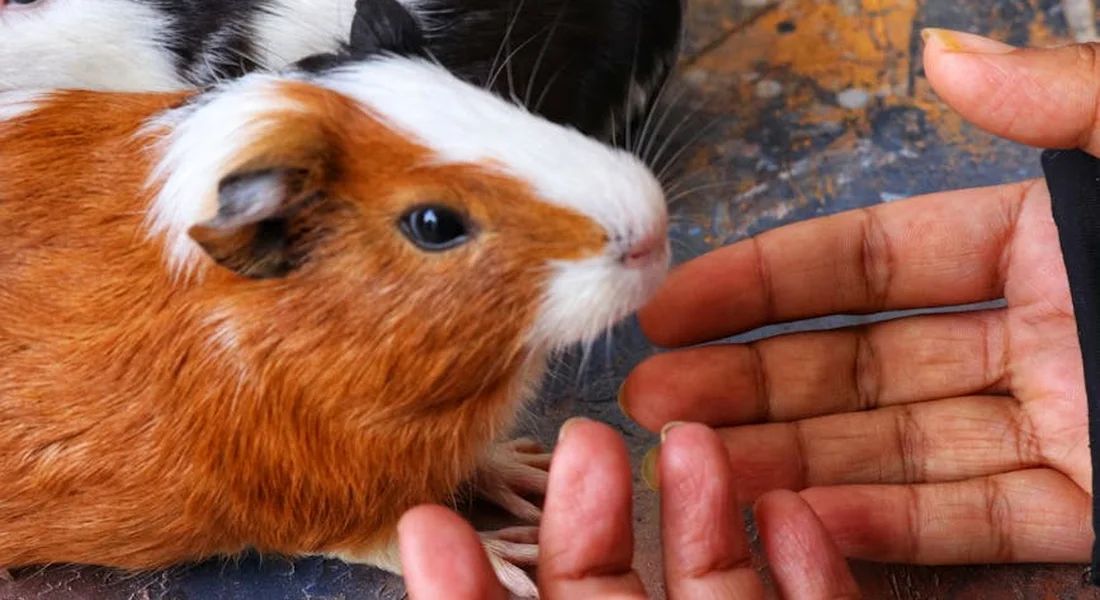
Emergencies can strike suddenly, so having a plan in place is key to protecting your pet’s well-being. I’ve faced scary moments with my guinea pigs, like when Clover showed signs of pain, and knowing where to go made all the difference.
- Identify 24-hour exotic animal hospitals in your area
- Keep emergency contact numbers readily accessible
- Understand common guinea pig emergency symptoms
- Learn about mobile exotic vet and in-home vet options
Start by researching hospitals that specialize in exotics and offer round-the-clock care. I keep a list of nearby clinics saved on my phone, so I’m not scrambling if Biscuit needs urgent help.
Store those numbers in an easy-to-find spot, like on the fridge or in a contacts folder. This simple step ensures you can act fast, which is vital for guinea pigs who hide illness until it’s serious.
Recognize symptoms like lethargy, loss of appetite, or labored breathing. Watching for these signs helped me get Pepper treated early when she seemed off, preventing a bigger health crisis.
Explore mobile or in-home vets for less stressful care options. I’ve found that home visits reduce anxiety for my pets, keeping them calmer during exams and treatments.
Building a Long-Term Relationship with Your Guinea Pig’s Vet
-
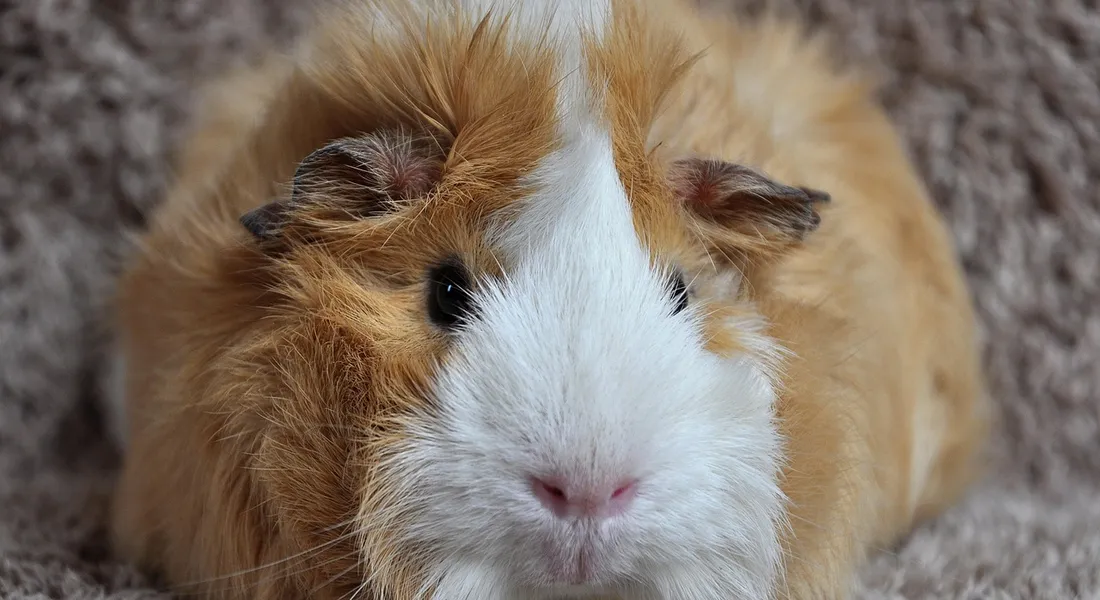
Schedule regular wellness check-ups. Book visits every 6 to 12 months to monitor your guinea pig’s health proactively. With Pepper, my gentle American Guinea Pig, annual exams spotted weight changes early, preventing bigger issues. I make it a habit to note dates in my calendar, so nothing slips by. These check-ups are just one part of a comprehensive care routine that keeps your pet happy and healthy.
-
Maintain open communication about your pet’s behavior. Share details like appetite shifts, vocalizations, or unusual movements during vet calls. Clover’s graceful Abyssinian demeanor meant subtle signs, like less popcorn jumping, hinted at discomfort. I keep a small journal to track daily habits and discuss them openly.
-
Follow through with recommended care plans. Adhere to medication schedules, dietary adjustments, or exercise routines your vet suggests. When Biscuit, my reserved Peruvian, needed a special pellet mix, sticking to it boosted her energy and kept her coat lush. Consistency shows your commitment to their well-being.
-
Provide feedback about your experiences. Offer honest insights on what made visits smoother or any concerns post-appointment. After Pepper’s check-up, I shared how a quieter room reduced his stress, and the vet adjusted accordingly. This collaboration ensures tailored care for each unique pig.
FAQs
How much does it typically cost to see a guinea pig vet?
A routine check-up for a guinea pig can range from $50 to $100, but costs vary by location and services needed. Always ask for an estimate upfront and inquire about payment plans or pet insurance to manage expenses. To keep costs predictable, create a realistic monthly and annual budgeting breakdown for routine care, food, and emergencies. This helps you plan ahead and avoid surprises when vet visits or supplies are needed.
Can I consult a guinea pig vet online for non-emergency issues?
Yes, many exotic vets offer telehealth services for advice on diet, behavior, or minor concerns. However, in-person visits are essential for diagnostics like dental exams or urgent health problems.
What’s the best way to find a 24-hour guinea pig vet near me?
Search online for “24-hour exotic animal hospital” in your area and verify their services for small mammals. Keep their contact details handy and confirm they handle guinea pig emergencies before you need urgent care. Regular preventive vet visits are part of a complete care schedule for guinea pigs, typically yearly or as advised by your vet. These checkups help monitor dental health, weight, and diet to keep your pet healthy.
Where can I find a guinea pig veterinarian in Marin County?
Use directories like the Association of Exotic Mammal Veterinarians and filter for Marin County to find qualified vets. Additionally, check with local guinea pig rescues or pet stores for trusted recommendations in the area.
Are there reliable guinea pig vets in Chicago?
Yes, Chicago has several exotic vet clinics; search online with “guinea pig vet Chicago” and read reviews from other owners. Contact clinics directly to ask about their experience with common guinea pig procedures and emergency availability.
Your Guinea Pig’s Health Partner
From my years with Pepper, Clover, and Biscuit, I’ve found that locating a vet with proven exotic animal expertise is your first step to peace of mind. Always verify their experience through reviews or consultations to ensure they understand guinea pigs’ unique needs. When you bring a new guinea pig home, schedule their first veterinary check-up soon after settling in. This helps establish a health baseline and sets you up with a solid preventive care plan.
Responsible ownership means embracing a lifelong learning journey, where you can explore eco-friendly bedding and toy options that keep your pets and the planet thriving. Stay informed about the latest care practices to provide a safe, enriching home for your furry friends.
Further Reading & Sources
- Guinea Pig Vet Services | Bird and Exotic Animal Clinic
- Exotic Veterinarians
- Find an Exotic Vet Near You | Rabbits, Guinea Pigs, Rodents | AEMV
- Guinea Pig Care Guide | Long Island Avian and Exotic Vet Clinic
Kate is a passionate guinea pig owner and advocate for small pet welfare. With over a decade of experience caring for guinea pigs, she has become a trusted voice in the small pet community.
Uncategorized