15 Deadly Guinea Pig Mistakes New Owners Make
Published on: December 19, 2025 | Last Updated: December 19, 2025
Written By: Kate M. Callahan
Hello CavyFam! Bringing home your first guinea pig is an exciting time, but it’s easy to feel a little overwhelmed. You want to provide the perfect home, but you’re not sure where to start or what hidden dangers to avoid.
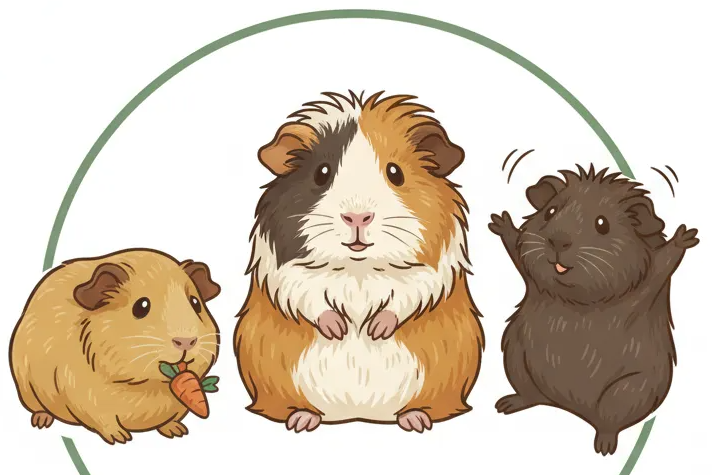
In this guide, we’ll cover the critical missteps that can harm your new friend, from improper diet and nutrition, dangerous cage setups, incorrect handling techniques, neglecting vital social needs, to overlooking subtle health warning signs. I’ve learned these lessons firsthand through years of caring for my own trio of piggies-Pepper, Clover, and Biscuit.
Housing Errors That Compromise Your Pet’s Well-being
Choosing the right home for your guinea pig is one of the most critical decisions you’ll make. I learned this the hard way when I first brought Pepper home and quickly realized his initial cage was far too small for his energetic nature. Guinea pigs are active creatures that need space to run, play, and exhibit natural behaviors like popcorning-those joyful little jumps they do when happy.
Cage size directly impacts their physical and mental health. The absolute minimum for one guinea pig is 7.5 square feet, but for two pigs, aim for at least 10.5 square feet to prevent stress and aggression. For a complete space requirements guide on sizing cages for guinea pigs, see our full breakdown. Understanding these numbers helps you plan for growth and comfort. My trio Pepper, Clover, and Biscuit thrive in a large enclosure where they can each find their own cozy corner without feeling cramped.
Common Unsafe Cage Materials and Locations
- Avoid wire flooring, which can cause painful foot injuries and bumblefoot.
- Steer clear of cages with sharp edges or toxic paints that pigs might chew on.
- Never place the cage in direct sunlight, as guinea pigs easily overheat.
- Keep it away from drafty areas like near doors or air vents to prevent respiratory issues.
- Position it in a quiet spot, as loud noises can frighten sensitive pigs like Biscuit.
Proper ventilation is non-negotiable for guinea pig health. Poor airflow traps ammonia from urine, leading to serious respiratory infections that can become life-threatening. I always ensure their living space has good air circulation without being drafty, using a well-ventilated cage design and regular cleaning to keep the air fresh.
Dietary Blunders That Harm Guinea Pig Health
Feeding your guinea pig correctly is more than just offering pellets and veggies. Unlimited timothy hay should make up about 80% of their diet, as it keeps their digestive system moving and teeth worn down naturally. When Clover didn’t get enough hay once, she developed mild digestive slowdown, which was a scary reminder of how vital it is.
Vitamin C deficiency is a silent killer in guinea pigs. Since they can’t produce their own vitamin C, a lack of it leads to scurvy, causing joint pain, lethargy, and bleeding gums. Always include fresh, vitamin C-rich foods daily to avoid this preventable condition.
Unsafe or Inadequate Fresh Greens
- Iceberg lettuce offers little nutrition and can cause diarrhea.
- Avoid high-oxalate greens like spinach in large amounts.
- Steer clear of toxic items such as onions, garlic, or potato tops.
- Stick to safe options like bell peppers, romaine lettuce, and cilantro.
Selecting the right pellets is key to a balanced diet. Choose high-quality, timothy hay-based pellets fortified with vitamin C, and avoid mixes with seeds or colorful bits that encourage picky eating. For water, use a clean bottle checked daily, as bowls can get contaminated easily-I refill Biscuit’s bottle every morning to ensure it’s always fresh.
Mistake: Overlooking Vitamin C Needs
Guinea pigs lack the enzyme to synthesize vitamin C, much like humans, making daily intake essential. Signs of scurvy include swollen joints, reluctance to move, and rough hair coat, which I’ve seen in rescued pigs before they came to me. Catching it early can save your pet from unnecessary suffering.
Adult guinea pigs need 10-30 mg of vitamin C daily, depending on their size and health. Safe food sources include red bell peppers, kale, and broccoli, but vary them to prevent boredom. If diet alone isn’t enough, use vitamin C tablets designed for small pets, crushed into their food, as drops in water can degrade quickly.
Mistake: Improper Feeding Schedules and Portions
Establishing a consistent routine helps your guinea pig feel secure and healthy. Each morning, I provide fresh hay, a small portion of pellets (about 1/8 cup per pig), and a handful of veggies, repeating veggies in the evening for variety. This mimics their natural grazing behavior and keeps their metabolism steady. (Learn more about feeding frequency for guinea pigs).
Toxic Foods to Avoid Completely
- Chocolate or any sugary treats, which can cause digestive upset.
- Dairy products, as guinea pigs are lactose intolerant.
- Avocado pits and skin, which contain persin, a toxic compound.
- Processed human foods high in salt or fat.
Monitoring for dietary imbalances is part of responsible ownership. Watch for changes in weight, poop consistency (firm and oval is ideal), or behavior like reduced activity, which could signal a problem. With Pepper, I do weekly weigh-ins to catch any issues early, ensuring he stays his gentle, steady self.
Social and Handling Missteps That Cause Stress
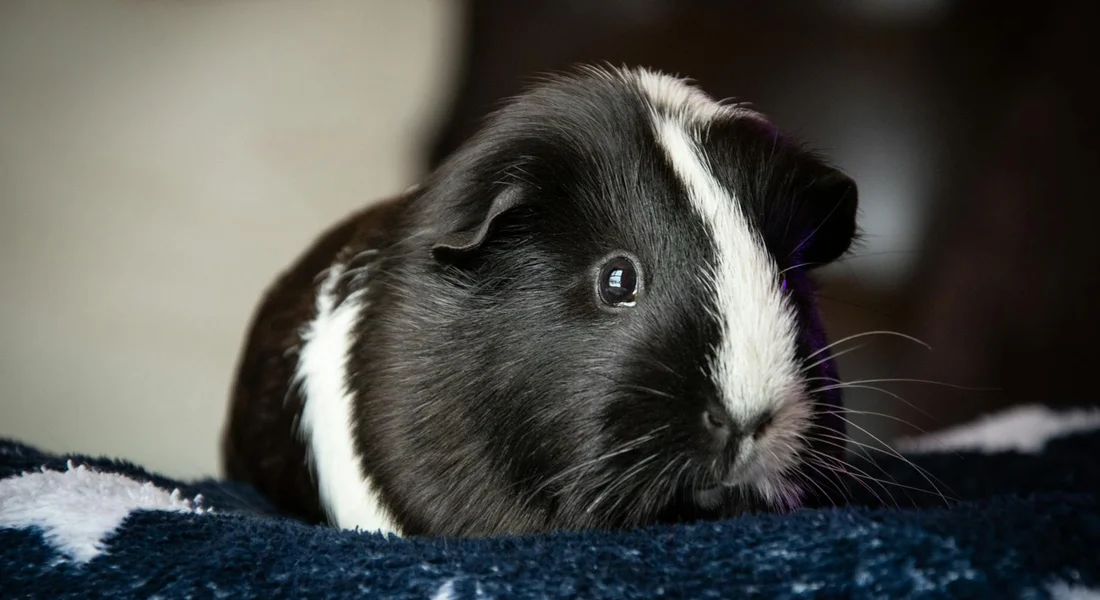
Guinea pigs are herd animals who thrive on companionship. Keeping a single guinea pig is like forcing a person to live in complete isolation, which leads to depression and behavioral issues. I learned this the hard way when my first guinea pig, Pepper, became withdrawn until we introduced Clover.
Proper Introductions for New Friends
Never just drop a new guinea pig into an existing cage. Always introduce guinea pigs in a neutral space where neither has established territory. I use a clean bathroom floor with scattered veggies to distract them. If they start circling, rumbling, or nipping, end the session and try again later. If the aggression continues, separate them and seek guidance for a slower, supervised reintroduction.
- Start with side-by-side cages for a few days
- Progress to short supervised meetings in neutral territory
- Watch for positive signs like nose-touching and shared eating
- Clean the main cage thoroughly before combining them
Handling Errors and Gentle Socialization
Many new owners make these common mistakes when handling their pets:
- Chasing them around the cage (causes terror)
- Grabbing from above (predator behavior)
- Holding too tightly or restricting movement
- Not supporting their entire body
Instead, approach slowly from the front and scoop from below with both hands. My guinea pig Biscuit used to freeze in fear until I learned to let her sniff my hand first and approach on her terms.
Building Trust Through Routine
Socialization happens gradually through consistent, positive interactions. Spend at least 30 minutes daily sitting near their cage, talking softly and offering treats from your hand. Within weeks, my shyest guinea pig began climbing into my lap voluntarily.
Insufficient Out-of-Cage Time and Enrichment
Guinea pigs need more than just a clean cage to be truly happy. A cage is their bedroom, not their entire world – they require daily exploration and exercise. I noticed my guinea pigs’ personalities blossom once I committed to proper playtime. Wondering how to tell if your guinea pigs are happy? Look for relaxed bodies, curious exploration, and cheerful squeaks.
Daily Exercise Requirements
Your guinea pigs need at least one hour of supervised out-of-cage time every single day. I split this into two 30-minute sessions – morning and evening – when my pigs are most active. Curious how much exercise floor time do guinea pigs need? A practical target is about one hour per day, split into convenient sessions.
Create a safe play area by:
- Blocking off dangerous spaces under furniture
- Removing electrical cords and toxic plants
- Using puppy pens or cardboard barriers
- Placing water and hideouts in the play area
Essential Enrichment Items
Beyond just running space, guinea pigs need mental stimulation. Rotate these enrichment items regularly to prevent boredom: For boredom busters, here are 20 safe, engaging enrichment ideas for guinea pigs. These ideas help keep them mentally active and happy.
- Paper bag tunnels and cardboard castles
- Willow balls and chew toys
- Foraging mats with hidden herbs
- Small ramps and platforms (guinea pigs love gentle climbing)
- Different textures like fleece blankets and grass mats
Signs of Boredom and Stress
Watch for these warning signs that your guinea pigs need more stimulation:
- Excessive bar chewing or cage pacing
- Overgrooming or fur pulling
- Lethargy or lack of appetite
- Aggression toward cage mates
- Repetitive circling or head tilting
When I added weekly “obstacle course” days with new layouts, my guinea pigs’ excited wheeking told me everything I needed to know about their improved mental state. Their natural curiosity deserves to be nurtured through varied experiences.
Hygiene and Grooming Oversights With Serious Consequences
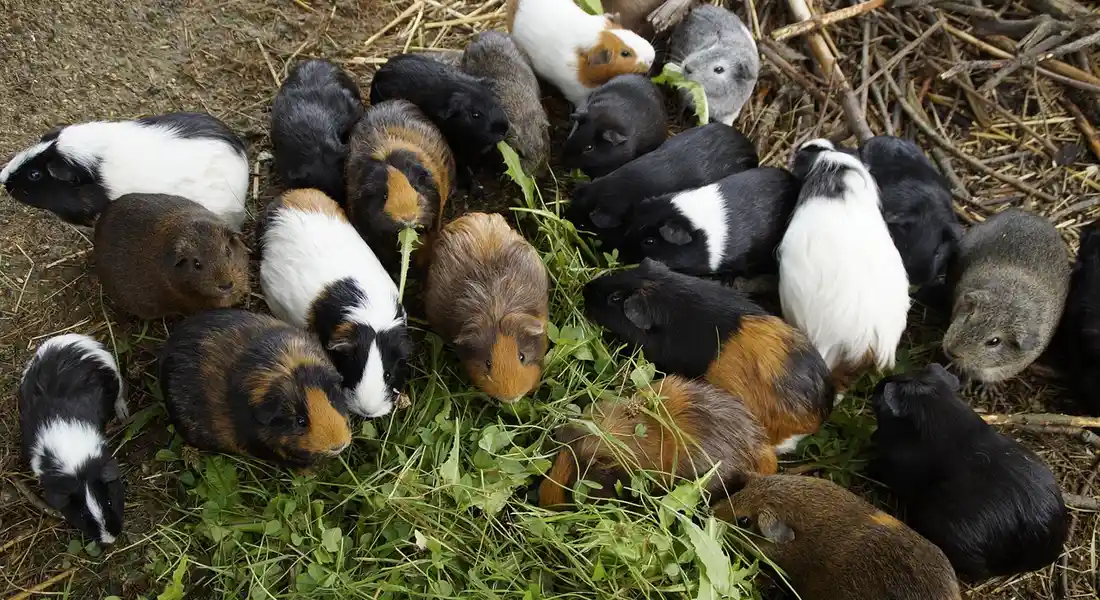
I learned the hard way with my first guinea pig, Pepper, that hygiene isn’t just about a clean-looking cage. Proper cleaning routines prevent serious respiratory infections and painful skin conditions that can develop silently over time.
Your Cage Cleaning Schedule and Method
Guinea pigs are surprisingly messy, and their habitat needs a consistent cleaning rhythm.
- Spot-Clean Daily: I remove soiled bedding and any uneaten fresh veggies every single morning. This simple five-minute task keeps ammonia levels low.
- Full Clean Weekly: Once a week, I completely empty the cage. I scrub all surfaces with a 50/50 white vinegar and water solution, which is safe and effective at cutting through waste.
- Wash Hideys and Bowls: All plastic or ceramic items get a hot, soapy scrub during the weekly clean to prevent bacterial buildup.
A clean cage is your first line of defense against illness, and a consistent schedule makes it a manageable habit rather than a dreaded chore.
Unsafe Bedding vs. Safe, Cozy Alternatives
Choosing the wrong bedding was my biggest early mistake. Some common materials are dangerously toxic.
- Avoid Cedar and Pine Shavings: The aromatic oils in these woods can cause severe liver damage and respiratory distress. I never use them.
- Steer Clear of Clumping Cat Litter: It’s a major ingestion and impaction risk if your piggy decides to nibble on it.
- Skip Scented or Dusty Beddings: Artificial fragrances and fine dust particles are harsh on their sensitive lungs.
For my trio, I stick to these safer options:
- Paper-Based Bedding: It’s highly absorbent, soft on their feet, and virtually dust-free. This is what I use for Pepper, Clover, and Biscuit.
- Fleece Liners: A reusable, cost-effective choice. You’ll need to spot-clean daily and do a full laundry wash weekly.
- Aspen Wood Shavings: Unlike cedar or pine, aspen is generally safe because it doesn’t contain those harmful phenols.
Investing in safe, absorbent bedding protects your guinea pig’s delicate respiratory system from irreversible harm. Within this ultimate guide to safe bedding options for guinea pigs, you’ll learn which substrates keep dust down and moisture under control. We’ll share practical tips for selecting, layering, and maintaining bedding that supports respiratory health.
Nail Trimming: A Non-Negotiable Grooming Task
Overgrown nails can curl into their footpads, causing immense pain and infection. My Abyssinian, Clover, needs trims more often than the others due to her faster nail growth.
- Frequency: Check nails every 2-3 weeks. Most guinea pigs need a trim about once a month.
- The Right Tool: Use small animal nail clippers, never human clippers, which can split the nail.
- Finding the Quick: In light-colored nails, you can see the pink blood vessel (the quick). Always cut well in front of it. For dark nails like Biscuit’s, I take off just the very tip of the hook.
- Calm Technique: I have someone hold my piggy snugly with a treat. I work on one foot at a time, speaking softly. If you’re nervous, just do one paw per session.
Regular, calm nail trims prevent a painful emergency vet visit and keep your guinea pig walking comfortably. Learning how to safely trim guinea pig nails without causing injury will ensure a stress-free experience for both you and your furry friend.
Health Monitoring Failures That Delay Critical Care
Guinea pigs hide illness well, so spotting changes early can save their lives. Watch for subtle signs like reduced appetite or less vocal chatter, which often hint at pain or digestive issues.
- Subtle signs: Dropping food, weight loss over days, hiding more than usual, or a dull coat.
- Obvious signs: Labored breathing, discharge from eyes or nose, limping, or prolonged lethargy.
Set a weekly routine to catch problems before they escalate. I always weigh my guinea pigs every Sunday to track any sudden drops that signal trouble.
- Weigh them on a small scale-aim for consistency, not perfection.
- Check eyes and nose for crustiness or wetness, which can mean infections.
- Gently feel their body for lumps or tender spots, and inspect teeth for overgrowth.
- Look at their fur and skin for bald patches or mites, which cause intense itching.
Don’t wait for a crisis to find help. Locate an exotic vet now, as many general vets lack guinea pig expertise, and delays can be fatal.
Mistake: Misinterpreting Normal vs. Dangerous Behaviors
Guinea pigs have quirky habits, but some actions scream for help. Learn to tell playful popcorning from distress twitches-it’s a skill that saved Clover from a respiratory infection.
- Normal: Gentle teeth chattering during grooming, occasional sneezes in dusty hay, or brief naps.
- Dangerous: Constant grinding teeth (sign of pain), wheezing instead of happy wheeks, or refusing favorite veggies for over 12 hours.
If your guinea pig stops eating or shows labored breathing, skip home remedies and call the vet. For minor issues like a single sneeze, monitor for a day, but any repeat means vet time.
I once noticed Biscuit avoiding pellets and acting reserved; a quick vet visit caught early dental issues. Trust your gut-if something feels off, it probably is, and acting fast keeps them safe and comfortable.
FAQs
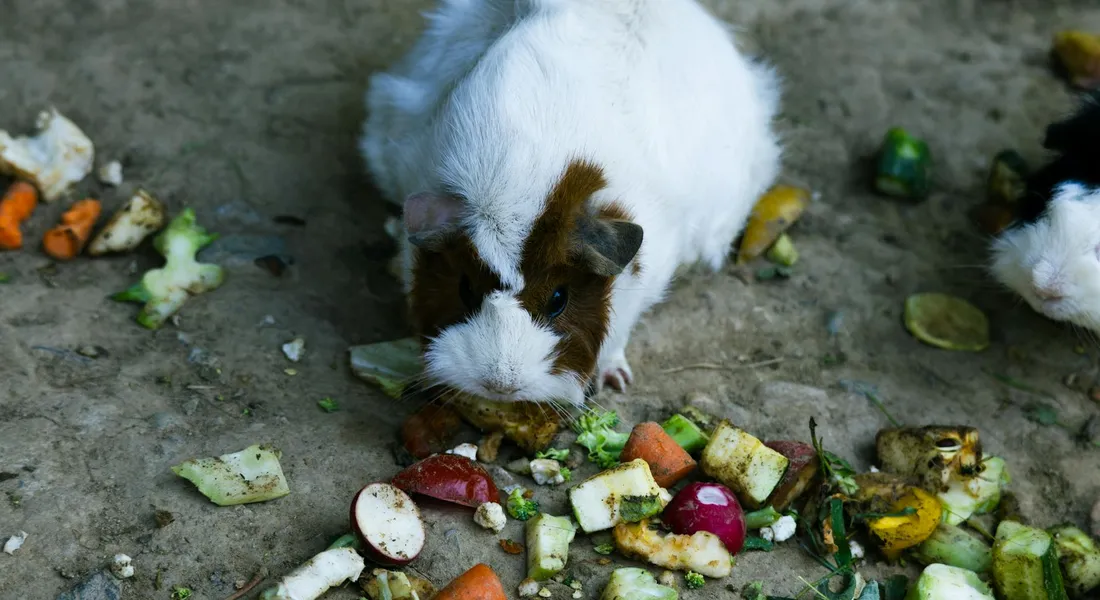
What are signs that a guinea pig’s diet is not balanced?
Look for symptoms like unexplained weight loss, a rough or patchy coat, and irregular droppings. These often point to nutrient deficiencies or digestive imbalances that need addressing.
Why is it important to provide daily hay and what mistakes occur if you don’t?
Daily hay supports healthy digestion and naturally wears down their continuously growing teeth. Skipping it can lead to serious issues like gastrointestinal stasis or dental overgrowth, causing pain and illness.
What mistakes are made during cleaning cages?
Using toxic cleaners or delaying cleanings allows ammonia and bacteria to build up, risking respiratory infections. Always spot-clean daily and do full cleans weekly with safe, vinegar-based solutions.
How often should you trim guinea pig nails and what errors can occur?
Check and trim nails every 3-4 weeks to prevent overgrowth and curling. Common errors include cutting the quick, which causes bleeding, or using improper tools that can split the nail.
What are common mistakes when introducing new guinea pigs to each other?
Placing them together too quickly or in an established cage can trigger territorial aggression. Always introduce in a neutral area and supervise interactions to ensure a smooth bonding process.
Your Journey to Happy, Healthy Guinea Pigs
Ultimately, avoiding these common pitfalls comes down to providing a spacious, safe habitat and a consistent diet of high-quality hay and fresh vegetables. Your thoughtful daily care and gentle handling will build the trust that forms the foundation of their wellbeing.
Responsible guinea pig ownership is a rewarding journey of continuous learning and compassionate action. By choosing eco-friendly bedding and toys, you create a healthier home for your pets and our planet, making every choice count. Proper care also means providing a balanced diet, fresh water, and daily grooming to support their well-being. Regular veterinary checkups and a safe, spacious housing setup help your guinea pigs thrive.
Further Reading & Sources
- 5 Common Mistakes Guinea Pig Owners Make – PetHelpful
- Common Mistakes when Keeping Guinea Pigs – FOUR PAWS International – Animal Welfare Organisation
- 12 Guinea Pig Care Mistakes And No-Nos – Lafeber Co. – Small Mammals
- 20 Mistakes: How to Kill Your Pet – The Guinea Pig Manual
Kate is a passionate guinea pig owner and advocate for small pet welfare. With over a decade of experience caring for guinea pigs, she has become a trusted voice in the small pet community.
Uncategorized