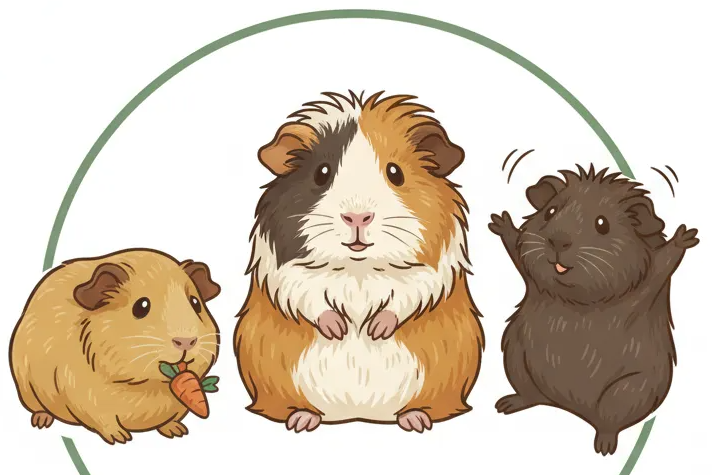
The 7 Biggest Misconceptions About Hairless ‘Skinny’ Pigs
Published on: April 18, 2026 | Last Updated: April 18, 2026
Written By: Kate M. Callahan
Hello CavyFam! Are you drawn to hairless ‘Skinny’ pigs but held back by fears they are fragile or hard to care for? Let me ease your mind-many worries stem from myths I once believed myself.
In this article, I will tackle the top falsehoods, including temperature sensitivity, dietary needs, health risks, grooming demands, behavior quirks, lifespan expectations, and cost concerns. Having raised guinea pigs like my own Skinny pigs Pepper and Clover for years, I can offer trusted advice to help you see these pets in a new light.
Misconception 1: Skinny Pigs Are Completely Hairless
-
Many people assume Skinny Pigs are totally bald, but that’s far from the truth. In reality, these unique guinea pigs often sport fine, sparse hair on their noses, feet, and along their backs, which you can feel as a soft fuzz when you gently stroke them. From my own experience with guinea pigs like Pepper and Clover, I’ve noticed that even the hairless ones have these delicate patches, adding to their charm without making them fully furred.
-
The genetics behind Skinny Pigs set them apart from breeds like my Peruvian Biscuit. They carry a recessive gene that limits hair growth, resulting in their distinctive look rather than a complete lack of fur. This genetic difference means they’re not just “bald versions” of regular guinea pigs but a separate variety with specific care needs, which I’ve learned through years of breeding and caring for these animals. Understanding guinea pig fur types and their characteristics helps explain why Skinny Pigs require different grooming and housing compared to long-haired breeds. It also highlights how coat texture affects temperature tolerance, warmth needs, and overall care.
-
Caring for their skin and partial fur requires attention to detail. I recommend using a gentle, hypoallergenic moisturizer to prevent dryness and protect their sensitive skin from sun exposure, as their sparse hair offers little natural shielding. For animal welfare, avoid harsh chemicals and always handle them with clean hands to reduce irritation, much like I do with my own pigs to keep them comfortable and healthy.
Misconception 2: Skinny Pigs Are Hypoallergenic
-
It’s a common belief that hairless means hypoallergenic, but that’s misleading. Allergies to guinea pigs typically come from proteins in their skin dander and saliva, not just from fur, so even Skinny Pigs can trigger reactions in sensitive individuals. I’ve seen this firsthand when friends with allergies reacted to my pigs, reminding me that no breed is entirely safe for everyone.
-
Comparing allergy risks, furred guinea pigs like my Abyssinian Clover might spread more dander through shedding, but Skinny Pigs aren’t off the hook. Both types produce similar allergens, so if you’re prone to allergies, you could react to either, though furred ones might distribute particles more easily in the air. This insight comes from observing how my pigs interact in our home, where cleanliness plays a big role in minimizing issues.
-
To manage potential allergic reactions, start with simple steps. Wash your hands thoroughly after handling your guinea pig, use an air purifier in their room, and consider consulting a doctor for allergy testing if symptoms persist. For their welfare, maintain a clean habitat with regular bedding changes to reduce dander buildup, just as I do to ensure all my pigs, including the reserved Biscuit, live in a safe, low-allergen environment.
Misconception 3: Skinny Pigs Are More Fragile and Prone to Illness
Many people see their nearly bare skin and assume they are delicate creatures, but that’s far from the truth. My own skinny pig, Biscuit, has proven to be just as hardy as my furry guinea pigs, often leading the charge during floor time exploration. Their lack of fur doesn’t equate to a weak constitution.
Let’s tackle the biggest myth head-on: their disease risk. Skinny pigs are not inherently more likely to catch common guinea pig illnesses like respiratory infections or digestive issues. Their immune system is just as robust as any other guinea pig’s.
Common Skin-Care Issues and Prevention
The primary health focus for a skinny pig is, understandably, their skin. Here are the common issues and how you can easily prevent them.
- Dry Skin: Their skin can lose moisture quickly. I apply a tiny amount of pure, cold-pressed coconut oil to Biscuit’s skin once a week to keep it supple.
- Fungal Infections: A warm, damp environment can invite fungus. Ensure their bedding is always clean, dry, and absorbent.
- Sunburn: They have no natural sun protection. Keep their cage completely out of direct sunlight to prevent painful burns.
- Scratches and Abrasions: Without a fur buffer, they can get minor cuts. Check for sharp edges in their habitat and use soft, fleece bedding.
Prevention is straightforward and becomes part of your regular routine. A quick daily visual check of your pig’s skin takes only a moment but can help you catch any redness or irritation early.
The Non-Negotiable: Regular Vet Visits
This advice holds for all pets, but it’s especially pivotal for skinny pigs. Establishing a relationship with an exotic-savvy veterinarian is the single most important thing you can do for your pet’s long-term health. They can provide tailored advice and spot subtle issues you might miss.
I take all my pigs for a wellness check once a year. This proactive approach gives me peace of mind and ensures my pets, including my skinny pig, live their happiest, healthiest lives.
Misconception 4: Skinny Pigs Require Special Diets
I hear this one all the time, and it’s simply not accurate. The core dietary needs of a skinny pig are identical to those of their furry cousins. The fundamentals of good guinea pig nutrition do not change.
Let’s clear up the most critical point first. Skinny pigs require the same daily dose of vitamin C as all guinea pigs, as their bodies cannot produce it themselves. A deficiency can lead to scurvy, which is a serious health risk.
Minor Nutritional Adjustments for Metabolism
The one small difference lies in their metabolism. Because they use more energy to stay warm, a skinny pig might need a slightly higher caloric intake. This isn’t a special diet, just a slight portion adjustment.
You don’t need to buy special “skinny pig” food. This minor increase is easily managed with a few extra pellets or a little more of their daily fresh vegetables. Monitor their weight to ensure you’re giving the right amount.
Practical Feeding Tips and Food Options
Feeding your skinny pig is simple and rewarding. Here is a practical guide to what their diet should include.
- Unlimited Hay: Timothy hay should make up about 80% of their diet, aiding digestion and dental health.
- Vitamin C-Rich Veggies: Offer a cup of fresh vegetables daily. Bell peppers (all colors) are a fantastic, low-sugar source of vitamin C.
- Quality Pellets: Provide a small, measured amount of high-quality guinea pig pellets fortified with vitamin C.
- Fresh Water: Always have clean water available from a bottle, changed daily.
I avoid sugary fruits and treats with my herd. Sticking to a simple, hay-based diet with fresh veggies has kept all my guinea pigs, from furry Pepper to hairless Biscuit, in excellent condition for years. Hay is essential because guinea pigs’ teeth grow continuously, so constant chewing keeps them worn down. The high fiber aids digestion and helps maintain a healthy gut.
Misconception 5: Skinny Pigs Don’t Need Grooming
Many people assume that with no fur to brush, grooming is unnecessary, but this is far from the truth. A Skinny Pig’s exposed skin requires more attentive care than a furry coat to stay healthy and comfortable. I learned this firsthand with my own guinea pig, Biscuit, whose skin would get dry and flaky if I neglected her routine. A guinea pig grooming guide that covers nail trimming and bathing can help you keep that skin healthy. In upcoming tips, I’ll share practical nail trimming steps and safe bathing basics for Skinny Pigs.
Why Grooming is Essential for Skin Health
Their bare skin produces oils that, without fur to absorb them, can build up and clog pores. This buildup can lead to skin infections, irritation, and uncomfortable dryness if not managed properly. Regular grooming helps remove this excess oil and dead skin cells, keeping their delicate skin in top condition.
Your Skinny Pig Grooming Routine
Establishing a simple, consistent routine makes all the difference. Here are the key steps I follow with my own pets.
Bathing
- Bathe your Skinny Pig once a month, or more often if they get particularly dirty.
- Use a shallow tub with a non-slip mat and lukewarm water.
- Choose a gentle, small animal or kitten shampoo to avoid stripping their natural oils.
- Gently massage the shampoo in and rinse thoroughly, as any residue can cause irritation.
- Pat them completely dry with a soft, absorbent towel immediately after their bath.
Moisturizing
- After bathing and drying, apply a tiny amount of pure, unscented coconut oil or a guinea pig-safe moisturizer.
- Focus on dry areas like their back and rump, but avoid their face and eyes.
- This helps to lock in moisture and prevent their skin from becoming cracked or itchy.
UV Protection
- Their skin is very susceptible to sunburn. Never place their habitat in direct sunlight.
- If they enjoy supervised outdoor time, do so only in a fully shaded area.
- You can also use a small animal-safe sunblock on their back if recommended by your vet.
Monitoring for Skin Problems
During every grooming session, perform a quick health check. Look closely for any red patches, flaky skin, bumps, sores, or signs they are scratching excessively. If you notice scratching, you might wonder why your guinea pig is itching. Common causes include mites, fungal infections, allergies, or dry skin. Catching issues like fungal infections or mites early makes treatment much easier and gets your piggy comfortable again faster.
Misconception 6: Skinny Pigs Cannot Tolerate Cold Weather
While it’s true they lack the built-in insulation of a fur coat, they can live comfortably in cooler climates with the right care. The key is not to avoid cold weather entirely, but to proactively manage their environment for consistent warmth. My pig, Pepper, stays perfectly cozy year-round with a few simple adjustments.
Understanding Their Temperature Sensitivity
Skinny Pigs thrive in temperatures between 75°F and 80°F (24°C – 27°C). Drafts and sudden temperature drops are their biggest enemies, as they can lead to chilling and respiratory illness. You’ll know they are cold if they are huddled, shivering, or less active than usual. To keep them healthy, maintain the ideal temperature range for guinea pigs and monitor for any drafts. A stable environment helps prevent stress and illness.
Creating a Warm and Cozy Habitat
Your main goal is to provide plenty of options for them to burrow and retain body heat.
- Use a deep layer of soft, absorbent bedding like fleece liners or paper-based bedding.
- Provide multiple enclosed hideouts, like fleece “cuddle cups,” wooden houses, or PVC pipes.
- Offer piles of fresh, clean hay-not only for eating but for tunneling into for warmth.
- Consider a pet-safe heating pad placed under one part of the cage, ensuring they can move away from it if they get too warm.
- Keep their cage away from drafty windows, doors, and air conditioning vents.
Balancing Sunlight and Indoor Care
While they need protection from direct sun to prevent burns, a little indirect natural light is beneficial. Place their cage in a room with plenty of ambient, indirect daylight to help regulate their sleep cycles and provide vitamin D. For outdoor excursions, choose a warm, overcast day or ensure their playpen is in deep, consistent shade, and always limit the time to 10-15 minutes while closely supervising.
Misconception 7: Skinny Pigs Have a Shorter Lifespan
Many people assume that because Skinny Pigs lack a protective fur coat, they are more fragile and won’t live as long. This is a complete myth, as a well-cared-for Skinny Pig can easily enjoy the same 5-8 year lifespan as their furry cousins like my Abyssinian, Clover. Their longevity is tied to the quality of their care, not the presence of hair.
Average Lifespan Comparison
In my home, all three of my guinea pigs—Pepper, Clover, and Biscuit—are thriving within the typical guinea pig age range. The key takeaway is that lifespan is not breed-specific but is instead a direct result of consistent, high-quality husbandry. That means the “average lifespan” for a guinea pig is a helpful guideline. With steady, high-quality care, many guinea pigs reach or exceed that range. Here’s a quick look at average lifespans:
- Skinny Pigs: 5 to 8 years
- American Guinea Pigs (like Pepper): 5 to 8 years
- Abyssinian Guinea Pigs (like Clover): 5 to 7 years
- Peruvian Guinea Pigs (like Biscuit): 5 to 8 years
Breeding Myths and Genetic Health
Some of the confusion stems from early breeding practices. Reputable breeders now prioritize robust health and genetic diversity, which has eliminated any inherent weakness in the Skinny Pig lineage. I’ve seen firsthand how selective breeding for health, rather than just appearance, produces vibrant, long-lived pets. The gene that causes hairlessness does not automatically mean a weaker constitution.
Problems only arise with irresponsible breeding aimed solely at novelty. Always choose a breeder who can provide a clear health history for their animals, as this is your best guarantee for a long and healthy life together.
Enrichment and Social Needs for a Long Life
A long life is a happy life, and for guinea pigs, happiness is deeply social. My three pigs demonstrate daily that companionship is non-negotiable for their mental and physical well-being. A lone guinea pig is a stressed guinea pig, and chronic stress from loneliness can absolutely shorten their lifespan.
Beyond a same-species friend, you need to provide a stimulating environment.
- Offer a variety of safe hideouts so they can feel secure and manage their body temperature.
- Provide a constant supply of timothy hay for both nutrition and the endless enrichment of chewing.
- Create a predictable routine for feeding and interaction to minimize anxiety.
- Introduce new, guinea-pig-safe toys regularly to encourage natural foraging and play behaviors.
By focusing on their comprehensive welfare-diet, housing, social bonds, and mental stimulation-you give your Skinny Pig the best possible chance at reaching a ripe old age.
FAQs
Do skinny pigs shed less than other guinea pigs?
Skinny pigs have minimal hair, so they shed very little compared to furred guinea pigs. However, they still produce skin dander that requires regular cleaning to manage. This topic is covered in our dandruff skin health guide, which explains what dandruff looks like and how to support healthy skin in your guinea pig.
Is it true that skinny pigs cannot breed?
Skinny pigs are a fertile breed and can breed successfully under proper care. Responsible breeding practices help ensure healthy offspring and avoid genetic issues.
Are skinny pigs more expensive to care for?
Initial costs may be higher due to needs like moisturizers and temperature control items. Over time, routine expenses align with those of furred guinea pigs if managed well. In the long term, expect ongoing costs for food, bedding, and routine vet care. Planning ahead can help you cover these continued expenses throughout the pig’s life.
Your Path to Happy Skinny Pig Parenting
From my time with Pepper, Clover, and Biscuit, I’ve seen that proper care for Skinny pigs means keeping their skin moisturized and their living space consistently warm to prevent health issues. They thrive on the same social bonds and balanced diet as any guinea pig, debunking myths about easier upkeep.
Commit to lifelong learning and eco-friendly choices, like using biodegradable bedding, to ensure your pets live well and reduce environmental impact. Your dedication to their welfare makes all the difference in creating a safe, loving home for these unique companions.
Further Reading & Sources
- Skinny pig – Wikipedia
- Yucatán Peninsula Hairless Pig – Presìdi Slow Food – Slow Food Foundation
- Hairless Guinea Pigs-Skinny Pigs and Baldwins
- Do Skinny Pigs Make Good Pets? – Vet Help Direct
Kate is a passionate guinea pig owner and advocate for small pet welfare. With over a decade of experience caring for guinea pigs, she has become a trusted voice in the small pet community.
Uncategorized