What is the Ideal Temperature Range for Guinea Pigs?
Hello CavyFam! Are you concerned about how temperature changes might stress your guinea pig?
Getting the climate just right ensures your pet stays healthy and content.
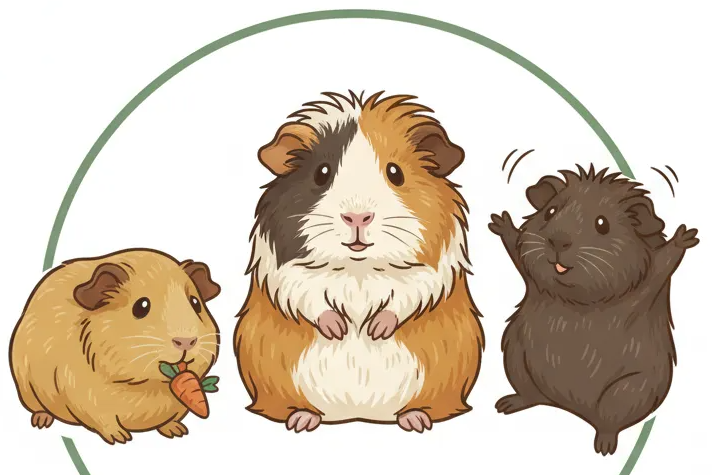
We’ll explore the precise temperature range, signs of temperature-related distress, and easy regulation tips. I share this from my years of caring for guinea pigs like Pepper, Clover, and Biscuit.
The Perfect Guinea Pig Climate: Understanding Their Thermal Comfort Zone
Guinea pigs feel their best in temperatures between 65°F and 75°F, which mimics the mild climates of their native South American habitats. Keeping your pets in this range prevents stress and supports their overall health and happiness. I’ve seen this firsthand with my own guinea pigs, like gentle Pepper, who stays active and content when the room is consistently around 70°F. Their small bodies can’t handle sudden changes, so a stable environment is key to avoiding issues like lethargy or appetite loss, especially during hot weather.
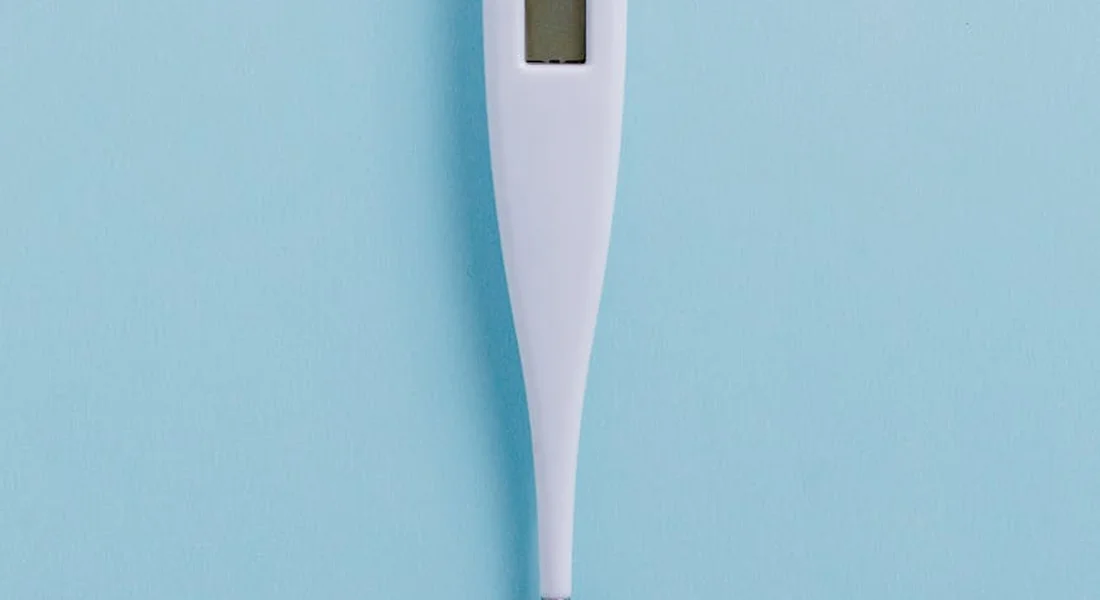
You can think of their comfort zone like a cozy sweater-not too hot or cold, just right for wheeking and exploring. I always check the thermostat daily because even a few degrees off can make a difference, especially for older pigs like thoughtful Clover. Using a simple digital thermometer near their cage helps you monitor conditions easily, and placing it away from direct sunlight or drafts ensures accurate readings.
When Temperatures Shift: Recognizing Signs of Heat and Cold Stress
Spotting the Signs of Overheating
Guinea pigs overheat quickly in warm conditions, and early detection can save their lives. Watch for heavy, open-mouth panting and a sprawled-out posture, as these are clear red flags that your pet is too hot. From my experience, reserved Biscuit once started drooling and refusing veggies during a heatwave, which prompted me to act fast. Other symptoms include red ears, lethargy, and rapid breathing—if you see these, move your guinea pig to a cooler spot immediately. If your pig seems sick beyond heat symptoms, you can follow a complete home troubleshooting checklist to assess hydration, appetite, and overall comfort. This quick guide can help you decide whether you need to call a vet or seek urgent care.
- Panting or breathing heavily with mouth open
- Lying flat and unwilling to move
- Drooling or wetness around the mouth
- Loss of appetite, even for favorite treats
To cool them down, offer fresh, cool water and place a frozen water bottle wrapped in a towel in their cage. I’ve found that misting their ears lightly with water can provide quick relief, but avoid over-wetting their fur to prevent chilling. Always advocate for their welfare by never leaving them in cars or sunny windows, where temperatures spike dangerously fast.
Identifying the Symptoms of Hypothermia
Cold stress is just as risky, causing guinea pigs to become sluggish and vulnerable. Shivering, cold ears and feet, and curling into a tight ball are telltale signs that your pet is too cold. Graceful Clover once huddled in a corner during a chilly night, reminding me to add extra bedding right away. Hypothermia can lead to weakness, slow movement, and even a drop in body temperature below normal, so act quickly to warm them up gently.
- Check for shivering or trembling in their body
- Feel their ears and paws-if they’re icy, it’s a warning
- Notice if they’re less vocal or hiding more than usual
- Look for stiff movements or reluctance to eat
Wrap your guinea pig in a soft, warm towel and hold them close to your body for natural heat. Using a safe heat pad set on low under part of their cage can create a warm zone without overheating the whole area. I always keep extra fleece blankets on hand for my herd, as this simple step has helped steady Pepper through colder snaps without any harm. Understanding their temperature and heating needs is crucial for their well-being.
Creating a Safe Haven: Practical Steps for Temperature Control
Cooling Strategies for Warm Days
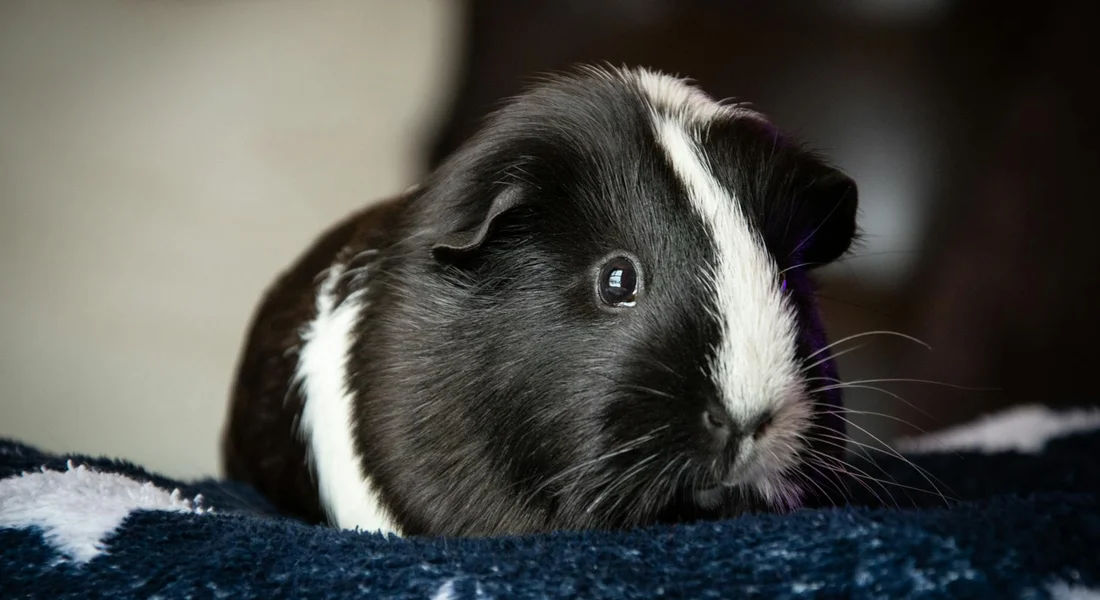
On hot days, I’ve noticed my guinea pig Pepper, who’s golden brown and steady, starts to pant if the room gets too warm. Always provide a cool tile or ceramic hideaway for your guinea pig to lie on, as these surfaces stay cooler than plastic or fabric. You can also freeze water in plastic bottles, wrap them in a thin towel, and place them in the cage for a quick chill spot. Proper care for guinea pigs means monitoring temperature and recognizing signs of overheating. Keeping their living space cool and comfortable is a key part of that care.
- Offer chilled veggies like cucumber slices-my guinea pigs love them, and they help with hydration.
- Use a small fan directed away from the cage to improve air circulation without causing drafts.
- Move the cage to a shaded area if it’s near a window, and avoid direct sunlight during peak hours.
From caring for Clover, my graceful Abyssinian, I’ve learned that misting their ears lightly with cool water can help regulate body temperature safely. Never use ice packs directly on your pet, as it can lead to shock or frostbite-always wrap them first.
Warming Solutions for Chilly Weather
When temperatures drop, Biscuit, my reserved Peruvian, tends to huddle more, so I focus on gentle warmth. Add extra hay or fleece bedding to their enclosure, as these materials trap heat and provide cozy nesting spots. You can also use a pet-safe heat pad placed under part of the cage, ensuring it’s set on low and monitored closely.
- Check for drafts around windows and doors, and use draft stoppers to keep the area stable.
- Provide snuggle sacks or hideouts made of warm fabrics, but avoid anything with loose threads that could cause injury.
- Increase their food slightly, as digestion generates body heat-just don’t overfeed to prevent obesity.
In my experience, keeping the room consistently warm with a space heater on a timer works well, but always test it first to avoid overheating. Guinea pigs can’t regulate their body heat well, so gradual changes are key to preventing stress. Creating a calm, predictable environment helps anxious guinea pigs settle down and reduces stress. Consistency in temperature and routine supports their overall well-being.
Tools of the Trade: Monitoring Your Guinea Pig’s Environment
I rely on a digital thermometer and hygrometer combo to track conditions in my guinea pigs’ space, especially since sudden shifts affect all three of my pets differently. Place the thermometer at cage level to get accurate readings, as temperatures can vary higher or lower than room averages. Look for models with alarms that alert you if it gets too hot or cold-this has saved me from potential emergencies with Pepper’s sensitive nature.
- Use a humidity monitor to keep levels between 40-60%, as high humidity can make heat feel worse and low humidity dries out their skin.
- Consider a Wi-enabled device that sends updates to your phone, so you can check in even when you’re not home.
- Keep a simple journal to note daily temps and your guinea pig’s behavior, like how Clover’s activity changes with the weather.
Regularly calibrate your tools to ensure accuracy, and replace batteries often to avoid gaps in monitoring. Consistent tracking helps you spot patterns and act fast, which is crucial for preventing heatstroke or hypothermia in these small animals.
Caring for Vulnerable Piggies: Young, Elderly, and Unwell
Just like my own guinea pig, Biscuit, who is more reserved and sensitive, some piggies need extra attention to stay comfortable. Young, elderly, or sick guinea pigs are far less able to regulate their body temperature, making them exceptionally vulnerable to even minor temperature swings. Their tiny bodies can’t cope with the stress that a healthy adult might shrug off.
For these special needs piggies, you’ll want to maintain the warmest, most stable end of the ideal temperature spectrum. I always aim for a consistent 75°F (24°C) for my more delicate pig, Clover, as she’s gotten older and a bit more frail. This slight boost in warmth helps conserve their energy for healing and staying healthy.
Extra Steps for Their Comfort
- Provide extra deep, soft hay bedding for them to burrow into for insulation.
- Offer a snuggle-safe heat pad (wrapped in a towel) placed under one corner of the habitat, so they can choose to use it.
- Move their enclosure completely away from drafty windows or air vents.
- Monitor them more frequently for any signs of lethargy or changes in appetite.
When to Seek Expert Help: Guidance from Your Vet
You are your guinea pig’s first line of defense, but a veterinarian is their ultimate health partner. Recognizing when a temperature-related issue is beyond home care is a critical skill for any responsible pet owner. Don’t hesitate to call your vet if you feel unsure; it’s always better to be safe.
I learned this firsthand when Pepper seemed unusually quiet and was sitting in a hunched position, which was a clear departure from his normally steady and gentle personality. Trust your gut-if your guinea pig’s behavior seems off and you suspect the temperature is a factor, a professional evaluation is warranted.
Clear Signs You Should Call the Vet Immediately
- Your guinea pig is shivering uncontrollably or feels cold to the touch.
- They are lethargic, unresponsive, or struggling to move.
- You notice rapid, shallow breathing or panting.
- They have completely stopped eating or drinking.
- Their ears or feet feel excessively hot, indicating a potential fever.
When you call or visit the vet, be prepared to share specific details. Tell them the current room temperature, how long you suspect your pet has been exposed, and any symptoms you’ve observed, no matter how small they seem. This information helps your vet make a faster, more accurate diagnosis and get your furry friend the help they need.
FAQs
What is the maximum temperature guinea pigs can tolerate before it becomes dangerous?
Guinea pigs can start to experience heat stress at temperatures above 80°F. Prolonged exposure to 85°F or higher significantly increases the risk of heatstroke and requires immediate intervention. To keep guinea pigs cool in hot weather, follow summer care tips such as providing shade, good ventilation, and fresh water. These steps help prevent heatstroke and other heat-related illnesses.
What is the lowest safe temperature for guinea pigs without risking hypothermia?
Temperatures below 60°F can lead to cold stress and potential hypothermia in guinea pigs. It’s essential to provide extra warmth and insulation to prevent health issues in such conditions. Guinea pigs do not hibernate; they instead become less active and seek warmth to cope with winter. Understanding this winter behavior helps you protect them during cold months.
What is the ideal guinea pig temperature range in Celsius?
The ideal temperature range for guinea pigs is approximately 18°C to 24°C. This Celsius equivalent helps ensure their comfort and aligns with their natural habitat needs.
How can a guinea pig temperature chart assist in daily care?
A temperature chart can visually display safe ranges and alert zones for quick reference. It helps owners track fluctuations and take preventive actions to maintain a stable environment.
What critical temperature degrees should I monitor to keep my guinea pig safe?
Monitor for temperatures dropping below 60°F or rising above 80°F, as these are critical thresholds. Staying within 65°F to 75°F ensures optimal health and prevents stress-related problems.
Your Guinea Pig’s Happy Temperature Zone
Keep your guinea pigs cozy in a stable range of 65-75°F to prevent health issues and ensure they thrive. In winter, keep the enclosure draft-free and add extra bedding to help them stay warm. A warm hide or cozy nest can also make a big difference on chilly nights. From caring for my own guinea pigs like gentle Pepper and graceful Clover, I always check for shivering or heavy breathing as quick signs they need a temperature tweak.
Stay curious and committed to learning more about guinea pig care to make eco-friendly choices, like using sustainable bedding that’s safe for your pets and the planet. I’ve found that small steps, such as reusing materials for hideouts, not only help the environment but also keep my guinea pigs like intelligent Biscuit content and healthy. In the ultimate guide to safe bedding options for guinea pigs, you’ll find clear comparisons of eco-friendly bedding types and safety tips. It helps you choose options that balance safety with sustainability.
Further Reading & Sources
- AC Aids • GUINEA PIGS – Temperature
- Guinea Pig Temperature Ranges | Guinea Pig Health | Guinea Pigs | Guide
- Winter and Summer Care – The Guinea Pig Manual
- r/guineapigs on Reddit: Temperature range
Kate is a passionate guinea pig owner and advocate for small pet welfare. With over a decade of experience caring for guinea pigs, she has become a trusted voice in the small pet community.
Uncategorized