Can Guinea Pigs Climb or Escape from Their Cage? (Safety Guide)
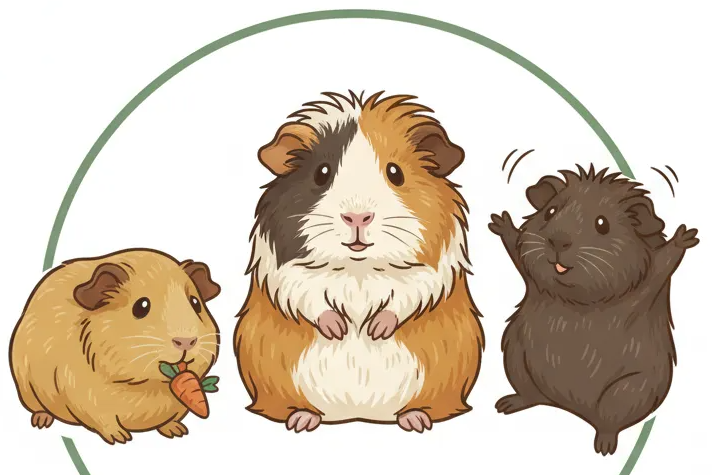
Hello CavyFam! Have you ever glanced at your guinea pig’s cage and wondered if those little paws could scale the sides or if a clever escape is just one hop away? That nagging worry is something I’ve felt too, especially with my curious crew-Pepper, Clover, and Biscuit-always exploring their space.
In this guide, I’ll break down the facts and share practical tips to keep your cavies safe and sound. We’ll explore guinea pigs’ climbing abilities, common escape risks, easy prevention methods, and real-life insights from my own herd. With years of hands-on experience caring for guinea pigs, including my trio with their unique personalities, I’ve learned what truly works to prevent escapes and ensure their well-being.
Can Guinea Pigs Climb?
Guinea pigs are not natural climbers like some other small pets. Their stout bodies and short legs are built for scurrying across flat ground, not scaling vertical surfaces. Their body structure simply lacks the agility and gripping power needed for serious climbing.
You might see them attempt to scale a low ramp in their cage or try to pull themselves up a few cage bars with their front paws. These are typically short, clumsy efforts. What they can manage are gentle inclines, but walls, trees, or any steep surface are completely unsafe and beyond their ability.
From watching my own herd-Pepper, Clover, and Biscuit-during floor time, I see this firsthand. They’ll enthusiastically climb over a soft, low pillow or a shallow cardboard box tunnel. My graceful Clover sometimes puts her front paws on a low ledge, but she never actually hoists her full body up. It’s more of an inquisitive stretch than a genuine climbing attempt.
This table helps clarify what activities are within their scope versus what they simply cannot do.
| Climbing-like Activities They *Might* Try | Non-Climbing Activities They Excel At |
|---|---|
| Pulling up on low cage bars | Running through tunnels and hideys |
| Navigating a very low, gentle ramp | Burrowing into soft hay or fleece |
| Stepping onto a low platform or pillow | Popcorning (happy jumps) on flat ground |
Can Guinea Pigs Escape Their Cage?
While they can’t climb out, guinea pigs are surprisingly clever at finding other ways to escape a poorly secured habitat. Their primary methods involve chewing through weak spots or exploiting gaps in the cage construction. A determined guinea pig will test every corner and seam of their enclosure for a potential exit. To keep them safe while exploring vertical space, use sturdy, non-slip ramps and check for gaps. This safety guide explains how to help guinea pigs use climb ramps safely.
Several factors influence their escape potential. Cage height is crucial; walls that are too low invite an ambitious leap. The material’s durability matters immensely, as flimsy plastic can be gnawed through quickly. Never underestimate a guinea pig’s persistence, especially one motivated by curiosity or the scent of a tasty treat just beyond the bars. A complete guide to guinea pig cage size and space requirements helps you determine how much floor area and vertical space your pet needs. Proper space supports safe exploration and comfortable living.
Some cage designs are more prone to escapes than others.
- C&C Cages with Low Walls: Standard grids are usually safe, but if the wall panels are short, a guinea pig might try to jump or, in rare cases, climb the grid itself.
- Plastic-Bottomed Pens with Weak Latches: These can be chewed at the corners, and a faulty latch is an open invitation.
- Homemade Enclosures with Gaps: DIY cages are wonderful, but any gap wider than an inch can become an escape route for a squeezing guinea pig.
I learned this lesson the hard way with my intelligent but reserved Biscuit. She once found a tiny, overlooked gap where a cable entered her temporary enclosure and managed to squeeze halfway out before I noticed. It was a stark reminder that their round bodies can be deceptively compressible when they want to explore.
Why Do Guinea Pigs Try to Escape?
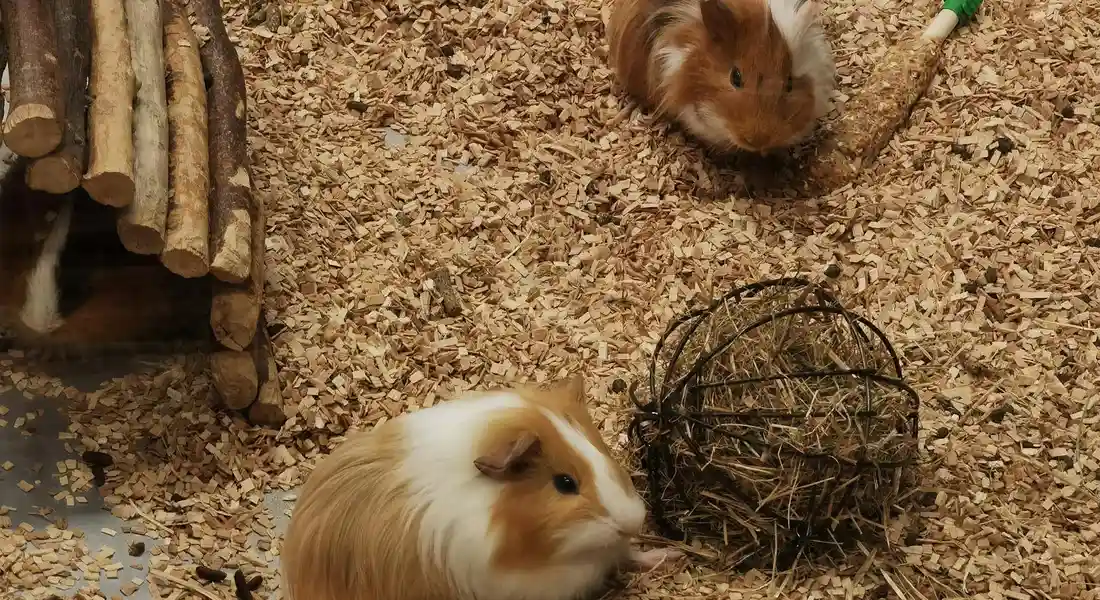
Your guinea pig isn’t trying to be difficult; they’re communicating a need. I’ve learned that escape attempts are often a cry for help, stemming from discomfort or unmet instincts. Think of it as their way of saying, “Something isn’t right in my world.”
My own guinea pig, Biscuit, once became a master of cage rearrangement out of sheer boredom. Observing his behavior taught me that their motivations are often simple but deeply felt. Here are the most common triggers that drive them to seek a way out.
- Boredom and Lack of Enrichment: A cage with just food, water, and bedding is like a blank room. They need tunnels, hiding spots, and safe chew toys to satisfy their curious minds.
- Fear and Stress: Sudden loud noises, like a vacuum cleaner or loud TV, can terrify them. The presence of other household pets near the cage can also make them feel unsafe and desperate to flee.
- Seeking Better Food: Their sense of smell is powerful. If they catch a whiff of fresh veggies from the kitchen, their primary mission becomes finding the source.
- Insufficient Space: Guinea pigs are active and need room to run and popcorn. A cage that’s too small feels restrictive and can prompt escape behavior.
- Loneliness: They are highly social herd animals. A solitary guinea pig may try to escape simply to find a companion.
Clover, my graceful Abyssinian, would freeze and stare intently at the cage door whenever the dog barked. Understanding these core motives transforms how you approach their care, turning frustration into compassionate problem-solving. When you see the world from their perspective, you can create an environment where they feel so content, escape isn’t even a thought.
Signs Your Guinea Pig Is Planning an Escape
Guinea pigs aren’t stealthy criminals; they usually broadcast their intentions if you know what to look for. Catching these early signals is your best defense against a successful great escape. It allows you to address their needs before they take matters into their own paws.
Watch for these specific behaviors that signal a planned breakout.
- Persistent Bar Chewing: This is the most obvious sign. They aren’t just grooming the bars; they are actively trying to gnaw through them.
- Pacing or Patrolling the Perimeter: Your guinea pig will repeatedly walk the same path along the cage walls, inspecting for weaknesses.
- Frequent Cage Inspections: They will nudge, push, and lift corners of huts or ramps, testing for loose panels or a way to burrow under.
- Restlessness at Specific Times: If they become hyperactive every evening when you usually provide veggies, they are anticipating a reward and planning how to get it faster.
Here is a simple step-by-step guide to integrate escape monitoring into your daily routine.
- During morning feeding, spend two minutes quietly observing their behavior. Are they eating calmly or immediately rushing to the cage door?
- In the afternoon, check for physical signs like worn-down teeth marks on cage bars or displaced bedding in the corners from digging.
- As evening falls, note their activity level. A sudden burst of frantic running or climbing could indicate pent-up energy or stress.
Proactive monitoring helps you build a deeper bond and ensures their home is a sanctuary, not a prison. Use this quick checklist to stay ahead of any escape plans.
- Are the cage bars showing new chew marks?
- Is my guinea pig more vocal or skittish than usual?
- Have I provided enough hideaways and toys today?
- Is the cage located in a quiet, low-traffic area?
- Does my guinea pig have a compatible cage mate?
Pepper, my steady American, once started a meticulous campaign of nudging his food bowl against the cage door. Staying vigilant doesn’t mean being paranoid; it means being an attentive and caring pet parent who understands guinea pig language. You’ve got this.
How to Prevent Escapes: A Safety Guide

Secure Cage Lids and Latches
Installing a reliable lid is your first defense against a curious guinea pig like my gentle Pepper. A snug wire mesh top prevents climbing attempts and keeps your pet safely inside.
- Measure your cage dimensions precisely before cutting wire mesh to fit without gaps.
- Attach the mesh using sturdy C-clips or carabiners that resist prying by determined paws.
- Add a secondary latch if your guinea pig shows interest in nudging the lid open.
Inspect lids weekly for bent wires or loose fasteners that could lead to escapes. Early detection saves you from frantic searches and keeps your guinea pig secure.
From my own setup, I reinforced a loose corner with zip ties after Clover tested it repeatedly. Simple DIY fixes like this add extra security without much cost.
Check for Gaps and Chew Hazards
Guinea pigs naturally chew to manage their teeth, so gaps in cages pose both escape and health risks. Regular gap checks ensure your enclosure stays intact and safe.
- Run your fingers along all cage seams and corners to feel for openings wider than a pencil.
- Seal small gaps with non-toxic silicone or metal patches that resist chewing.
- Replace any plastic parts showing bite marks to prevent ingestion of harmful fragments.
Avoid materials like soft woods or thin plastics that splinter easily. Opt for hardwoods or coated metals to discourage chewing and prolong cage life.
- Scan for loose bars or warped panels each week during cage cleaning.
- Check food bowls and hideouts for sharp edges that might tempt chewing.
- Look for frayed edges on bedding or toys that could be pulled into gaps.
Use Ramps and Enrichment Safely
Ramps offer great exercise but must be designed to limit climbing urges. Place ramps at a low angle to encourage walking instead of scaling.
I built a gentle slope for Biscuit using textured mats to prevent slips. Secure ramps firmly to the cage floor to stop wobbling that might invite escape attempts.
Enrichment ideas like tunnels or low platforms satisfy climbing instincts safely. Rotate toys weekly to keep your guinea pig engaged and less focused on escaping.
- Supervise playtime in a enclosed area away from cage edges.
- Limit ramp height to under 6 inches to reduce fall risks.
- Interact with your guinea pig during out-of-cage time to distract from exploration.
What to Do If Your Guinea Pig Escapes
Immediate Search Steps
Stay calm and start your search in quiet, enclosed spaces where guinea pigs feel safe. Guinea pigs like my reserved Biscuit often hide in dark, cozy spots when scared. To help a new guinea pig feel safe and acclimate, keep handling gentle and establish a quiet, predictable routine. This steady approach helps them explore their new space at their own pace.
- Check under sofas, beds, and bookshelves where shadows provide cover.
- Look inside closets, behind curtains, or in unused planters they might squeeze into.
- Listen for soft squeaks or rustling sounds that give away their location.
Use their favorite veggies or a familiar sound to lure them out. Shaking a treat bag or softly calling their name can coax a hesitant guinea pig into the open. When introducing new people to your guinea pig, let them approach slowly and offer a treat. Keep sessions brief and calm to help them adjust to unfamiliar faces.
- Common hiding spots include piles of laundry, shoe racks, or under kitchen cabinets.
- Set up a trail of leafy greens leading back to their cage for an easy return.
- Keep other pets away to reduce stress and prevent accidental injuries.
Safe Retrieval Methods
Approach your guinea pig slowly with gentle movements to avoid startling them. Crouch down to their level and speak in a soft, reassuring tone to build trust. When they’re calm, you can begin to tame them and gently restrain them for safe handling. Keep their body supported and close to your chest as you hold them.
I once found Pepper tucked behind a bookshelf and used a towel to scoop her up gently. Support their entire body when lifting to prevent squirming or falls.
- Do use a small carrier or box lined with bedding for a secure hold during transport.
- Do offer a treat after retrieval to create positive associations with being handled.
- Don’t chase or grab abruptly, as this can cause stress and potential injury.
- Don’t lift by the scruff or limbs, which can harm their delicate spine.
Sharing a quick story, Clover once darted under the couch, but patience and a piece of carrot brought her out safely. Most escapes end well with calm, methodical actions that prioritize your guinea pig’s comfort.
Enrichment and Alternatives to Climbing
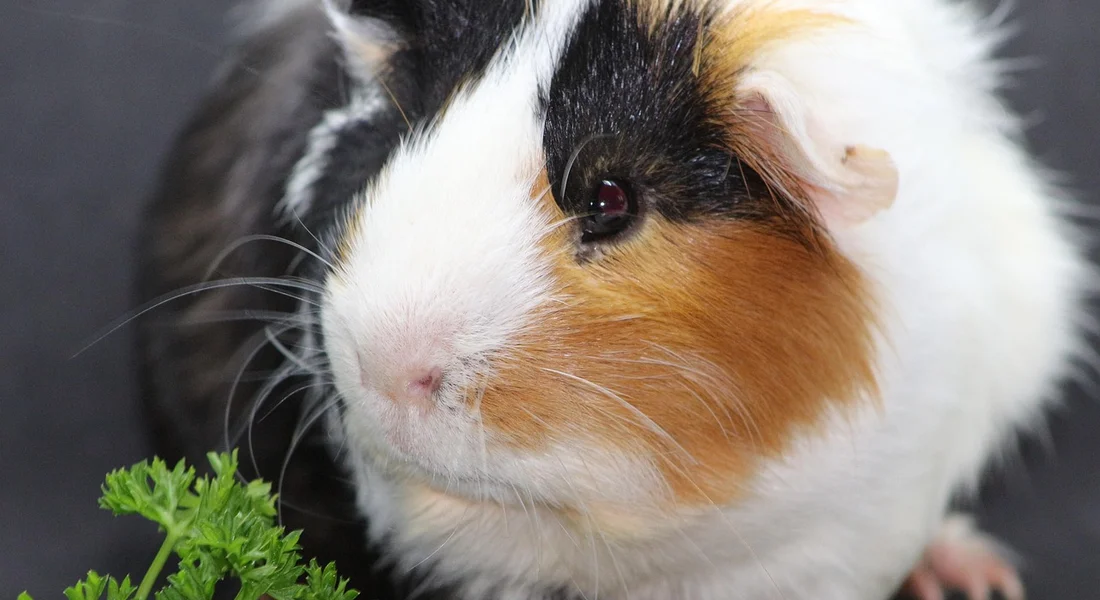
Since guinea pigs aren’t natural climbers, focusing on ground-level fun keeps them happy and secure. I’ve found that a busy guinea pig is a content guinea pig, and they’re far less likely to test their boundaries when their environment is engaging. This approach pairs well with the ultimate guide to guinea pig foraging toys and activities. Foraging-friendly setups—like treat trails and hay tunnels—extend playtime and enrichment.
Safe and Stimulating Activities
Redirect their natural curiosity into safe pastimes that don’t involve scaling cage walls.
- Supervised Floor Time: My trio, Pepper, Clover, and Biscuit, get daily exploration time in a secure, guinea pig-proofed room. This satisfies their need to roam without the dangers of an unsupervised escape.
- Tunnel Systems: Connect cardboard tubes or commercial tunnels to create a mini-maze. I often hide bits of cilantro inside, and watching them navigate the tunnels is a delight.
- Foraging Fun: Scatter their daily pellet ration or hay throughout their enclosure instead of using a bowl. This encourages natural foraging behavior and keeps them mentally occupied for hours.
Enrichment Items that Mimic Climbing
You can satisfy a slight elevation interest without the risks associated with actual climbing.
- Low, Sturdy Platforms: A single, wide platform just a few inches high, with a gentle ramp, gives them a new vantage point. Ensure it has a solid base so they don’t feel unsteady.
- Cozy Lofts and Hideys: Multi-level hideouts with very low heights between levels are perfect. My Peruvian, Biscuit, loves her fleece-covered loft where she can survey her domain safely.
- Natural Textures: Placing a flat stone or a section of untreated, sanded wood plank on the cage floor adds interesting texture and a slight change in footing, which can feel like a mini-adventure.
How Proper Care Curb Escape Attempts
Escape attempts are often a sign of an unmet need, not just mischief. A guinea pig that feels safe, well-fed, and mentally stimulated has little reason to seek an exit from its home. This directly ties into animal welfare; a stressed or bored animal is more likely to engage in risky behaviors. I noticed my gentle Pepper became much more settled once I implemented a consistent routine with plenty of hiding spots.
Simple Guide to a Stimulating Environment
Creating an engaging habitat is simpler than you might think. Follow these steps to build a guinea pig paradise.
- Provide Multiple Hideaways: Each pig should have its own hidey house to retreat to, reducing social stress.
- Rotate Toys Weekly: Swap out tunnels, chew toys, and stuffed paper bags to keep the environment novel and exciting.
- Incorporate Daily Interaction: Hand-feeding veggies or gentle petting during floor time strengthens your bond and provides social enrichment.
- Ensure Constant Access to Hay: A hay rack full of fresh timothy hay is not just food; it’s a primary activity that supports dental health and natural grazing behavior.
## FAQs
What should I do if my guinea pig escapes into the garden?
Search calmly in quiet, sheltered spots like under bushes or near garden walls. Use their favorite vegetables to lure them out and safely guide them back indoors.
How can I make my guinea pig’s outdoor enclosure escape-proof?
Ensure the enclosure has a secure, fitted lid and walls that are high enough to prevent jumping. Regularly check for and block any gaps under the walls or at the seams.
What are the main reasons a guinea pig would try to escape its enclosure?
Escape attempts are often driven by boredom, fear, or the desire to find a companion. Providing ample enrichment, a calm environment, and a cage mate can reduce this behavior.
Are some cage designs more prone to guinea pig escapes?
Yes, cages with low walls, weak latches, or plastic corners that can be chewed are more vulnerable. Opt for designs with sturdy, high walls and secure locking mechanisms.
What is the most effective way to stop my guinea pig from escaping its cage?
The most effective method is to use a cage with a secure, locking lid and to provide plenty of mental and physical stimulation inside. A content guinea pig is less likely to seek a way out. When building the set-up for a perfect guinea pig cage, choose a roomy, sturdy enclosure with safe, non-toxic materials. A well-constructed habitat also makes daily care and enrichment much easier.
Your Guinea Pig’s Safety: A Quick Recap
From my years with Pepper, Clover, and Biscuit, I’ve seen that guinea pigs aren’t built for climbing, but they can still escape if their cage has weaknesses. Always prioritize a secure, well-fitted lid and inspect the enclosure regularly to prevent any surprises. For multi-level cages, ensure ramps are non-slip, gaps between levels are small enough to prevent escapes, and all latches and guards are securely in place. Regularly inspect each tier for wear and tighten any loose connections to keep the setup safe.
Caring for guinea pigs is an ongoing journey that blends love with learning about eco-friendly practices. Simple swaps, like choosing biodegradable bedding, help protect both your pets and the environment for years to come. In this ultimate guide to safe bedding options for guinea pigs, we’ll walk you through the best choices for comfort, safety, and cleanliness. From absorbency to odor control, you’ll find practical tips to pick the right bedding for your tiny companions.
Further Reading & Sources
- Guinea Pigs Cage Safety – Cat, Dog, and Kid Proofing
- Guinea pig housing requirements and bedding options | Humane World for Animals
- Cage Guide | Southern California Guinea Pig Rescue
- Guinea Pig Cages
Kate is a passionate guinea pig owner and advocate for small pet welfare. With over a decade of experience caring for guinea pigs, she has become a trusted voice in the small pet community.
Uncategorized