Guinea Pig Social Needs: Debunking 10 Common Myths
Published on: April 18, 2026 | Last Updated: April 18, 2026
Written By: Kate M. Callahan
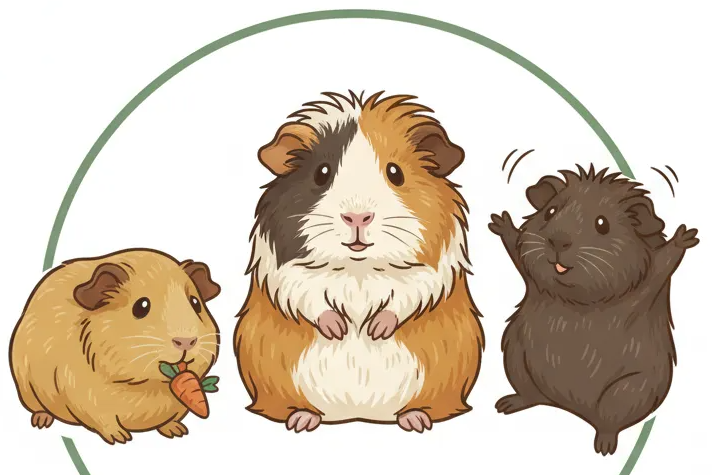
Hello CavyFam! Are you worried your guinea pig might be lonely or that bonding them is too difficult? You’re not alone, and I’ve wrestled with these same questions for my own trio of piggies.
Today, we’ll clear up the confusion by busting myths about loneliness, cage requirements, bonding timelines, mixed-gender pairs, solo pig viability, human interaction, introducing new friends, vocalizations, compatibility, and stress signs.
I’ve learned this through years of caring for my guinea pigs Pepper, Clover, and Biscuit, giving me firsthand insight into what truly works for their social happiness.
The Truth About Guinea Pig Social Needs
Many people mistakenly believe guinea pigs are content living solo, but this myth overlooks their fundamental nature. Guinea pigs are herd animals that thrive on constant companionship for mental stimulation and emotional security. Living alone often leads to chronic stress, which can shorten their lifespan and diminish their quality of life. I’ve seen firsthand how my own guinea pigs, Pepper and Clover, constantly communicate and seek each other out for comfort.
Watch for these clear signs of loneliness or stress in a solitary guinea pig:
- Reduced activity and a noticeable lack of interest in exploring or playing.
- Changes in vocalizations, like excessive, distressed wheeking or unusual quietness.
- Overgrooming or barbering, leading to patches of missing fur.
- Decreased appetite or a sudden lack of interest in favorite veggies.
- Hiding more frequently and for longer periods than usual.
When I first introduced gentle Pepper to the more graceful Clover, their dynamic shifted entirely. Pepper’s steady presence gave Clover the confidence to explore more, while Clover’s thoughtful nature seemed to calm Pepper during noisy moments. Their bond proves that companionship isn’t a luxury; it’s a core requirement for their well-being.
Debunking Pairing and Selection Myths
Several persistent myths can derail successful guinea pig friendships. People often assume pairs must be the same gender, similar size, or identical age. The truth is, personality compatibility matters far more than any of these physical attributes. This means looking at each pig’s temperament—whether they’re bold, curious, or shy—and factoring that into how you pair and introduce them. Understanding temperament helps predict how well they’ll mesh and guides how you manage bonding. A large, calm guinea pig can be a wonderful friend for a smaller, skittish one, providing a sense of security. Age differences can also work beautifully, with a mature pig often mentoring a younger one.
Follow these steps to assess compatibility between potential cage mates:
- Observe their individual personalities first. Is one dominant and outgoing while the other is shy and reserved?
- Arrange initial introductions in a large, neutral space free of hiding spots to prevent territorial disputes.
- Watch their body language closely. Nose-touching and gentle rumbling are good signs, while chasing, lunging, or chattering teeth signal trouble.
- Provide multiple food bowls and hideouts in their permanent shared enclosure to minimize resource guarding.
- Be patient. Bonding can take days or even weeks, requiring consistent, supervised time together.
Another common misunderstanding involves rescue pairs. Just because two guinea pigs arrive together from a shelter doesn’t automatically mean they are a bonded, harmonious pair. They may have simply been housed together out of necessity. To actually bond them, follow a slow, supervised introduction plan. Start in a neutral space with short, monitored sessions to promote a lasting bond. Always evaluate new introductions as if they are meeting for the first time, watching for genuine friendship cues rather than assuming a pre-existing bond.
The Realities of the Bonding Process
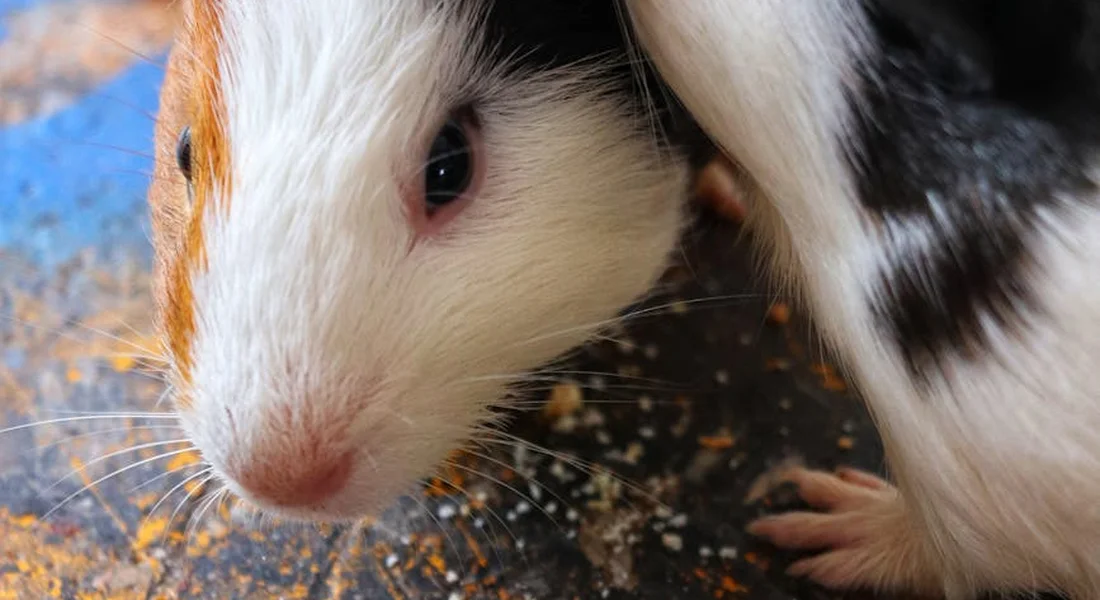
Many new owners believe guinea pigs will bond instantly, but I learned this isn’t true when I introduced Biscuit to Pepper and Clover. Bonding takes time and patience, not magic moments. So, how long does it take for guinea pigs to bond with each other? It typically takes days to weeks of gradual introductions for a lasting bond to form.
Follow these steps for safe introductions in a neutral area to reduce stress and conflicts.
- Pick a neutral space like a clean playpen or bathtub where no guinea pig has claimed territory.
- Place fresh hay and veggies in the center to encourage positive interactions over food.
- Supervise closely for 15-30 minutes, watching for signs of curiosity rather than aggression.
- If they explore calmly, repeat short sessions daily until they seem comfortable together.
- Only move them to a shared cage after several successful meetings without serious fights.
During bonding, you’ll hear squeaks and thumping-these are normal. Squeaks often mean excitement or mild protest, while thumping signals fear or warning to back off. Step in if you see biting, chasing, or loud teeth chattering, but let minor squabbles resolve on their own to build their social skills.
Understanding Guinea Pig Communication and Conflict
Guinea pigs use sounds like chattering and rumbling to express themselves. For new owners, this is a quick guide to interpreting these common sounds. Chattering teeth usually show irritation or a “stay away” message, while low rumbling can indicate dominance or mating interest. I’ve noticed Clover rumbles softly when establishing order with Biscuit.
Arguments don’t always mean bonding has failed. Minor conflicts help establish a healthy hierarchy, so don’t panic over every disagreement. If fights get intense, separate them briefly, then reintroduce in a neutral space with distractions like toys or treats. Always provide multiple hideouts to give each pig a safe retreat.
From my own herd, I’ve seen Pepper gently groom Clover’s fur, which shows trust and strengthens their bond. Grooming and shared naps are clear signs of successful social integration, even if they occasionally bicker over the best veggie piece. Observing these behaviors helps you support their unique personalities and needs.
Ensuring Long-Term Social Harmony
Many believe that once guinea pigs are bonded, the work is done. My own trio—Pepper, Clover, and Biscuit—taught me that social harmony is a continuous journey, not a final destination. That bond is meant to be nurtured for years—a true long-term relationship with your guinea pigs. With patience and daily care, you can strengthen that bond. They’ve had their subtle disagreements, reminding me that even the best friendships need a watchful eye.
Myth: A Bonded Pair is Permanent and Self-Regulating
This is a dangerous assumption. Guinea pig relationships can change with age, health, or even environmental shifts, requiring your constant, gentle observation. I’ve noticed Clover becoming more assertive as she’s gotten older, which sometimes puts gentle Pepper on edge.
- Watch for subtle signs like one pig consistently hiding or avoiding the food bowl when others are near.
- Listen for prolonged, unhappy rumbling or teeth chattering, which signals tension.
- Weigh your pets weekly; a sudden weight loss in one can be a sign of social stress and bullying.
Creating a Stress-Free Group Environment
A cramped or boring cage is a recipe for conflict. Providing ample space and enrichment is the single most effective way to foster peaceful coexistence among your herd. My pigs’ dynamic improved dramatically when I upgraded their living quarters.
- Space is non-negotiable. For my three, a large C&C cage provides room to run, eat, and have alone time.
- Offer multiple hideouts with more than one entrance so no pig gets cornered.
- Place food and water in several locations to eliminate competition over resources.
Personal Insights on Friendship and Safety
Living with my three distinct personalities has been a masterclass in guinea pig sociology. I’ve learned that intervening doesn’t always mean separating them; sometimes, it means thoughtfully rearranging their world. I scatter their veggies instead of using one bowl, which encourages natural foraging and reduces squabbles.
- Always have a small, separate “time-out” cage ready for temporary separation if a serious fight breaks out.
- Introduce new toys and tunnels one at a time to monitor how they share the new enrichment.
- Respect their individual personalities. My reserved Biscuit needs a quiet corner, while sociable Pepper thrives in the main action.
FAQs
Are there myths about guinea pigs bonding with other pets, like rabbits or cats?
Yes, it’s a common misconception that guinea pigs can safely live with rabbits or cats due to their social needs. Guinea pigs have specific communication styles and can be stressed or injured by larger animals, so they thrive best with guinea pig companions. Understanding their needs and compatibility is crucial for their well-being.
What historical mythology exists about guinea pig social behavior?
In ancient Inca culture, guinea pigs were sometimes seen as spiritual beings with social roles in rituals, but this doesn’t reflect modern understanding of their needs. Today, we know they require same-species bonds for well-being, not just symbolic pairings. It’s important to recognize genuine guinea pig bonding behaviors to ensure their happiness.
How can I calculate the ideal cage size for multiple guinea pigs?
Use a simple formula based on guinea pig math: for two pigs, aim for at least 8 square feet, adding 2-4 square feet per additional pig to prevent conflicts. Always prioritize space over minimums to support their social hierarchy and reduce stress.
Your Guinea Pig’s Social Journey
From my time with Pepper, Clover, and Biscuit, I’ve learned that guinea pigs thrive with same-species friends and gentle bonding steps. Focus on providing consistent companionship and safe introductions to build their trust and well-being. They can also form meaningful bonds with their owners when you tune into their emotions—soft voices, patient handling, and predictable routines go a long way. Reading their cues helps you understand what they’re feeling and strengthens the bond you share.
Keep exploring guinea pig care through reliable sources and choose eco-friendly options like biodegradable bedding. Consider consulting the ultimate guide on safe bedding options for guinea pigs to learn what works best. This guide helps you make informed, animal-friendly choices. Your commitment to learning and sustainability makes a real difference in your pets’ lives and our environment.
Further Reading & Sources
- The Social Lives of Guinea Pigs | Habitats For Guinea Pigs – Guinea Pig Cage Company
- How can I socialise my new guinea pig with other guinea pigs and my family? – RSPCA Knowledgebase
- Behavior – Social Animals – Guinea Pig Cages
- r/guineapigs on Reddit: Genuine question
Kate is a passionate guinea pig owner and advocate for small pet welfare. With over a decade of experience caring for guinea pigs, she has become a trusted voice in the small pet community.
Uncategorized