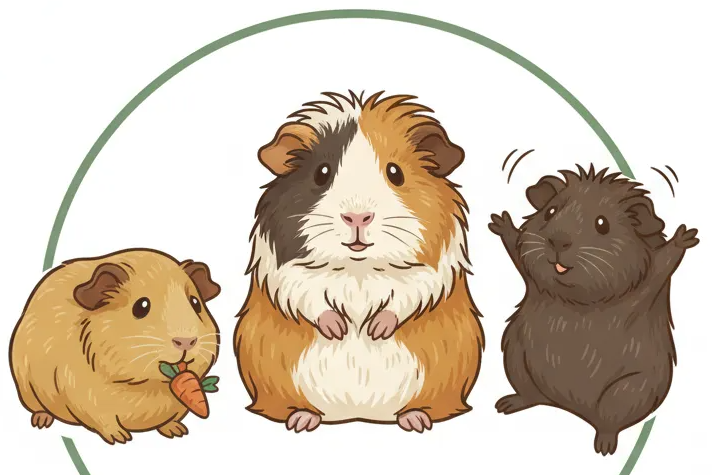
Can Guinea Pigs Live With Other Pets? A Guide to Interspecies Compatibility
Published on: March 30, 2026 | Last Updated: March 30, 2026
Written By: Kate M. Callahan
Hello CavyFam! You’ve probably wondered if your guinea pig can safely share a home with your other furry, feathery, or scaly friends. It’s a natural question that brings both excitement and a touch of worry for your cavy’s well-being.
I’ll guide you through safety considerations, potential risks, and practical steps for introductions to ensure harmony in your multi-pet household. Having raised my own guinea pigs-Pepper, Clover, and Biscuit-I share advice grounded in real-life experience and a deep commitment to animal welfare.
Understanding Interspecies Dynamics: Predator and Prey Instincts
Your guinea pig’s entire worldview is shaped by being a prey animal, and this instinct runs deep. My own guinea pigs, Pepper and Clover, freeze at the slightest unfamiliar sound, a hardwired response to potential danger. This fundamental difference in wiring is the single biggest factor in any interspecies relationship.
Animals like cats, dogs, and ferrets possess strong predatory instincts. A dog’s friendly wag or a cat’s curious stare can be interpreted as a direct threat by your guinea pig, causing immense stress. Even a gentle sniff from a larger animal can trigger a fear response that impacts your guinea pig’s long-term health and happiness. Guinea pigs are particularly sensitive to loud noises and sudden sounds, and they often react with a startle response. They may freeze, dart for cover, or vocalize when exposed to unexpected noise, and the stress can linger long after the sound ends. I’ve seen my most steady pig, Pepper, become a nervous wreck for hours after just hearing a neighbor’s dog bark.
Why You Can’t Ignore These Instincts
- Chronic stress from fear can weaken a guinea pig’s immune system, making them prone to illness.
- Their primary defense is to run and hide; without adequate safe spaces, they feel constantly exposed.
- A “playful” swat from a cat, even without claws, can cause serious injury due to a guinea pig’s delicate bone structure.
Guinea Pigs and Rabbits: A Careful Cohabitation
This is the pairing I get asked about most often, as they seem like natural grassy-field companions. From my experience housing my thoughtful Clover near a friend’s rabbit, I learned that their similarities are often superficial. While both are herbivores, their communication styles and physical needs create a risky power imbalance.
Rabbits are significantly stronger and can inflict serious harm with a powerful kick. They also carry Bordetella bronchiseptica, a bacteria to which they are often immune but can be fatal to guinea pigs. Sharing a living space means sharing germs, and in this case, the cost for your guinea pig is far too high. My friend’s rabbit was perfectly healthy, but we decided separate homes were the only safe option.
A Safer Approach for Rabbit and Guinea Pig Households
If you have both pets, you don’t have to choose between them. You just need a smarter setup.
- Provide entirely separate, secure enclosures where neither animal can access the other.
- Schedule supervised, neutral-territory playtime where both animals can be together without forced interaction.
- Always wash your hands between handling the rabbit and the guinea pig to prevent cross-contamination.
Risks vs. Reality: A Quick Guide
| Potential Risk | Practical Solution |
|---|---|
| Physical injury from a rabbit’s kick or nip | Never house them in the same cage or pen. |
| Transmission of Bordetella and other illnesses | Maintain strict hygiene and separate living quarters. |
| Dietary conflict (rabbits require more alfalfa) | Feed them separately with species-specific food. |
Ultimately, the safest and kindest choice is to appreciate these animals as neighbors, not roommates. This way, both your rabbit and your guinea pig can thrive without the underlying tension of mismatched instincts.
Navigating Life with Cats and Dogs
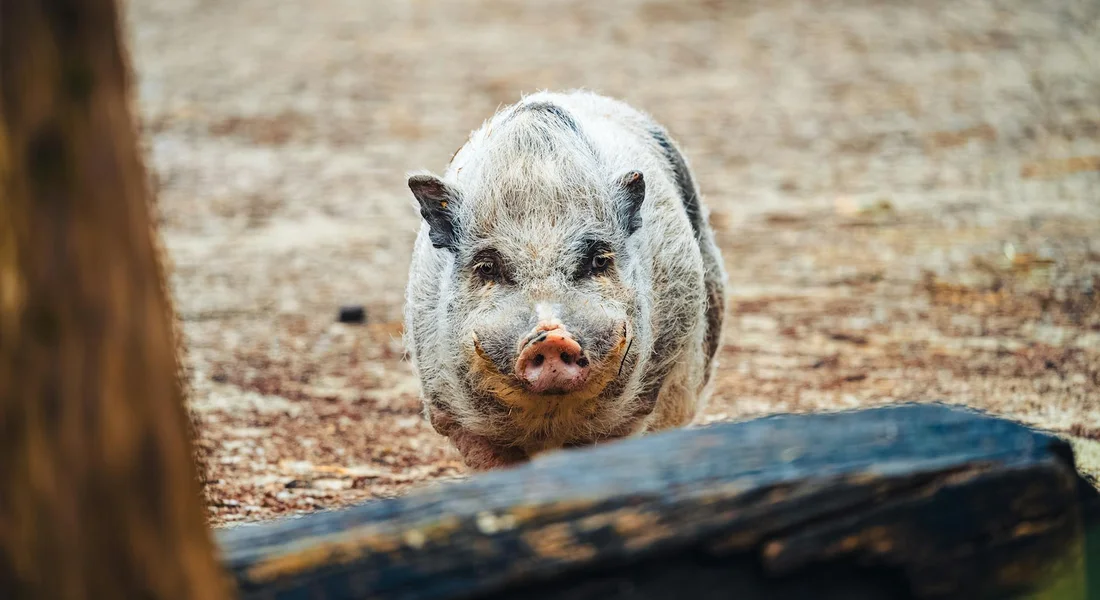
Living with cats or dogs alongside your guinea pigs requires careful planning and constant supervision. I always keep my guinea pigs Pepper, Clover, and Biscuit in a secure, separate enclosure because even the friendliest cat or dog can trigger their prey instincts. From my experience, gradual introductions in a controlled space help gauge reactions without stressing any animal.
Start by allowing your cat or dog to observe the guinea pigs from a distance. Watch for signs of curiosity versus hunting behavior, like stalking or intense staring, which means it’s time to separate them immediately. Use baby gates or high-sided playpens to create safe zones where interactions are brief and fully supervised.
Never assume a calm pet won’t act on impulse. Guinea pigs like gentle Pepper can become terrified by sudden movements, so prioritize their comfort by providing hiding spots in their habitat. I’ve found that rewarding calm behavior in cats and dogs with treats reinforces positive associations over time.
Steps for Safe Introductions
- Place the guinea pig in a sturdy carrier or enclosed pen.
- Allow the cat or dog to approach slowly while leashed or held.
- Limit initial sessions to under five minutes to prevent stress.
- End the interaction if any animal shows fear or aggression.
Compatibility with Other Small Pets: Hamsters, Chinchillas, and More
Guinea pigs often struggle to coexist peacefully with other small pets due to differing social and environmental needs. Hamsters, for example, are solitary and nocturnal, which clashes with the daytime, herd-oriented lifestyle of guinea pigs like curious Biscuit. I’ve seen attempts to house them together lead to fights or neglect, so I always recommend separate living spaces.
Chinchillas might seem like a better match because of their similar size, but they have distinct dietary and temperature requirements. Mixing species can cause competition for resources, increasing the risk of injury or malnutrition for your guinea pigs. In my home, I keep Clover’s area well away from other small pets to ensure she feels secure and unstressed.
Key Differences to Consider
- Hamsters are territorial and may bite guinea pigs.
- Chinchillas need dust baths that can irritate guinea pig respiratory systems.
- Rabbits might carry diseases harmful to guinea pigs without showing symptoms.
If you’re set on multi-pet households, opt for same-species companions. Guinea pigs thrive in pairs or small groups, as I’ve seen with Pepper and Biscuit forming a gentle bond over shared veggies and cozy hideouts. Always consult a vet before introducing any new animal to avoid health risks. It’s also important to consider how many guinea pigs can live together to ensure they have adequate space and comfort.
Recognizing Stress and Ensuring Well-being

Your guinea pig will tell you when they feel uneasy, but you must learn their language. Watch for subtle signs like excessive hiding, refusing favorite veggies, or chattering their teeth—these are clear distress signals. I’ve noticed my guinea pig, Biscuit, will flatten herself against the cage floor when startled, a behavior I now recognize instantly. It’s important to know how to tell if your guinea pig is stressed or anxious.
Changes in eating or drinking habits are major red flags. A sudden loss of appetite or a significant drop in water consumption means your pet is feeling profoundly unsafe. My gentle Pepper once stopped eating his bell peppers for two days after a loud noise, which told me everything I needed to know about his stress level.
Common Stress Behaviors to Monitor
- Freezing in place for extended periods
- Aggressive behavior like lunging or nipping
- Excessive scratching or over-grooming
- Loud, persistent wheeking when no food is present
- Hiding and refusing to come out, even for treats
Creating a Calm Environment
Always provide multiple hiding spots in their enclosure. I use upside-down cardboard boxes with two exit holes so my guinea pigs never feel trapped. This simple setup gives them a sense of security and control over their space, which dramatically reduces anxiety.
Maintain a consistent daily routine for feeding and cleaning. Predictability is comforting for prey animals, and sticking to a schedule helps prevent unnecessary stress. My trio knows exactly when their morning lettuce arrives, and that consistency keeps them calm even when other pets are nearby.
Safe Introduction Protocols and Housing Setup
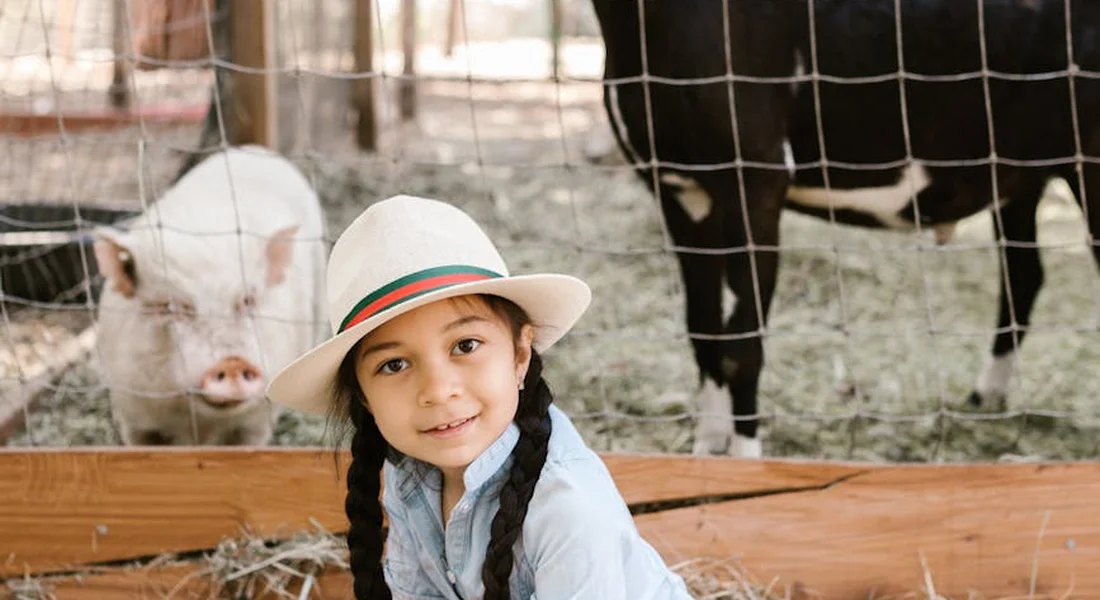
Never attempt direct introductions between species. Always start with scent swapping by gently rubbing a cloth on one animal and placing it near the other’s habitat. I did this for weeks between my guinea pigs and my calm cat, allowing them to become familiar with each other’s smell without any physical risk.
Supervised visual contact through a secure barrier is your next step. Use a sturdy pet playpen or baby gate to create a safe viewing distance where animals can see but not touch each other. Watch their body language closely during these sessions-any signs of aggression or intense prey drive mean you should immediately end the interaction.
Essential Safety Rules
- Always separate animals when you cannot directly supervise
- Ensure guinea pigs have an escape route to their secure enclosure
- Keep predator species like cats and dogs on leash during initial meetings
- Never leave food bowls accessible during interspecies interactions
- Trust your instincts-if something feels wrong, it probably is
Housing Requirements for Multi-Pet Homes
Your guinea pig’s primary enclosure must be completely secure. I recommend solid-sided cages with secure latching lids that other pets cannot access or tip over. The cage should be positioned in a quiet area where your guinea pigs can retreat when they need undisturbed rest. To build the set-up for a perfect guinea pig cage setup, plan a roomy interior with easy-to-clean, non-toxic materials. Ensure good ventilation and straightforward access for daily care and cleaning.
Create designated pet-free zones in your home. Having spaces where only guinea pigs are allowed gives them essential territory they don’t have to share or defend. When deciding where to place a guinea pig cage at home, pick a quiet, stable spot with easy daily access. Avoid drafts, direct sun, and loud appliances. My living room has a gated corner that’s strictly for Pepper, Clover, and Biscuit, which has made all the difference in their comfort level.
Consider the vertical space in your setup. Placing guinea pig habitats on sturdy stands or tables creates psychological distance from floor-roaming pets. This elevation helps reduce direct eye contact and makes your small pets feel less vulnerable to potential predators.
Assessing Your Pets’ Individual Temperaments
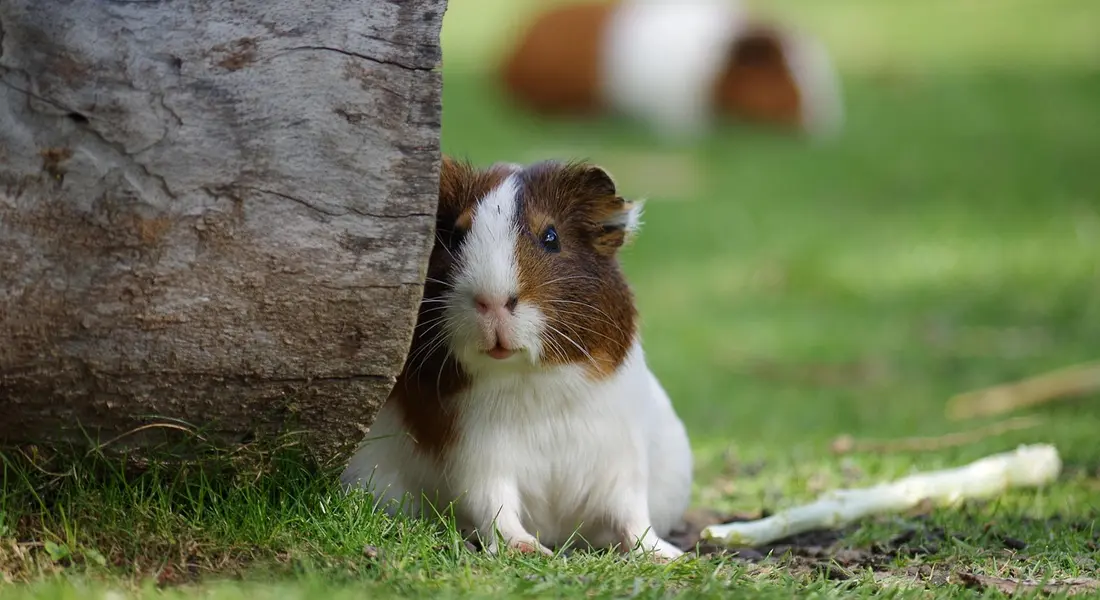
Before any introductions, you must become a keen observer of your pets’ unique personalities. Every animal has its own history, fears, and preferences, which will be the single biggest factor in determining a successful multi-species home. I learned this firsthand with my three guinea pigs; Pepper is a calm, steady presence, while Clover is more thoughtful and cautious, and Biscuit, though reserved, is incredibly smart and notices everything.
Understanding Your Guinea Pig’s Personality
Start by spending quiet time watching your guinea pigs. Note their daily rhythms and how they react to new sounds or movements. My guinea pig Biscuit, for instance, will freeze and watch a cat from across the room, while Pepper might simply continue munching on his hay, completely unbothered. A guinea pig that frequently hides or startles easily will need a much more controlled and gradual introduction process than a bold, curious one. Make sure to help your new guinea pig feel safe and acclimated before exposing them to any new stimuli.
- Age and Confidence: Younger guinea pigs often adapt more quickly, but a calm, older pig like Pepper can provide a sense of stability.
- Breed Tendencies: Abyssinians like Clover can be more active and alert, while Peruvians like Biscuit are often more laid-back.
- Social Hierarchy: Observe how your pigs interact with each other. The dominant pig’s reaction to another species can set the tone for the entire group.
Evaluating Your Other Pet’s Instincts and Energy
Now, turn your attention to your other pet. This assessment requires complete honesty about their natural drives. A dog that loves to chase squirrels or a cat that stalks birds has a high prey drive, which creates a significant and often unmanageable risk for a small animal like a guinea pig. I would never trust a pet with a strong hunting instinct alone with my herd, no matter how gentle they seem with me.
- Observe Play Style: Does your dog play by pouncing? Does your cat’s tail twitch at the sight of small, fast movements? These are clear indicators of instinctual behavior.
- Gauge Energy Levels: A hyper, high-energy dog can terrify a guinea pig simply by its boisterous presence, even without any malicious intent.
- Consider Their Past: A pet that has lived peacefully with other small animals before is a much better candidate than one with an unknown history.
Key Temperament Traits to Look For
When evaluating compatibility, I focus on a few specific, observable traits in my other pets. A calm demeanor, low prey drive, and a general indifference to my guinea pigs’ movements are the golden trio for a potential companion. A dog that can be called away from the guinea pig’s enclosure or a cat that prefers to watch from a high perch are promising signs.
- Curiosity Level: Mild curiosity is normal; intense, fixated staring is a warning sign.
- Response to Commands: Can your dog reliably “sit” or “leave it” when near the guinea pigs’ cage?
- Self-Control: Does your cat or dog get overexcited easily, or can they settle down calmly in the same room?
FAQs
Can guinea pigs live with other pets like dogs or cats?
Guinea pigs can coexist with dogs or cats only under strict supervision and secure housing to prevent stress or injury. Always introduce them gradually in controlled settings and watch for any predatory behaviors. Also, protect the guinea pig cage from other pets by placing it in a safe, off-limits area and using a secure lid. Keep the cage on a sturdy stand or high surface to prevent access by dogs or cats.
How does a guinea pig’s personality affect its ability to live with other pets?
A confident, calm guinea pig may adapt more easily to other pets, while a timid one could become overly stressed. Assessing individual temperaments through careful observation helps determine safe compatibility. Understanding guinea pig personality temperament helps tailor handling and introductions to each animal. This approach also helps match companions and reduce stress.
Are female guinea pigs better suited for multi-pet households than males?
Female guinea pigs are often less territorial and more social, which might ease introductions with other pets. However, proper housing and supervision remain essential regardless of gender to ensure safety. With careful introductions and ongoing supervision, a male and female guinea pig pair can live together safely. Be aware of breeding risks and discuss options with a veterinarian.
Your Path to Harmonious Pet Living
From my time with Pepper, Clover, and Biscuit, I’ve learned that gradual, supervised introductions are non-negotiable for guinea pig safety around other pets. Always prioritize their comfort by providing hiding spots and monitoring body language closely.
Stay curious and keep educating yourself on guinea pig needs to be a better pet parent every day. Simple eco-friendly choices, like using biodegradable bedding, protect your pets and the environment for years to come. For a deeper dive, check out the ultimate guide on safe bedding options for guinea pigs. It covers what materials to choose and what to avoid for a happy, healthy little pet.
Further Reading & Sources
- What Animals Can Be Kept With Guinea Pigs? | The Guinea Pig Forum
- Guinea Lynx :: Companionship
- Guinea pig bonding basics | Animal Humane Society
- Want a Guinea Pig(s) – Compatibility/personality matching – Guinea Pig Cages
Kate is a passionate guinea pig owner and advocate for small pet welfare. With over a decade of experience caring for guinea pigs, she has become a trusted voice in the small pet community.
Uncategorized