Caring for a Pregnant Guinea Pig: A Week-by-Week Health Guide
Published on: April 24, 2026 | Last Updated: April 24, 2026
Written By: Kate M. Callahan
Hello CavyFam! If your guinea pig is expecting, you might feel a mix of excitement and anxiety about her health and the upcoming birth.
With the right care, you can support her through this special time and welcome a healthy litter.
In this guide, I’ll cover essential topics to guide you step by step:
- Recognizing early pregnancy signs
- Weekly development and health milestones
- Diet adjustments for mom and babies
- Safe housing and exercise tips
- Preparing for labor and postnatal care
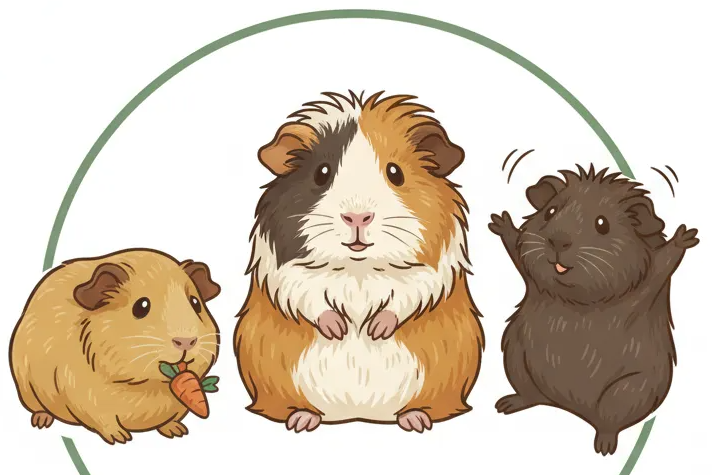
Having raised guinea pigs like gentle Pepper, graceful Clover, and intelligent Biscuit for years, I’ll share practical, experience-based advice to help you feel confident. I’ll also cover how to make your new guinea pig feel safe and acclimated, so they settle smoothly into their new home. With gentle handling and a predictable routine, you can help them feel secure from day one.
Understanding Guinea Pig Pregnancy and Gestation
Caring for a pregnant guinea pig means providing specialized support through a physically demanding time. This journey involves more than just extra food—it’s about creating a stable, stress-free environment for both mom and her developing pups. Proper care is essential during guinea pig reproduction and nursing.
A typical guinea pig gestation lasts between 59 and 72 days, averaging about 65 days. You might notice early signs like a slight increase in appetite or a more rounded abdomen. Watch closely for subtle behavioral shifts, as some sows become more affectionate while others seek solitude. Guinea pigs reach reproductive maturity relatively early, so pregnancy can occur once a female reaches puberty. Breeders and owners often time breeding carefully or keep sexes separated to prevent unplanned litters.
Schedule a veterinary check immediately if you suspect pregnancy. A professional confirmation provides a crucial health baseline and rules out potential complications like false pregnancies. My vet identified a minor weight issue with Pepper early on, allowing us to adjust her diet proactively for a healthier outcome.
Week-by-Week Health and Care Guide
Weeks 1-2: Confirmation and Early Adjustments
These initial weeks focus on gentle transitions. Begin incorporating more fresh, high-quality hay and a small increase in fortified pellets to support early fetal development.
- Weigh your guinea pig at the same time each week using a small digital scale.
- Remove any cage mates to prevent stress and potential injuries.
- Provide multiple hideouts so she can retreat when needed.
- Spot-clean the cage daily to maintain superior hygiene.
- Ensure constant access to fresh water, changing it twice daily.
Weeks 3-4: Visible Changes and Increased Needs
Your guinea pig’s sides will visibly expand as the pups grow rapidly. You might feel gentle movement if you place a hand carefully on her abdomen-always be incredibly gentle.
Her nutritional needs spike significantly during this phase. I increased Clover’s daily vitamin C intake with extra bell peppers and small pieces of orange, which she adored. Handle her minimally and always support her entire body, avoiding pressure on her belly.
Weeks 5-6: Mid-Pregnancy Vigilance
This period demands heightened nutritional awareness. Calcium and vitamin C requirements peak now, so incorporate dark leafy greens like kale and parsley alongside vitamin C-rich vegetables.
- Perform weekly health checks for discharge, parasites, or breathing issues.
- Consult your vet about safe parasite prevention options.
- Monitor her weight gain pattern-sudden changes may signal problems.
- Ensure her environment remains quiet and predictable.
Weeks 7-8: Preparing for Labor
Your guinea pig will begin gathering hay to create a nesting area. Understanding her nesting behavior helps you choose the right bedding. By watching how she nests, you can tailor the setup to support her comfort. Provide ample soft hay and paper-based bedding so she can build a comfortable nest for her impending delivery.
Finalize your maternity cage setup with low-sided access and remove any elevated platforms. Watch for clear signs of approaching labor, including restlessness, pelvic bone separation, and reduced appetite. Contact your veterinarian immediately if she strains for more than thirty minutes without producing a pup, as guinea pigs can need emergency assistance during birth. During the first 8 weeks newborn pups rely on their mother for warmth and nutrition. Keep them in a calm, temperature-controlled environment and monitor nursing and growth.
Essential Nutrition for a Pregnant Guinea Pig
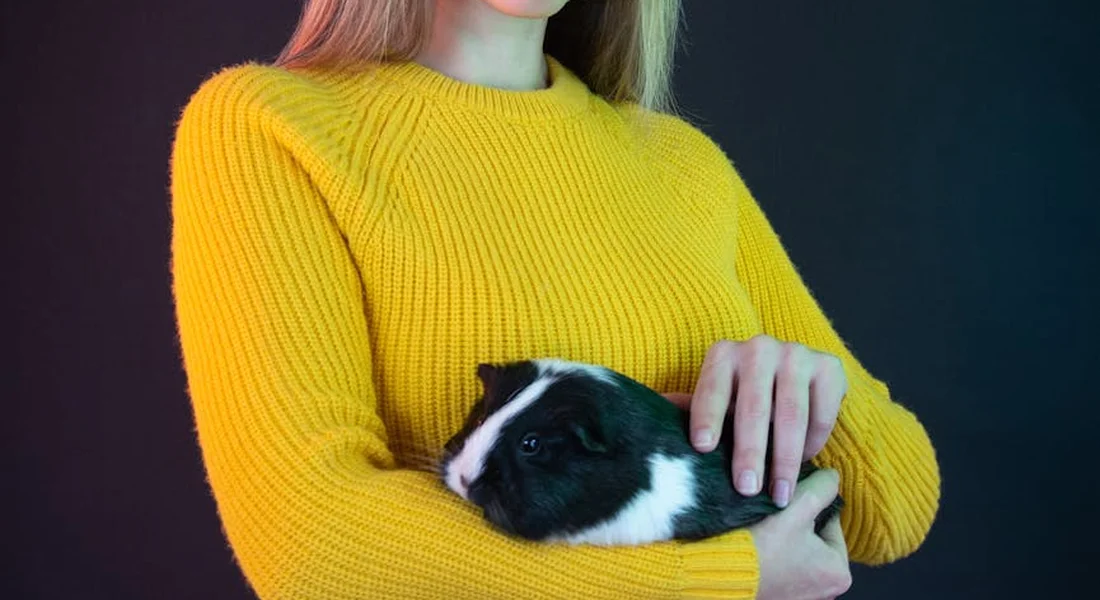
Your pregnant guinea pig’s diet directly fuels her health and her growing pups’ development. I’ve found that focusing on three core food groups prevents most nutritional issues during pregnancy.
- Unlimited, high-quality timothy hay supports digestion and provides necessary fiber.
- Fresh vegetables rich in Vitamin C are non-negotiable; guinea pigs cannot produce this vitamin themselves. Offer bell peppers and kale daily.
- Controlled calcium sources, like a small sprig of parsley, help build strong bones in the pups without risking bladder stones in the mother.
A Sample Daily Diet Plan
This is the general feeding schedule I use for my own pregnant sow, adjusted slightly for her appetite.
- Morning: 1 cup of fresh leafy greens (romaine lettuce, cilantro).
- Midday: 1/8 of a bell pepper (any color) for a Vitamin C boost.
- Evening: A small portion of a calcium-rich veggie, like one broccoli floret or two small parsley sprigs.
- Always Available: A large pile of fresh timothy hay and clean, fresh water.
Hydration is critical, especially as her body works harder. I always provide water in a heavy, tip-proof bowl in addition to a bottle, as some pigs find drinking easier this way late in pregnancy. Check and refresh water at least twice daily.
Foods to Strictly Avoid
Some common foods can be dangerous. I never feed these to my pregnant guinea pigs.
- Iceberg lettuce (offers no nutritional value and can cause diarrhea).
- Potatoes, onions, or any member of the onion family.
- Any sugary fruits or commercial treats; these can disrupt her delicate digestive balance.
Creating a Safe and Comfortable Environment
A calm, secure space is just as important as good food for a pregnant sow. From my experience, a stressed mother is more prone to complications, so creating a peaceful maternity ward is a top priority.
Setting Up Your Maternity Cage
Follow these steps to build the perfect nursery.
- Choose a single-level cage with a solid floor; ramps and levels become difficult to navigate.
- Layer the bottom with a soft, absorbent bedding like fleece or paper-based bedding. Avoid cedar or pine shavings.
- Provide at least two enclosed hideouts, ensuring the entrances are wide enough for her expanding body.
- Place food and water sources close to her favorite resting spot to minimize exertion.
Maintaining Cage Hygiene and Reducing Stress
A clean cage prevents infection and keeps your guinea pig content. I spot-clean my pregnant sow’s cage every single day and do a full bedding change twice a week to ensure a pristine environment. For a complete schedule guide on how often to clean a guinea pig cage, check our step-by-step recommendations. A consistent cleaning routine helps prevent odors and health issues.
Reduce stressors by placing the cage in a quiet part of your home, away from loud TVs, direct sunlight, and other pets. Sudden loud noises can startle her, so try to maintain a predictable, gentle routine around her.
Safe Handling and Minimizing Disruptions
As her pregnancy progresses, her balance and comfort will change. Limit handling to essential health checks only, and always support her entire body, especially her hindquarters. When you do need to interact, move slowly and speak in a soft, reassuring voice. Avoid rearranging her cage furniture unnecessarily, as familiarity provides her with a sense of security.
Recognizing Signs of Labor and Delivery
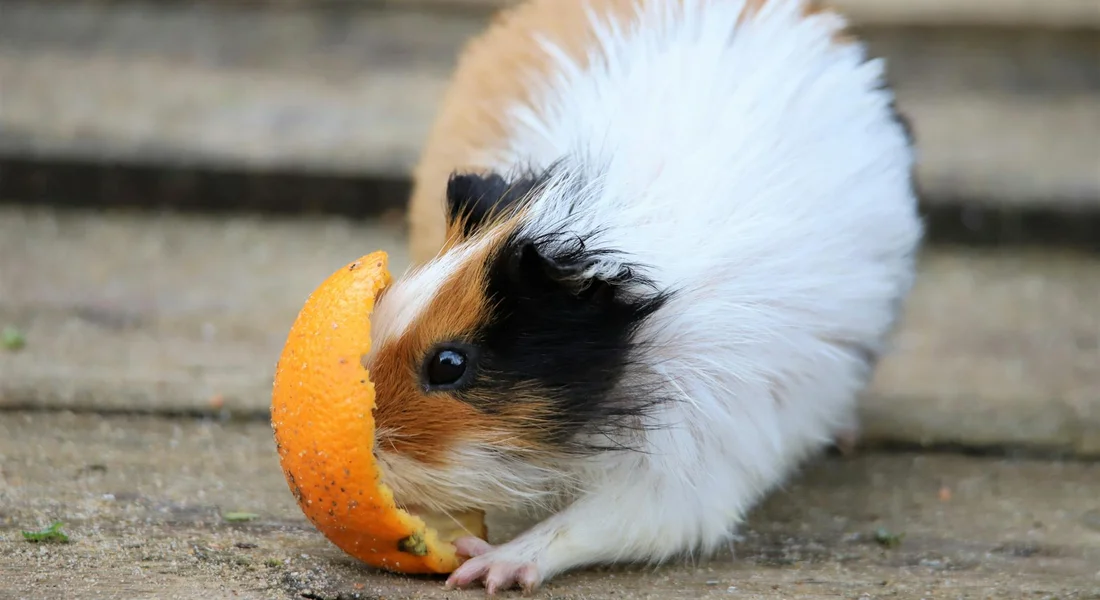
As your guinea pig nears labor, you might spot her gathering hay or paper to build a cozy nest, a clear sign she’s preparing for her pups. To help you tell if your guinea pig is pregnant and what signs come first, here’s a simple guinea pig pregnancy signs timeline from early nesting to birth. Tracking these cues week by week can help you prepare and know when to seek veterinary advice. I remember when Clover, my Abyssinian, started shredding bedding materials a day before giving birth—her instincts kicked in beautifully. Restlessness is another key indicator; she may pace her cage, refuse food, or seem unusually agitated. Physical changes include a noticeable widening of her pelvis and a slight mucus discharge, which I’ve seen in all my pigs, like gentle Pepper and reserved Biscuit.
- Nesting behavior, like piling up soft materials.
- Increased pacing or inability to settle down.
- Visible pelvic bone separation and clear discharge.
During parturition, births often happen quickly, sometimes overnight, with pups arriving headfirst every 5-10 minutes. Keep the area quiet and dim to reduce stress, and only step in if a pup is stuck-gently wipe its nose with a soft cloth to clear airways. Most deliveries go smoothly, but avoid handling the mother unless absolutely necessary to let her focus.
Contact a veterinarian immediately if labor stalls for over 30 minutes, there’s heavy bleeding, or the mother seems in distress. In my experience, quick vet calls saved Biscuit from complications, highlighting why monitoring is vital for animal welfare. Emergencies like prolonged straining or a pup not breathing need professional help fast.
Postnatal Care for Mother and Newborns
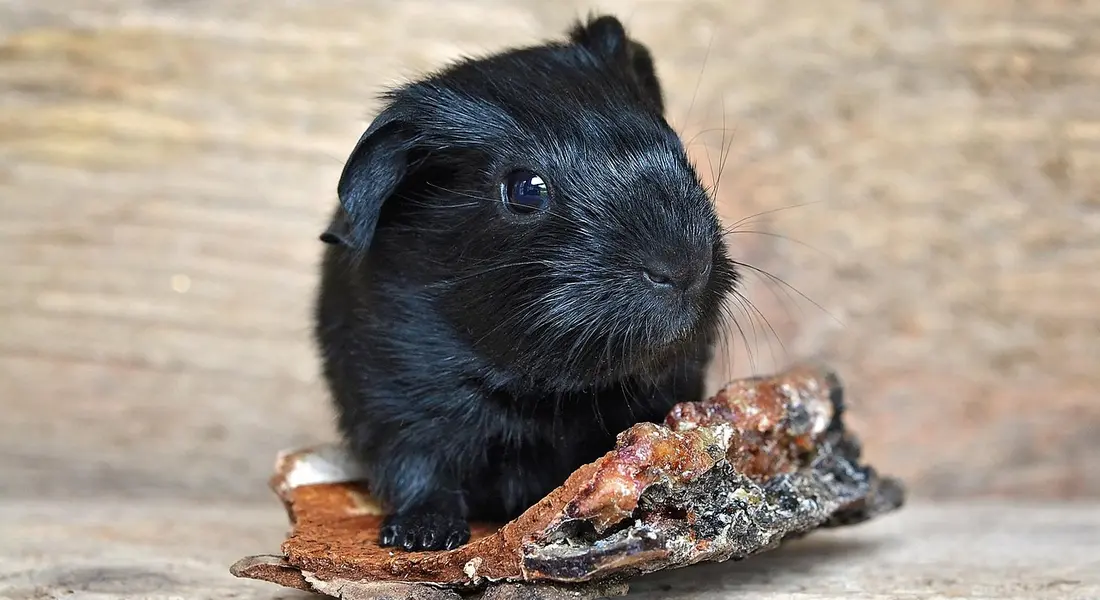
Right after birth, check each pup for breathing and movement, and gently remove any birth membranes if the mother hasn’t. Ensure the mother is cleaning her newborns, as this bonding step is crucial for their survival and warmth. I always inspect the mother for signs of exhaustion or retained placenta, offering her a quiet space to recover-Pepper appreciated extra hiding spots post-delivery.
- Verify pups are active and nursing within hours.
- Monitor the mother for normal eating and drinking habits.
- Keep the cage clean and stress-free to prevent infections.
Bonding starts naturally, but wait at least 24 hours before handling pups to avoid stressing the family. When you do handle them, use slow, gentle motions and support their entire bodies to build trust and prevent injury. Watch for weaning around 3-4 weeks, as pups begin nibbling solid food while still nursing-Clover’s graceful nature made this transition smooth for her litter.
Adjust the mother’s diet to support lactation by increasing vitamin C-rich foods like bell peppers and leafy greens. Provide unlimited high-quality hay and small, frequent meals to keep her energy up and promote healthy pup growth. I’ve found that a balanced diet with fresh veggies helps mothers like Biscuit produce ample milk, reducing the risk of malnutrition in newborns.
Health Monitoring and Handling Complications
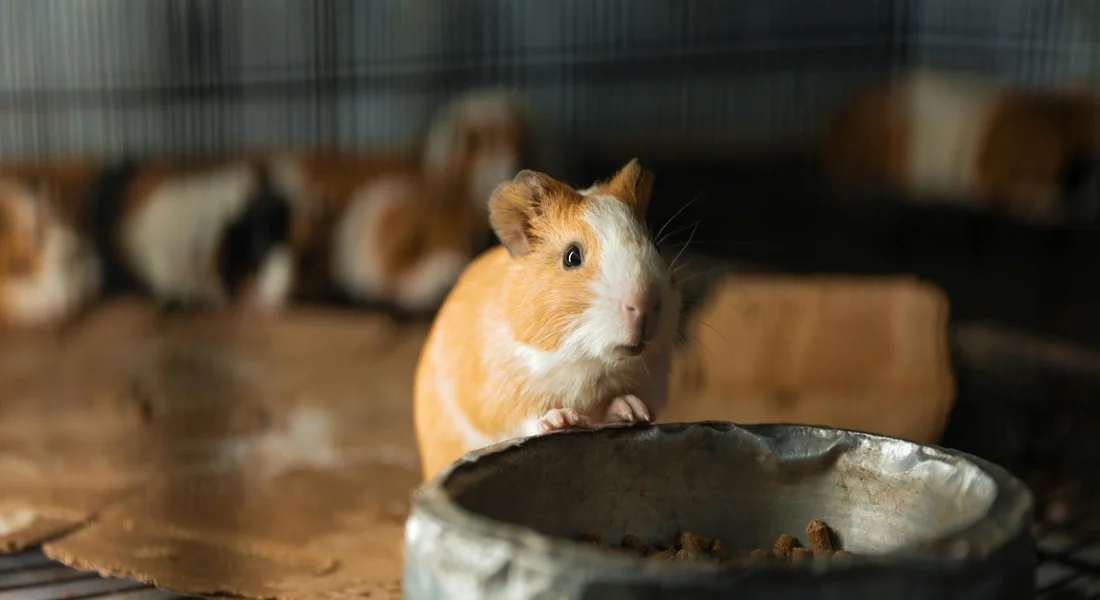
Keeping a close watch on your pregnant guinea pig helps catch issues early and ensures her well-being. During health checks, handle her gently and securely to prevent stress. Regular monitoring lets you spot subtle changes that could signal trouble.
Warning Signs of Pregnancy Complications
Watch for these red flags that might indicate problems during pregnancy.
- Weight loss despite a normal diet
- Lethargy or unusual lack of movement
- Loss of appetite or refusal to eat favorite foods
- Vaginal discharge that is bloody, cloudy, or foul-smelling
- Labored breathing or wheezing sounds
- Visible abdominal pain or swelling
- Failure to nest as the due date approaches
From my time with Clover, I noticed her graceful nature turned sluggish, prompting me to check her weight daily.
When to Seek Veterinary Care
Don’t wait if you observe any of these situations; prompt vet visits can save lives.
- If labor stalls for over 30 minutes with no pups delivered
- Signs of infection like fever, pus, or redness around the genitals
- Heavy bleeding or prolonged straining
- Sudden collapse or inability to stand
- No interest in food or water for more than 12 hours
I once rushed Biscuit to the vet for slight discharge, and early treatment prevented a serious infection.
Reassurance and Stress Reduction Methods
Many guinea pig pregnancies proceed smoothly, but reducing stress supports a healthier outcome.
- Place her cage in a quiet, low-traffic area to minimize noise
- Limit handling in the final weeks to avoid unnecessary pressure
- Offer hiding spots like small boxes or tunnels for security
- Maintain a consistent routine with fresh hay and vegetables
- Use soft bedding to enhance comfort and ease movement
Creating a peaceful space helped Pepper stay calm, and I saw her gentle personality shine through even during busy days.
FAQs
What is pregnant guinea pig care?
Pregnant guinea pig care involves specialized support to ensure the mother’s health and the development of her pups through proper nutrition and a stress-free environment. It includes regular monitoring for any complications and adjustments to diet and housing as needed. Regular vet visits are part of a complete care schedule to monitor health and catch problems early. They help track weight, dental health, and overall wellbeing.
How does pregnant guinea pig care change week by week?
Care evolves weekly, starting with gentle diet increases and hygiene focus in early weeks, then shifting to higher nutrient demands and labor preparations as the pregnancy advances. Each stage requires specific attention to weight, behavior, and environmental safety to support growing pups.
What do week-by-week pictures of pregnant guinea pig care show?
Week-by-week pictures display physical changes like abdominal expansion and nesting behaviors, helping owners track progress and identify normal development. They also highlight key milestones, such as visible movement or nest-building, which indicate health and readiness for birth.
Why is a structured week-by-week approach important for pregnant guinea pig care?
A week-by-week approach ensures timely interventions for the mother’s changing needs, reducing risks like malnutrition or stress-related issues. It helps owners anticipate developments and provide consistent care, leading to a smoother pregnancy and healthier outcomes.
What are common mistakes to avoid in pregnant guinea pig care?
Avoid overhandling the guinea pig, as it can cause stress, and never skip regular vet check-ups to catch potential problems early. Also, refrain from offering unsafe foods or inadequate housing, which could harm the mother or her developing litter. Proper guinea pig care also means keeping a clean, spacious cage and providing fresh water and a balanced diet. Regular, gentle handling and routine veterinary care support their health and well-being.
Your Guinea Pig’s Pregnancy Journey: Final Thoughts
From my years with guinea pigs like gentle Pepper and thoughtful Clover, I’ve seen that weekly health monitoring and a balanced diet rich in hay and veggies are your best tools. Staying observant each week helps you spot changes early, keeping mom and babies safe and healthy.
Responsible pet ownership means always seeking new ways to care for your pets while protecting our planet. Choosing eco-friendly bedding or growing your own greens can make a big difference for your guinea pig’s world and ours.
Further Reading & Sources
- The Guide to Guinea Pig Pregnancy
- How to Care for a Pregnant Guinea Pig (with Pictures) – wikiHow
- How to take care of a pregnant guinea pig – GuineaDad
- Guinea Pig Pregnancy: Key Stages and What to Know | Small Pet Select Blogs | Small Pet Select
Kate is a passionate guinea pig owner and advocate for small pet welfare. With over a decade of experience caring for guinea pigs, she has become a trusted voice in the small pet community.
Uncategorized