Can Guinea Pigs Eat Arugula Safely? Your Quick Guide
Hello CavyFam, you might be eyeing that fresh arugula and wondering if it’s a safe snack for your guinea pig. It’s totally normal to feel cautious about new foods and their potential effects on your pet’s health.
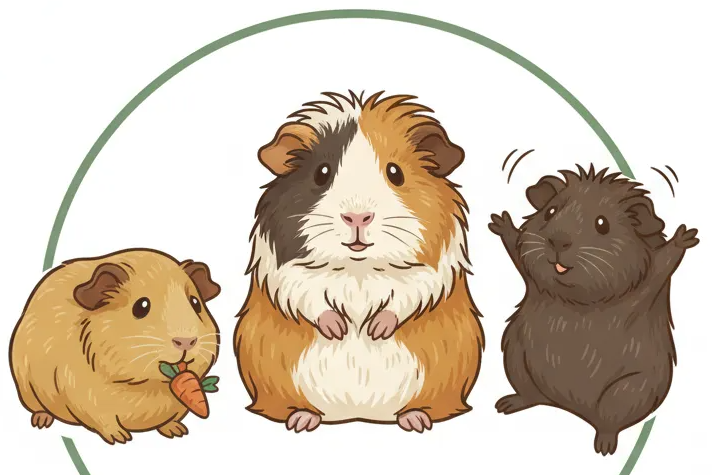
In this article, I’ll cover nutritional benefits, safe serving sizes, preparation steps, and common risks. Having cared for my guinea pigs Pepper, Clover, and Biscuit for years, I share advice rooted in daily experience to keep your furry friends happy and healthy.
Understanding Arugula and Guinea Pig Safety
When I first introduced arugula to my guinea pigs, Pepper, Clover, and Biscuit, I watched them closely for any reactions. Arugula is generally safe for guinea pigs in small, controlled amounts, but overfeeding can lead to health issues like bladder stones due to its calcium content. I always wash it thoroughly to remove pesticides and chop it into bite-sized pieces to prevent choking.
From my experience, guinea pigs have sensitive digestive systems, so I never feed arugula daily. When deciding how often to feed greens, keep arugula as an occasional treat; greens should be offered only a few times a week, with hay making up the bulk of their diet. Limit arugula to a few leaves once or twice a week to avoid digestive upset or urinary problems. If you notice soft stools or lethargy, stop feeding it and consult a vet.
- Wash arugula under cool water to remove dirt and chemicals.
- Remove any yellow or wilted leaves to ensure freshness.
- Serve it raw and uncooked, as cooking destroys nutrients.
- Monitor your guinea pig for signs of discomfort after eating.
Biscuit, my Peruvian guinea pig, initially hesitated to try arugula, but now he nibbles it cautiously. Always introduce new foods slowly to see how your pet reacts, and pair arugula with other safe greens like romaine lettuce for variety. This approach has kept my herd healthy and happy for years.
The Nutritional Benefits of Arugula for Guinea Pigs
Arugula packs a punch of nutrients that support guinea pig health, and I’ve seen it boost my pets’ vitality. It’s rich in Vitamin C, which is crucial since guinea pigs can’t produce it on their own, helping prevent scurvy and strengthen their immune systems. Clover, my Abyssinian, seems more energetic when she gets arugula in her diet.
Beyond Vitamin C, arugula offers a range of vitamins and minerals. This leafy green contains Vitamin K for blood clotting and calcium for strong bones, but balance it with low-calcium foods to avoid excess. I mix it with bell peppers or carrots to create a nutrient-rich meal.
- Vitamin C: Essential for immune function and skin health.
- Vitamin K: Aids in wound healing and bone metabolism.
- Fiber: Supports healthy digestion and prevents bloating.
- Antioxidants: Help reduce inflammation and protect cells.
In my care, Pepper’s gentle nature makes her a slow eater, so I appreciate how arugula’s crisp texture encourages chewing. Compared to nutrient-poor options like iceberg lettuce, arugula provides more vitamins without empty calories. Rotate it with other greens to keep meals exciting and nutritious for your furry friends.
Potential Health Risks of Feeding Arugula
Arugula is generally safe, but like many leafy greens, it carries some risks if fed improperly. The primary concern is its calcium oxalate content, which can contribute to bladder stones in susceptible guinea pigs. My guinea pig, Pepper, has a history of sludge in his urine, so I’m always extra cautious with high-oxalate greens rather than toxic vegetables or fruits.
Calcium and Oxalate Content
Arugula contains moderate levels of both calcium and oxalates. When these two bind together in the urinary tract, they can form painful crystals or stones.
- Calcium: Essential for bone health, but excess is excreted through urine.
- Oxalates: Natural compounds that can bind with calcium.
- Combined Risk: This binding can create crystals, especially in guinea pigs prone to urinary issues.
Clover, my Abyssinian, has never had urinary problems, but I still limit her arugula intake. Observing your guinea pig’s individual health history is the most reliable guide for feeding decisions. Some pigs process these compounds without issue, while others are more sensitive.
Goitrogens in Arugula
Arugula contains goitrogens, substances that can interfere with thyroid function by inhibiting iodine uptake.
- Risk Level: Generally low with occasional, moderate feeding.
- Population at Risk: Guinea pigs with pre-existing thyroid conditions are more susceptible.
- Mitigation: Variety is key. Rotating arugula with other greens minimizes any potential long-term effect.
Biscuit, my Peruvian, is a more reserved eater, so I introduce any new food, including arugula, over several days. Watching for changes in energy, weight, or eating habits helps you catch any adverse reactions early.
Summary of Risks and Precautions
| Risk Factor | What It Means | Precaution |
|---|---|---|
| Calcium Oxalate | Can contribute to urinary sludge or stones. | Feed in moderation, 1-2 times per week maximum. |
| Goitrogens | May affect thyroid hormone production. | Rotate with other low-goitrogen veggies like romaine lettuce. |
| Pesticide Residue | Conventional greens may contain harmful chemicals. | Always wash thoroughly or choose organic. |
From my experience, the biggest mistake is overfeeding. A small, occasional portion of arugula is a tasty treat, but it should never become a daily staple. This approach has kept all three of my guinea pigs healthy and happy.
How to Properly Feed Arugula to Your Guinea Pig
Feeding arugula safely is all about preparation, portion control, and observation. I’ve developed a simple routine that works well for Pepper, Clover, and Biscuit.
Step-by-Step Preparation Guide
- Selection: Choose fresh, vibrant green arugula leaves. Avoid any that are wilted, yellowing, or have slimy spots.
- Washing: Rinse the leaves thoroughly under cool, running water. I use a salad spinner to dry them completely, as excess moisture can cause digestive upset.
- Portioning: For one guinea pig, one or two small leaves is a perfect serving. Tear larger leaves into bite-sized pieces to prevent choking.
- Mixing: Combine the arugula with other guinea pig-safe vegetables. This ensures a balanced nutrient intake and prevents picky eating.
Proper washing is non-negotiable to remove dirt, potential pests, and pesticide residues. I always triple-rinse my greens, as guinea pigs are small and very sensitive to chemicals. Keeping the cage clean is essential for your guinea pig’s health. Here’s a simple, step-by-step guide to cleaning it properly.
Recommended Serving Size and Frequency
Arugula should be a treat, not a main course. Here is the schedule I follow for my herd.
- Frequency: Offer arugula 1 to 2 times per week.
- Serving Size: 1-2 small leaves or a small handful per guinea pig.
- Best Practice: Serve it as part of a diverse veggie mix that includes staples like bell peppers and cilantro.
I never feed arugula two days in a row. Spacing out servings helps prevent any nutrient from building up to a problematic level in their system. Biscuit, in particular, appreciates the variety and explores his food more eagerly when it changes slightly each day.
Mixing Arugula with Other Foods
Creating a balanced “salad” is the best way to feed arugula. This dilutes its stronger compounds and provides a wider range of nutrients.
- Excellent Pairings: Bell peppers (high in Vitamin C), cilantro, romaine lettuce, or a slice of cucumber.
- Foods to Avoid Mixing: Other high-oxalate greens like spinach or beet greens in the same meal.
- Staple Base: Use a low-calcium lettuce, like romaine, as the foundation of the meal.
A diverse diet is the cornerstone of guinea pig health, mimicking the variety they would find in the wild. I watch my trio closely after introducing any new food combination to ensure everyone is tolerating it well. An ideal overall diet for a healthy guinea pig includes unlimited hay, a moderate portion of fortified pellets, and daily servings of leafy greens rich in vitamin C. This balance supports dental wear, gut health, and overall wellbeing.
Recommended Portion Sizes and Feeding Frequency
Getting the serving size right is key to safely incorporating arugula into your guinea pig’s diet. I typically give my guinea pigs, like gentle Pepper, one large arugula leaf or two smaller ones per serving. This is a perfect treat-sized portion that provides variety without overloading their system.
Think of arugula as a flavorful side dish, not the main course. Their primary diet should always be unlimited timothy hay, which is essential for their digestive health and dental wear. There are many foods guinea pigs have access to beyond hay. Fresh vegetables and herbs can rotate in as part of a balanced diet, in moderation. A small handful of high-quality guinea pig pellets and a larger serving of a staple leafy green, like romaine lettuce, should form the core of their daily meals.
I recommend feeding arugula 2 to 3 times per week at most. This frequency prevents the high calcium and oxalate content from building up and causing potential health issues over time. Rotating arugula with other safe greens like cilantro, bell peppers, and endive gives them a wonderfully varied and exciting menu.
Observing Your Guinea Pig After Introducing Arugula
The first time you offer a new food is always a watch-and-learn moment. Carefully observe your pet for any changes in behavior or digestion over the next 24 hours. I always do this with my thoughtful Clover, who can be a bit more sensitive to dietary changes.
Look for these positive signs that the arugula is being well-tolerated:
- Normal, firm poops
- Eager eating of their regular hay and pellets
- Active, curious behavior and happy “wheeking” sounds
- No signs of abdominal discomfort or bloating
You also need to be vigilant for any negative reactions. Stop feeding arugula immediately and consult your veterinarian if you notice any of these warning signs:
- Diarrhea or very soft stools
- A noticeable decrease in appetite
- Lethargy or unusual stillness
- Excessive scratching, which could indicate a mild irritation
Pay special attention to their water consumption and urination habits. Because arugula is rich in calcium, long-term overfeeding can contribute to the formation of painful bladder stones. If you ever see blood in their urine or notice them straining to pee, it’s a definite signal to seek professional veterinary care right away.
Safe and Unsafe Green Alternatives to Arugula
I learned early on that variety is key to a happy guinea pig. My trio—Pepper, Clover, and Biscuit—each have their favorite greens, and rotating them keeps meals exciting and nutritionally balanced. For their guinea pig diet, I focus on safe greens like romaine, cilantro, parsley, kale, and dandelion greens (in moderation), rotating them to keep meals balanced. I wash the greens well and introduce new items slowly to avoid tummy upsets.
Guinea Pig-Safe Greens to Try
These are the staples I regularly offer my herd without worry. They’re packed with vitamins and are generally well-loved.
- Romaine Lettuce: A daily favorite for its high water content and crunch.
- Green Leaf Lettuce: Softer than romaine, a good alternative for sensitive eaters.
- Cilantro: My piggies go wild for the strong aroma and flavor.
- Dandelion Greens: A foraged treat, rich in calcium, but I feed it sparingly.
- Endive: Its slight bitterness is a hit, especially with my more adventurous Clover.
Greens to Strictly Avoid
Some common kitchen greens are dangerous. I always double-check any new green against a reliable list before it even gets near their cage.
- Iceberg Lettuce: It’s mostly water and offers little nutritional value, potentially causing diarrhea.
- Spinach: High in oxalates, which can lead to bladder stones over time.
- All varieties of cabbage: They cause painful gas and bloating in a guinea pig’s delicate digestive system.
- Rhubarb Leaves: These are toxic and can be fatal.
| Safe Green | Key Benefit | Feeding Frequency |
|---|---|---|
| Romaine Lettuce | Hydration & Vitamin C | Daily |
| Cilantro | Antioxidants | 3-4 times per week |
| Dandelion Greens | Calcium & Vitamin A | Once a week |
Special Circumstances and When to Seek Vet Advice
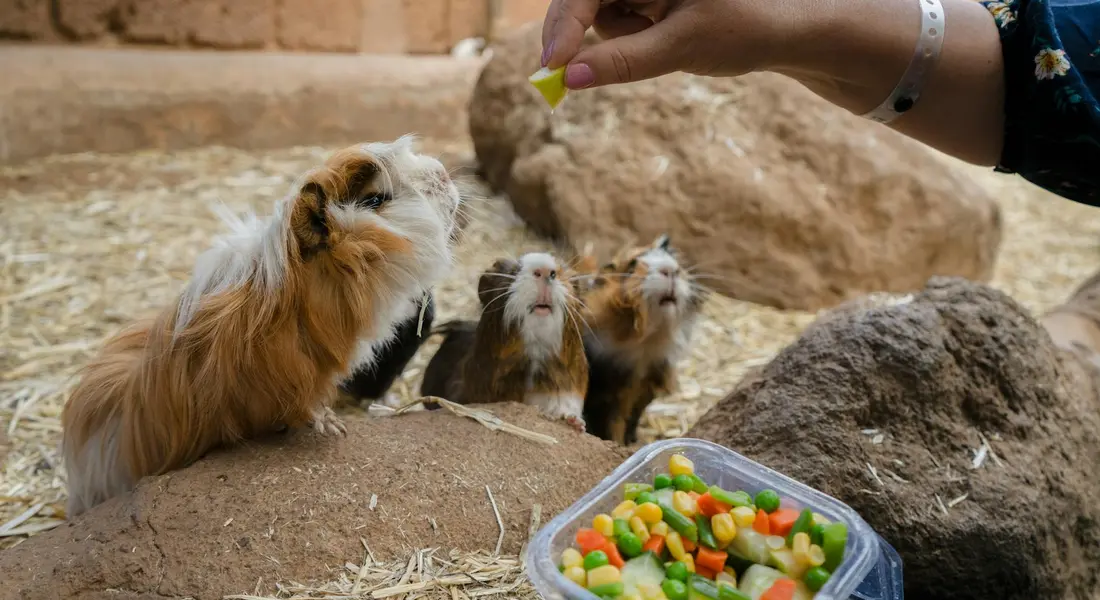
Even with safe foods, individual piggies can react differently. Biscuit, my Peruvian, has a more sensitive stomach, so I introduced arugula to him more slowly than the others. Paying close attention to their unique needs is part of responsible ownership. Understanding these nuances is part of avoiding the top 10 guinea pig diet mistakes that can lead to serious health issues. Being vigilant about each pig’s response helps prevent these common errors.
Warning Signs That Need a Vet
If you notice any of these symptoms after introducing a new food like arugula, stop feeding it immediately and contact your veterinarian.
- Lethargy or a sudden lack of interest in food and water.
- Soft stools or diarrhea that lasts more than a few hours.
- Audible signs of discomfort, like frequent teeth grinding or a hunched posture.
- A swollen or hard belly, which indicates serious bloating.
- Any change in urination habits or signs of pain while urinating.
Feeding Precautions for a Healthy Herd
A few simple habits can prevent most dietary issues. Washing all greens thoroughly removes potential pesticides that could harm your small pets. I make it a ritual to rinse and pat dry every leaf.
- Always introduce one new food at a time. This way, you know exactly what caused a reaction.
- Start with a piece the size of their thumbnail. A tiny taste test is the safest approach.
- Observe them for the next 24 hours. Watch their energy levels and check their droppings.
- Never feed wilted or spoiled greens. If I wouldn’t eat it, my guinea pigs don’t get it.
FAQs
Can guinea pigs eat arugula stems?
Arugula stems are safe for guinea pigs to eat in small amounts, but they can be tougher and harder to digest. It’s best to chop them into tiny pieces to prevent choking and monitor your pet for any signs of discomfort. This ties into the broader topic of safe vs unsafe herbs for guinea pigs. Some herbs—like onion and garlic—are unsafe, while others such as parsley or cilantro are safe in moderation.
Is arugula safe for pregnant guinea pigs?
Pregnant guinea pigs can eat arugula occasionally, but consult a vet first due to their sensitive nutritional needs. Limit servings to avoid excess calcium, which could impact their health during pregnancy. This fits into a week-by-week health guide for caring for pregnant guinea pigs, helping you track nutrition and watch for warning signs as pregnancy progresses.
How does arugula affect guinea pig teeth?
Arugula’s crisp texture can help wear down guinea pigs’ continuously growing teeth through chewing. However, it should not replace hay, which is essential for proper dental health and preventing overgrowth. Hay provides the constant fiber guinea pigs need and is the cornerstone of their dental health. It should be available at all times alongside fresh greens.
Your Arugula Questions Answered
You can confidently share a few small leaves of thoroughly washed arugula with your guinea pig a couple of times a week. Always introduce it slowly alongside their regular hay and watch for any digestive upset, as I learned firsthand with my own trio.
Being a great pet parent means staying curious and committed to learning about your pets’ unique needs throughout their lives. Choosing fresh, locally-grown greens when possible is a simple way to support their health and our planet’s wellbeing.
Further Reading & Sources
- General – Is it safe for guinea pigs to eat arugula?
- Can Guinea Pigs Eat Arugula? Vet-Answered Facts & FAQ | PangoVet
- Can Guinea Pigs Eat Arugula? (Hazard, Serving Size & More)
- Can Guinea Pigs Eat Arugula? Facts & FAQ | Hepper Pet Resources
Kate is a passionate guinea pig owner and advocate for small pet welfare. With over a decade of experience caring for guinea pigs, she has become a trusted voice in the small pet community.
Uncategorized