Guinea Pig Reproduction and Nursing: A Complete Guide
Published on: February 26, 2026 | Last Updated: February 26, 2026
Written By: Kate M. Callahan
Hello CavyFam! Thinking about guinea pig babies brings both excitement and a wave of questions. You’re not alone in wondering how to support your pets through this special journey.
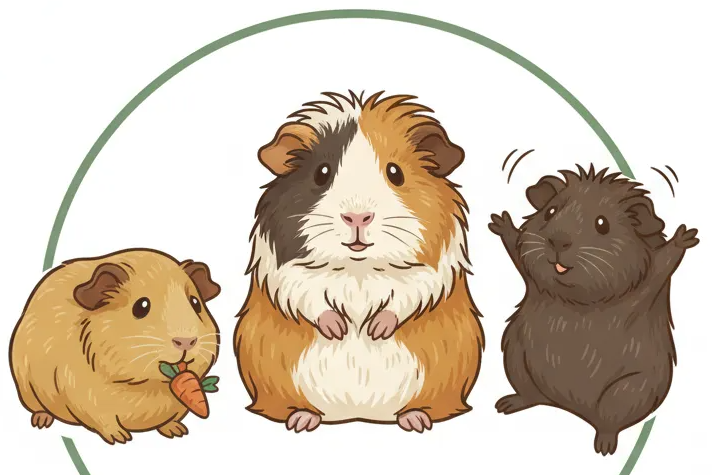
In this guide, I’ll walk you through breeding readiness, pregnancy signs, birthing process, and newborn care. Having raised Pepper, Clover, and Biscuit, I’ve learned firsthand how to nurture a healthy and happy guinea pig family.
The Guinea Pig Reproduction Cycle Explained
Guinea pigs mature incredibly fast, and knowing their reproduction timeline is your first step to responsible care. Females can enter their first heat cycle and become pregnant as early as four weeks old, a stage known as sexual maturity. This is far too young for a safe pregnancy.
I learned this the hard way with my first pair; you must separate males and females before they reach one month. The entire cycle, from conception to a fully weaned litter, is a fascinating and intense process.
Key Stages of the Reproduction Cycle
- Puberty and First Heat: Occurs between 4-8 weeks of age. The female enters estrus (heat) roughly every 15-17 days.
- Gestation (Pregnancy): This period lasts a long time for a small rodent-about 59 to 72 days. My guinea pig Clove carried her litter for 68 days.
- Birth (Parturition): Labor is typically quick, often lasting less than 30 minutes. The pups are born fully furred, with their eyes open, and ready to explore.
- Nursing: The mother nurses her pups for about three weeks. They will start nibbling on solid food, like hay and pellets, within just a day or two.
- Weaning: Pups are fully weaned and independent by 21 to 28 days old. This is the critical point when you must separate male pups from their mother and sisters to prevent immediate inbreeding.
Understanding Guinea Pig Mating Behavior
Observing guinea pig mating rituals can be quite a show, characterized by a distinctive rumbling noise and a swaying walk from the male. This ‘rumble strutting’ is his primary way of courting a female and showing dominance. These displays also reflect the broader dominance hierarchy within a guinea pig group. Understanding these signals helps explain how individuals establish social order and gain access to resources. He may also sniff and nudge her persistently.
From my experience with my trio, the female will often make a chattering sound if she is not receptive. Ethical breeding is paramount; it should never be a casual decision.
Signs of Mating Behavior
- The male performs the ‘rumble strut,’ vibrating and swaying his hips.
- Persistent chasing and circling the female.
- Nuzzling and sniffing the female’s genital area.
- The female chattering her teeth loudly to signal she is not interested.
Ethical Breeding and Separation
You must never allow sibling mating or breed from very young or old guinea pigs. The genetic risks for the pups are severe. I keep a strict separation schedule based on age to ensure this never happens accidentally. To prevent unwanted mating in your guinea pig cage, always separate males and females and use secure barriers. Regularly inspect cages for gaps or escapes to keep them apart.
- Separate males and females by 3-4 weeks of age, without exception.
- Only consider breeding healthy, mature females between 4 and 8 months old.
- Separate the male immediately after you confirm the female is pregnant to give her a rest.
- If you are not prepared to care for an entire litter and find them excellent homes, do not breed your pets.
Guinea Pig Pregnancy and Gestation
Recognizing Pregnancy Signs
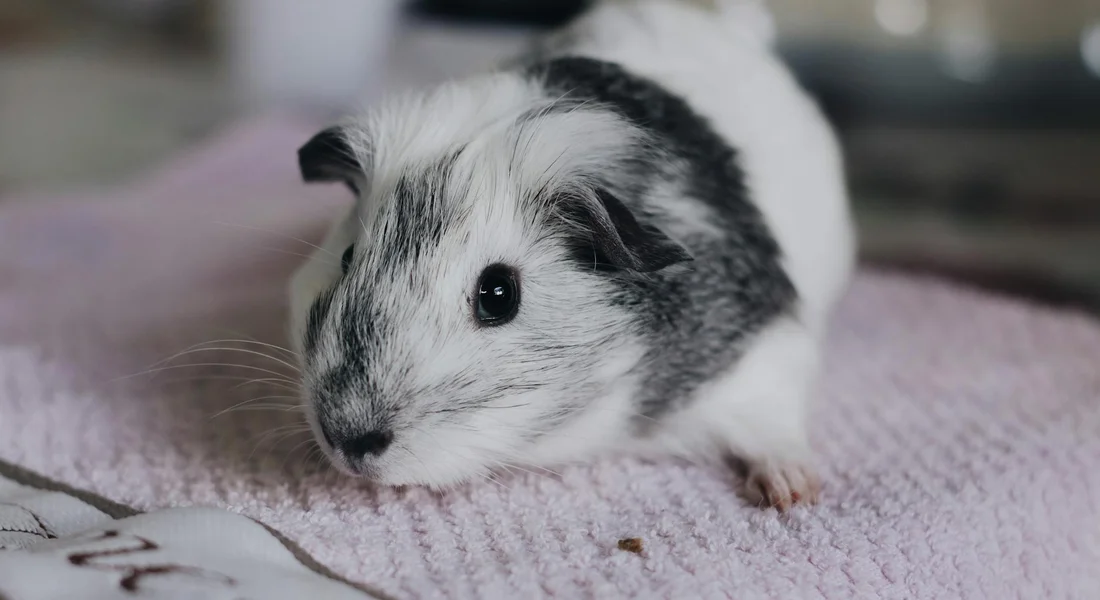
You might notice your guinea pig’s belly rounding out within two to three weeks after conception, a change I saw clearly with Clover, my graceful Abyssinian. Weight gain is often the first clue, paired with a more pronounced pear-shaped body as pregnancy progresses. Behaviorally, she may become more affectionate or seek solitude, much like Biscuit, who grew reserved yet clearly intelligent during her time. As with any pet, expect each stage of a guinea pig’s life to bring new cues and care needs. Tracking these milestones helps you provide the right support at every phase.
Gestation typically spans 59 to 72 days, averaging 63 to 68 days from conception to birth. This timeline means you have about two months to prepare, so start observing early for a smooth journey. Keep a gentle eye on her daily habits and physical shifts.
- Increased appetite and thirst, often doubling her usual intake
- Visible abdominal enlargement and mammary development by week 4
- Nesting behaviors, like rearranging bedding or gathering hay
- Reduced activity or occasional vocalizations from discomfort
Seek veterinary care if you spot lethargy, loss of appetite, or bleeding, as these can signal complications. From my experience, a quick vet visit eased my worries when Pepper seemed overly sluggish, ensuring her and the pups’ safety. Always prioritize professional advice for any unusual signs.
Providing Prenatal Care
Boost her diet with extra vitamin C and calcium-rich foods, like fresh kale or bell peppers, to support bone development in the pups. I added a daily supplement for Clover, which kept her energetic and healthy throughout her pregnancy. Avoid overfeeding treats; focus on balanced nutrition to prevent obesity.
Adjust her habitat by adding soft, absorbent bedding and a private nesting area away from drafts. Creating a calm, stress-free space reduces risks and mimics their natural instincts for safety. Remove any high platforms or sharp objects to prevent injuries.
Preparing for the litter involves stocking up on supplies and planning for potential surprises. I always keep a small scale handy to monitor weight and a warm blanket for post-birth comfort, advocating for gentle, eco-friendly materials. This foresight helps you respond quickly to any needs.
- Choose a quiet, dimly lit corner of the cage for the birthing spot
- Line it with untreated paper-based bedding or fleece for softness
- Provide ample hay for nesting and hiding, encouraging natural behaviors
- Ensure fresh water and food are within easy reach without disturbance
- Check temperature stability, aiming for 65-75°F to avoid chills
The Birthing Process and Immediate Care
Labor and Parturition
Labor often starts with restlessness and frequent position changes, followed by visible contractions. You might hear soft chirps or see her straining, but guinea pigs usually deliver quickly, with pups arriving every 5-10 minutes. I recall Biscuit’s labor was quiet and efficient, lasting under an hour total.
The normal process involves the mother cleaning each pup and eating the placenta, which provides nutrients. Complications like prolonged straining or a pup stuck in the birth canal require immediate vet attention to prevent distress. Stay observant but avoid interfering unless necessary.
- Healthy signs: Active pups moving soon after birth, mother attentive and nursing
- Dystocia concerns: No birth after 30 minutes of labor, bleeding, or mother in obvious pain
- Normal delivery includes pups born head-first and covered in membranes
- Watch for retained placentas or stillborn pups, which need prompt care
Newborn Pup Care
Newborns are born fully furred with eyes open, ready to explore within hours. Handle them minimally at first, using clean, warm hands to avoid stressing the mother or chilling the pups. I learned this with Pepper’s litter; gentle checks ensured they bonded well without disruption.
Monitor their health by checking for steady weight gain and active nursing. Pups should start nibbling solid food by day two, but rely on mother’s milk for the first critical days. Keep the environment quiet and warm to support their rapid development.
- Weigh each pup daily to track growth; a loss could signal feeding issues
- Ensure the mother is nursing by watching for full bellies and content behavior
- Provide a shallow dish of water and mashed pellets for early weaning
- Check for abnormalities like labored breathing or inactivity
- Maintain cage cleanliness to prevent infections, using pet-safe disinfectants
Nursing and Maternal Behavior
How Guinea Pigs Nurse Their Young
Guinea pig mothers, or sows, produce a rich, nutritious milk for their pups. Newborn pups are born fully furred with their eyes open, ready to begin nursing almost immediately after birth. This is a survival adaptation I’ve observed many times with my own herd.
The nursing process itself is quite brief. Pups will nurse for short periods, typically just a few minutes at a time, but they do this very frequently throughout the day and night. You might see them nuzzling and nudging at their mother’s underside to stimulate milk letdown.
It’s crucial to recognize what is normal maternal behavior and what might signal a problem.
- Normal Behavior: The mother allows her pups to nurse, frequently grooms them, and stays close by. She may also “talk” to them with soft, reassuring wheeks.
- Concerning Signs: A mother who aggressively rejects her pups, refuses to let them nurse, or appears completely disinterested needs immediate attention. Pups that are constantly crying, lethargic, or failing to gain weight are not getting enough milk.
Supporting the Nursing Mother
A lactating sow has immense nutritional demands. Her body is working overtime to produce enough milk for her growing litter, so her dietary needs skyrocket. I always make significant adjustments to my sow’s diet during this period.
Providing the right environment is just as important as providing the right food.
- Ensure the cage is in a quiet, low-traffic area to minimize stress.
- Provide plenty of soft, clean hay for nesting and comfort.
- Make sure water is always available and easily accessible from a low-mounted bottle.
Follow these steps to ensure both the mother and her pups thrive.
- Increase her daily portion of high-quality guinea pig pellets.
- Offer unlimited alfalfa hay in addition to her usual timothy hay for extra calcium and protein.
- Supplement her diet with extra vitamin C-rich vegetables like bell peppers and dark leafy greens.
- Monitor the pups daily to ensure they are active and have round, full bellies.
- Weigh the pups every few days to track consistent weight gain.
Weaning and Pup Development
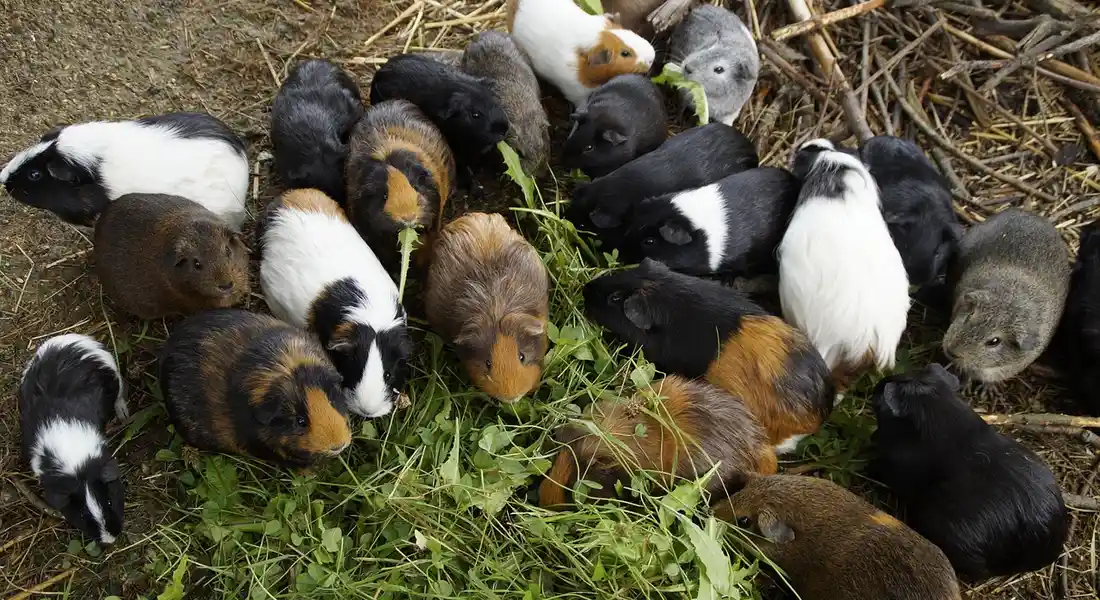
The transition from a milk-only diet to solid foods happens surprisingly fast. Pups will start curiously nibbling on hay and moistened pellets within just a day or two of being born. Watching them explore new textures is one of the most delightful parts of caring for a litter.
Their development in these first few weeks is rapid and fascinating.
- Week 1: Pups are already mobile and will mimic their mother’s eating habits.
- Week 2: They become more coordinated and playful, engaging in small “popcorn” jumps.
- Week 3: Their reliance on their mother’s milk decreases significantly as they consume more solids.
The weaning process has a clear and important timeline for the health of all involved.
- Weaning Begins: Pups naturally start weaning themselves around 3 weeks of age.
- Full Weaning: They are typically fully weaned from their mother’s milk by 4 weeks old.
- Separation: Male pups must be separated from their mother and any female siblings at exactly 3 weeks of age to prevent early and risky pregnancies.
Responsible Breeding Considerations
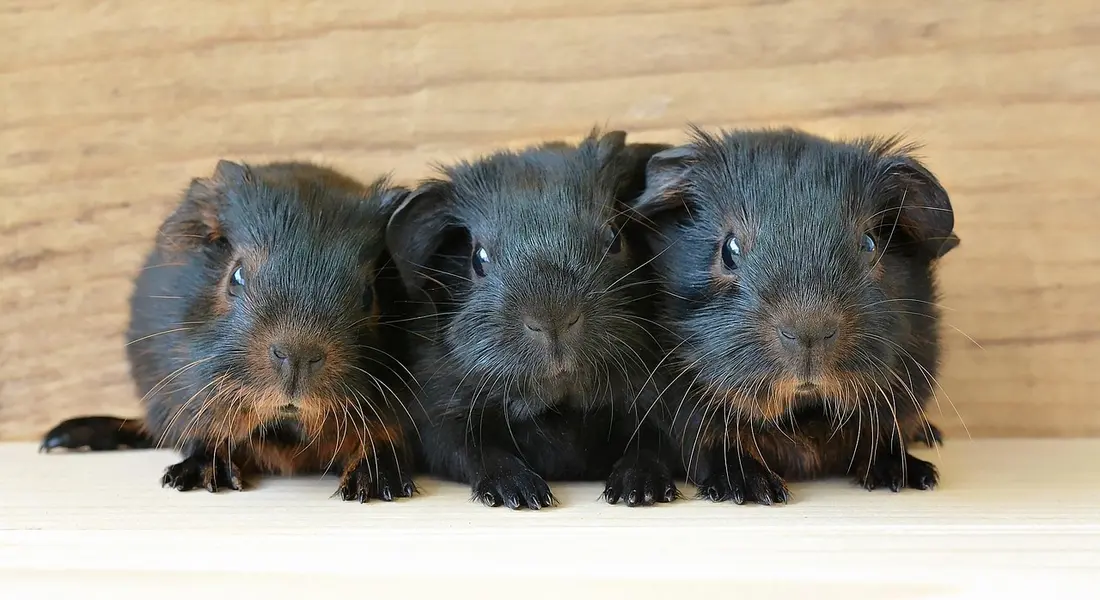
Breeding guinea pigs is a huge responsibility that goes far beyond simply pairing a male and female. From my own experience, the joy of seeing new pups is often overshadowed by the stress of potential complications and the daunting task of finding them all safe, lifelong homes. It’s a decision that requires deep thought and preparation. Before you get your first guinea pig, research their needs, space, and daily care. Make sure you can commit to years of responsibility and companionship.
Ethical Breeding and Population Control
Guinea pig rescues and shelters are frequently at capacity. An unplanned litter can directly contribute to this overpopulation problem, leaving vulnerable animals without the care they need. Responsible breeding means you have a confirmed, waiting list of vetted homes before the pups are even born. It also involves understanding genetics to avoid passing on hereditary health issues.
Contraception and Spaying/Neutering
The safest and most effective way to prevent unwanted litters is through surgical means.
- Neutering (Males): This is a common and generally safe procedure for boars. It prevents them from impregnating females and can sometimes reduce hormonal aggression.
- Spaying (Females): This is a more complex abdominal surgery for sows. While it carries more risk, it completely prevents pregnancy and eliminates the chance of common, fatal reproductive cancers later in life.
I chose to have my male, Pepper, neutered to allow him to live peacefully with my females without the constant worry of pregnancy. I weighed the pros and cons of neutering, such as calmer behavior and easier bonding with females versus surgical risks. Understanding these pros and cons helps in making an informed choice. Always discuss the risks and benefits with a veterinarian experienced with guinea pigs, as their small size makes surgery delicate.
Questions to Ask Before You Breed
Before you even consider breeding, you must honestly answer these questions.
- Do I have a proven, safe home for every single pup in the litter?
- Am I financially prepared for emergency vet bills for both the mother and pups?
- Do I have the time and space to house weaned pups separately by sex to prevent further breeding?
- Am I knowledgeable about the genetic history of both parents to avoid birth defects?
- Can I handle the emotional toll if the mother or pups do not survive, as birth complications are common?
Breeding should never be an experiment; it must be a well-researched commitment with the animals’ welfare as the absolute top priority.
FAQs
What is guinea pig reproduction?
Guinea pig reproduction is the biological process where mating leads to pregnancy and the birth of pups, with females capable of breeding from just four weeks old. It requires careful oversight to prevent health risks and overpopulation in pet settings. If you’re unsure, you can learn how to tell if your guinea pig is pregnant by looking for the common signs. Tracking the pregnancy signs and their timeline helps you plan care and when to consult a vet.
How does guinea pig reproduction occur in the wild?
In the wild, guinea pigs reproduce in social colonies where males compete for mates, and breeding often aligns with seasons of abundant food and resources. Pups are born fully developed to quickly evade predators, with mothers nursing them in hidden nests for protection. It’s also common to see guinea pigs chasing and climbing on each other as part of their social interactions.
What are some facts about guinea pig reproduction?
Guinea pigs have one of the longest gestation periods among small rodents, typically lasting 59 to 72 days, and pups arrive fully furred with eyes open. Females experience estrus cycles roughly every 15-17 days and can conceive again shortly after giving birth, making separation essential. Baby guinea pigs should stay with their mother for at least 3-4 weeks to develop properly and learn social behavior. They can be safely separated once they are weaned, typically around 4 weeks, ideally into same-sex groups to prevent unplanned breeding.
What is the guinea pig reproduction cycle for beginners?
For beginners, the cycle involves females maturing by 4-8 weeks, a pregnancy of about two months, a fast birth process, and weaning completed by 3-4 weeks. Key steps include monitoring for heat cycles and separating males early to avoid accidental breeding.
Where can I find a PDF about the guinea pig reproduction cycle?
You can locate PDF guides on guinea pig reproduction through veterinary university websites, animal welfare organizations, or dedicated guinea pig care forums online. Always verify that the source is authoritative and up-to-date to ensure accurate information for your pets. These guides can also help you plan your new guinea pigs’ first veterinary check-up, including what to ask and what baseline health to expect.
Caring for Your Guinea Pig Family
After raising Pepper, Clover, and Biscuit, I always separate males and females to avoid surprise pregnancies. Focus on a vitamin C-rich diet and cozy nesting areas for pregnant or nursing sows to keep them healthy.
Commit to lifelong care by learning about guinea pig needs through reliable sources and vet advice. Choose eco-friendly bedding and toys to reduce waste and create a safer home for your pets and the environment. In our ultimate guide to bedding options for guinea pigs, you’ll find clear comparisons of substrates and dust levels, plus practical maintenance tips. Learn how to choose, use, and replace bedding to keep your guinea pigs healthy and comfortable.
Further Reading & Sources
- Breeding and Reproduction of Guinea Pigs – All Other Pets – Merck Veterinary Manual
- How do guinea pigs breed? – RSPCA Knowledgebase
- Handling Rules For Newborn Guinea Pigs | Chewy
- Breeding guinea pigs safely – why age matters | Towcester Vets
Kate is a passionate guinea pig owner and advocate for small pet welfare. With over a decade of experience caring for guinea pigs, she has become a trusted voice in the small pet community.
Uncategorized