Can Guinea Pigs Eat Papaya and Guava? A Safety and Nutrition Guide
Hello CavyFam! You might be curious if papaya and guava are safe snacks for your guinea pigs. Many owners worry about upset stomachs or allergic reactions when trying new fruits.
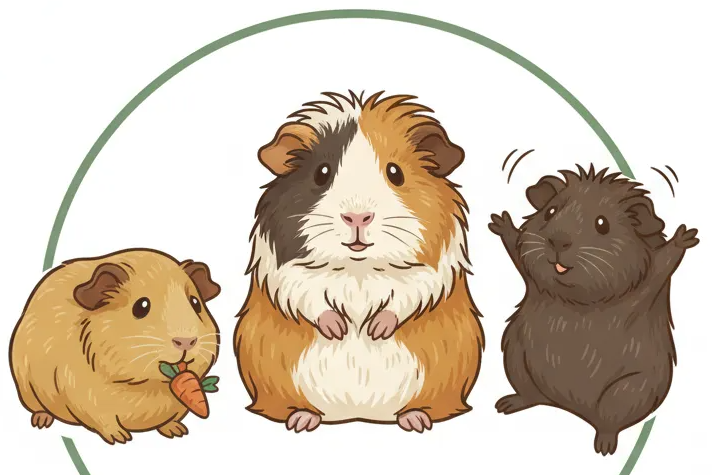
We will cover safety checks, health benefits, possible risks, and step-by-step feeding tips in this article. I have years of experience caring for guinea pigs like Pepper, Clover, and Biscuit, so I offer trusted, practical advice.
Guinea Pig Diet Fundamentals
Your guinea pig’s daily menu should be built on three simple pillars. Unlimited, high-quality grass hay must form the foundation of their diet, supporting both digestion and dental health.
Think of fresh, leafy vegetables as their daily multivitamin, providing essential nutrients and moisture. A consistent rotation of veggies like romaine lettuce and bell peppers is key to meeting their needs.
Fortified pellets are a dietary supplement, not the main course. Offer only a small, measured amount daily to prevent obesity while ensuring they get their fortified nutrients.
Fruits are the sugary desserts of the guinea pig world. They should be given only as tiny, infrequent treats to avoid weight gain and digestive upset from the high sugar content. Not all fruits are suitable for guinea pigs, so it’s important to only feed them safe ones.
Vitamin C is non-negotiable for these little friends, as their bodies cannot produce it. A deficiency can lead to scurvy, making a consistent source of this vitamin absolutely critical for their well-being.
Fiber keeps their complex digestive system running smoothly. The long strands of hay are vital for gut motility and preventing serious, sometimes fatal, gastrointestinal stasis.
Is Papaya Safe for Guinea Pigs?
The soft, orange flesh of a ripe papaya is the only part your guinea pig should ever taste. You can offer a small cube, about the size of a blueberry, no more than once or twice a week as a special treat. Many guinea pigs have favorite treats to look forward to; papaya can be one of those occasional favorites, offered sparingly. Watch for your pig’s taste preferences and adjust portions accordingly.
My guinea pig, Pepper, gets incredibly excited for his tiny papaya piece, but I always stick to this small portion. The high sugar content means even this delicious, vitamin-rich fruit must be strictly limited to maintain their health.
You must be vigilant about removing every single seed and all of the tough outer skin. Papaya seeds are a serious choking hazard and the skin is difficult for them to digest, so only the pure pulp is safe.
While you might find information online about papaya leaves, it’s best to avoid them entirely. I do not recommend feeding papaya leaves to your pet, as their safety and nutritional impact are not well-established for guinea pigs.
Stick with the fleshy fruit you can buy at the grocery store. Offering just the prepared pulp ensures your piggy enjoys a safe and happy treat time without any hidden risks.
Is Guava Safe for Guinea Pigs?
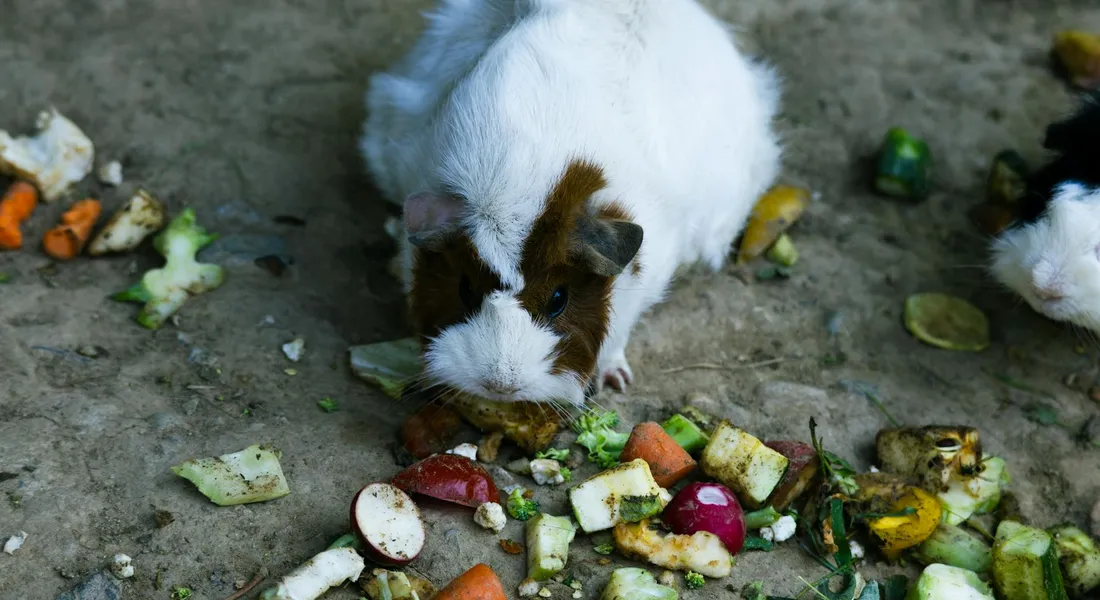
Guava fruit is generally safe for guinea pigs when you stick to the seedless pulp. I always remove the seeds for my trio-Pepper, Clover, and Biscuit-to prevent any choking risks or digestive discomfort. The leaves can be offered in tiny amounts if they’re organic and pesticide-free, but the pulp is your best bet for a tasty, low-risk treat.
- Focus on seedless guava pulp to avoid potential hazards from seeds.
- Guava is packed with vitamin C and fiber, which support immune function and smooth digestion.
- Introduce guava slowly, watching for signs of allergies like itching or tummy upset.
From my experience, guinea pigs like Clover, who’s more thoughtful with new foods, may need extra patience. Start with a small piece once a week to see how your pet reacts before making it a regular snack. This cautious approach has kept my herd happy and healthy over the years. Also, watch for food aggression during meals and separate bowls if needed. A calm, predictable feeding routine helps manage mealtimes peacefully.
Nutritional Benefits of Papaya and Guava
Both papaya and guava bring a burst of nutrients that can boost your guinea pig’s well-being. Vitamin C is a standout for immune health, while fiber keeps their digestive systems running smoothly. I’ve noticed that Biscuit, my Peruvian, perks up with these fruits, likely from the natural energy they provide. Beyond fruit, essential vitamin supplements for guinea pigs can help ensure they get enough Vitamin C. Always consult a veterinarian to choose the right supplement and dosage.
- Key nutrients include high vitamin C for fighting off illness and fiber for preventing bloating.
- Compare sugar levels: papaya tends to have slightly more, so offer it sparingly; guava is lower in sugar but rich in potassium for heart health.
- Calcium is moderate in both, helping with bone strength without overloading their systems.
Chewing on these fibrous fruits also promotes dental health by naturally wearing down their ever-growing teeth. In my care, alternating between papaya and guava has helped Pepper maintain strong teeth and a lively spirit. Always balance these treats with their main hay-based diet to avoid excess sugar or calcium issues.
Risks and Feeding Precautions
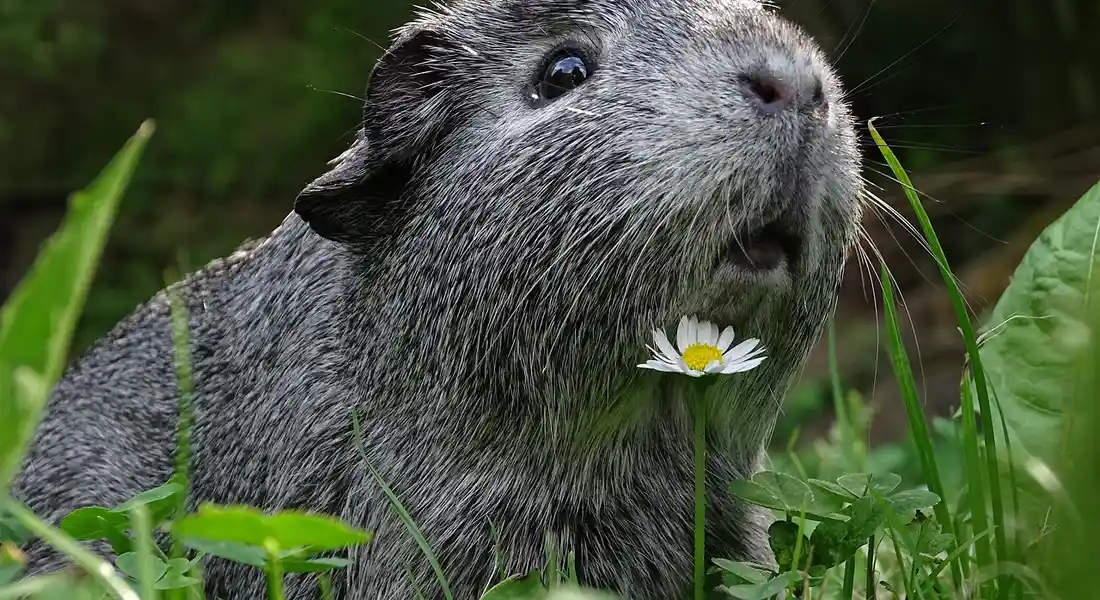
Papaya and guava contain natural sugars that can quickly lead to weight gain if fed too often. My guinea pig Biscuit started gaining a little extra weight when I got too generous with fruit treats. I learned to keep these fruits as special snacks, not daily foods.
- High sugar content can contribute to obesity and dental problems over time. Stress moderation by limiting fruit to a small piece once or twice a week.
- Always wash the fruit skin thoroughly to remove pesticides. Peel papaya since the skin is tough, but guava skin is usually fine if washed well. Remove all seeds from both fruits, as they pose a choking risk.
- Overfeeding can cause digestive upset like diarrhea or bloating. Introduce any new food in tiny amounts and watch for changes in their droppings or behavior.
How to Serve Papaya and Guava
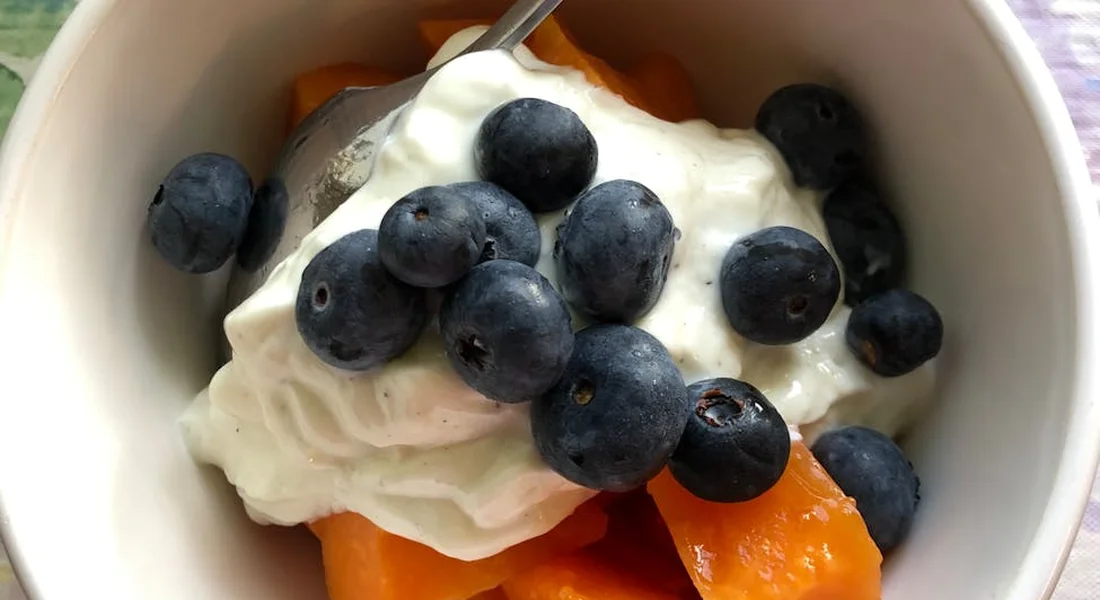
Proper preparation makes these fruits a safe, enjoyable treat for your guinea pigs. My trio—Pepper, Clover, and Biscuit—get excited when they see me bringing out the fruit knife, but I stick to a careful routine. Oranges and other citrus fruits can be a small, occasional treat for guinea pigs when given in tiny portions. I always remove seeds and rind to keep it safe.
- Choose ripe, fresh fruit that smells sweet and yields slightly to gentle pressure. Wash it under cool running water, scrubbing the surface lightly.
- Use a clean knife to cut the fruit into small, manageable pieces-about the size of a pea is perfect. This prevents choking and makes it easy for them to eat.
- Offer just one or two small pieces per guinea pig, no more than once a week. I usually give this treat on weekends as part of our bonding time.
- Watch your pets closely for the next 24 hours. Look for normal eating habits and firm droppings. If you see soft stools or lethargy, skip fruit treats for a while.
Special Cases for Young or Pregnant Guinea Pigs
-
When it comes to baby guinea pigs or those expecting little ones, I always tread carefully with treats like papaya or guava. Their tiny bodies are still developing, so sticking to a consistent main diet of high-quality hay, fortified pellets, and gentle greens helps prevent digestive upsets and supports healthy growth—especially for baby or young guinea pigs. From raising Biscuit, my Peruvian guinea pig, I noticed that sudden changes in food can lead to discomfort, which is the last thing you want for your furry friend.
-
Before you share a slice of papaya or guava with a young or pregnant pig, I strongly recommend having a chat with your veterinarian. Vets can assess individual health risks and guide you on safe introductions, ensuring your guinea pig’s unique needs are met without guesswork. Over the years, consulting with experts has helped me make informed choices for Pepper and Clover, keeping them happy and thriving.
-
If your guinea pig is sick, skip the fruity treats and opt for a simple, bland diet instead. Foods like plain hay and water-rich veggies can soothe their system, while new items might worsen issues like diarrhea or lethargy. I learned this firsthand when Clover had a minor illness; focusing on basics helped her bounce back faster without extra stress. Knowing what foods guinea pigs can have is essential, especially during recovery times.
FAQs
Can I feed my guinea pig dried papaya?
No, dried papaya is not safe for guinea pigs due to its concentrated sugar and potential additives. Stick to fresh, ripe papaya in small amounts to avoid health issues. Also, keep in mind that many vegetables and fruits can be toxic to guinea pigs if offered inappropriately. Always verify any new produce with a vet or trusted guide before feeding.
Is it okay to mix papaya with other fruits for my guinea pig?
Yes, you can combine papaya with other guinea pig-safe fruits like apple or strawberry occasionally. Always keep the total fruit portion very small to prevent excess sugar intake.
How should I store fresh papaya for future guinea pig feedings?
Store uncut papaya at room temperature until ripe, then refrigerate it to preserve freshness. Use within a few days and only serve fresh pieces to ensure safety and nutrition.
Ready to Share Some Tropical Treats?
You can confidently share small, seedless pieces of papaya and guava with your guinea pig, as both fruits offer excellent vitamin C and digestive benefits when given in moderation. Always introduce new foods slowly and remove any uneaten fruit promptly to keep their habitat clean and their digestion on track. Unlike passion fruit, which is not recommended for guinea pigs, papaya and guava are generally safe to share.
Being a thoughtful pet owner means always learning more about your guinea pig’s needs, which helps you make healthier, more sustainable choices for their diet and habitat. Your ongoing care and attention directly contribute to their happiness and our shared responsibility toward all animals and our planet. Emotional commitment to guinea pig ownership means showing up daily with patience, gentle handling, and affection to build trust. That bond supports their emotional well-being as well as their physical health.
Further Reading & Sources
- Can Guinea Pigs Eat Papaya? Vet-Reviewed Nutrition Facts | Hepper Pet Resources
- Can Guinea Pigs Eat Papaya? (Hazard, Serving Size & More)
- a care guide for your Guinea Pig (Cavia porcellus)
- GuineaDad Food Blog: Can guinea pigs eat papaya?
Kate is a passionate guinea pig owner and advocate for small pet welfare. With over a decade of experience caring for guinea pigs, she has become a trusted voice in the small pet community.
Uncategorized