How to Recognize Signs of Pain or Illness in Guinea Pig Behavior
Published on: April 25, 2026 | Last Updated: April 25, 2026
Written By: Kate M. Callahan
Hello CavyFam! Are you worried your guinea pig might be hiding pain or sickness, leaving you unsure what to watch for? It’s a common concern, as these small pets often conceal discomfort to protect themselves in the wild.
In this article, I’ll guide you through spotting subtle changes, including:
- Shifts in eating, drinking, and bathroom habits
- Alterations in vocalizations or unusual quietness
- Changes in movement, posture, or social behavior
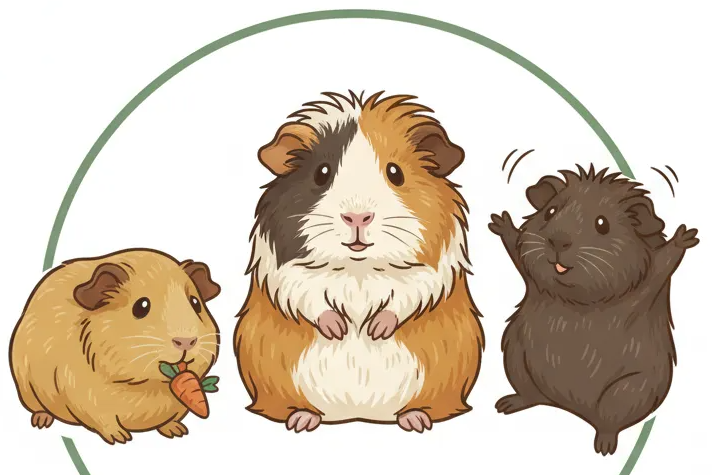
Having cared for guinea pigs like Pepper, Clover, and Biscuit for years, I’ve learned to notice these early warnings through daily interactions.
Recognizing Behavioral Red Flags
Guinea pigs possess a deeply ingrained survival instinct to conceal discomfort, a trait I’ve witnessed firsthand with my own herd. This natural camouflage means subtle behavioral shifts are your most reliable early warning system. To help a new guinea pig feel safe and acclimated, start with a quiet, familiar space and gentle handling. Maintain small, predictable routines to build trust and ease their adjustment.
Key changes to watch for include:
- Lethargy: A normally active pig spending hours motionless in a corner.
- Isolation: Suddenly avoiding cage-mates, which is highly unusual for such social creatures.
- Reluctance to Move: Hesitating to come for food or showing stiffness when walking.
- Vocalization When Touched: Sharp squeaks or wheeks upon gentle handling, indicating localized pain.
I remember with my guinea pig, Clover, how her usual graceful curiosity vanished. She stopped meeting me at the cage door for her morning veggie ritual, a tiny change that signaled a big problem. Trust these small deviations in your daily interactions; they speak volumes.
Identifying Physical Symptoms of Distress
While behavior hints at trouble, physical signs offer undeniable proof of illness. Perform a gentle visual check daily, looking for anything out of the ordinary with your pig’s body. During exercise, you can also gauge happiness and health by watching for steady breathing and lively, balanced movement. Signs of trouble during play—panting, reluctance to move, or limpness—should prompt a closer check.
Concerning physical symptoms include a hunched posture, as if bracing against discomfort, and a rough, unkempt coat. You might also notice patchy hair loss or an unusually swollen abdomen.
For a quick scan, watch for these critical signs:
- Labored, rapid, or noisy breathing
- Frequent sneezing or coughing fits
- Excessive drooling or wetness around the mouth and chin
- Audible teeth grinding, a clear sign of pain
- Changes in urination frequency or stool consistency and size
My Peruvian, Biscuit, once developed a slightly puffed-up coat and was grinding his teeth softly. That specific combination of a rough coat and teeth grinding was our cue to seek immediate veterinary care. Your vigilant observation is their first line of defense. By avoiding common guinea pig grooming mistakes, you can keep their coat healthy and prevent issues before they escalate. Use gentle brushing with the right tools in short sessions to respect their comfort.
Understanding Changes in Appetite and Activity
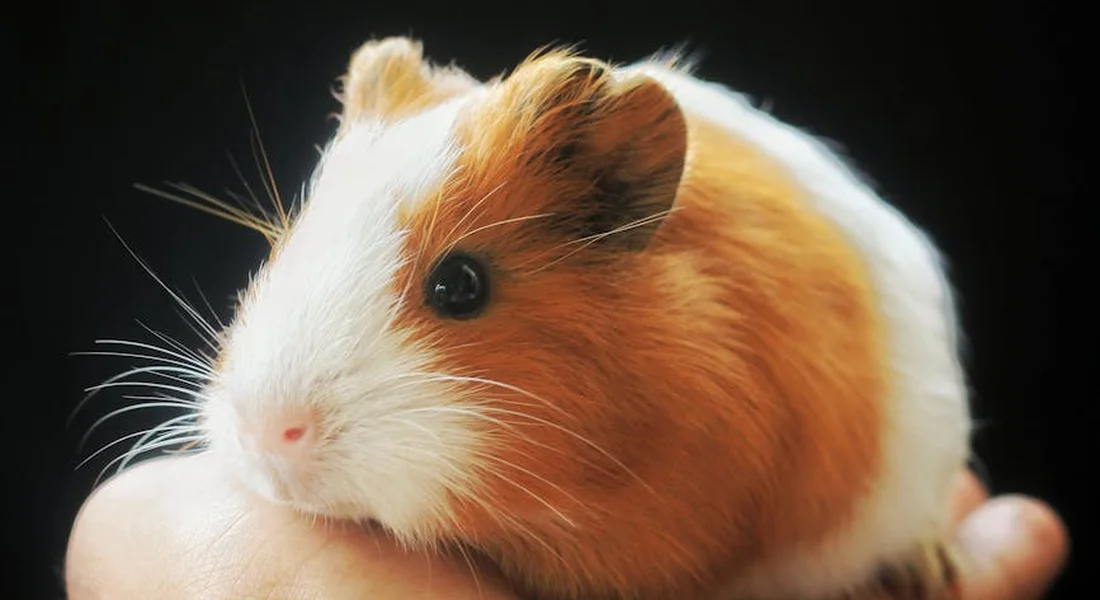
- If your guinea pig stops eating favorite foods or chews slowly, this often points to dental trouble. Their teeth grow continuously, and pain from overgrowth or malocclusion makes chewing unbearable. I noticed Pepper once refused his daily bell pepper, a clear red flag for me to check his mouth.
- Subtle weight loss can happen quickly and signal illness. I weigh my guinea pigs weekly using a small kitchen scale, keeping a simple log to spot any downward trend early. A drop of even a few ounces matters for such small animals.
- When guinea pigs move less or stop grooming, they are likely in discomfort. Clover, who normally grooms meticulously, once let her fur get matted, which was my first clue she had joint pain. Slowed movement isn’t just laziness; it’s a cry for help.
Common Pain Sources in Guinea Pigs
- Dental issues, gastrointestinal stasis, and urinary tract infections are frequent culprits. Each of these causes distinct symptoms, so knowing the difference helps you act faster.
- Diarrhea or soft stools often mean gut trouble, while blood in urine points to bladder stones or infection. Biscuit once had slightly loose droppings, which turned out to be a diet imbalance needing quick correction.
- From my experience, early vet visits for these signs prevent bigger problems. Catching Pepper’s slight tooth overgrowth early saved him from severe pain and expensive surgery later. Trust your instincts if something seems off.
When to Seek Veterinary Help
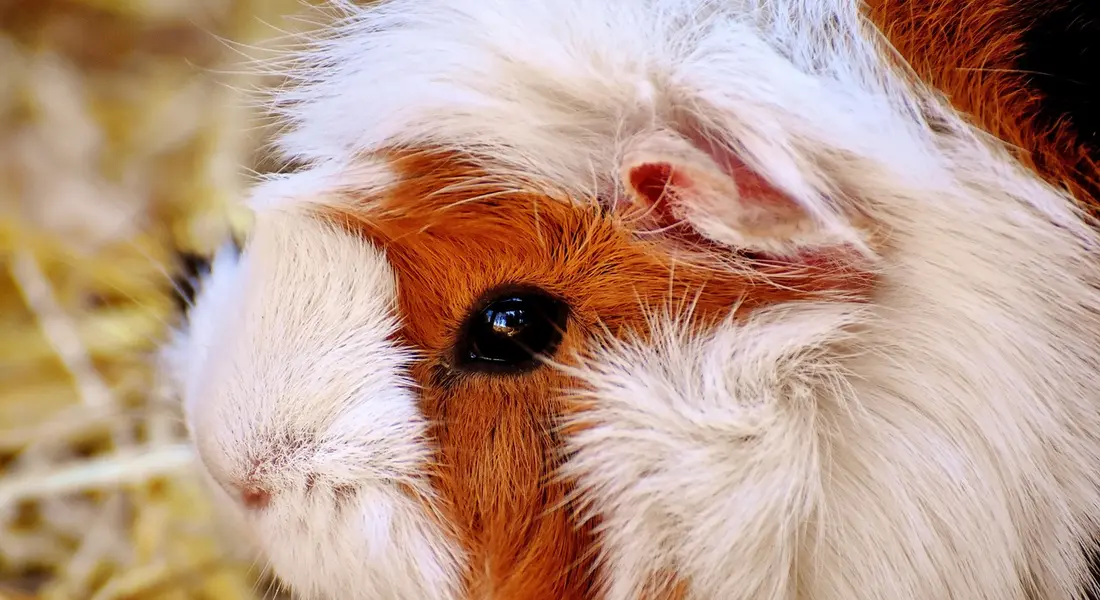
Some symptoms demand immediate veterinary attention; recognizing them quickly can save your guinea pig’s life.
- Outline emergency signs: rapid breathing, persistent vocalization, severe lethargy
- Rapid, shallow, or labored breathing is a critical sign of respiratory distress.
- Constant, high-pitched squeaking or whining indicates severe, unrelenting pain.
- Extreme lethargy where your pet is unresponsive or cannot move normally.
- Provide clear steps for when to contact a vet immediately
Call your veterinarian or an emergency exotic animal clinic the moment you observe any emergency sign.
- Describe the exact symptoms you are seeing, their duration, and their intensity.
- Follow the vet’s instructions precisely, whether it’s to come in immediately or provide first-aid care at home.
- Do not wait to see if the condition improves on its own; guinea pigs hide illness until they are very sick.
- Include reassurance on preparing for a vet visit with notes on symptoms
I always feel less frantic if I have a small “go-bag” ready for my trio-Pepper, Clover, and Biscuit.
Prepare a small carrier with a soft fleece liner and a handful of their favorite hay to keep them calm and comfortable during transport.
- Write down the exact time each symptom started and how it has changed.
- Note their most recent food and water intake and any changes in their droppings.
- Bring a list of any medications or supplements they are currently taking.
Tips for Daily Health Monitoring
Establishing a simple daily check-in routine helps you learn your guinea pig’s normal baseline so you can spot subtle changes early. By noting when guinea pigs are most active—often in the morning and late afternoon—you can map their daily patterns and tailor care accordingly. This awareness makes it easier to spot deviations and respond quickly.
- Offer simple routines for observing behavior, appetite, and physical condition
I spend a few quiet minutes each morning just watching my herd during their breakfast.
Make a habit of observing them at the same time each day, ideally during their most active periods like morning and evening feeding.
- Watch for enthusiastic eating and drinking; a sudden lack of interest is a major red flag.
- Listen for their normal, contented vocalizations like wheeking and purring.
- Check that their eyes are bright and clear, their nose is dry, and their coat looks smooth.
- Suggest keeping a log for tracking weight, grooming habits, and social interactions
A simple notebook or a note on your phone can be a powerful health tool.
Weighing your guinea pigs weekly is one of the most objective ways to monitor their health, as weight loss is often the first sign of illness. Regular weighing is essential to spot health issues early.
- Log their weekly weight to track any gradual gains or losses.
- Note their grooming habits; a messy coat can mean they are too sore or tired to clean themselves.
- Jot down changes in their social dynamics, like if a normally friendly pig like Pepper suddenly becomes withdrawn.
- Highlight the importance of gentle handling to detect pain responses
Regular, gentle handling builds trust and allows you to perform a quick physical check.
Lift your guinea pig calmly and support their entire body, feeling for any lumps, bumps, or areas of tension as you hold them. For a safe health check, keep movements slow and gentle and cradle their body securely so they feel supported. If they wiggle, pause and reset before continuing.
- Watch for any flinching, squeaking, or attempts to bite when you touch a specific area, which signals localized pain.
- Gently run your fingers through their fur to check for parasites, dandruff, or hair loss.
- Check their feet and nails regularly for sores or overgrowth, especially in older pigs.
FAQs
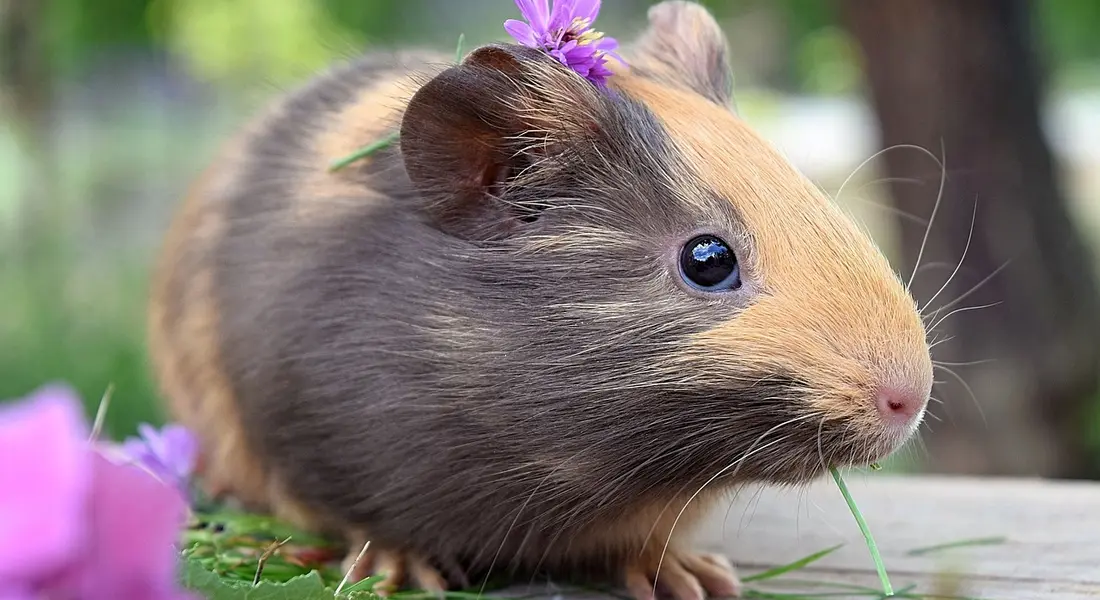
Do guinea pigs hide pain?
Yes, guinea pigs instinctively hide pain as a survival mechanism to avoid appearing vulnerable. Owners must watch for subtle behavioral shifts to detect discomfort early. Guinea pigs rely on safe hideouts to feel secure, so noticing when they retreat can indicate stress or distress. Understanding their hiding needs helps you provide appropriate shelter and better interpret their behavior.
Can pain cause a guinea pig to vocalize more?
Pain may lead to increased vocalizations, such as sharp squeaks when handled or touched. Conversely, some guinea pigs become unusually silent, so any vocal change warrants attention.
Are dental issues a common source of pain in guinea pigs?
Dental problems are a frequent cause of pain due to continuously growing teeth that can overgrow or misalign. This often results in difficulty eating and requires prompt veterinary care.
How does pain affect a guinea pig’s activity levels?
Pain typically reduces activity, causing lethargy and a lack of interest in movement or play. Guinea pigs may also show stiffness or hesitation when walking or climbing. Stress or anxiety can cause similar changes in activity and posture. To tell if your guinea pig is stressed, watch for increased hiding . vocalizations such as squeaks or chattering teeth, and changes in appetite or grooming.
How can you monitor a guinea pig for early signs of pain?
Establish a daily routine to observe eating, drinking, and social behaviors for any deviations. Use weekly weigh-ins and gentle handling checks to identify subtle changes quickly.
Your Guinea Pig’s Health Journey
Always observe your guinea pig’s daily habits, like eating and movement, as shifts can signal pain or illness. Trust your gut and contact a vet quickly if something seems off, just as I did when Biscuit stopped chirping during feeding time. If your guinea pig seems sick, you can use a complete home troubleshooting checklist to guide your next steps at home and decide when to seek veterinary care.
Responsible ownership involves ongoing education and choosing eco-friendly options, such as biodegradable bedding, to protect your pet and the planet. Stay curious and committed to learning, ensuring a happy, healthy life for your furry friend.
Further Reading & Sources
- Disease Problems of Guinea Pigs – PMC
- Guinea pig health – PDSA
- Health Problems in Guinea Pigs | VCA Animal Hospitals
- What Are the Signs of Illness in Guinea Pigs? – C and C Guinea Pig Cages
Kate is a passionate guinea pig owner and advocate for small pet welfare. With over a decade of experience caring for guinea pigs, she has become a trusted voice in the small pet community.
Uncategorized