Can Guinea Pigs Eat Cat or Dog Food?
Hello CavyFam! You might be wondering if it’s okay to offer your guinea pig a bite of cat or dog food. Perhaps you’re worried about their health or looking for a quick treat solution.
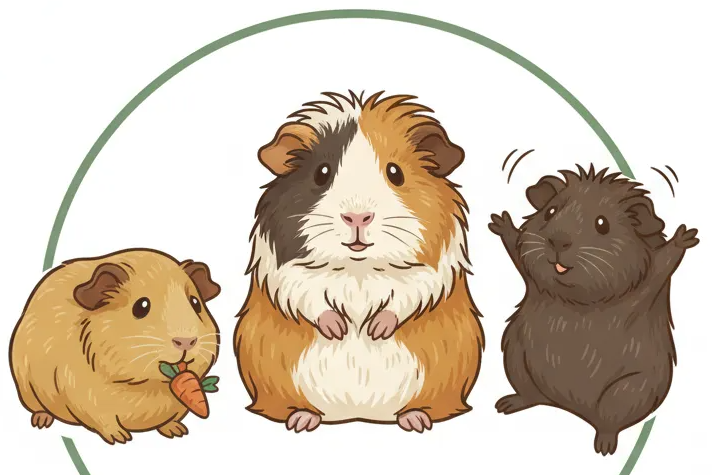
In this article, we’ll dive into the risks of feeding improper foods, guinea pig nutritional essentials, and safe, healthy alternatives. As a longtime guinea pig owner who’s cared for pets like Pepper, Clover, and Biscuit, I’m here to share practical advice from my experience.
Guinea Pig Dietary Needs Explained
Essential Nutrients for Guinea Pigs
Guinea pigs thrive on a diet rich in specific nutrients their bodies can’t produce. Getting the right balance keeps them energetic and prevents common health issues. From my years with Pepper, Clover, and Biscuit, I’ve seen how a proper diet makes all the difference in their happiness and longevity.
Vitamin C: A Non-Negotiable
Guinea pigs lack the enzyme to make Vitamin C, so they rely entirely on food sources. Scurvy can develop quickly without enough Vitamin C, leading to lethargy and joint pain. I learned this early with Clover, who perked up after I added more fresh veggies to her meals. Good options include:
- Bell peppers, especially red ones
- Dark leafy greens like kale
- Small amounts of broccoli
Fiber and Digestion
Fiber is vital for their digestive health, helping to prevent bloating and stasis. Unlimited hay should make up most of their diet to keep their gut moving smoothly. Biscuit’s reserved personality means he nibbles hay throughout the day, which I’ve found keeps his digestion steady. Types of hay I recommend:
- Timothy hay for daily use
- Orchard grass as a tasty alternative
- Meadow hay for variety
Dangers of Cat and Dog Food for Guinea Pigs
High Protein and Fat Hazards
Cat and dog foods are formulated for carnivores, packing high levels of protein and fat that strain a guinea pig’s system. Over time, this can lead to obesity and kidney damage, which I’ve seen in rescues that were fed improper diets. This is a common entry in the top 10 guinea pig diet mistakes that lead to serious health issues. Understanding these errors can help protect your pet from obesity and organ damage. Risks to watch for include:
- Weight gain from excess calories
- Digestive issues like diarrhea
- Organ stress from protein overload
Calcium and Oxalate Imbalances
Some pet foods contain imbalanced minerals that disrupt calcium absorption, increasing the risk of bladder stones. Oxalates in certain ingredients can bind to calcium, making it unavailable for your guinea pig’s bones. With Pepper’s gentle nature, I’m careful to avoid any foods that could cause discomfort. Common problems include painful bladder sludge in guinea pigs.
- Urinary tract issues from excess calcium
- Poor bone health due to mineral interference
- General nutrient deficiencies
What to Do If Your Guinea Pig Eats Cat or Dog Food
Monitoring for Symptoms
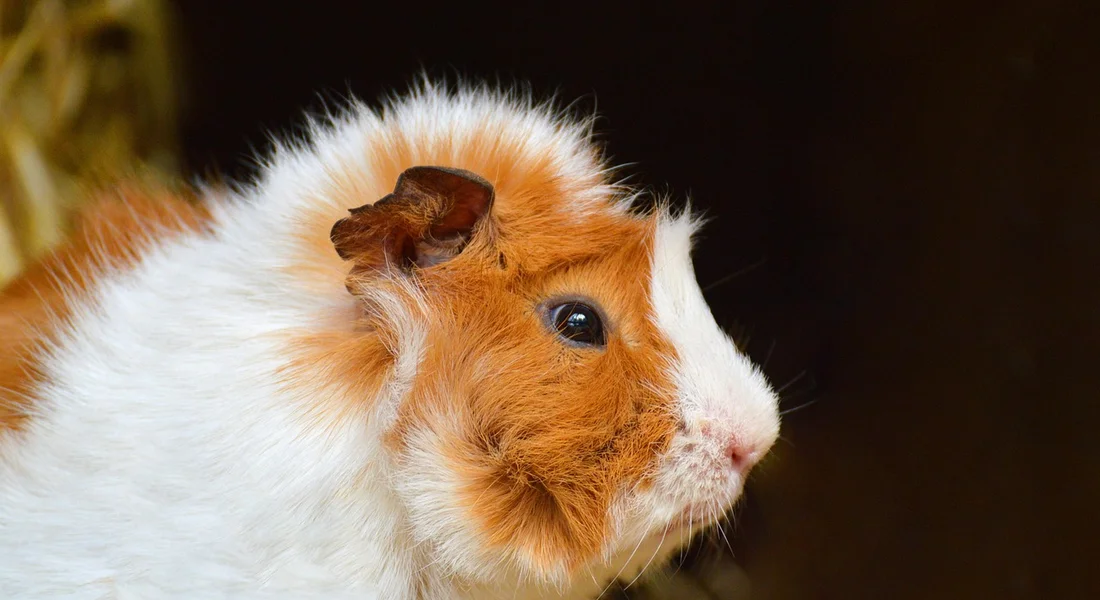
If your guinea pig snags a bite of cat or dog food, stay calm but act quickly. Watch closely for any unusual behavior or physical changes over the next 12 to 24 hours. These moments underscore why it’s crucial to know the 10 common foraging mistakes that could poison your guinea pig. Being aware can help you prevent dangerous exposures. I remember when Biscuit, my reserved Peruvian, once nibbled on a stray kibble—I kept a log of his actions to spot anything off.
Look for signs like diarrhea, bloating, or reduced appetite. Check if they’re drinking less water or seem unusually tired. Guinea pigs have sensitive digestive systems, so even a small amount can cause issues.
- Diarrhea or soft stools
- Lethargy or lack of movement
- Loss of interest in favorite veggies
- Whining or signs of pain
Offer fresh hay and water to help flush their system. Stick to their regular guinea pig diet to avoid further upset. In my experience, Pepper’s gentle nature meant he’d hide discomfort, so I had to be extra observant.
When to Contact a Vet
If symptoms persist or worsen, don’t wait-call your vet right away. Seek immediate help if your guinea pig stops eating entirely or shows severe lethargy. This could signal a blockage or toxicity from animal-based proteins.
Vets can provide fluids or medication to ease discomfort. Always bring a sample of what they ate to help the vet diagnose faster. When Clover had a scare, her graceful demeanor faded, and the vet’s quick action made all the difference.
- No eating or drinking for over 6 hours
- Visible pain like hunched posture
- Breathing difficulties
- Blood in stool or urine
Early intervention protects their health and prevents long-term harm. Guinea pigs hide illness well, so trust your instincts if something feels wrong. During health checks, handle your guinea pig gently and securely to minimize stress. Support their chest and hindquarters with both hands and keep sessions brief.
Preventing Accidental Food Mix-Ups
Safe Feeding Setups
Set up separate feeding zones to keep foods apart. Use distinct bowls or containers for each pet’s meals to avoid confusion. I feed my trio in different corners of the room, so there’s no chance for mix-ups.
Store cat and dog food in sealed containers away from guinea pig areas. Label everything clearly and keep kibble out of reach. This simple step saved Biscuit from another curious taste test.
- Feed guinea pigs in their cage or a designated spot
- Use heavy bowls that won’t tip easily
- Clean up spills immediately
- Supervise meal times if pets share space
Rotate feeding schedules so other pets aren’t around during guinea pig meals. This helps prevent food aggression between guinea pigs and makes mealtimes peaceful. This reduces temptation and keeps everyone safe and happy. With thoughtful setups, you can enjoy peace of mind and healthy, happy pets.
Healthy Alternatives and Safe Treats
Seeing my own guinea pigs, Pepper, Clover, and Biscuit, eagerly greet me at the cage door is a daily joy. Their health and happiness are directly tied to the quality of food they find in their bowl. I learned this firsthand after a vet visit prompted me to overhaul their diet completely.
Building a Balanced Diet
A proper guinea pig diet rests on three pillars. Each one serves a unique and vital purpose for their well-being.
- Unlimited Grass Hay: This is the absolute cornerstone, making up about 80% of their diet. Timothy hay is perfect for adults, as the constant chewing wears down their ever-growing teeth and keeps their digestive system moving smoothly.
- High-Quality Pellets: Look for plain, timothy-based pellets fortified with Vitamin C. I give my trio just a 1/8 cup each per day. Overfeeding pellets is a common mistake that can lead to obesity and selective eating.
- Fresh Vegetables: A daily cup of mixed veggies provides essential nutrients and hydration. Bell peppers are a superstar because they’re packed with Vitamin C, which guinea pigs cannot produce on their own.
Treats to Avoid and Embrace
We all love to spoil our pets, but choosing the right treats is a act of love. The wrong snack can cause serious harm.
Treats to Strictly Avoid
- Any commercial cat or dog food, including dry kibble and wet food
- Dairy products like yogurt drops or cheese
- Nuts, seeds, and grains
- Potatoes, onions, or garlic
- Processed human foods like bread or crackers
Safe and Enjoyable Treats
- Small pieces of fruit like blueberries, apple (no seeds), or a slice of strawberry. I offer these just once or twice a week.
- Fresh herbs like cilantro or parsley are a huge hit in my cage.
- Forage mixes made from dried flowers and safe grasses can encourage natural foraging behavior.
The safest and most rewarding treat is often simply a new type of leafy green, like romaine lettuce or a dandelion leaf plucked from a pesticide-free yard. Watching Clover meticulously nibble a new herb is a treat for me, and a healthy one for her.
FAQs
What should a guinea pig food chart include?
A guinea pig food chart should detail the daily proportions of hay, pellets, and fresh vegetables for a balanced diet. It helps owners track Vitamin C-rich foods and avoid overfeeding treats. Knowing daily calorie requirements helps set portion sizes for hay, pellets, and vegetables. This supports maintaining a healthy weight and energy balance for guinea pigs.
Where can I find guinea pig food near me?
Local pet stores, veterinary offices, and large retailers like PetSmart often carry guinea pig food. You can also use online stores for home delivery to ensure a steady supply. When you’re ready to bring a guinea pig home, you can choose from reputable pet stores, breeders, or adoption from rescues. Adopting a guinea pig is a humane option that helps animals in need.
Does Walmart sell guinea pig food?
Yes, Walmart usually stocks basic guinea pig food items such as timothy hay and fortified pellets. Check their pet section or website for specific products and store availability.
Your Guinea Pig’s Health and Happiness
After years of caring for my guinea pigs Pepper, Clover, and Biscuit, I’ve found that cat or dog food can harm their sensitive digestive systems. Always provide a balanced diet of fresh hay, veggies, and guinea pig-specific pellets to support their well-being.
Stay committed to learning and adapting your care routines as you grow with your pet. Opt for eco-friendly choices like biodegradable bedding to make a positive impact on your guinea pig’s world. In our ultimate guide to safe bedding options for guinea pigs, you’ll find practical tips on selecting the safest, cleanest substrates for daily comfort. Learn what to avoid and how to maintain a healthy enclosure.
Further Reading & Sources
- Can Guinea Pigs eat cat food? | How to Feed a Dog
- Can Guinea Pigs Eat Dog Food? Vet-Approved Facts & Safety Tips | PangoVet
- Can Guinea Pigs Eat Dog Food? – Pets Gal
- Can Guinea Pigs Eat Cat Food? Vet-Approved Facts & Advice | PangoVet Pet Corner
Kate is a passionate guinea pig owner and advocate for small pet welfare. With over a decade of experience caring for guinea pigs, she has become a trusted voice in the small pet community.
Uncategorized