Top 10 Guinea Pig Diet Mistakes That Lead to Serious Health Issues
Hello CavyFam! Are you worried you might be accidentally harming your guinea pig with their daily meals? Many loving owners make small feeding errors that can snowball into big health problems.
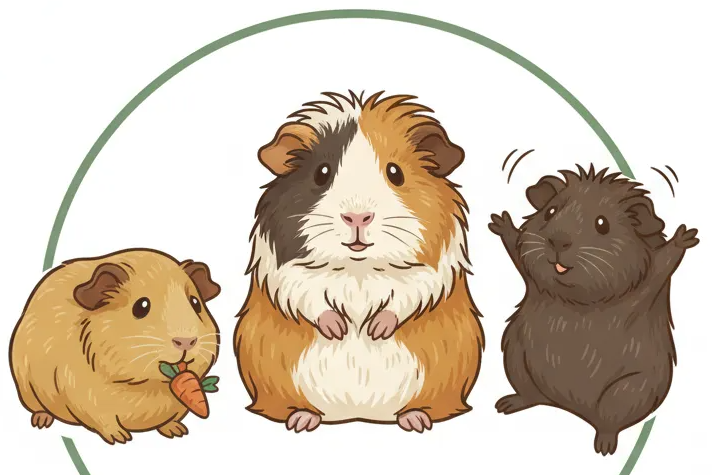
In this guide, I’ll walk you through the most common diet pitfalls, from improper pellets to dangerous veggies. You’ll learn about the dangers of improper pellets, vitamin C neglect, overfeeding fruits, toxic vegetables, insufficient hay, harmful treats, calcium overload, poor feeding schedules, incorrect water sources, and ignoring individual dietary needs. I’ve learned all this through years of caring for my own trio: gentle Pepper, graceful Clover, and intelligent Biscuit.
Ignoring the Foundation: Hay Selection Errors
Types of Hay and Their Impacts
Choosing the right hay feels like picking the best bed for your guinea pig-it affects everything from digestion to mood. Timothy hay is my go-to for adult pigs like Pepper and Clover because it’s high in fiber and low in calcium, keeping their teeth and guts in top shape. Alfalfa hay, rich in protein and calcium, suits young or pregnant pigs but can cause bladder stones in adults if overused. Orchard grass offers a softer alternative for sensitive eaters, which I found perfect for Biscuit when he was hesitant about rougher hays.
- Timothy Hay: Ideal for daily use, supports dental health and prevents obesity.
- Alfalfa Hay: Best for growth phases but risky for mature pigs due to high calcium.
- Orchard Grass: Gentle on digestion, great for picky eaters or those with allergies.
I learned this the hard way when I fed alfalfa to all my pigs and noticed Pepper gaining excess weight. Switching to Timothy hay helped him slim down and stay active, proving that hay type directly influences their energy and health.
Consequences of Poor Hay Choices
Poor hay selection can lead to serious issues that sneak up on you. Inadequate fiber from low-quality hay often causes gastrointestinal stasis, where digestion slows dangerously, as I saw with Clover once when she stopped eating. Dental overgrowth is another common problem because hay grinding naturally wears down their constantly growing teeth. Obesity and urinary tract infections from high-calcium hays like alfalfa can shorten their lifespan and increase vet visits.
- Digestive blockages and bloating from lack of roughage.
- Tooth malocclusion leading to pain and difficulty eating.
- Weight gain and bladder sludge from imbalanced nutrients.
Early signs like reduced appetite or lethargy mean it’s time to reassess their hay, as catching it fast saved Biscuit from a potential health crisis.
How to Correct Hay Mistakes
Fixing hay errors is straightforward with patience and observation. Start by gradually mixing the new hay with the old over a week to avoid digestive upset, which worked wonders when I transitioned my herd to Timothy hay. Offer a variety to see what your pig prefers-sometimes a simple switch boosts their interest and health. Monitor their droppings and behavior; firm, well-formed pellets indicate good digestion.
- Identify the current hay issue, like high calcium or low fiber.
- Introduce the correct hay slowly, replacing 25% each day.
- Provide unlimited access to encourage natural foraging behavior.
- Check for improvements in energy, weight, and stool quality within days.
Regularly refreshing hay keeps it appealing and prevents mold, a lesson I reinforced after finding spoiled bits in Clover’s cage.
Misunderstanding Pellets and Vitamin Needs
The Truth About Fortified Pellets
Not all pellets are created equal, and many contain fillers that do more harm than good. High-quality fortified pellets should list vitamin C as a key ingredient, as guinea pigs can’t produce it themselves, something I realized after Biscuit showed signs of deficiency. Avoid pellets with seeds, nuts, or colorful bits, which are often sugary and lead to obesity. Look for timothy-based pellets for adults and alfalfa-based for youngsters, ensuring they match your pig’s life stage.
- Good pellets: High in fiber, low in fat, and fortified with stabilized vitamin C.
- Bad pellets: Contain artificial colors, excessive calcium, or poor-quality grains.
- Storage tips: Keep in a cool, dark place to preserve nutrients, as I do in an airtight container.
Reading labels carefully saved my pigs from unnecessary additives, and now I stick to trusted brands that prioritize whole ingredients.
Preventing Vitamin C Deficiency
Vitamin C deficiency is a silent threat that can cause scurvy-like symptoms, including joint pain and poor coat health. Since guinea pigs need about 10-30 mg of vitamin C daily, relying solely on pellets isn’t enough—I supplement with fresh veggies like bell peppers and kale. In addition to fresh produce, essential vitamin supplements for guinea pigs can help ensure consistent vitamin C intake. Choose brands designed for small mammals and follow dosing guidelines. Offer vitamin C-rich foods daily, and avoid overcooking or storing them long, as exposure to light and air degrades the nutrient. In emergencies, liquid supplements can help, but whole foods are always better for absorption.
- Top sources: Red bell peppers, broccoli, and parsley-my pigs love them chopped small.
- Avoid: Fruits high in sugar, like oranges, which should be rare treats.
- Watch for signs: Lethargy, rough fur, or slow healing wounds indicate low levels.
Rotating veggies keeps their diet exciting and nutritious, a habit that keeps Pepper’s coat shiny and his spirits high.
Steps to Adjust Pellet Intake
Getting pellet portions right prevents overfeeding and ensures balanced nutrition. Limit pellets to about 1/8 cup per adult pig daily, as I do for Clover and Biscuit, to avoid crowding out hay and veggies. Adjust based on age, activity, and health; young or underweight pigs might need more, while seniors benefit from less. Always provide fresh water to help digest pellets, and mix in new types slowly if switching brands.
- Measure portions using a small cup to avoid guesswork.
- Observe weight changes weekly and reduce pellets if gaining.
- Combine with hay and fresh foods for a rounded diet.
- Consult a vet if you notice appetite loss or unusual behavior.
Keeping a feeding journal helped me track trends and tailor intake, making mealtime safer and more satisfying for my furry friends.
Vegetable Variety and Safety Oversights
Common Vegetable Pitfalls
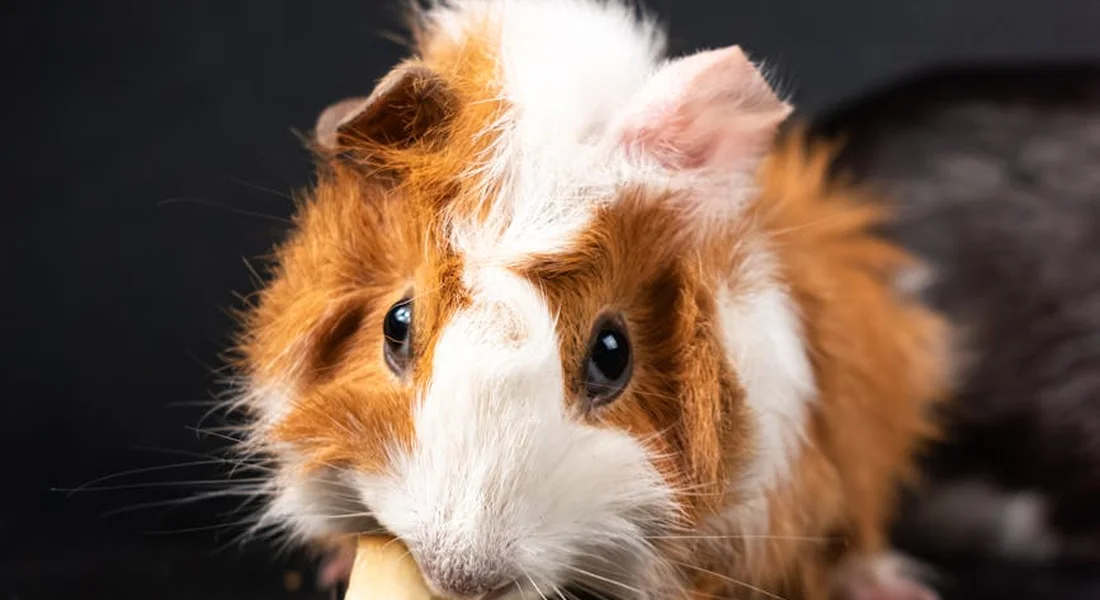
Many owners unknowingly offer vegetables that cause digestive upset or offer no real nutritional value. Iceberg lettuce is a classic example-it’s mostly water and can lead to diarrhea, providing little benefit to your guinea pig. I learned this the hard way when Pepper had a very messy cage after I tried giving him a piece.
Another frequent error is overfeeding high-oxalate veggies like spinach or parsley. Too much of these can contribute to the formation of painful bladder stones over time. I used to give Clover a big sprig of parsley every day until my vet warned me about the risks.
- Avoid starchy vegetables like potatoes and corn, which are difficult for them to digest.
- Never feed vegetables from the allium family, including onions, garlic, and leeks, as they are toxic.
- Introduce any new vegetable in a tiny, thumbnail-sized piece to monitor for any adverse reactions.
Ensuring a Balanced Veggie Diet
Aim for a colorful mix of leafy greens and crunchy vegetables each day. Rotating between romaine lettuce, cilantro, bell peppers, and cucumber ensures they get a spectrum of vitamins without overloading on one type. My trio gets especially excited when they see the bright red bell peppers coming their way.
Think of their veggie plate like a rainbow on their dinner plate. Different colors often signify different nutrients, so variety is the key to a robust and resilient immune system. Biscuit, for instance, adores the dark leafy greens like kale, which are packed with Vitamin C.
- Start with a base of a safe leafy green, like romaine or green leaf lettuce.
- Add one or two other vegetables, such as a slice of bell pepper or a few sprigs of cilantro.
- Include a high-Vitamin C source daily, like a small piece of orange bell pepper or a broccoli floret.
- Limit sweeter vegetables, like carrots, to occasional treats to prevent weight gain.
How to Handle Spoiled Greens and Water Issues
Always check vegetables for wilting, sliminess, or mold before serving. One bad leaf can cause a stomach ache, so I make it a habit to inspect every piece of green I give to my pets. If it doesn’t look fresh enough for you to eat, don’t give it to them.
Remove uneaten vegetables from the cage within a few hours to prevent spoilage. Soggy, old food sitting in their habitat can quickly grow bacteria and attract flies, creating an unhealthy environment. I do a quick midday check to tidy up their eating area.
Wash all vegetables thoroughly to remove pesticide residues. A quick rinse under cool running water can eliminate most surface chemicals and dirt that could harm your guinea pig. I use a dedicated vegetable brush for items with thicker skins, like cucumbers or zucchini. This is part of a complete guinea pig hygiene cleaning routine. Pair it with regular cage cleaning and hand-washing before handling your pets.
Calcium and Fiber Imbalance in Diets
Risks of High-Calcium Foods
While calcium is necessary, an excess is a primary cause of bladder stones in guinea pigs. Feeding high-calcium veggies like kale and spinach every single day can dramatically increase this risk. I now reserve these for just a couple of times a week for my herd.
You might notice a white, chalky residue in their urine if their calcium intake is too high. This grainy texture is a warning sign that their body is excreting excess minerals, which can crystallize into stones. Spotting this early allows you to adjust their diet before a serious problem develops.
- Limit alfalfa hay to young, pregnant, or nursing guinea pigs due to its high calcium and protein content.
- Choose low-calcium greens like endive, cilantro, and romaine lettuce as daily staples.
- Provide fresh, filtered water constantly to help their system flush out excess minerals.
Maintaining Proper Fiber Levels
Unlimited, high-quality grass hay should form the bedrock of your guinea pig’s diet. Timothy hay or orchard grass is perfect for adults, providing the essential fiber needed for healthy digestion and constantly growing teeth. The sound of my pigs munching on hay is the soundtrack to my home office.
Fiber keeps their gut moving and prevents dangerous conditions like GI stasis. A diet low in fiber can lead to a slow, sluggish digestive system, which is a medical emergency for a guinea pig. I always make sure their hay rack is overflowing before I leave the house.
- Ensure a fresh, unlimited supply of grass hay is available 24/7.
- Offer a measured amount of high-fiber, timothy-based pellets daily.
- Incorporate fibrous vegetables like celery (cut into small, safe pieces to avoid choking) and bell peppers.
- Encourage natural foraging behavior by hiding hay in paper bags or toilet paper tubes.
Correcting Diet Imbalances Step by Step
If you suspect a diet imbalance, the first step is to transition their food slowly. Sudden changes can shock their sensitive digestive systems, so always introduce new foods over a week. When I switched my pigs from alfalfa to timothy hay, I mixed them together for several days.
Begin by replacing high-calcium vegetables with low-calcium alternatives. Swap out daily kale for romaine lettuce and parsley for cilantro to immediately reduce their mineral load. My guinea pigs didn’t even notice the difference, but their urinary health improved.
Increase their hay consumption by offering different types or forms of hay. Sometimes offering second-cut timothy hay, which is leafier and softer, can encourage a picky eater to consume more fiber. Clover is particularly fond of the softer orchard grass hay.
Consult with a veterinarian experienced with guinea pigs for a tailored plan. A vet can perform a urinalysis and provide specific guidance based on your pet’s unique health status and any existing issues. This professional input is invaluable for long-term wellness.
Toxic and Processed Food Dangers
Identifying Harmful Foods
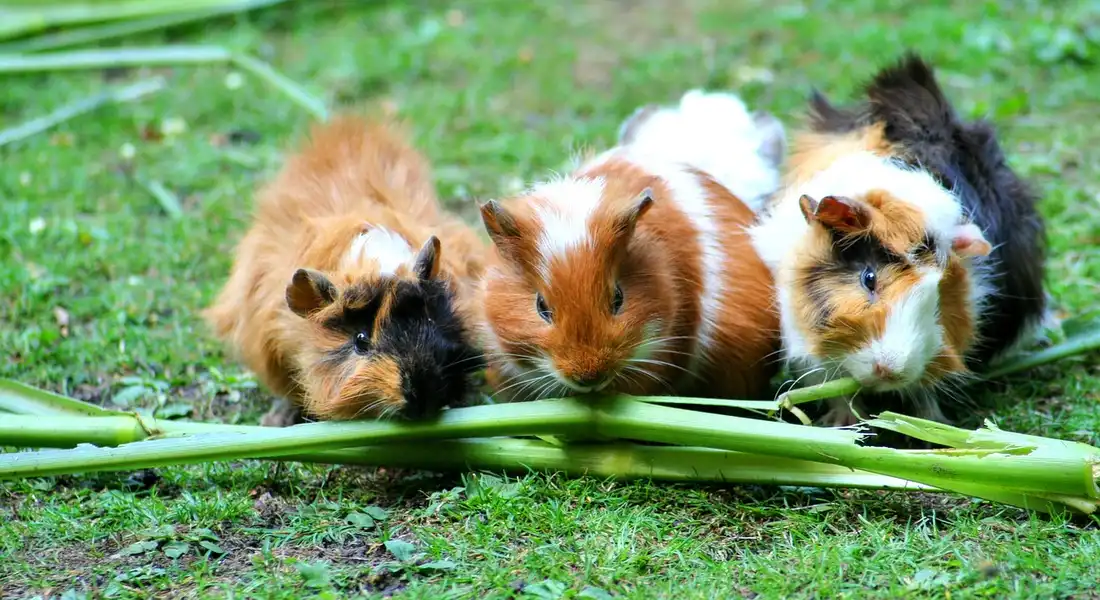
Guinea pigs have sensitive digestive systems that can’t handle many common human foods. I learned this the hard way when Clover nibbled on a piece of onion skin I’d dropped—she became lethargic and needed quick vet care. Always avoid items like chocolate, onions, garlic, avocado, and anything high in sugar or salt. These can cause severe issues like bloating, kidney damage, or even poisoning. So, what do normal guinea pig eating habits look like? In general, they should be grazing on hay most of the day, with a daily serving of fresh vegetables and a small, measured amount of pellets.
- Chocolate and sweets: Lead to obesity and digestive upset.
- Onions and garlic: Can destroy red blood cells, causing anemia.
- Avocado: Contains persin, which is toxic to small pets.
- Processed snacks: Chips or bread often have additives that harm their gut.
Stick to fresh, plant-based options to keep your pets safe and thriving.
Healthy Alternatives to Treats
Instead of risky human snacks, offer nutritious treats that mimic their natural diet. Pepper loves the sweet crunch of bell peppers, and I’ve seen how it boosts her energy without any downsides. Focus on variety to prevent boredom and ensure balanced nutrition.
- Fresh veggies: Carrots, cucumber, or leafy greens like romaine lettuce.
- Fruits in moderation: Apple slices or berries-remove seeds to avoid choking.
- Herbs: Parsley or cilantro add flavor and vitamins.
- Hay-based treats: Timothy hay cubes encourage chewing and dental health.
Rotate these options to keep meals exciting and support their well-being.
Emergency Steps for Accidental Ingestion
If your guinea pig eats something toxic, act fast to minimize harm. Remove any remaining harmful food immediately and observe for signs like vomiting or weakness. Contact your vet right away—delays can worsen the situation. To prevent these incidents, be aware of 10 common foraging mistakes that could poison your guinea pig. This knowledge helps you keep your pet safe.
- Check what and how much they ate; note any symptoms.
- Offer fresh water to help flush out toxins, but don’t force-feed.
- Keep them warm and calm in a quiet space to reduce stress.
- Call your veterinarian for advice or an emergency visit.
Quick action saved Biscuit once after she got into some old bread-it taught me to always double-check their environment.
Improper Food Introduction and Grazing Habits
The Importance of Gradual Changes
Sudden diet shifts can upset your guinea pig’s stomach, leading to diarrhea or refusal to eat. I introduce new foods over 5-7 days, mixing small amounts with their usual meals to avoid shock. Start with a tiny portion and increase slowly while watching for any adverse reactions.
- Day 1-2: Offer a pinch of the new food alongside their regular diet.
- Day 3-4: Gradually increase the portion if no issues arise.
- Day 5-7: Fully integrate it if they tolerate it well.
This method helps their digestive system adapt without stress.
Encouraging Natural Grazing Behavior
Guinea pigs are natural grazers, so replicating this behavior prevents obesity and boredom. Provide unlimited access to high-quality hay, like timothy or orchard grass, which supports their teeth and gut health. Use hay racks or scatter it in their enclosure to mimic foraging. This approach is a core topic in our complete guide on foraging your guinea pig. It also covers enrichment tips and safe foraging setups.
- Keep hay fresh and dry-replace it daily to avoid mold.
- Add hiding spots with hay to stimulate exploration.
- Include safe, chewable toys to promote continuous eating habits.
Clover’s graceful movements while grazing remind me how vital this is for their happiness.
Monitoring and Adjusting Diets Over Time
As guinea pigs age, their dietary needs change, so regular checks are essential. Weigh them weekly and note any shifts in appetite or behavior to catch issues early. Adjust portions based on activity level-older pets might need fewer calories but more fiber.
- Track weight and food intake in a simple journal.
- Consult your vet during routine check-ups for tailored advice.
- Increase hay and reduce sugary treats if weight gain occurs.
- Watch for signs like dull fur or low energy, which signal diet imbalances.
Biscuit’s reserved nature meant I had to be extra observant, and it paid off with her steady health.
FAQs
What should a guinea pig diet chart include?
A guinea pig diet chart should outline daily portions of unlimited hay, measured pellets, and fresh vegetables to ensure balanced nutrition. It helps prevent overfeeding and supports digestive health by clearly showing safe food choices and serving sizes. It should also reflect daily calorie requirements for guinea pigs to ensure they get enough energy without overfeeding.
What are the recommended percentages for a guinea pig’s diet?
Ideally, a guinea pig’s diet should consist of about 80% high-quality hay, 10-15% fresh vegetables, and 5-10% fortified pellets. This ratio supports proper digestion, dental wear, and overall wellness while minimizing health risks like obesity. This is the ideal overall diet for a healthy guinea pig. It can be adjusted as needed for age, health, and activity levels under veterinary guidance.
What are the basics of a guinea pig diet for new owners?
Beginners should focus on providing unlimited timothy hay, a small daily portion of vitamin C-fortified pellets, and a variety of safe vegetables like bell peppers and romaine lettuce. Because guinea pigs can’t synthesize vitamin C, they need a small daily intake. A common target is about 10-15 mg per day, which you can help meet with fortified pellets and vitamin-C-rich vegetables. Always introduce new foods gradually and avoid toxic items to keep your guinea pig healthy.
Can you provide a sample daily diet plan for a guinea pig?
A sample daily plan includes unlimited access to timothy hay, 1/8 cup of pellets in the morning, and a cup of mixed veggies like cilantro and cucumber in the evening. Adjust portions based on your pet’s age and activity level to maintain ideal weight.
Where can I find a printable guinea pig diet chart?
You can find printable guinea pig diet charts on reputable pet care websites or through veterinary resources that offer free PDF downloads. These charts provide visual guides for daily feeding routines and help track your guinea pig’s nutritional intake easily.
Your Guinea Pig’s Health Starts with You
Steering clear of sugary treats and low-quality pellets while providing unlimited, high-quality hay and fresh, leafy greens is the foundation of a thriving guinea pig. Including safe vegetables and greens in moderation—such as romaine lettuce, bell peppers, and cucumber—helps round out their daily intake. A varied diet of hay plus these greens supports steady vitamin C and digestive health. This simple, consistent dietary routine prevents the vast majority of common and serious health problems.
Remember, being a great pet owner means committing to lifelong learning about their specific needs and making sustainable, eco-friendly choices for their habitat and food. Your dedication to understanding their unique biology is the greatest gift you can give your furry companions.
Further Reading & Sources
- What To Feed a Guinea Pig | RSPCA – RSPCA – rspca.org.uk
- 10 Biggest Guinea Pig Diet MISTAKES (and How to Fix them!) – YouTube
- Feeding Guinea Pigs | VCA Animal Hospitals
- Guinea pig feeding – Humane Society
Kate is a passionate guinea pig owner and advocate for small pet welfare. With over a decade of experience caring for guinea pigs, she has become a trusted voice in the small pet community.
Uncategorized