Can Guinea Pigs Live in Glass Tanks or Aquariums? Here’s Why It’s Not Recommended
Hello CavyFam! If you’re eyeing a glass tank as a home for your guinea pig, you’re likely curious about its suitability and safety.
Many owners worry about proper airflow, cleaning ease, and whether their pets can thrive in such an enclosed space.
In this article, we’ll explore the critical factors that make glass tanks a poor choice for guinea pig habitats.
- Ventilation issues and respiratory risks
- Hygiene challenges and cleaning difficulties
- Space limitations affecting natural behaviors
- Better, safer housing options for your cavy
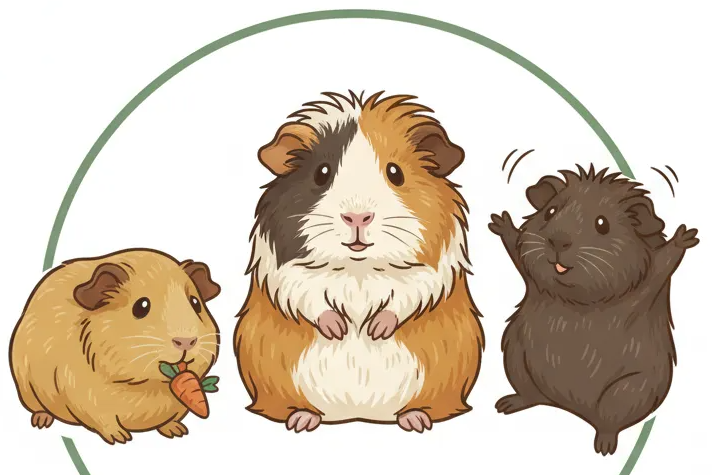
With years of firsthand experience raising guinea pigs like my gentle Pepper, graceful Clover, and reserved Biscuit, I offer advice rooted in real-life care and animal welfare.
What Exactly Is a Guinea Pig Glass Tank Setup?
A glass tank setup involves placing a guinea pig inside a standard fish aquarium or terrarium, often with a wire mesh lid on top. Many new owners mistakenly believe this provides a secure, escape-proof home that’s easy to clean and observe their pet through.
- Glass tanks are enclosed containers primarily designed for aquatic or reptile life, not for mammals that require constant fresh air circulation.
- A common misconception is that the wire lid provides enough ventilation, but it simply doesn’t allow for the cross-ventilation that guinea pigs desperately need.
- Another misunderstanding is that the smooth glass walls prevent bedding from being kicked out, but this minor convenience is vastly outweighed by the serious health drawbacks.
When I compare this to a proper guinea pig cage, the differences are stark. Typical rodent enclosures feature wire sides that promote excellent airflow, making the entire environment feel fresher and healthier for your pets. Different cage types have their own pros and cons to weigh. Understanding those trade-offs helps me choose what works best for Pepper, Clover, and Biscuit. My own guinea pigs, Pepper, Clover, and Biscuit, live in a large C&C cage, and the difference in air quality compared to a temporary glass tank I once tried is night and day.
Why Glass Tanks Pose Serious Health Risks
The primary danger of a glass tank is its poor ventilation, which creates a stagnant environment where harmful gases become trapped. Ammonia from urine quickly accumulates in this enclosed space, creating a toxic atmosphere that directly irritates your guinea pig’s sensitive respiratory tract.
- Poor ventilation leads to ammonia buildup, which can cause permanent lung damage and chronic breathing problems over time.
- High humidity levels develop in glass tanks, creating a breeding ground for mold, mildew, and bacteria that can lead to skin infections.
- These combined factors create immense physical stress on your pet’s body, weakening their immune system and making them susceptible to recurring illnesses.
I learned this lesson firsthand when I had to temporarily house one of my guinea pigs in a large aquarium for just two days. Even with frequent cleaning, I noticed a distinct ammonia smell developing within hours and observed my normally active guinea pig becoming lethargic and breathing more heavily. This experience made me realize that air quality matters for small pets: household scents and cleaning chemicals can irritate guinea pigs’ delicate lungs. This quick decline showed me how unsuitable these environments are for animals that produce as much waste as guinea pigs. Respiratory infections are a leading cause of death in guinea pigs, and poor housing is often the culprit.
The Critical Role of Ventilation in Guinea Pig Homes
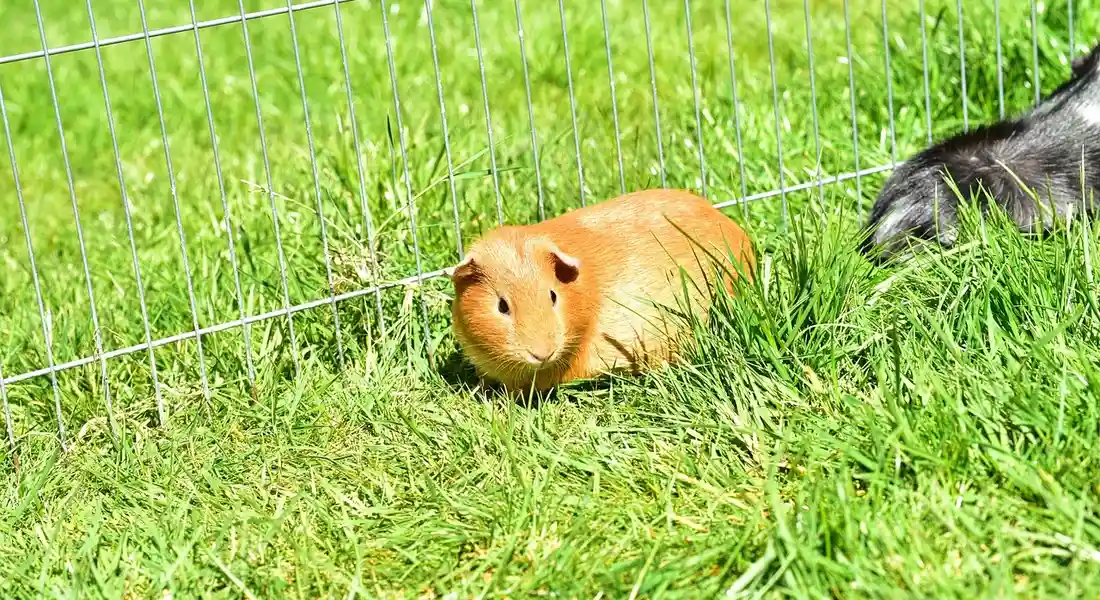
Proper airflow is the invisible lifeline your guinea pigs depend on every single day. Without good ventilation, a glass tank becomes a stuffy, damp box that traps heat and humidity right where your pets live and breathe. I learned this the hard way with my first guinea pig, Biscuit, when I noticed condensation forming on the walls of a temporary tank setup, creating an environment ripe for respiratory issues.
Stagnant, humid air encourages the growth of harmful bacteria and mold from urine and damp bedding. Ammonia from urine can quickly accumulate in a poorly ventilated space, leading to serious respiratory infections and eye irritation. My pig, Pepper, once developed a sniffle after just a few hours in a travel carrier with limited airflow, reminding me how sensitive their respiratory systems truly are.
How to Test and Improve Ventilation
You can easily check if your guinea pig’s home has sufficient air exchange.
- Place your hand inside the enclosure for a minute – if the air feels noticeably warmer or stuffier than the room air, ventilation needs improvement.
- Hold a small mirror near the top of the enclosure – if it fogs up quickly, humidity is too high.
- Monitor condensation on enclosure walls, which signals poor moisture evaporation.
To boost airflow in any setup, ensure at least two sides of the enclosure have open wire mesh and position the habitat away from direct sunlight and heating vents. I keep my guinea pigs’ cage near a room air vent (not directly under it) and run a ceiling fan on low to maintain consistent air movement without creating drafts.
Why Wire Cages Excel at Air Circulation
Traditional wire cages with solid bottoms provide the ideal balance of security and ventilation. Mesh walls allow air to circulate freely from all directions while preventing the dangerous buildup of heat and gases. Unlike glass tanks that trap everything inside, wire cages let odors and moisture dissipate naturally, creating a fresher living environment.
My three guinea pigs live in a large wire cage, and I’ve noticed they’re more active and vocal compared to when I tried a glass tank years ago. The constant fresh air flow seems to keep them more engaged with their surroundings and each other, although they are sensitive to loud noises.
How Glass Tanks Affect Guinea Pig Behavior and Comfort
Guinea pigs are naturally curious animals who thrive on environmental stimulation. Living in a glass tank is like being in a fishbowl – you can see out, but your world becomes limited to what’s directly in front of you. My Abyssinian, Clover, would repeatedly try to look upward and sideways through the glass walls, appearing frustrated when her view was blocked.
These social animals rely on peripheral vision to feel secure and connected to their herd mates and environment. Glass walls create visual barriers that prevent normal social interactions and environmental awareness, leading to increased stress levels. I noticed my typically vocal guinea pigs became much quieter when confined to glass, as if their world had suddenly become smaller.
Restricted Movement and Natural Behaviors
Guinea pigs express joy through spontaneous jumps called “popcorning” and love exploring every corner of their territory. Popcorning is a sign of happiness and energy, a little leap of celebration that also helps them stretch their muscles. Glass tanks inherently limit the horizontal running space these active animals need for healthy exercise and play. When I temporarily housed Biscuit in a tank, her characteristic popcorning almost completely stopped – she simply didn’t have the runway space to build up momentum for those happy leaps.
The confined space also affects their natural foraging and exploring instincts. Guinea pigs need room to establish separate areas for sleeping, eating, and eliminating – a difficult task in the single-chamber environment of most glass tanks. My pigs naturally create distinct zones in their larger cage, something I’ve never observed in tank setups.
Signs Your Guinea Pig Is Unhappy in Their Enclosure
Watch for these behavioral changes that might indicate enclosure-related stress:
- Excessive hiding even during normal active hours
- Reduced vocalization (fewer wheeks and purrs)
- Repetitive pacing along the enclosure walls
- Decreased appetite or interest in treats
- Overgrooming or fur chewing
When I moved my guinea pigs from a trial glass tank back to their wire cage, the immediate increase in happy wheeking and exploratory behavior told me everything I needed to know about their preference. They resumed their normal routines of running laps at dawn and dusk, something they’d rarely done in the more confined space. That shift reminded me of their crepuscular rhythm. Guinea pigs tend to be most active at dawn and dusk, so understanding these daily patterns helps with timing enrichment and care.
Your guinea pigs’ behavior provides the clearest feedback about their living conditions. Observing their natural behaviors flourish in a properly ventilated, spacious enclosure is one of the most rewarding parts of guinea pig ownership. Trust their actions – they’ll show you what makes them truly comfortable and content. To know if your guinea pigs are happy, watch for steady energy and curious exploration. Signs like relaxed grooming and calm, alert behavior indicate true contentment.
Better Housing Options for Happy, Healthy Guinea Pigs
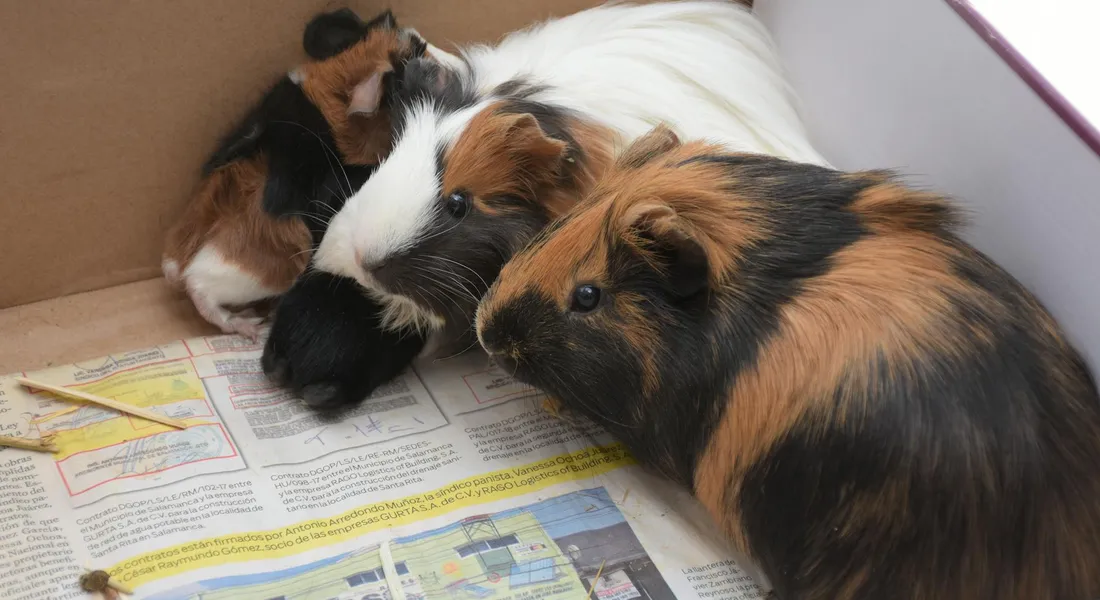
After years of trial and error with my own herd, I’ve found that a proper enclosure makes all the difference in their well-being.
The right habitat encourages natural behaviors like “popcorning” and zoomies, which you’ll rarely see in a restrictive tank.
Top Recommended Cage Types
I strongly advocate for two main types of cages that have worked wonders for my guinea pigs.
- C&C Cages (Cubes & Coroplast): These are my personal favorite. You build the walls with wire storage grids and use a Coroplast plastic base. The customization is fantastic. I built a massive two-level one for Pepper, Clover, and Biscuit, and they love the extra running space.
- Wire Cages with Solid Floors: Look for cages specifically marketed for guinea pigs. The key is a solid, plastic base-not wire flooring, which can injure their delicate feet. The wire tops provide excellent ventilation that tanks completely lack.
Your Step-by-Step Guide to Choosing the Perfect Home
Follow this simple process to find a cage your piggies will thrive in.
- Calculate the Right Size: The absolute minimum for one guinea pig is about 7.5 square feet, but more is always better. For my two girls, I provide over 10 square feet. More space means less squabbling and a happier family.
- Select Safe Materials: Ensure all materials are non-toxic and chew-proof. The Coroplast in C&C cages is perfect for this, as it’s safe if they nibble on the edges.
- Evaluate Ventilation: Good airflow is non-negotiable. A cage with wire sides allows air to circulate freely, preventing the damp, stale air that causes respiratory infections.
- Plan for Easy Cleaning: Your cage should have a deep base to contain bedding and allow for spot-cleaning. A removable bottom pan makes deep cleans much less of a chore.
- Add Essential Features: Ensure the cage can comfortably fit a heavy ceramic food bowl, a water bottle, a hay rack, and at least one secure hideout for each pig.
Comparing Your Enclosure Options
| Enclosure Type | Pros | Cons |
|---|---|---|
| C&C Cage | Fully customizable size, excellent ventilation, cost-effective for large spaces | Requires some DIY assembly, not as portable |
| Wire Cage (Solid Floor) | Often comes pre-assembled, great airflow, readily available in pet stores | Can be expensive for a large enough size, limited customization |
| Glass Tank/Aquarium | Contains bedding mess | Very poor ventilation, heavy and difficult to clean, retains ammonia fumes |
Spotting Trouble: Signs Your Guinea Pig’s Home Isn’t Working
Your guinea pigs will tell you when their environment is making them sick, but you have to know what to look for. If you think your guinea pigs seem sick, use a complete home troubleshooting checklist to quickly assess their environment, diet, and behavior. This helps you spot problems fast and decide when to call a vet.
Observing your pets daily is the single best way to catch health issues early, before they become serious.
Symptoms of Respiratory Distress
Poor ventilation is a primary cause of respiratory illness. Watch for these signs closely.
- Sneezing Frequently: An occasional sneeze is normal, but constant, wet-sounding sneezing is a major red flag.
- Wheezing or Clicking Sounds: Listen to their breathing when they are resting. Any audible rasp, whistle, or click from their chest or nose means trouble.
- Labored Breathing: If their sides are moving heavily or they seem to be breathing with their mouth open, this is an emergency.
- Crusty Eyes or Nose: Discharge from the eyes or nose, often making the fur on their front paws dirty, indicates a serious upper respiratory infection.
Behavioral Red Flags
Illness and stress from a bad habitat will dramatically change their personality.
- Lethargy and Hiding: A guinea pig that stops coming out for food, doesn’t run around, or hides constantly is likely very sick or deeply stressed.
- Loss of Appetite: If they aren’t excited about fresh veggies or hay, it’s one of the clearest signs something is wrong.
- Unusual Aggression: A normally gentle pig like Pepper becoming snippy with her cage mates can be a sign of pain or extreme discomfort from their living conditions.
Immediate Actions to Take
If you notice any of these warning signs, you need to act quickly for the sake of your pet.
- Move Them Immediately: If they are in a tank, get them into a well-ventilated temporary enclosure, like a large plastic bin with massive air holes, right away.
- Contact Your Veterinarian: Respiratory infections can be fatal for small animals. Do not wait to see if it gets better; call an exotic vet experienced with guinea pigs.
- Deep Clean the Environment: While your pet is at the vet or in a temporary space, thoroughly clean and disinfect their main enclosure to remove any bacteria or ammonia buildup.
Creating an Ideal Living Space Step by Step
Selecting the Right Bedding, Hideouts, and Enrichment
Start by picking bedding that feels soft and absorbs moisture well. I always use fleece liners for Pepper, Clover, and Biscuit because they are cozy and reduce waste compared to disposable options. Avoid cedar or pine shavings, as they can irritate their sensitive respiratory systems-paper-based bedding or aspen shavings are safer choices.
- Choose bedding that is dust-free and non-toxic to keep your guinea pig comfortable and healthy.
- Add multiple hideouts like tunnels or small houses; my pigs love having spots to retreat when they feel shy or tired.
- Include enrichment items such as hay racks, chew toys, and simple cardboard tubes to encourage natural behaviors and prevent boredom.
Ensuring Proper Floor Space for Your Guinea Pigs
Guinea pigs need ample room to move, play, and exercise. For one guinea pig, aim for at least 7.5 square feet of floor space, but I’ve seen my trio thrive in larger areas that let them run and explore freely. If you have multiple pigs, like I do with Pepper, Clover, and Biscuit, provide a minimum of 10.5 square feet to reduce stress and promote harmony. This is just one piece of a complete space requirements guide on how big a guinea pig cage should be. It covers sizing by number of pigs and enclosure type.
- Single guinea pig: 7.5 sq ft minimum
- Two guinea pigs: 10.5 sq ft minimum
- Three or more: Add extra space-around 2-3 sq ft per additional pig for optimal comfort
Simple Cleaning Routines to Maintain Hygiene
Keeping the habitat clean prevents odors and health issues. I do a quick daily spot-clean by removing soiled bedding and wiping surfaces with a vinegar-water mix-it’s safe and effective for my pigs’ sensitive noses. A weekly deep clean involves washing all items and replacing bedding to ensure a fresh environment.
- Daily: Remove wet spots and uneaten food; check hideouts for debris.
- Weekly: Empty the entire enclosure, scrub with pet-safe cleaner, and dry thoroughly before reassembling.
- Monthly: Inspect toys and structures for wear, and rotate enrichment items to keep things interesting for your pets.
FAQs
What defines a guinea pig aquarium setup?
A guinea pig aquarium setup refers to repurposing a standard glass fish tank as a living space, often with a wire mesh cover. This type of enclosure is inherently flawed for guinea pigs due to its enclosed design and lack of adequate airflow.
How is a guinea pig aquarium different from a proper cage?
A guinea pig aquarium is a sealed glass container, while a proper cage has wire sides that allow for continuous air circulation. The aquarium traps heat and ammonia, whereas a cage promotes a healthier, fresher environment for your pets. In a beginner’s guide to the best cage setup for new guinea pigs, size, ventilation, and secure access matter most. This article will walk you through turning a simple cage into a safe, comfy home.
What are common misconceptions about using aquariums for guinea pigs?
Some owners believe aquariums keep bedding contained and offer easy viewing, making them a convenient choice. However, these benefits are minor compared to the major risks of respiratory issues and high humidity levels inside the tank.
Why might someone initially consider an aquarium for their guinea pig?
People might choose an aquarium because it seems secure and straightforward to set up, especially if they already have one available. Unfortunately, this setup does not meet the ventilation and space requirements essential for guinea pig health and happiness.
What are the immediate drawbacks of a guinea pig aquarium setup?
An aquarium setup quickly leads to stagnant air and ammonia buildup from urine, creating a toxic atmosphere. It also restricts movement and natural behaviors, causing stress and potential health declines in guinea pigs.
Your Guinea Pig’s Health and Happiness Matter
Based on my time caring for guinea pigs like gentle Pepper, I’ve seen how glass tanks trap moisture and limit fresh air, risking respiratory troubles. Always pick a well-ventilated cage with ample space to keep your pet safe and content.
Stay committed to learning about guinea pig needs to be a thoughtful owner. Choosing eco-friendly options, like recycled paper bedding, supports both your furry friend’s comfort and our environment. Curious which bedding—paper, wood, or fleece bedding—best suits your guinea pig? We’ll compare their pros and cons to help you decide.
Further Reading & Sources
- Can a Guinea Pig Stay in an Aquarium? | Pets on Mom.com
- r/guineapigs on Reddit: Glass Tank for guinea pig- is it ok ?
- Are aquarium tanks good for piggys? – Guinea Pig Cages
- Can I put one guinea pig in a 10-gallon tank? – Quora
Kate is a passionate guinea pig owner and advocate for small pet welfare. With over a decade of experience caring for guinea pigs, she has become a trusted voice in the small pet community.
Uncategorized