Why Do Guinea Pigs Flip Their Food Bowls and How to Stop It
Hello CavyFam! Does your guinea pig’s food bowl constantly end up flipped over, leaving you puzzled and frustrated?
You might worry this behavior signals boredom or health issues, but it’s often a simple habit with easy fixes.
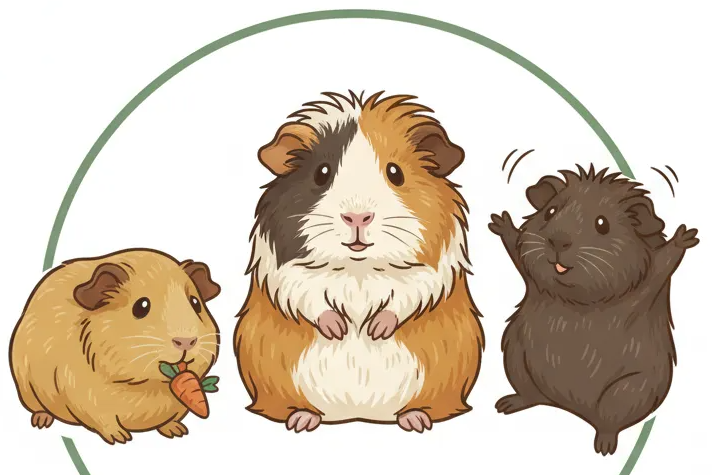
I’ll explore common reasons for flipping, step-by-step solutions, and safety tips for your pet. Having cared for my guinea pigs Pepper, Clover, and Biscuit for years, I’ve personally tackled this quirky behavior and found what works best.
Understanding Guinea Pig Bowl Flipping Behavior
Guinea pigs flip their food bowls for several instinctual reasons, and I have seen this firsthand with my own pets like Clover, who loves to explore. This behavior often stems from natural curiosity and environmental triggers that you can easily address.
- Boredom: Without enough activities, guinea pigs may flip bowls to entertain themselves.
- Playfulness: They use bowls as toys to satisfy their playful instincts.
- Environmental factors: Changes in cage setup or noise can trigger flipping.
Boredom and Lack of Stimulation
When guinea pigs lack mental stimulation, they resort to flipping bowls out of sheer boredom. I have found that adding simple enrichment, like hiding veggies in cardboard tubes, keeps my guinea pigs like Biscuit engaged and reduces this habit. Often rotating their toys helps maintain novelty and curiosity. Try rotating toys weekly or providing chew blocks to keep their minds active.
Food and Feeding Habits
The type and amount of food you offer can influence bowl flipping. Overfilling bowls or using pellets that are too hard might lead to frustration, as I noticed with Pepper who prefers softer greens. Stick to fresh veggies and hay in small portions, and feed at consistent times to create a calm routine.
Cage Setup and Bowl Placement
A poorly arranged cage encourages bowl flipping, so focus on stability and placement. Placing bowls in corners or on flat, non-slip surfaces, as I do for my guinea pigs, prevents easy tipping and keeps meals secure. Avoid high-traffic areas where they might bump into bowls during play.
Common Causes of Bowl Flipping in Guinea Pigs
Several primary reasons drive this behavior, and understanding them helps in finding solutions. By recognizing these causes, you can tailor your approach to keep your guinea pig happy and healthy. Here are the seven most common causes of guinea pig fighting and how to prevent them.
- Playful antics: Guinea pigs are naturally curious and may flip bowls as part of exploration.
- Cleanliness instincts: They might tip bowls if they sense food is stale or the area is dirty.
- Dislike of bowl material: Certain materials, like lightweight plastic, can be uncomfortable or noisy.
Playfulness and Exploration
Guinea pigs often flip bowls simply because it is fun and satisfies their inquisitive nature. My Abyssinian, Clover, will nudge her bowl around to investigate new sounds, showing how play drives this behavior. Provide safe, interactive toys like tunnels or balls to redirect their energy away from food dishes.
Health-Related Issues
Sometimes, bowl flipping signals underlying health problems that need attention. Watch for signs like drooling, weight loss, or reluctance to eat, as these could point to dental issues or illness, which I have monitored closely with Biscuit. If flipping is sudden or frequent, consult a vet to rule out pain or nausea.
Practical Steps to Stop Bowl Flipping
If your guinea pig keeps flipping their food bowl, you can take simple actions to prevent it. I’ve dealt with this myself, and a few changes made a huge difference for Pepper, who used to toss his bowl daily. If you have more than one guinea pig, food aggression can crop up at mealtimes. With mindful feeding setups, you can manage mealtimes peacefully and reduce fights over a shared bowl. Follow these steps to create a calmer feeding time.
- Switch to a heavier bowl right away-ceramic or weighted options work best to resist tipping.
- Secure the bowl with anchors or non-slip mats to keep it firmly in place during meals.
- Add enrichment items like chew toys or hay racks to distract from bowl-flipping urges.
- Observe your guinea pig’s behavior and adjust feeding routines if boredom seems to be the cause.
Choosing an Anti-Tip Bowl
Picking the right bowl can stop flipping in its tracks. Ceramic bowls are my top choice because they’re heavy and hard for guinea pigs to move, unlike lightweight plastic ones. Stainless steel bowls are durable and easy to clean, but they might slide if not anchored. Look for wide, low-profile designs that sit flat and stable. From my experience, Clover stopped flipping her bowl after I switched to a ceramic model with a rubber base.
- Ceramic: Heavy, stable, and chew-resistant-ideal for persistent flippers.
- Stainless steel: Lightweight but secure with a non-slip mat; great for easy cleaning.
- Weighted bases: Add extra stability to prevent accidental spills during active moments.
Enrichment and Routine Adjustments
Boredom often drives bowl flipping, so adding fun activities can help. I noticed Biscuit’s flipping reduced when I introduced more hay racks and wooden chew toys into his cage. Vary feeding methods by scattering some food in hay or using puzzle feeders to engage their natural foraging instincts. Stick to a consistent daily routine to reduce stress-guinea pigs thrive on predictability.
- Provide hay racks or balls to keep them busy and less focused on the bowl.
- Rotate toys weekly to maintain interest and prevent monotony.
- Incorporate hand-feeding sessions to build trust and divert attention from flipping.
When Bowl Flipping Signals Health Concerns
Sometimes, bowl flipping isn’t just mischief-it could point to a serious health issue like a flipped stomach. If your guinea pig shows other symptoms, it’s vital to act fast to ensure their well-being. This condition can be life-threatening, so watch for signs and seek vet care immediately if you suspect trouble.
- Lethargy or lack of movement, especially if they’re usually active.
- Repeated vomiting or refusal to eat, which indicates digestive distress.
- Unusual postures, like hunching or stretching uncomfortably.
- Bloating or a hard belly, which may signal internal issues.
Identifying Flipped Stomach Symptoms
Recognizing the signs early can save your guinea pig’s life. I once rushed Pepper to the vet after he flipped his bowl and seemed unusually still—it turned out he had a mild stomach issue that needed prompt care. Look for lethargy, vomiting, or odd body positions, and don’t wait to consult a veterinarian. Immediate action is crucial to prevent complications. Being attuned to signs of pain and illness in guinea pigs helps you respond quickly. Notice changes in activity, posture, or appetite to act promptly.
- Lethargy: If they’re not moving much or seem weak, it’s a red flag.
- Vomiting: Any sign of regurgitation means something’s wrong internally.
- Unusual postures: Hunched backs or stretched-out legs can indicate pain.
Preventive Care and Monitoring
Regular checks and diet tweaks can help avoid health-related flipping. By monitoring my guinea pigs’ weight and eating habits weekly, I catch potential issues before they escalate. Ensure a balanced diet rich in hay and veggies to support digestion, and schedule vet visits for routine exams. Small adjustments, like reducing high-sugar treats, can make a big difference in their overall health. It’s all part of a consistent care routine.
- Weigh your guinea pig weekly to track any sudden changes.
- Offer unlimited hay to aid digestion and reduce stomach problems.
- Limit sugary foods and introduce new items gradually to avoid upset.
Enrichment Ideas to Reduce Boredom and Flipping
Bored guinea pigs are inventive guinea pigs, and a food bowl often becomes their favorite toy. Providing proper enrichment is the most effective way to redirect that creative energy away from mealtime chaos. I’ve found that a little daily effort keeps my trio—Pepper, Clover, and Biscuit—happily occupied and their bowls right-side-up. For more boredom busters, here are 20 safe and engaging enrichment ideas for guinea pigs. They’re quick to implement and help keep Pepper, Clover, and Biscuit curious and content.
DIY Toys and Foraging Fun
You do not need to spend a fortune on fancy toys. Some of the best distractions are things you already have at home. Turning mealtime into a foraging adventure satisfies their natural instincts far better than a simple bowl ever could. My gentle Pepper especially loves these puzzles.
- Paper Roll Surprise: Stuff a clean, empty toilet paper roll with hay and hide a few pellets or a small piece of veggie inside. They will spend happy minutes shredding and foraging.
- The Muffin Tin Game: Place a single pellet or a sprig of cilantro in each cup of a muffin tin. Cover some cups with crumpled paper balls. They must “hunt” for their food.
- Cardboard Castle: A small cardboard box with entrance and exit holes cut into it becomes an instant exploration zone. Scatter their daily veggie ration inside for a rewarding treasure hunt.
- Hay Ball: Take a small, hard plastic ball (like a cat toy with holes) and pack it tightly with fresh, fragrant hay. They will nudge and roll it for hours to get the tasty pieces out.
Social and Environmental Enrichment
Guinea pigs are highly social animals who thrive on companionship and a dynamic environment. A lonely pig or a boring cage is a primary recipe for food bowl flipping. My thoughtful Clover became much more content once I focused on her social needs. In groups, guinea pigs form a herd, and knowing a few herd facts—such as their need for companionship and how they communicate—helps you keep them happy. Group living also supports natural behaviors and reduces stress.
- Consider a Friend: If you have a single guinea pig, a compatible cage mate can provide constant companionship and play, drastically reducing boredom-related behaviors.
- Daily Floor Time: Create a safe, enclosed area outside the cage for at least an hour each day. Let them run, explore new tunnels, and interact with you directly.
- Cage Layout Rotation: Every week or two, slightly rearrange the hideys, tunnels, and water bottle in their cage. A new layout provides mental stimulation and rekindles their curiosity.
- Hidey-Hole Variety: Offer different types of hides-a fleece forest, a wooden hut, a cozy cuddle cup. This gives them choices and control over their environment, which promotes well-being.
FAQs
Why do guinea pigs flip on their sides?
Guinea pigs may flip on their sides to stretch out comfortably or as part of playful behavior. This is often normal, but if it happens frequently, check for signs of discomfort or illness. In some cases, a persistent head tilt in guinea pigs or changes in balance can signal neurological or vestibular issues. If you notice a head tilt that occurs more often or lasts longer, consult a veterinarian.
What does it mean when a guinea pig lies on its back?
Lying on their back is uncommon and can indicate stress, fear, or a potential health issue like respiratory distress. If you observe this, monitor your pet closely and seek veterinary advice if it persists.
Why do guinea pigs smack their lips?
Lip smacking is typically a harmless behavior related to grooming, eating, or communicating contentment. However, if it’s excessive or accompanied by drooling, it might point to dental problems that need a vet’s attention.
Are guinea pig slippers safe for my pet to play with?
Guinea pig-shaped slippers are not pet toys and could pose risks like choking or ingestion if chewed. Always opt for guinea pig-safe play options to prevent accidents and ensure their well-being. If you’re tempted by cat toys, remember many are not designed for small pets and could be unsafe. Look for guinea pig-safe play options such as tunnels, chew toys, and soft, non-toxic objects.
Can I use guinea pig clipart in my pet care guides?
Yes, guinea pig clipart can enhance educational materials by providing visual aids for care instructions. Just verify that the clipart is clear, accurate, and used in a way that supports reliable pet care information.
Wrapping Up Your Guinea Pig’s Feeding Frustrations
To curb food bowl flipping, switch to heavy, tip-proof dishes and add engaging toys to combat boredom. Based on my time with Pepper and Clover, I found that mixing up their diet with fresh veggies in a secure holder keeps them happily occupied and reduces mess.
Stay curious about guinea pig care by exploring new, eco-friendly options like biodegradable bedding or recycled toys. To properly care for guinea pigs, you also need to provide regular hay, fresh water, and a clean cage. Regular daily checks help you spot issues early. Your dedication to learning and making sustainable choices shows true compassion for your pets and the world they live in.
Further Reading & Sources
- Behavior – Flipping food bowl over – Guinea Pig Cages
- r/guineapigs on Reddit: Why does my guinea pig ALWAYS knock his food bowl over?
- r/guineapigs on Reddit: Guinea pigs keep flipping their food bowls?
- Amazon.com : STAYbowl Tip-Proof Ergonomic Pet Bowl for Guinea Pig and Other Small Pets; 1/4-Cup Size; Sky Blue : Pet Supplies
Kate is a passionate guinea pig owner and advocate for small pet welfare. With over a decade of experience caring for guinea pigs, she has become a trusted voice in the small pet community.
Uncategorized