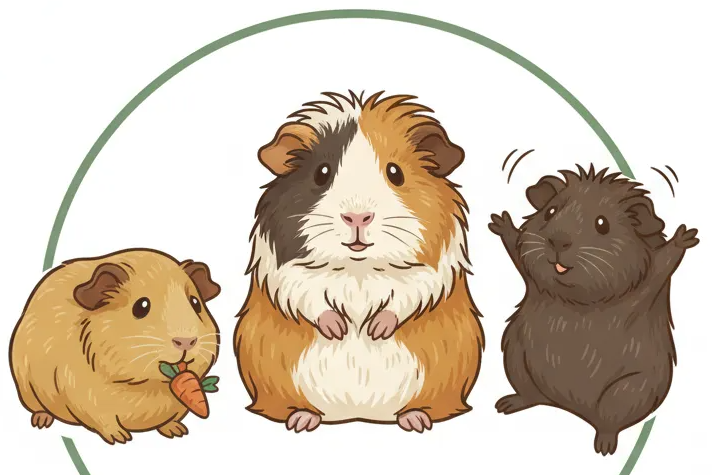
Are Guinea Pigs Rodents? Understanding Their Classification
Hello CavyFam! Have you ever gazed at your guinea pig and questioned if they fit the rodent label? This curiosity often stems from concerns about their unique care needs and whether common rodent myths apply to your furry pals.
I’ll walk you through the science and stories behind guinea pig classification. Key topics include what defines a rodent, guinea pig physical traits, scientific evidence, and how this knowledge shapes daily care.
With multiple years of hands-on experience raising guinea pigs like Pepper, Clover, and Biscuit, I offer reliable advice rooted in real-life pet ownership.
Defining Rodents: Key Traits and Characteristics
- Continuously growing incisors that never stop, requiring constant wear to prevent overgrowth.
- A specific dental formula, typically 1/1 incisors, 0/0 canines, 1/1 premolars, and 3/3 molars, which sets them apart from other mammals.
- Instinctive gnawing behavior, used not just for eating but also for exploring and maintaining tooth length.
These traits help rodents like my own guinea pigs, Pepper and Clover, adapt to various environments by enabling efficient feeding and survival. Gnawing isn’t just a habit-it’s a vital part of their health, as I’ve seen with Biscuit, who stays happy with plenty of chew toys to keep her teeth in check. This behavior reduces the risk of dental issues, which is crucial for their well-being and something I always monitor in my pets.
| Characteristic | Rodent Pets (e.g., Guinea Pig, Hamster) | Non-Rodent Small Pets (e.g., Rabbit, Ferret) |
|---|---|---|
| Continuously Growing Incisors | Yes, all have incisors that grow lifelong. | Rabbits do, but ferrets do not; rabbits are lagomorphs with different dental structures. |
| Dental Formula | Typically 1/1 incisors, 0/0 canines, emphasizing their rodent identity. | Rabbits have 2/1 incisors, while ferrets have varied formulas without constant growth. |
| Gnawing Behavior | Essential for tooth maintenance and natural exploration. | Rabbits gnaw similarly, but ferrets chew less for dental care, focusing more on play. |
The Scientific Classification of Guinea Pigs
-
Start with mammals, the broad group where guinea pigs belong, characterized by being warm-blooded and covered in fur. As a mammal owner, I appreciate how this classification means my pets, like Pepper with her golden-brown coat, rely on consistent warmth and care to thrive. This shared trait connects them to other furry friends, emphasizing the need for a cozy habitat, especially considering their origin and natural living conditions.
-
Detail the order Rodentia and suborder Hystricomorpha, which highlight evolutionary branches within rodents. Guinea pigs fall into Hystricomorpha, a group that evolved separately from mice or rats, and this distinction has shaped their social and dietary needs over time. Understanding this helps me provide a diet rich in hay and veggies, just as their wild ancestors did.
-
Dive into family Caviidae and genus Cavia, explaining their unique place in the rodent family tree. Caviidae includes species like guinea pigs that are native to South America, and in my experience, this origin influences their preference for group living, much like Clover’s graceful interactions with her cage mates. This phylogeny underscores why they thrive in pairs or small herds, promoting better welfare.
-
Conclude with species Cavia porcellus, noting its domesticated status and origins from wild cavies in the Andes. Cavia porcellus has been bred for centuries, resulting in pets like Biscuit who are gentle and adaptable, yet still retain instincts from their wild roots. Knowing this history reminds me to offer environments that mimic natural behaviors, ensuring a happy, healthy life.
Common Misconceptions: Guinea Pigs, Pigs, and Rats
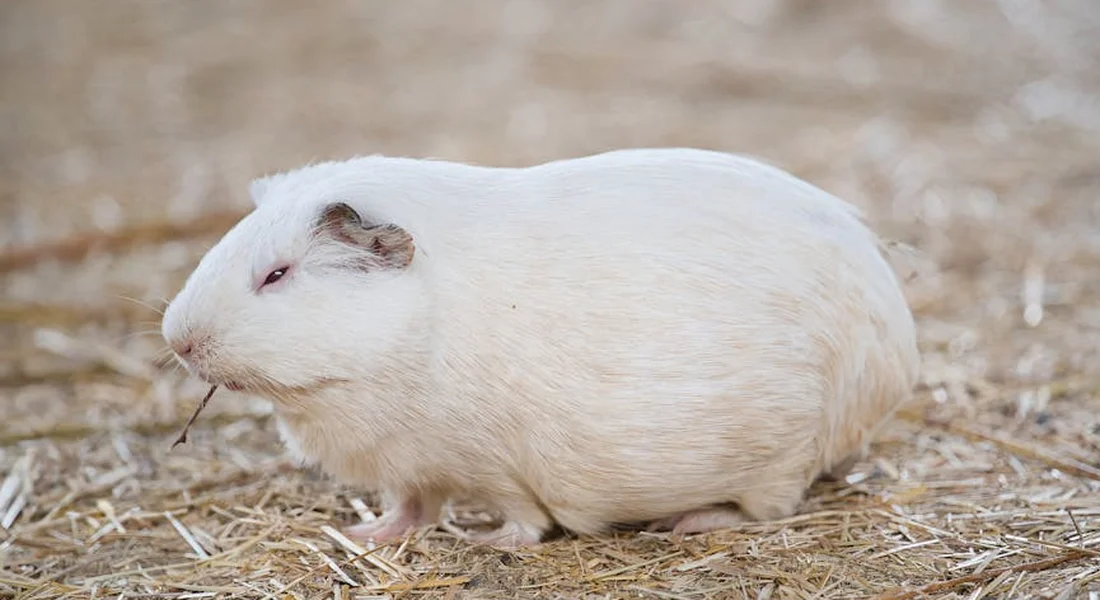
Despite their name, guinea pigs are not pigs, and they’re not giant rats either. Their misleading name likely comes from historical trade routes and the squealing sounds they make, which early Europeans associated with piglets. Their stout bodies and rounded ears might remind you of tiny pigs, but biologically, they’re entirely different animals.
- Dietary Habits: Unlike true pigs, which are omnivores, guinea pigs are strict herbivores. They thrive on hay, vegetables, and vitamin C-rich pellets, not scraps or meat.
- Social Structures: Rats are often seen as solitary or living in large, hierarchical colonies, while guinea pigs form small, stable family groups called herds, relying on constant companionship for emotional well-being.
- Physical Capabilities: Rats are exceptional climbers and can squeeze through tiny gaps, but guinea pigs are ground-dwellers with a solid build, making them poor climbers and escape artists.
- Communication: Guinea pigs communicate with a complex range of whistles, purrs, and rumbles, whereas pigs grunt and rats squeak in generally simpler vocal patterns.
I once met a family who fed their guinea pig leftover table scraps, thinking it was like a “mini farm pig.” This misunderstanding led to digestive issues and a very unhappy pet, highlighting why knowing their true biology is vital for their health. Proper care starts with recognizing they are unique rodents with specific needs.
Anatomy and Evolution of Guinea Pigs as Rodents
Guinea pigs possess the classic rodent dental formula, which is a dead giveaway of their classification. They have one pair of upper and lower incisors that never stop growing, a trait shared by all rodents to handle constant gnawing on fibrous plants. These front teeth are perfect for slicing through tough grasses and hay, supporting their strictly herbivorous diet.
Their evolutionary journey began with wild cavies in South America, where they foraged in rocky grasslands and shrublands. Domestication started over 3,000 years ago by Andean peoples, initially for food but later as cherished companions. Through selective breeding, they developed the variety of breeds and gentle temperaments we see today.
- 7 Million Years Ago: Ancestral cavies diverge from other rodent lineages, adapting to ground-level herbivory.
- 5000 BCE – 2000 BCE: Early domestication in the Andes, selected for docility and manageable size.
- 16th Century: European traders bring them overseas, where they gain popularity as exotic pets.
- Modern Era: Continued breeding enhances traits like long fur in Peruvians or rosettes in Abyssinians, alongside their innate social chatter and herd mentality.
Observing my own guinea pigs, like gentle Pepper and graceful Clover, I see how their flat molars grind down cellulose efficiently. Their anatomy is a direct result of millennia evolving as small, social herbivores in open habitats, not burrowers like many other rodents. This history shapes everything from their need for space to run to their complex vocal interactions.
Pet Care Implications of Rodent Classification
-
Step 1: Emphasize Dietary Needs
Your guinea pig’s rodent heritage directly shapes its diet. Their digestive systems are built for constant grazing on high-fiber grasses, much like their wild ancestors. That’s why hay should be the cornerstone of a guinea pig’s daily diet. It’s essential for dental wear and gut health. I make sure my guinea pigs, Pepper and Biscuit, always have a limitless supply of fresh timothy hay. This isn’t just food; it keeps their ever-growing teeth ground down and their gut moving properly.
Their bodies cannot produce Vitamin C. I learned this the hard way with my first guinea pig, so I now provide a daily serving of fresh bell peppers or a small piece of orange. This essential nutrient prevents scurvy and keeps them vibrant and healthy.
-
Step 2: Discuss Housing and Enrichment
Rodents have a natural instinct to gnaw. Providing safe, untreated wood chews and cardboard tubes is non-negotiable for their dental and mental health. My Clove loves destroying a paper towel roll stuffed with hay-it satisfies her need to work for her food.
As highly social rodents, guinea pigs should never live alone. Housing them in pairs or small groups fulfills a deep-seated need for companionship and security. Watching my trio softly “wheek” and groom each other confirms they are far happier together. That belief is one of the myths I debunk in my guide to the 10 common myths about guinea pig social needs and bonding. Understanding their true social needs helps ensure they thrive.
-
Step 3: Highlight Health Monitoring
Their continuously growing teeth are a classic rodent trait. You must regularly check that their front incisors are aligned and not overgrown, which can prevent eating. A proper hay-based diet is your first line of defense.
I also keep a close eye on their weight. A sudden drop can be the first and only sign of a serious underlying health issue common in small rodents. A simple weekly weigh-in using a kitchen scale gives me immense peace of mind.
-
Step 4: Offer Tips on Handling and Bonding
Guinea pigs are prey animals by nature, not predators. Always approach them slowly and from the front, letting them see and sniff your hand first. Sudden movements will trigger their instinct to flee. Their main defense against predators is keen alertness and rapid, low-to-the-ground escapes. Gentle, predictable handling helps them stay calm and ready to react if needed.
Building trust takes patience. I bonded with my shy Biscuit by sitting with him daily, speaking softly, and offering his favorite cilantro from my palm. Their social rodent brain learns to associate you with safety and positive experiences, forming a deep and rewarding connection.
Comparing Guinea Pigs to Other Small Mammal Pets
Understanding that guinea pigs are rodents helps clarify how they differ from other popular pets. Their specific needs set them apart in ways that are crucial for potential owners to grasp.
- Hamsters: While also rodents, hamsters are often solitary and nocturnal. Their small size and independent nature contrast sharply with the daytime, herd-oriented lifestyle of guinea pigs.
- Rabbits: Rabbits are lagomorphs, not rodents. A key difference is their diet; rabbits can tolerate more leafy greens, while a guinea pig’s diet must be more carefully managed to prevent digestive upset.
- Ferrets: Ferrets are carnivores, belonging to the weasel family. Their need for a meat-based protein diet and their playful, predatory behavior is a world away from the gentle, herbivorous nature of a guinea pig.
| Pet | Average Lifespan | Primary Diet | Social Needs |
|---|---|---|---|
| Guinea Pig | 5-8 years | Unlimited Hay, Vitamin C-rich veggies, pellets | Highly social, must live with other guinea pigs |
| Hamster | 2-3 years | Commercial seed/pellet mix, occasional veggies | Mostly solitary, can be territorial |
| Rabbit | 8-12 years | Unlimited Hay, measured pellets, leafy greens | Social, can bond with other rabbits or people |
| Ferret | 6-10 years | High-protein kibble or raw meat diet | Very social, needs daily interaction and play |
Guinea pigs’ classification as rodents makes them unique companions because of their specific blend of social dependency and gentle demeanor. They lack the solitary independence of a hamster and the intense predatory drive of a ferret. Their long lifespan and complex vocalizations for communication create a deeply interactive pet ownership experience that is both challenging and incredibly heartwarming. You’re not just keeping an animal; you’re joining a chatty, hay-munching herd. Many owners report that guinea pigs form strong bonds with their people and respond to gentle, calm handling. They often seem to sense their owner’s mood through vocal tone and body language, underscoring the emotional bond between pet and guardian.
Common Questions
Are guinea pigs classified as rodents in the United States?
Yes, guinea pigs are recognized as rodents in the US according to standard scientific taxonomy. This classification is consistent worldwide due to their shared rodent traits like continuously growing incisors. Regarding whether do guinea pigs attract rodents, guinea pigs do not reliably deter pests, and their presence alone isn’t a guaranteed attractor. Maintaining a clean cage and proper food storage are the most effective ways to minimize rodent problems.
On Reddit, people ask if guinea pigs are rodents or pigs-what’s the answer?
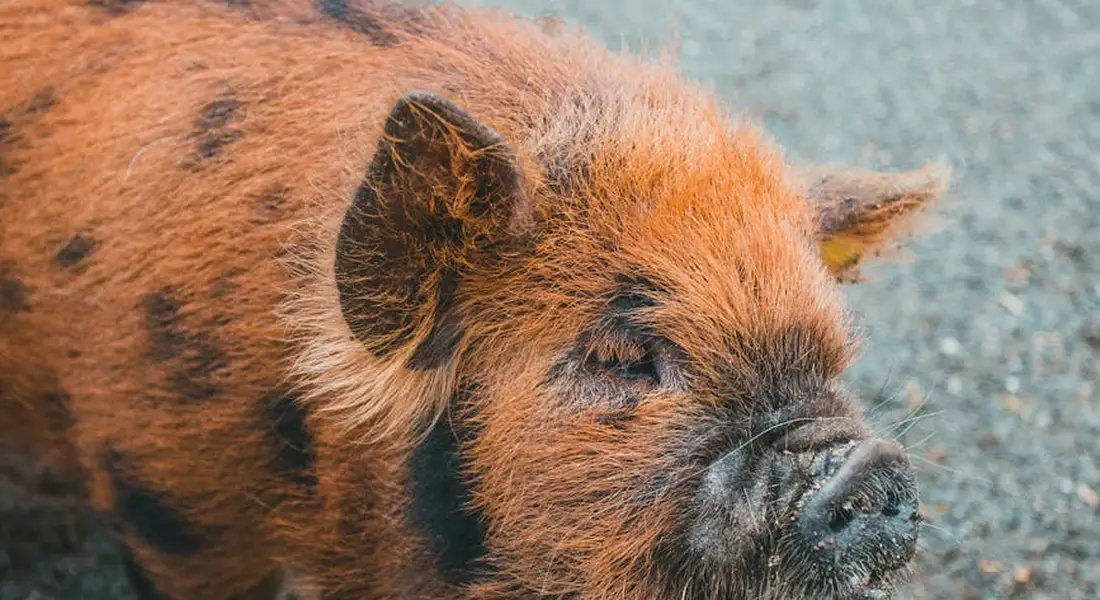
Guinea pigs are rodents, not pigs, and this common online question stems from their misleading name. Their biology as herbivores with rodent dental features clearly separates them from true pigs. Are guinea pigs actually pigs, or something else? They’re not pigs; they’re rodents known as cavies.
In Australia, are guinea pigs considered rodent pets?
Yes, in Australia, guinea pigs are regarded as rodent pets under animal care guidelines. Owners should provide species-specific housing and diet to meet their needs as social rodents. Guinea pig ownership laws and guidance vary by state or territory, so check your local regulations. Official information is available from state/territory animal welfare departments or your local council in Australia.
How are guinea pigs related to other rodents?
Guinea pigs belong to the rodent order Rodentia and are part of the suborder Hystricomorpha, which includes chinchillas and porcupines. They share evolutionary roots with these species but have unique social and dietary adaptations.
What does “guinea pig rodent” mean in simple terms?
The term “guinea pig rodent” simply means that guinea pigs are members of the rodent group based on scientific classification. It highlights their key traits, such as ever-growing teeth and herbivorous feeding habits.
So, Are Guinea Pigs Rodents?
Guinea pigs are indeed rodents, belonging to the same scientific order as mice and squirrels, but they possess unique traits like continuously growing teeth and a herbivorous diet that sets them apart. When you ask, “guinea pig diet—are they herbivores or omnivores?”, the answer is that they are strictly herbivores. Understanding this classification helps you appreciate their specific biological needs, from dental care to their complex digestive systems.
Being a responsible guinea pig owner means committing to learning about their unique welfare, including providing spacious habitats, proper companionship, and eco-friendly choices like paper-based bedding. Your journey with these wonderful creatures is a continuous opportunity to provide a safe, enriching, and loving home that respects their natural instincts.
Further Reading & Sources
- Guinea pig – Wikipedia
- The guinea-pig is not a rodent – PubMed
- Is the guinea-pig a rodent? – PubMed
- are guinea pigs rodents? – Guinea Pig Cages
Kate is a passionate guinea pig owner and advocate for small pet welfare. With over a decade of experience caring for guinea pigs, she has become a trusted voice in the small pet community.
Uncategorized