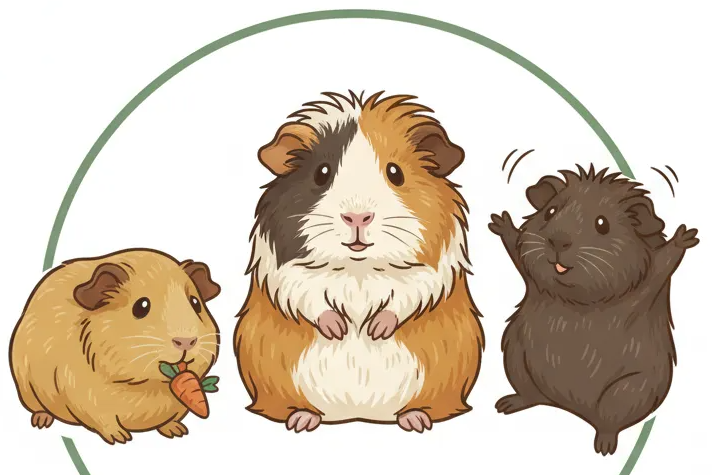
Do Guinea Pigs Like to Cuddle, Snuggle, and Be Held?
Hello CavyFam! If you’ve ever wondered whether your guinea pig truly enjoys those cozy moments in your arms or just tolerates them, you’re not alone in your curiosity.
Many pet owners worry about accidentally stressing their furry pals or missing the signs of a happy bond.
In this guide, we’ll explore how to read your guinea pig’s body language, safe handling techniques, and simple ways to build trust for more snuggles. I’ve spent years caring for guinea pigs like my own-Pepper, Clover, and Biscuit-and their unique personalities have taught me so much about what makes them feel loved and secure.
Understanding Guinea Pig Cuddling Behavior
Guinea pigs are prey animals by nature, which profoundly shapes their cuddling preferences. Their instinct is to be cautious, so trust is earned slowly and must be respected every single day. In my years with Pepper, Clover, and Biscuit, I’ve learned that a guinea pig’s willingness to cuddle is a high compliment.
They communicate their feelings through body language and sound. A relaxed guinea pig will have a loose, floppy posture. You might feel their body go soft in your hands. This “puddle pig” state is the ultimate sign they feel secure with you. It’s one of those moments that really shows how much they trust and feel comfortable around you. My boy Pepper often melts into a warm, golden-brown pancake on my lap. If you’re curious about how they bond and demonstrate affection, you can learn more about understanding their emotions.
Listen closely for their vocalizations. A soft, deep purring or “brrr” while being petted is a good sign. This gentle rumble is different from the higher-pitched, anxious purr they make when startled. My Abyssinian, Clover, makes this happy sound when I gently stroke the fur behind her ears.
How Guinea Pigs Show They Enjoy Being Held
When a guinea pig genuinely enjoys being held, their behavior is unmistakable. They aren’t just tolerating you; they are actively participating in the snuggle. To tell if your guinea pig actually enjoys being petted, watch for relaxed body language—leaning into your hand, soft eyes, and gentle purring. If they pull away, freeze, or tense up, they’re not enjoying it.
- Relaxed Posture: Their body is loose, not tense or rigid. They might even stretch out a leg or flop onto their side.
- Snuggling In: Instead of trying to move away, they nuzzle into your hand, arm, or a soft blanket. Biscuit, my Peruvian, will burrow his long fur into the crook of my elbow.
- Closed or Half-Closed Eyes: This shows a level of comfort and relaxation that is rare for a prey animal. They feel safe enough to let their guard down.
- Gentle Nibbling or Licking: This is a sign of affection and grooming. It’s their way of saying you are part of their family.
- Happy “Wheeking”: Some guinea pigs will make their classic excited sound when they see you, anticipating a cozy cuddle session.
- They Fall Asleep: The highest form of flattery is when a guinea pig dozes off on you. This means they feel completely and utterly safe in your presence.
Remember, every guinea pig is an individual. Clover shows her enjoyment by staying perfectly still and purring, while Pepper will slowly explore my lap, sniffing everything before settling down. Paying attention to these subtle cues is the key to a strong, cuddle-filled bond.
Clear Signs Your Guinea Pig Doesn’t Want to Cuddle
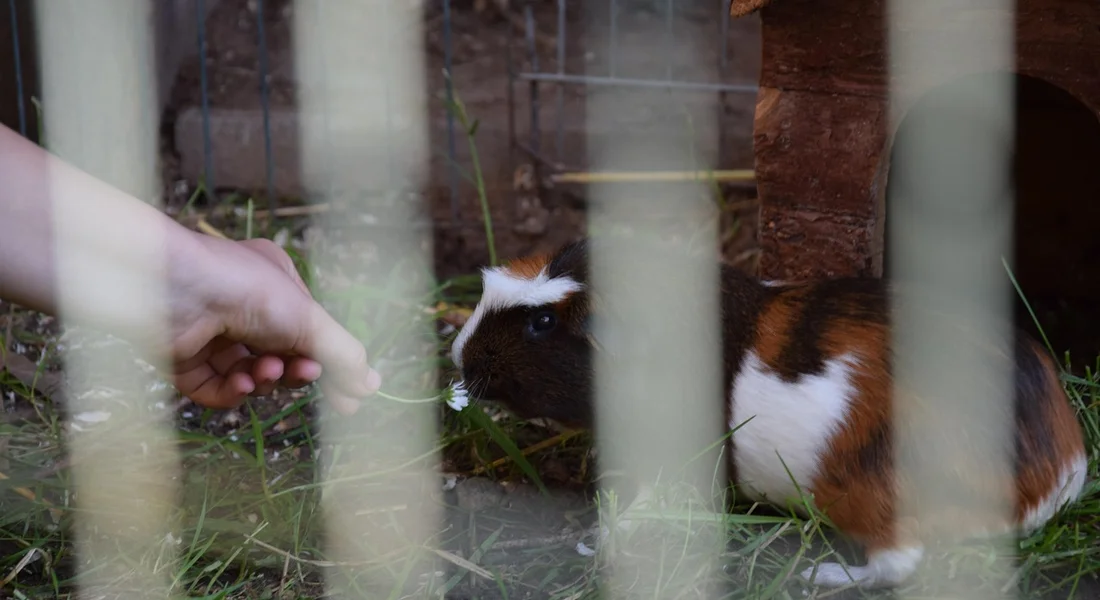
Recognizing when your guinea pig isn’t in the mood for cuddles is key to building trust and ensuring their comfort. Paying attention to their body language helps you respond to their needs without causing stress. I’ve learned this firsthand with my own guinea pigs, especially Biscuit, who often shows subtle cues when she’d rather be left alone.
-
If your guinea pig runs or scurries away as you approach, they’re likely feeling overwhelmed or scared. My gentle Pepper does this when she’s had enough lap time, reminding me to give her space.
-
Loud, high-pitched squeals or whining noises signal distress and a desire to be put down. Clover makes these sounds if I pick her up too suddenly, so I always move slowly and calmly.
-
Freezing in place or flattening their body against the ground means they feel threatened. Biscuit often does this, and I’ve found that backing off immediately helps her relax.
-
Attempts to wriggle free or push against your hands show they’re uncomfortable with being held. I notice this with younger guinea pigs like Biscuit, who need more time to get used to handling.
-
Hiding in their cage or burrowing into bedding is a clear request for alone time. All my guinea pigs do this after a busy day, and I respect their need for a quiet retreat.
Observing these signs has taught me to prioritize their well-being over my desire for cuddles. Respecting their boundaries strengthens our bond and keeps them happy and healthy.
How Guinea Pigs Cuddle With Each Other
Guinea pigs have their own special ways of cuddling that reflect their social nature and need for companionship. Watching my trio interact has shown me how they express affection and comfort through gentle behaviors. Unlike human cuddling, theirs is more about shared warmth and mutual grooming. Understanding these grooming acts sheds light on how their social bonds form. Watching who grooms whom helps me read their trust and comfort with each other.
-
They huddle close together to stay warm and feel secure, often in a cozy hideout or corner. Pepper and Clover do this every evening, nestled side by side like a furry bundle.
-
Mutual grooming, where they nibble or lick each other’s fur, strengthens social bonds and shows care. I’ve seen Clover gently groom Biscuit, who slowly warms up to this attention over time.
-
Sleeping pressed against one another provides comfort and reduces stress in their environment. All three of mine sleep in a pile, and it’s heartwarming to see how peaceful they look.
-
Soft, contented purring or rumbling noises indicate they’re enjoying each other’s company. Pepper makes these sounds when snuggling with Clover, signaling she feels safe and content.
-
Nuzzling or gentle nudging with their noses is a friendly gesture that reinforces their connection. Biscuit does this to invite play or closeness, showing her intelligent and reserved personality.
Understanding these behaviors helps you appreciate their natural instincts and provide a supportive home. Do guinea pigs need hideouts? They instinctively seek secure spaces to feel safe, so understanding their hiding behavior is essential to meeting their needs. Encouraging positive social interactions among guinea pigs promotes their emotional health and reduces loneliness. From my experience, providing plenty of space and hiding spots lets them cuddle on their own terms, which is essential for their welfare.
Building Trust for Successful Cuddle Sessions
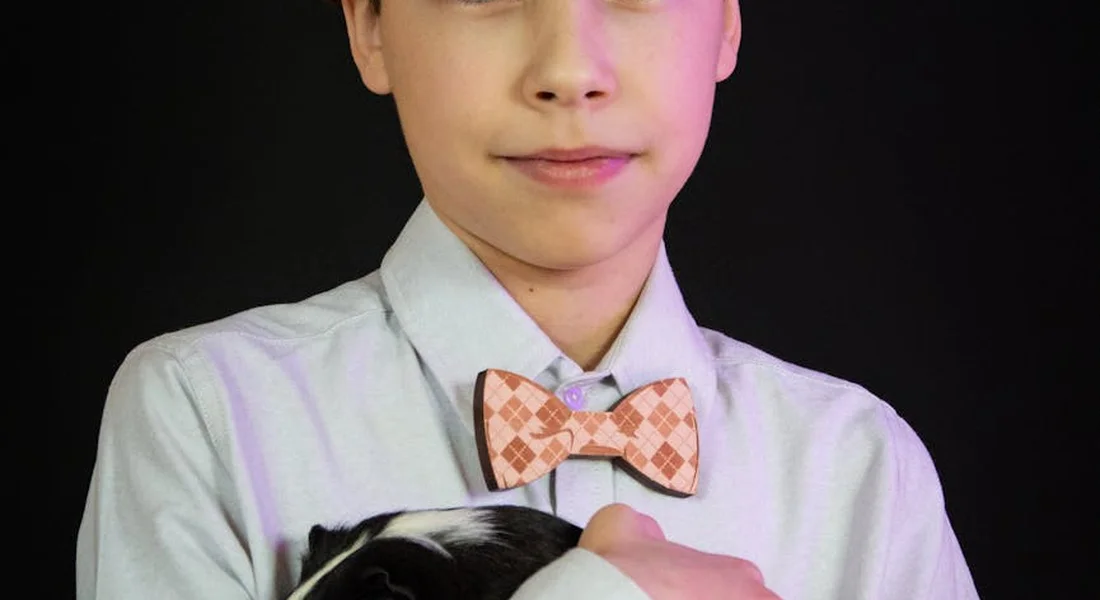
Trust isn’t automatic; it’s earned through consistent, gentle interactions. Your guinea pig needs to feel secure before it will ever relax in your arms. When you bring a new guinea pig home, focus on helping it feel safe. Give it time to acclimate with a quiet space and a predictable routine. My guinea pigs, Pepper and Clover, taught me that patience is the most important tool you have.
Start by spending quiet time near their habitat without trying to touch them. Simply sit nearby and read a book or talk softly. This helps them get used to your presence and voice without any pressure. They’ll begin to associate you with calm, positive moments.
Creating a Step-by-Step Bonding Process
Rushing the process will only create a nervous pet. Follow these steps to build a solid foundation of trust.
- Hand Feeding is Key: Begin by offering their favorite veggies from your open palm. Let them approach you.
- Introduce Your Scent: Place a worn (but clean) t-shirt or small cloth in their cage. This helps them become familiar with your smell in a safe space.
- Progress to Gentle Petting: Once they comfortably eat from your hand, try softly stroking their back while they munch.
- Practice Lap Time: Start with very short, 2-3 minute sessions in a secure, cozy towel on your lap, always at floor level.
Watch their body language closely; if they freeze or try to hide, you’re moving too fast. Biscuit, my Peruvian, needed weeks of this routine before he’d even consider snuggling.
Safe Handling Techniques for Gentle Cuddling
Proper handling is non-negotiable for your pet’s safety and comfort. Guinea pigs have fragile spines and can be easily injured if picked up incorrectly. They are prey animals, so being swooped up from above can feel terrifying. Learn how to tame, restrain, and safely handle your guinea pig.
Always use two hands to form a secure “scoop.” Slide one hand under their chest, behind the front legs, and use the other to support their hindquarters and back feet. This supports their entire body and prevents kicking, which can lead to back injuries.
Essential Do’s and Don’ts for Holding
- DO hold them against your chest so they feel supported and can hide their face if scared.
- DO sit on the floor or a low couch during cuddle sessions to prevent dangerous falls.
- DON’T hold them on their back; this is a vulnerable position that causes immense stress.
- DON’T squeeze or restrain them tightly. Let them sit comfortably in the “cradle” of your hands and arms.
The goal is to make your guinea pig feel like a cherished passenger, not a captive. When Clover starts to purr and her body goes limp, I know I’ve gotten the technique just right.
Creating the Perfect Cuddle Environment
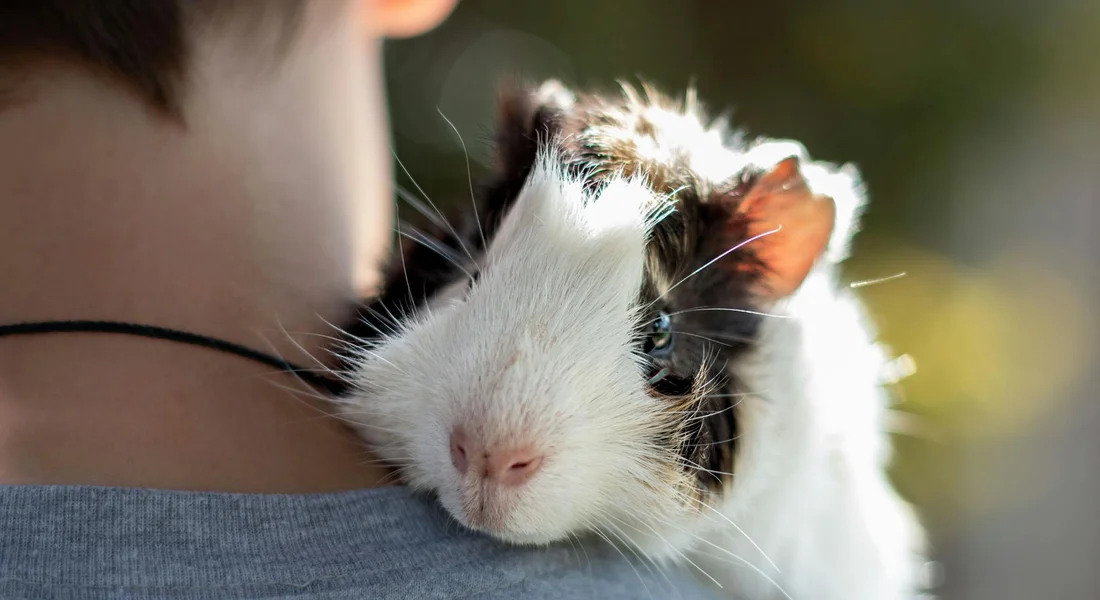
Setting up a cozy spot makes all the difference for cuddle time with your guinea pig. I always choose a quiet, low-traffic area in my home to reduce stress and help my pets feel secure. This mimics their natural need for safety away from predators.
Use soft, clean bedding like fleece or towels to create a comfortable surface. My guinea pig Pepper loves snuggling into a warm, fleece-lined box because it reminds her of burrowing in the wild. Avoid loud noises or sudden movements that could startle them.
- Pick a calm room with minimal distractions.
- Provide familiar items, like a small hideaway or their favorite chew toy.
- Keep the temperature warm but not hot-around 65-75°F is ideal.
- Offer a treat, like a slice of bell pepper, to build positive associations.
From my experience with Clover, who’s more thoughtful and cautious, I’ve learned that patience is key. Let your guinea pig explore the cuddle area at their own pace to build trust over time. This gentle approach respects their boundaries and promotes a happy bond.
When Your Guinea Pig Resists Cuddling: What to Do
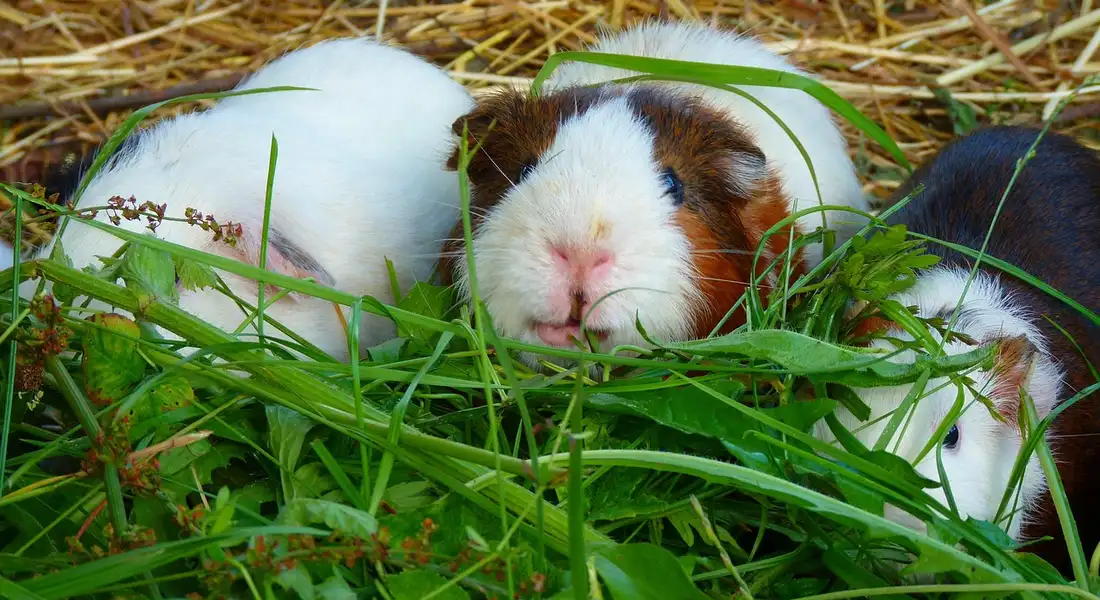
It’s common for guinea pigs to resist cuddling, and that’s perfectly normal. Never force your pet to snuggle, as this can cause fear and damage your relationship. Instead, observe their body language-if they’re hiding or squeaking loudly, they might need space.
Start with short, positive interactions to build comfort. I recall how Biscuit, my reserved Peruvian, gradually warmed up to handling after weeks of gentle, daily sessions. Use treats and soft talking to reassure them without overwhelming pressure.
- Step back and give them a break if they seem anxious.
- Try bonding in their cage first to keep them in a familiar setting.
- Use a soft blanket or lap pad to make holding feel safer.
- Reward small steps, like allowing a brief petting session, with a favorite veggie.
Advocating for animal welfare means respecting their individual personalities. Some guinea pigs, like Clover, may prefer quiet companionship over close cuddles, and that’s okay. With time and consistency, many will learn to enjoy your company in their own way.
FAQs
Why do guinea pigs have varying levels of interest in cuddling?
Each guinea pig has a unique personality influenced by factors like breed, upbringing, and individual temperament. While some may naturally seek out affection, others might always prefer observing from a distance due to their prey animal instincts. Understanding guinea pig personality and temperament can help you cater to their specific needs and behaviors.
How can I encourage my guinea pig to cuddle with me more often?
Offer regular, brief handling sessions paired with favorite treats to create positive associations with your presence. Always let your guinea pig set the pace and avoid overwhelming them to build trust over time. These regular, positive interactions help you bond with your guinea pig and build a long-term relationship based on trust. Stay patient and consistent to nurture a lasting, affectionate bond.
Do guinea pigs cuddle with each other for warmth or companionship?
Guinea pigs often huddle together to share body heat and feel secure, which strengthens their social bonds. This behavior is a natural part of their herd dynamics and helps prevent loneliness in group settings.
What are the signs that my guinea pig is bonding with me through cuddling?
You might notice them making soft purring sounds or gently nibbling your fingers as a form of grooming. Over time, they may start to approach you willingly and relax more quickly in your lap.
Can guinea pigs learn to enjoy cuddling if they initially dislike it?
With consistent, patient interactions and reward-based training, many guinea pigs can grow to tolerate or even enjoy gentle handling. Respecting their boundaries and providing a calm environment is key to fostering this change. You can start small with simple tricks to train your guinea pig and build trust. As you follow a reward-based plan, tricks become a fun way to strengthen your bond.
Your Guinea Pig’s Cuddle Journey
From my time with Pepper, Clover, and Biscuit, I’ve seen that patience and gentle handling build the trust needed for cozy moments. Respect their unique personalities and always let them set the pace for snuggles to keep stress low.
Keep exploring their care with eco-friendly choices, like biodegradable bedding, to support their health and our environment. Staying curious and committed ensures your guinea pigs thrive while you reduce your pet’s pawprint. In the ultimate guide to safe bedding options for guinea pigs, you’ll find clear, practical tips on selecting low-dust, absorbent bedding and keeping their space hygienic. It’s essential for their health and comfort.
Further Reading & Sources
- r/guineapigs on Reddit: People who have cuddly guinea pigs, how long did it take them to warm up to you?
- How Do Guinea Pigs Show Affection? 🐹💛 – C and C Guinea Pig Cages
- Do Guinea Pigs Like To Be Cuddled? – Home & Roost
- Do your guinea pigs cuddle with each other?
Kate is a passionate guinea pig owner and advocate for small pet welfare. With over a decade of experience caring for guinea pigs, she has become a trusted voice in the small pet community.
Uncategorized