
How Much Do Guinea Pigs Cost? (Complete Price Breakdown)
Hello CavyFam! Thinking about bringing home a guinea pig but worried about the budget? You’re not alone, and it’s smart to plan ahead for your new furry friend.
In this guide, I’ll walk you through initial purchase price, monthly expenses, and unexpected veterinary costs so there are no surprises. I’ve cared for my three guinea pigs for years, so I’m sharing real-life cost insights from my own experience.
Initial Guinea Pig Cost: Adoption vs Purchase
When you bring home a guinea pig, your first big decision is where to get them. Adoption fees at shelters often range from $20 to $50, while breeders and pet stores can charge $25 to over $100 depending on factors like breed and age. I’ve seen both sides with my own pets-Pepper came from a rescue, and it felt great to give her a second chance.
- Adoption pros: Lower cost, supports animal welfare, often includes initial vet care.
- Adoption cons: Limited breed selection, possible unknown health history.
- Purchase pros: Access to specific breeds, clearer lineage details.
- Purchase cons: Higher price, risk of supporting unethical breeding practices.
Always prioritize sources that emphasize health and humane treatment. Choosing adoption not only saves money but also helps reduce overcrowding in shelters, something I advocate for passionately.
Adopting from Shelters or Rescues
- Typical adoption fees are $20-$50 and usually cover a vet check, spay/neuter if needed, and sometimes a starter kit. This bundled care can save you $50 or more compared to paying for these services separately.
- Benefits include giving a home to an animal in need and lower long-term costs. From my experience, rescued guinea pigs like Clover often come socialized and ready to bond, making the transition smoother for everyone.
Buying from Breeders or Pet Stores
- Prices vary by breed rarity-common breeds like Americans cost $25-$40, while rarer ones like Peruvians can hit $60-$100. Age also plays a role; younger guinea pigs tend to be pricier due to higher demand.
- Watch for red flags like unsanitary conditions or sellers who avoid health questions. Ethical breeders will provide health records and allow cage inspections, ensuring your new pet starts life in a safe environment.
Essential Setup and One-Time Expenses
Setting up a proper home for your guinea pig is a one-time investment that pays off in their happiness and health. Expect to spend $100-$200 initially on a cage, bedding, food, and accessories, based on what I’ve used for Pepper, Clover, and Biscuit. A well-planned setup prevents stress and health issues down the line. If you’re new to guinea pigs, this is part of my best cage setup for a new guinea pig beginners guide. It walks you through choosing the right cage, space, and essentials.
- Cage: $50-$150 for sizes that meet minimum space needs.
- Bedding: $10-$30 monthly, depending on material.
- Accessories: $20-$50 for items like hideouts and water bottles.
Follow these steps to create a safe habitat quickly. Start with a spacious cage, add absorbent bedding, then introduce food and hiding spots to make your guinea pig feel secure from day one. The size and design of the enclosure can make a huge difference to their comfort and happiness, so it’s important you build and set up the perfect guinea pig cage.
- Choose a cage that allows for easy movement and cleaning.
- Layer bedding evenly to control moisture and odor.
- Place food and water in accessible areas away from waste spots.
- Add hideouts and toys to encourage natural behaviors.
Cage and Housing Costs
- Wire cages cost $40-$80 but may need modifications for comfort, while C&C (cube and coroplast) cages run $60-$120 and offer more customization. I prefer C&C setups for my trio because they provide ample space for running and exploring, which is vital for guinea pig well-being.
- Guinea pigs need at least 7.5 square feet per pig, but I recommend 10.5 square feet for pairs or groups to prevent fights and promote exercise. Adequate space reduces stress-related illnesses and supports a longer, healthier life.
Bedding, Food, and Accessories
- Bedding options include paper-based ($10-$20 per bag) or fleece liners ($15-$30 upfront), with fleece being reusable and eco-friendly. I use fleece for Biscuit and the others-it’s soft on their feet and cuts down on waste.
- Initial food supplies: Timothy hay ($10-$15 per bundle), pellets ($5-$10 per bag), and fresh veggies like bell peppers or kale ($5-$10 weekly). High-quality hay should make up most of their diet to support digestion and dental health.
- Essential items include a sturdy water bottle ($5-$10), hideouts ($10-$20 each), and chew toys ($5-$15) to keep teeth trim and minds active. Providing multiple hideouts helps shy guinea pigs like Biscuit feel safe and reduces anxiety in new environments.
Monthly and Annual Recurring Costs
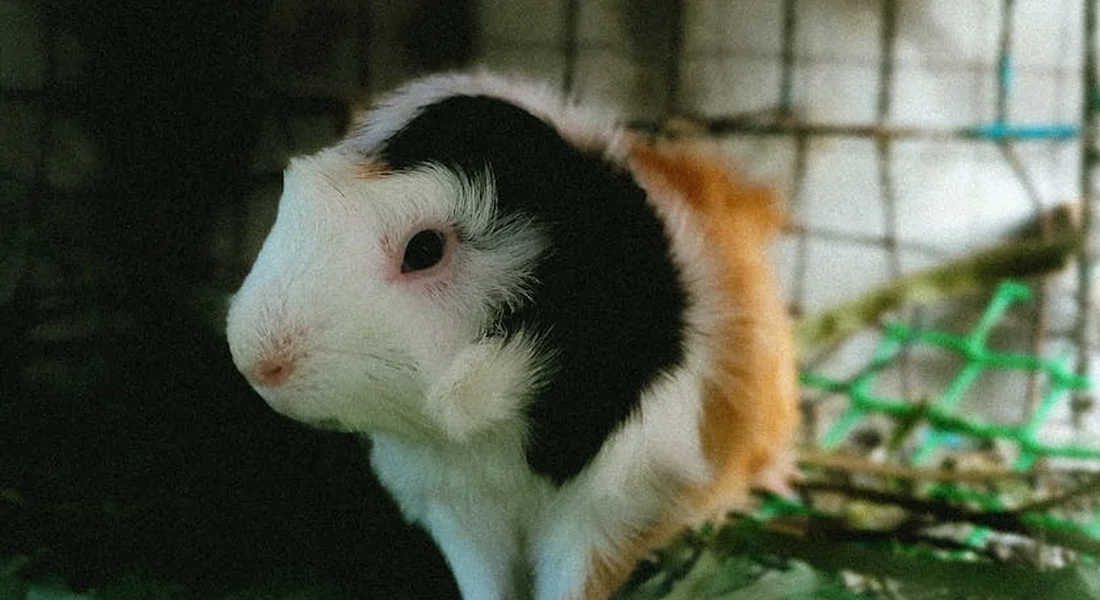
Owning guinea pigs means budgeting for regular supplies that keep them happy and healthy. From my experience with Pepper, Clover, and Biscuit, I spend around $60 to $80 monthly on essentials like hay, pellets, and fresh veggies for all three. These costs add up over the year, so planning ahead saves you stress and ensures your pets never go without. Smart shopping can help you save money on guinea pig supplies without compromising quality. Plan ahead, compare prices, and buy in bulk when sensible to keep Pepper, Clover, and Biscuit thriving.
| Item | Monthly Cost (1 Guinea Pig) | Annual Cost (1 Guinea Pig) |
|---|---|---|
| Hay | $10 – $15 | $120 – $180 |
| Pellets | $5 – $10 | $60 – $120 |
| Fresh Vegetables | $10 – $20 | $120 – $240 |
| Bedding | $10 – $15 | $120 – $180 |
| Total | $35 – $60 | $420 – $720 |
Costs rise with more guinea pigs, but not always double. For my trio, I buy hay in bulk, which cuts the per-pig expense and makes feeding time easier for everyone. When choosing the best hay for your guinea pig, look for fresh, dust-free options like timothy or orchard grass. Avoid moldy or overly dusty batches. Sharing items like hideouts or water bottles can also stretch your budget further.
Food and Hay Budget
- Estimate spending $25 to $45 monthly per guinea pig on high-quality timothy hay and fresh veggies like bell peppers or leafy greens. Pepper loves his hay fresh daily, so I set aside $15 just for that each month to avoid running out.
- Save money by purchasing hay in large bales from farm stores or online-it lasts longer and reduces waste. I store extra hay in a cool, dry place to keep it crisp and nutritious for Clover and Biscuit’s munching sessions.
Enrichment and Grooming Supplies
- Toys and chew items range from $5 to $20 each; simple wooden blocks or tunnels keep guinea pigs engaged without breaking the bank.
- Grooming tools like nail clippers or soft brushes cost $10 to $20, but a basic set lasts years with proper care.
- DIY alternatives save cash: use cardboard tubes for chew toys or repurpose old towels as cozy bedding. Biscuit adores her homemade hideout from a shoebox-it’s eco-friendly and fun to make together.
Veterinary Care and Health-Related Expenses
Regular vet visits are non-negotiable for guinea pig wellness. Routine check-ups catch issues early, and I budget $50 to $100 annually per pig for exams that include weight checks and dental assessments. Preventive care like spaying or neutering costs $100 to $300, while microchipping adds $25 to $50 for peace of mind. Budgeting for guinea pig care should always factor in these essential services to ensure your pets stay healthy and happy.
- Common emergencies include respiratory infections ($200 to $500) or urinary problems ($150 to $400), which can arise suddenly. After Clover had a scare with sniffles, I learned that quick action with a vet saved her and my wallet from bigger bills.
Routine and Emergency Vet Visits
- Annual vet visits typically cover physical exams, parasite checks, and advice on diet-costing $50 to $100 per guinea pig. This yearly ritual helps me monitor Pepper’s gentle nature and ensure he stays in top shape.
- Set up an emergency fund with at least $200 to $500 saved; it cushions surprises like injuries or illnesses. I keep a separate jar for vet funds, so Biscuit’s reserved personality doesn’t mean skipped care when she needs it most.
Long-Term Health and Insurance
- Pet insurance offers coverage for unexpected vet bills, with premiums around $10 to $30 monthly-it’s a smart move for aging pets. Insuring my guinea pigs gives me peace of mind, knowing I can afford treatments as they grow older.
- Age-related costs include more frequent check-ups or dental care, which might run $100 to $300 yearly for issues like overgrown teeth. Regular grooming and a hay-rich diet help prevent problems, but planning for extras keeps your furry friends comfortable.
Cost-Saving Strategies for Guinea Pig Owners
After caring for Pepper, Clover, and Biscuit, I’ve picked up many ways to cut costs without sacrificing their well-being. Buying hay in bulk saved me over 30% compared to small bags, and my guinea pigs always have fresh supply. You can apply similar tricks to keep your budget in check while giving your pets a great life.
- Purchase hay and pellets in larger quantities to lower the cost per use.
- Grow your own safe greens like parsley or cilantro in a small garden or pots.
- Schedule regular health checks to catch issues early and avoid costly vet emergencies.
- Use fleece liners for bedding-they are washable and last much longer than disposable options.
- Join online guinea pig communities to swap or get free supplies from other owners.
DIY projects can be both fun and economical. I built a spacious cage from wire grids and coroplast for under $50, while store models often cost over $100. For bedding, shredded paper from non-glossy ads works well, and it’s eco-friendly too.
Smart Shopping and DIY Ideas
Scout thrift stores or websites for gently used cages, water bottles, and hideouts. Repurposing items like old towels for cozy beds or plastic containers for food storage keeps expenses minimal. Always clean second-hand items thoroughly to ensure they’re safe for your pets.
- Collect cardboard tubes from toilet paper or paper towels to make chew toys-just remove any adhesive and cut into safe sizes.
- Create simple hideouts by stacking untreated wood blocks or using clean, empty cereal boxes with entry holes cut out.
- Weave strips of fleece or old t-shirts into hanging toys for mental stimulation and play.
Creating a Realistic Guinea Pig Budget
Planning ahead helps you manage both one-time and ongoing expenses smoothly. I learned the hard way that unexpected vet bills can strain finances, so I always include a buffer in my budget. Start by listing everything from adoption fees to monthly supplies to see the full picture.
| Expense Category | Estimated Yearly Cost |
|---|---|
| Hay and Pellets | $150-$200 |
| Fresh Vegetables | $100-$150 |
| Bedding or Liners | $50-$100 |
| Veterinary Care | $100-$300 |
| Toys and Enrichment | $20-$50 |
Budgeting ensures you can provide consistent care, which is vital for your guinea pig’s health and happiness. Setting aside a small amount each month prevents financial stress and keeps your pet’s environment stable and nurturing. Consider creating a dedicated guinea pig emergency fund budget to cover sudden vet visits and urgent supplies. This small, regular contribution can prevent tough choices during emergencies.
Sample Budget and Checklist
- List all potential costs, including initial setup, food, healthcare, and miscellaneous items.
- Research average prices in your area and adjust estimates based on your guinea pig’s needs-for example, long-haired breeds like Biscuit may need more grooming supplies.
- Track spending monthly to spot trends and make adjustments, using apps or a simple spreadsheet.
- Essential Purchases: Cage, food and water dishes, high-quality hay, pellets, hideouts, and a vet fund.
- Optional Items: Decorative accessories, premium treats, or extra toys-focus on needs first to stay within budget.
FAQs
How much do guinea pig costumes cost?
Guinea pig costumes typically range from $10 to $30 for simple outfits like sweaters or hats. They are often used for photos or holidays and can be found online or in pet stores.
What is the price of a guinea pig costume for adults?
Adult-sized guinea pig costumes for humans usually cost between $20 and $50 depending on the design and materials. These are popular for costume parties and can be purchased from specialty retailers or online marketplaces.
How much should I expect to pay for a child’s guinea pig costume?
Child-sized guinea pig costumes often range from $15 to $35 for items like onesies or accessory sets. They are great for themed events and are available in various stores or through online shops.
What are the guinea pig prices at Petco?
Petco generally charges $25 to $100 for guinea pigs, with variations based on breed, age, and location. Always inquire about included health checks or adoption options to ensure a responsible purchase. Keep in mind that long-term ownership costs—enclosures, food, bedding, and regular vet visits—will add up beyond the initial price. Budget for ongoing care when planning your purchase.
How can I find guinea pig costs near me?
Check local pet stores, shelters, or online platforms like Facebook Marketplace for current guinea pig prices in your area. Costs can differ due to regional demand and availability, so comparing multiple sources is wise.
Your Guinea Pig Journey Starts Here
Ultimately, the happiest and healthiest guinea pigs live in homes where their humans have planned for both the predictable initial setup costs and the ongoing, recurring expenses of food, bedding, and care. Being financially ready for a potential vet emergency is the single most responsible step you can take for your new friend’s long-term wellbeing. That means preparing a home that supports them through their entire lifespan, from energetic youngsters to senior guinea pigs. Plan ahead for ongoing needs—space, enrichment, and veterinary care—so their golden years are as comfortable as possible.
Remember, bringing a guinea pig home is a commitment to a living being who relies on you completely for their comfort and safety. I encourage you to keep learning about their unique needs, and consider eco-friendly choices like paper-based bedding to make their habitat—and our planet—a little greener. Understanding guinea pig nesting behavior helps you tailor bedding to keep nests dry, warm, and comfortable, meeting their natural nesting needs. This awareness supports their comfort and health.
Further Reading & Sources
- Guinea Pigs for Sale | Petco
- How Much Are Guinea Pigs? Budgeting Tips and Cost Guide 2024 | Chewy
- How Much Do Guinea Pigs Cost? | Should I Get Guinea Pigs? | Guinea Pigs
- r/guineapigs on Reddit: How much does it really cost to have a Guinea pig?
Kate is a passionate guinea pig owner and advocate for small pet welfare. With over a decade of experience caring for guinea pigs, she has become a trusted voice in the small pet community.
Uncategorized