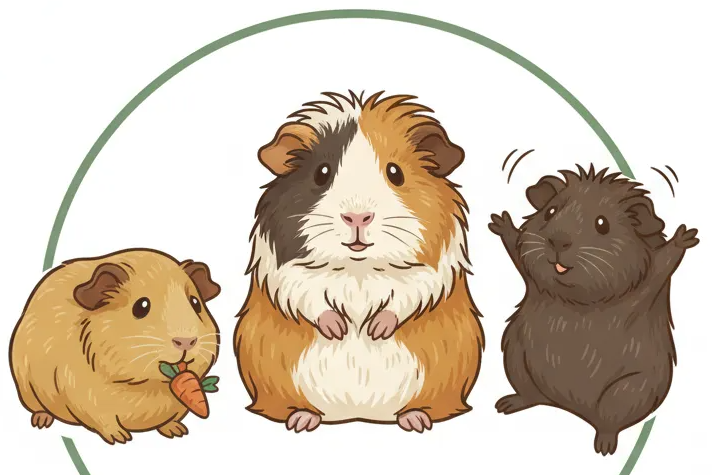
Guinea Pig Safety: Defense Mechanisms and Predator Protection
Published on: February 27, 2026 | Last Updated: February 27, 2026
Written By: Kate M. Callahan
Hello CavyFam, are you ever concerned about how your guinea pig stays safe from potential dangers? Knowing their natural instincts can bring you peace of mind and help you protect them better.
I will guide you through common predators, innate defense behaviors, and effective safety steps based on my own experiences with Pepper, Clover, and Biscuit over the years.
Meet the Predators: Who’s a Threat to Your Guinea Pig
In the wild, guinea pigs are prey animals, and this instinct hasn’t disappeared in our homes. Common household pets like cats and dogs top the list of potential threats, even if they seem friendly. I’ve seen my own cat, usually aloof, fixate on Pepper’s cage with a hunter’s gaze.
Outdoor enclosures introduce a wider range of dangers. Birds of prey, such as hawks and owls, can swoop down silently. Foxes, raccoons, and even large rats view your guinea pig as a meal. Never underestimate a determined predator’s ability to breach a seemingly secure hutch.
How Guinea Pigs Defend Themselves in the Wild
Domestic guinea pigs retain the survival instincts of their wild cousins. Their primary goal is always to avoid confrontation, not to fight. They rely on a sophisticated set of behaviors honed over generations to stay alive. Understanding guinea pig dominance behaviors and their social hierarchy helps explain their daily interactions. This knowledge can guide how you manage introductions and shared space to keep the group peaceful.
The Freeze Response and Alert Posture
When my guinea pig, Biscuit, hears a strange noise, he doesn’t run. He becomes a statue. This “freezing” is a brilliant camouflage tactic, making them incredibly hard to spot in tall grass. Their natural coloring helps them blend into earthy environments.
You might also see them stand perfectly still on their tiptoes, ears perked and nose twitching rapidly. This alert posture allows them to gather maximum sensory information without moving a muscle. It’s a moment of intense assessment before they decide on their next move.
Hiding and Burrowing Instincts
Given the chance, a scared guinea pig’s first choice is always to find a dark, enclosed space. In the wild, 他们会 dive into dense underbrush, rock crevices, or burrows made by other animals. This is why providing multiple hides in their cage is non-negotiable for their mental well-being. When you build the cage setup, prioritize safety, ventilation, and several hiding spots to mimic that natural refuge. A well-designed guinea pig cage supports their comfort and reduces stress, helping them thrive.
My Clover, the Abyssinian, will bolt into her fleece forest at the slightest disturbance. This deep-seated burrowing instinct is why they appreciate deep piles of hay and cozy tunnels to simulate that safe, underground feeling.
Group Vigilance and Social Alarm Systems
Guinea pigs are not solitary creatures; their safety depends on the herd. Living in a group means there are always more eyes, ears, and noses on constant patrol for danger. While one eats, another might be keeping watch.
Their vocalizations are a key part of this defense. A single, sharp “wheek” of alarm can send the entire group scattering for cover in an instant. I’ve watched this chain reaction with my own trio-one startle and all three vanish into their hideys simultaneously.
Reading the Signs: Guinea Pig Alarm Calls and Body Language
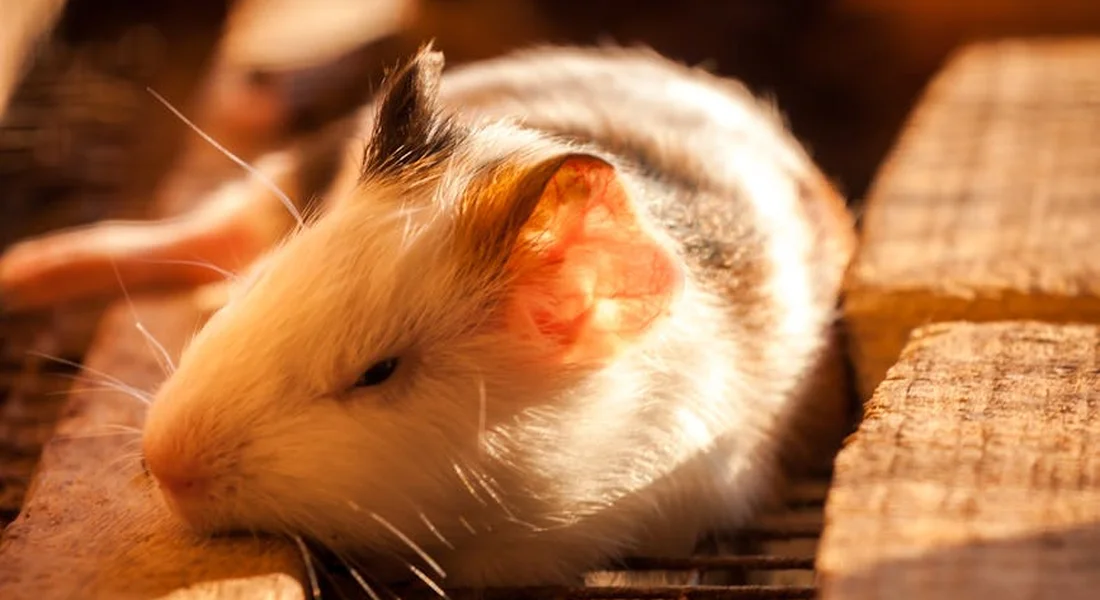
Understanding Alarm Calls: Squeals, Chirps and Teeth Chattering
Guinea pigs use distinct sounds to express fear or alert others to danger. Recognizing these vocal cues helps you respond quickly to keep your pets calm and secure. In this complete guide to guinea pig vocalizations, we explain what each sound means. High-pitched squeals often mean sudden fright, like when Pepper, my gentle American guinea pig, lets out a sharp cry if a door slams nearby.
Chirping is rarer and can signal curiosity mixed with unease. I’ve noticed Clover, my graceful Abyssinian, chirping softly when she hears unfamiliar noises, almost like she’s questioning the source. Teeth chattering is a clear warning of aggression or high stress-Biscuit, my reserved Peruvian, does this if he spots a stray cat through the window, his tiny jaw clicking rapidly.
- Squeals: Indicate immediate shock or pain; check for hazards.
- Chirps: Suggest mild alarm or curiosity; observe their surroundings.
- Teeth chattering: Shows defensiveness; remove the threat if possible.
Each sound has a unique pitch and rhythm, so spend time listening to your guinea pigs to learn their individual patterns. A new owner’s guide to interpreting common guinea pig sounds can help you translate those cues. You’ll know when they’re happy, anxious, or hungry by the noises they make.
The Quick Dash and Thumping: Immediate Danger Signals
Body language speaks volumes when guinea pigs feel threatened. A sudden dash across the cage often means they’ve sensed a predator or loud disturbance, and it’s their instinct to flee. I’ve seen all three of my guinea pigs—Pepper, Clover, and Biscuit—bolt into hideouts when a vacuum cleaner starts, their little bodies moving in a blur. Understanding these cues helps you interpret common guinea pig behaviors and their body language. By noting posture, ear position, and vocalizations, you can gauge whether they’re scared, curious, or relaxed.
Thumping, or stomping their hind feet, is another urgent signal. Clover thumps rhythmically if she hears a dog bark, alerting the others to potential danger from afar. This behavior mimics wild instincts where guinea pigs warn their herd, so never ignore it.
- Quick dash: React by ensuring their escape path is clear and reducing noise.
- Thumping: Identify and eliminate the stressor, like closing a window or turning off a loud appliance.
Pay attention to these movements-they’re your pets’ way of saying “I’m scared” without a sound.
Creating Safe Spaces: Indoor Protection Strategies
Step 1: Secure Enclosure Design
Start with a sturdy cage that prevents escapes and keeps predators out. I chose a solid-bottom enclosure for Pepper and the others to avoid injuries and make cleaning easier, which reduces stress over time. Opt for materials like chew-proof plastic or metal with narrow bar spacing to block curious paws from other pets.
Avoid wire floors that can hurt their feet, and always include a snug lid if you have cats or dogs. Secure latches are a must-I learned this after Biscuit nudged open a flimsy door once, sending me on a frantic search.
- Use enclosures with smooth edges and no sharp parts.
- Place the cage in a quiet, low-traffic area to minimize startling noises.
- Check for gaps regularly; even small ones can be an invitation for trouble.
Step 2: Providing Multiple Escape Routes and Hideouts
Guinea pigs need options to hide when they feel vulnerable. Scatter several hideouts like tunnels, boxes, or igloos around their space so they can dart to safety from any angle. I use eco-friendly cardboard tubes for Clover and Biscuit-they’re cheap, recyclable, and give them a sense of security.
Arrange items to create natural pathways, mimicking the burrows they’d use in the wild. Pepper loves his corner hut, where he can watch the room without feeling exposed, and it’s helped him become more confident.
- Include at least two hideouts per guinea pig to prevent competition.
- Rotate toys and structures to keep the environment engaging and reduce boredom-related stress.
- Ensure hideouts have multiple exits to avoid trapping if a predator approaches.
Step 3: Managing Household Pet Interactions
Introduce other pets slowly and under close supervision to prevent accidents. When I brought home my dog, I kept him in a separate room for weeks while the guinea pigs adjusted, using baby gates to maintain a safe distance. In a guinea pig quarantine, keep the new pet isolated at first and start with scent swapping and limited, supervised visits. Gradually increase exposure only if your guinea pigs stay calm and show no stress cues. Always monitor body language—if your guinea pig freezes or hides, it’s a sign to back off.
Train dogs and cats to ignore the cage using positive reinforcement, and never leave them alone together unsupervised. Biscuit’s reserved nature means he needs extra time to feel safe, so I reward calm behavior from my pets with treats to build trust gradually.
- Start with short, controlled visits and increase duration as comfort grows.
- Use scent swapping by rubbing a cloth on one pet and placing it near the other to familiarize them.
- If tensions arise, separate immediately and try again later-patience is key to harmony.
Outdoor Safety: Protecting Your Herd During Fresh Air Time
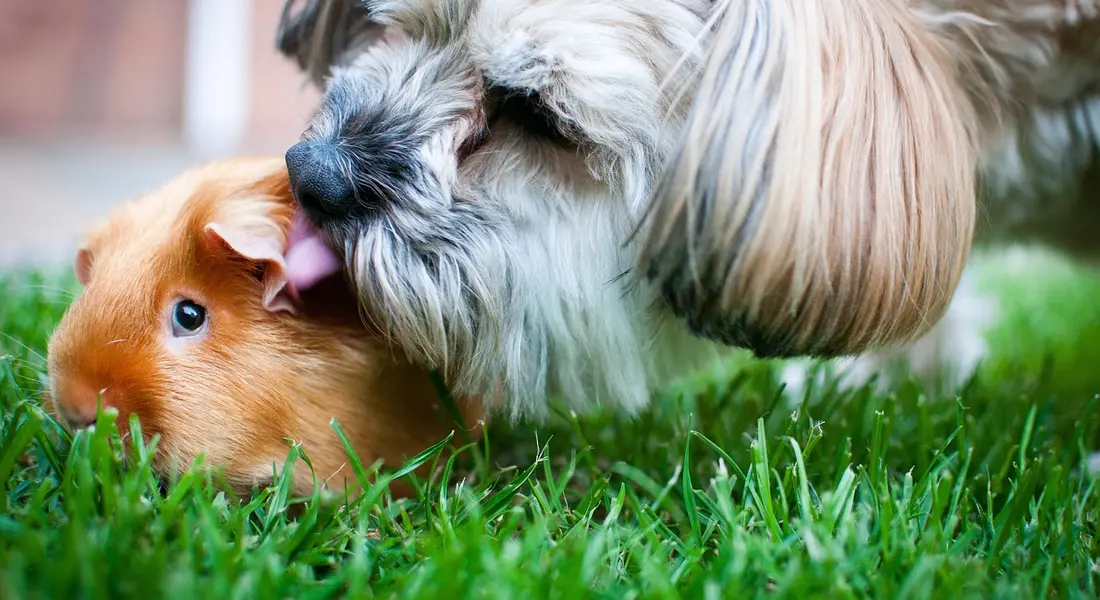
Covered Playpens and Aviary Netting
Taking your guinea pigs outside for fresh air can be a wonderful experience, but it requires careful planning to keep them safe. I always use a fully covered playpen to shield my herd from birds of prey and other airborne threats. When I first introduced Pepper to the outdoors, I learned that even a gentle guinea pig can attract unwanted attention from above. Aviary netting with small gaps works best because it blocks predators while allowing sunlight and air to flow through. You can find these nets at pet stores or online, and they are simple to drape over a playpen frame. Make sure the netting is securely anchored to prevent gusts of wind or curious animals from lifting it. In my setup, I use clips or weights at the corners for extra stability, which gives me peace of mind while Clover and Biscuit explore safely.
- Opt for playpens with built-in covers or add a separate aviary net for full protection.
- Check the netting regularly for tears or weak spots that could let predators in.
- Position the playpen in a shaded area to avoid overheating and reduce visibility to predators.
Ground-Level Security Against Digging Predators
Ground-level threats like foxes, raccoons, or even neighborhood cats can try to dig under playpens, so securing the base is just as important as covering the top. I reinforce the bottom of my outdoor enclosures with hardware cloth or a solid barrier to stop digging predators in their tracks. With Biscuit’s reserved personality, he might not make a fuss if something is amiss, so I take no chances. Burying the edges of the playpen a few inches into the ground or using a playpen with a solid floor can make a huge difference. This simple step has prevented countless close calls for my guinea pigs over the years. Remember, predators are persistent, so a flimsy setup won’t cut it-invest in durable materials that can withstand probing paws and claws.
- Use playpens with attached floors or add a layer of wire mesh underneath to deter digging.
- Inspect the ground around the playpen for signs of disturbance after each use.
- Keep the playpen on a hard surface like a patio if possible, as it’s harder for animals to dig through.
When Prevention Isn’t Enough: Responding to Close Encounters
Step 1: Secure Your Guinea Pig Immediately
If a predator gets too close, your first move is to get your guinea pig to safety without delay. Act calmly but swiftly to scoop them up and move them indoors or to a locked carrier. I’ve had moments where a stray cat approached Clover, and my quick response prevented a scare. Avoid loud noises or sudden movements that could startle your pet or the predator further. Always have a secure container nearby during outdoor time for emergencies like this. In my case, I keep a small pet carrier just outside the playpen so I can grab Pepper or the others and secure them in seconds. This step is about minimizing risk and keeping everyone out of harm’s way.
Step 2: Assess for Injury and Shock
Once your guinea pig is safe, check them over for any signs of injury or stress. Look for cuts, limping, or unusual behavior that might indicate trauma. Guinea pigs can go into shock easily, so keep them warm and quiet in a familiar environment. Always handle them gently, supporting their chest and hindquarters with both hands. Keep them close to your body and move slowly to avoid startling them. I remember when Biscuit was spooked by a loud noise; he became very still, and I had to gently feel for injuries while speaking softly to reassure him. If you notice anything concerning, contact your veterinarian right away for advice. Shock symptoms include lethargy, rapid breathing, or a drop in body temperature—addressing these quickly can make a big difference in recovery. Offer water and a favorite hideout to help them feel secure again.
Step 3: Review and Strengthen Your Safety Measures
After a close encounter, take time to evaluate what went wrong and how to prevent it in the future. I always reassess my outdoor setup to identify any weak points that need improvement. For example, if a predator nearly got through the netting, I might upgrade to a heavier-duty material or add extra anchors. This proactive approach has helped me build a safer environment for my herd over time. Consider factors like supervision-were you distracted?-or if the playpen location was too exposed. Learning from these experiences not only protects your guinea pigs but also gives you confidence for future outdoor adventures. Make a list of changes and implement them before the next fresh air session to ensure peace of mind.
Common Questions
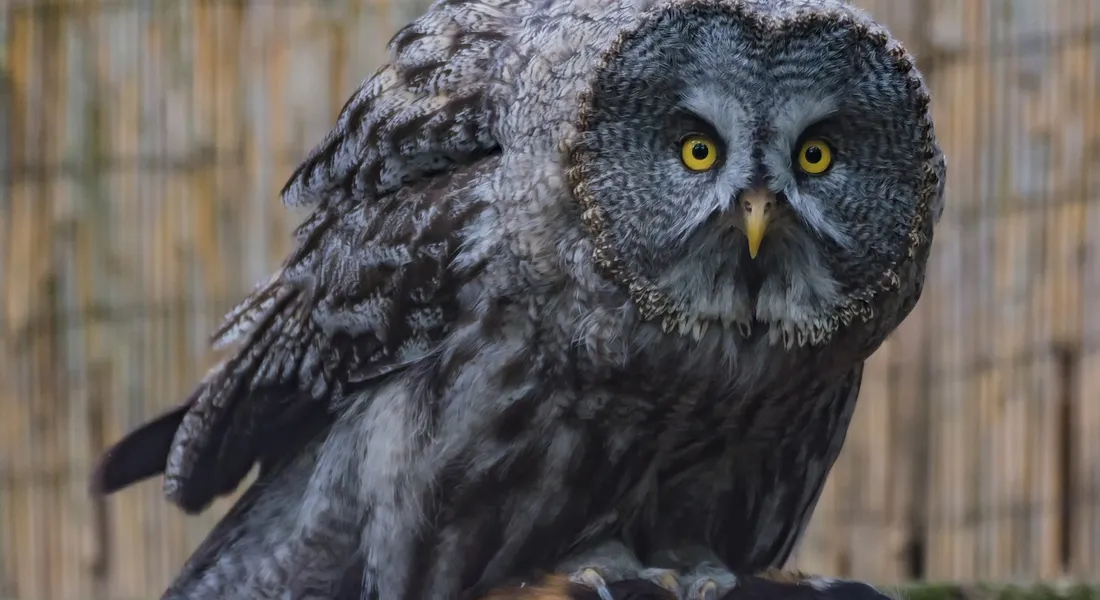
Which predators are the most dangerous to guinea pigs?
Birds of prey like hawks and owls pose a severe threat due to their silent, aerial attacks. Household pets such as dogs and cats can also be extremely dangerous, even during playful interactions.
What are common guinea pig predators in Australia?
In Australia, common threats include birds of prey like eagles and large monitor lizards such as goannas. Introduced species like foxes and feral cats are also significant predators to be aware of.
What animals hunted wild guinea pigs?
Wild guinea pigs were historically hunted by canines like foxes and by wild cats such as ocelots and jaguars. They were also preyed upon by snakes and large predatory birds in their native South American habitats.
Are there any surprising animals that might attack a guinea pig?
Yes, seemingly harmless animals like large rats can attack and injure guinea pigs, especially young or vulnerable ones. Even curious wildlife like raccoons or opossums can become a threat if they access an enclosure. You may also wonder whether guinea pigs attract mice or rats. Keeping the enclosure well-sealed and free of leftover food helps deter rodents and keeps all pets safe.
What is a key fact about how guinea pigs avoid predators?
A key fact is that guinea pigs are crepuscular, meaning they are most active at dawn and dusk when many predators have poorer vision. Their social structure also provides a critical alarm system, where one individual’s warning can protect the entire group. Understanding their daily activity patterns helps you plan care and enrichment around those peak hours. By aligning routines with dawn and dusk, you can better support their natural behavior.
Your Guinea Pig’s Safety Journey
From my years with Pepper, Clover, and Biscuit, I’ve seen how recognizing their freeze or flee reactions helps you act fast during threats. Providing a secure, enclosed habitat and supervised playtime drastically reduces risks from predators.
Stay curious and keep learning about guinea pig behaviors to enhance their quality of life every day. Properly caring for guinea pigs means providing a safe, spacious habitat, fresh water, and daily social interaction. Choosing sustainable, non-toxic supplies not only protects your pets but also nurtures a healthier environment for all animals. Regular health checks and a balanced diet are essential parts of keeping them happy and healthy.
Further Reading & Sources
- Regional defense mechanisms of the guinea pig lung – PubMed
- Regional Defense Mechanisms of the Guinea Pig Lung | American Review of Respiratory Disease
- An arterially perfused brainstem preparation of guinea pig to study central mechanisms of airway defense – ScienceDirect
- Understanding Guinea Pig Behaviour | Millpledge
Kate is a passionate guinea pig owner and advocate for small pet welfare. With over a decade of experience caring for guinea pigs, she has become a trusted voice in the small pet community.
Uncategorized