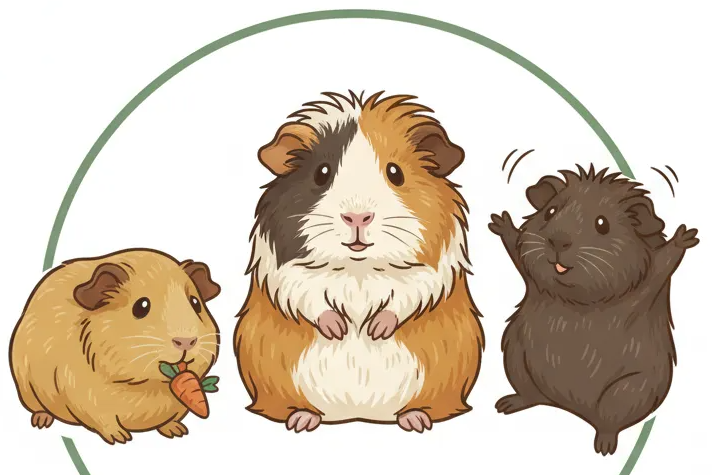
How to Make Your New Guinea Pig Feel Safe and Acclimated
Hello CavyFam! Bringing home a new guinea pig is exciting, but it’s natural to worry if they’ll ever feel comfortable. That initial skittishness is normal, and with the right approach, you can help them settle in beautifully.
In this guide, I’ll walk you through setting up a secure habitat, establishing a trust-building routine, understanding their unique body language, and introducing healthy foods. Having raised my three guinea pigs-Pepper, Clover, and Biscuit-from their first nervous days, I’ve learned what truly helps them feel at home.
Preparing a Welcoming Home for Your New Guinea Pig
-
Gather essential supplies like a spacious cage, a sturdy water bottle, a hay rack, and safe chew toys to create a secure environment. I always start with a high-quality cage and add items that mimic natural behaviors, which kept my guinea pig Pepper calm from day one.
-
Select a cage that offers at least 7.5 square feet per guinea pig, and place it in a quiet corner away from loud TVs or breezy windows. This is part of our complete space requirements guide on how big a guinea pig’s cage should be. It explains the size and layout needed for comfort. Proper placement reduces stress, something I noticed with Clover, who thrived once I moved her cage to a low-traffic area.
-
Include multiple hiding spots, such as small huts or tunnels, and use bedding made from paper or aspen shavings to avoid harmful dust. Multiple hides give your pet a sense of control, which helped my reserved guinea pig Biscuit feel more at ease in his new space.
Your Guinea Pig’s First Day: Setting the Stage for Safety
-
Transport your guinea pig in a secure carrier lined with soft bedding to minimize jostling and noise during the ride home. Keeping the carrier cozy and quiet prevents unnecessary fright, a lesson I learned when bringing home my energetic guinea pig Clover. This simple step is part of the ultimate guide to traveling safely with your guinea pig. For more tips on gear, routes, and after-travel care, check out the full guide.
-
Gently place the carrier into the prepared enclosure and let your guinea pig exit on their own without any handling. Allowing them to explore freely builds trust, which worked wonders for my gentle guinea pig Pepper during his first hours.
-
Maintain a hushed atmosphere in the room and avoid sudden movements or loud sounds for the first few hours. A calm environment encourages relaxation, something that made a big difference for my intelligent guinea pig Biscuit’s adjustment.
-
Fill the hay rack with fresh timothy hay and ensure the water bottle is full, then step back to let them investigate without interruption. Providing essentials right away supports their well-being, a practice that helped all my guinea pigs settle in faster.
Creating a Sanctuary: Enclosure Setup for Stress Reduction
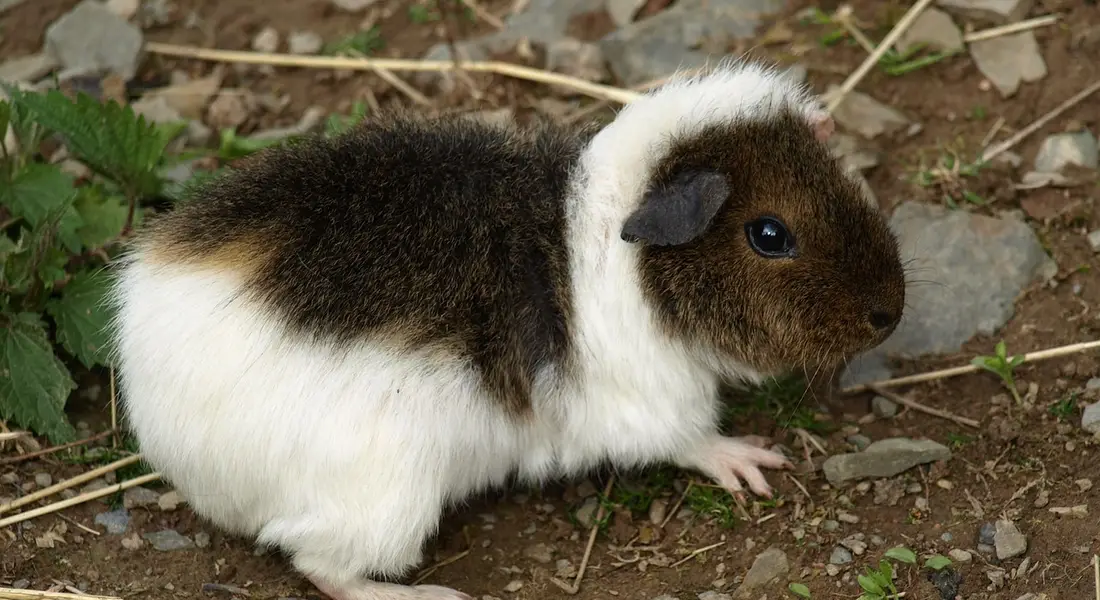
Your guinea pig’s cage is more than a home—it’s their fortress of solitude. Providing multiple hiding houses, like small igloos or wooden huts, gives your pet an instant escape when they feel overwhelmed. I always keep at least two hideaways in the cage so my guinea pigs never feel trapped. Do guinea pigs need hideouts? Yes—hiding is natural and helps them feel secure. Understanding their hiding needs guides how you set up their space.
Enrichment Through Environment
Tunnels and safe chew toys transform a basic cage into an engaging habitat. Paper towel tubes, seagrass tunnels, and untreated wooden blocks satisfy their natural chewing instincts while preventing boredom. Watching my guinea pig Biscuit methodically explore a new tunnel reminds me how crucial environmental variety is for their mental health.
The Power of Predictability
Guinea pigs thrive on routine like clockwork. Feeding them at the same times each day creates anticipation and security, while consistent spot-cleaning maintains familiarity within their space. I’ve found that my trio-Pepper, Clover and Biscuit-become noticeably more vocal and active about thirty minutes before their scheduled vegetable time, which aligns with their natural activity patterns.
A structured environment builds the trust needed for deeper bonding. When your guinea pig recognizes daily patterns, they spend less energy on vigilance and more on interaction and exploration. This predictable foundation ultimately helps timid pets like my Biscuit gradually reveal their true personalities.
Speaking Their Language: Understanding Guinea Pig Behavior
Learning guinea pig communication is like acquiring a new vocabulary for friendship. Wheeking-that high-pitched, excited squeal-universally means “I hear food coming!” or “Where’s my treat?” My Abyssinian Clover has perfected a particularly persistent wheek that begins the moment our refrigerator door opens.
Vocal Clues to Emotions
- Purring usually indicates contentment, especially when paired with relaxed body language during petting sessions
- Rumbling often signals dominance or mating behavior, frequently accompanied by a slow, swaying walk
- Short, sharp squeaks may express annoyance or mild protest during handling
- Chutting and chirping are curious sounds I’ve heard during exploration or social grooming
Reading Body Language
Your guinea pig’s posture speaks volumes about their emotional state. A frozen, tense body with wide eyes signals fear, while stretched-out lounging with relaxed limbs shows complete contentment. I’ve observed my gentle Pepper “pancake” herself flat against the floor when thoroughly comfortable during lap time.
Curiosity manifests through cautious investigation. Slow, deliberate sniffing with perked ears and slightly raised head indicates interested exploration rather than panic. My thoughtful Clover demonstrates this perfectly when encountering new vegetables-she’ll sniff meticulously before taking that first tentative nibble.
Trust develops when you respond appropriately to their signals. Recognizing when your guinea pig needs space versus when they’re inviting interaction builds the foundation for a lasting bond. Over time, I’ve learned that Biscuit’s specific head tilt means she wants chin scratches, while her soft teeth chattering tells me she’s had enough handling for now.
The Art of Gentle Handling and Building Trust
-
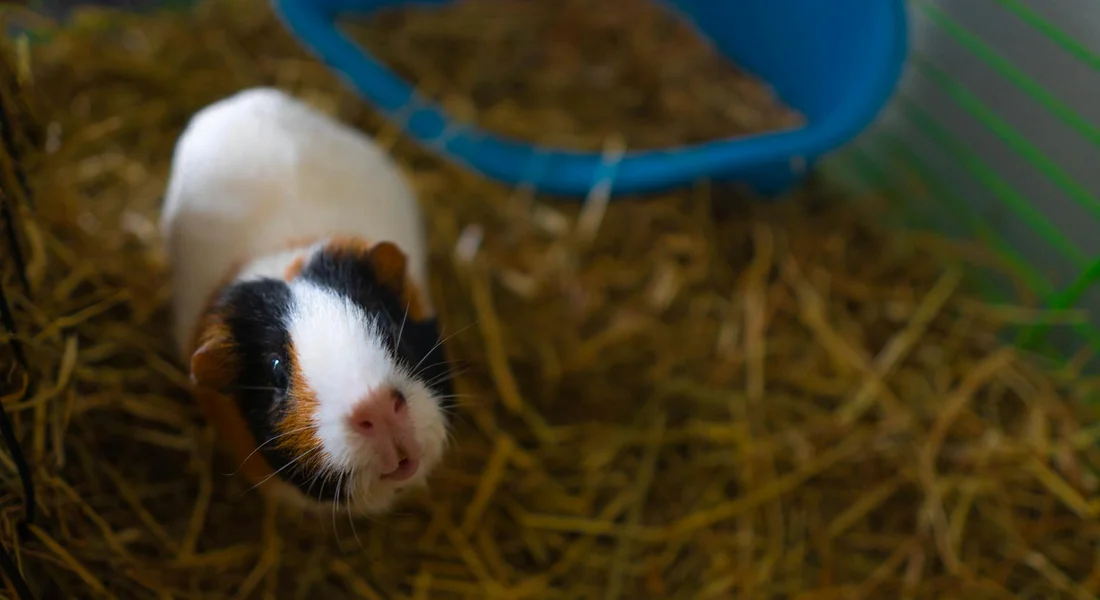
Start by using a soft, calm voice whenever you are near their cage. Guinea pigs have sensitive hearing, so a gentle tone helps them recognize you as a friend, not a threat. I always whisper to Biscuit when I approach, and over time, her reserved nature softened as she learned my voice meant safety.
-
Begin hand-feeding their favorite greens, like romaine lettuce or bell pepper strips. This creates positive associations between your hands and delicious treats, building trust bite by bite. Clover, my graceful Abyssinian, now eagerly nudges my fingers for cilantro, turning feeding time into a bonding moment.
-
Progress to gentle petting while they munch on those greens. Watch closely for comfort signals, such as relaxed body language or soft purring, to know they feel secure. With Pepper, I learned that if she stays still and chews happily, she is open to more interaction.
-
Practice slow, supported lifting for very short periods as trust deepens. Always cup their entire body in your hands to prevent falls and reduce stress during these brief sessions. I started with just 30-second holds for Biscuit, and now she snuggles calmly, showing how patience pays off.
Nourishment and Companionship: Keys to a Happy Guinea Pig
-
Unlimited hay and vitamin C-rich foods are non-negotiable for their health. Hay supports digestion and teeth wear, while vitamin C prevents scurvy, a common issue in guinea pigs. Hay is the foundation of guinea pigs’ daily diets, providing the constant fiber they need to stay healthy and avoid digestive issues. I mix timothy hay with fresh veggies like kale for my trio, ensuring they get the nutrients they need every day.
-
Guinea pig companionship reduces loneliness and stress. Introduce new friends gradually in a neutral space, watching for positive interactions like gentle sniffing. When I brought Clover home, slow introductions helped her and Pepper form a peaceful bond without fights.
-
Supervised playtime and bonding activities strengthen family ties. Set up a safe, enclosed area with tunnels and hideouts for exploration, and join in with quiet talking or hand-feeding. My pigs love floor time where I sit nearby, and those moments have made them more curious and affectionate toward me.
Monitoring Health and Well-being During Acclimation
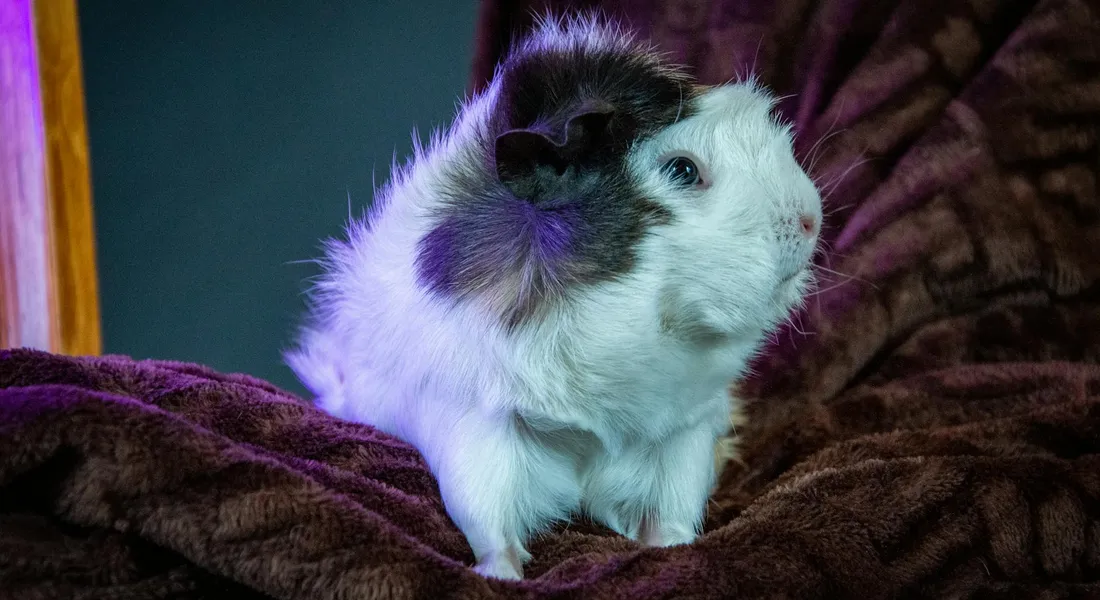
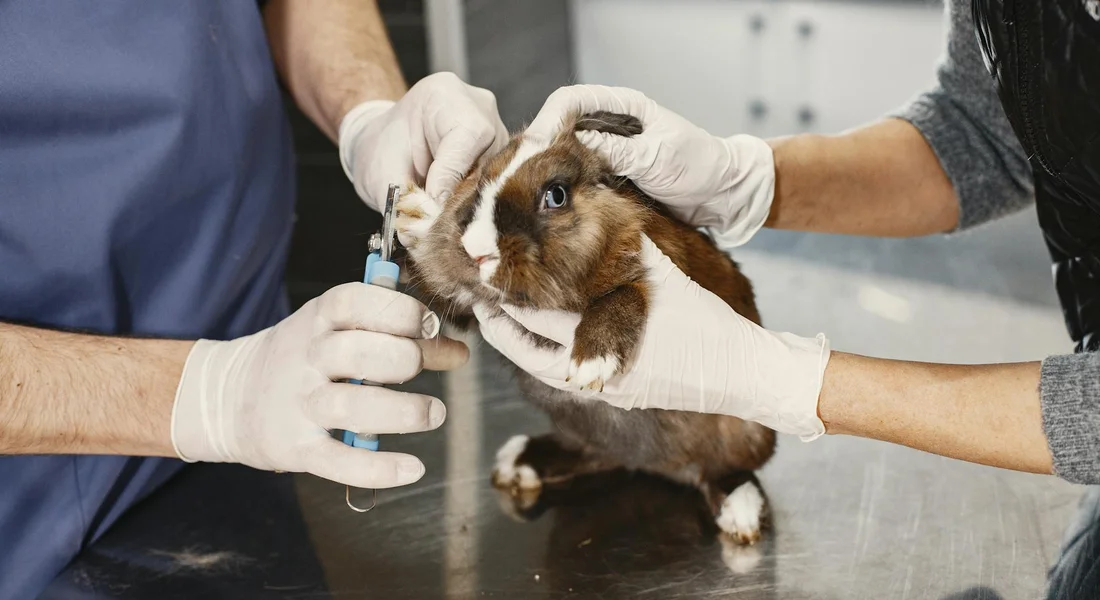
Keeping a close eye on your new guinea pig is the single most important thing you can do during their first weeks with you. I learned this quickly with my own trio; Pepper, Clover, and Biscuit all showed me unique signs when they were feeling unsure. That vigilance also means scheduling their first veterinary check-up soon after bringing them home. A quick visit can confirm they’re healthy and help you set up a proper care plan for weight, teeth, and daily needs.
Signs of Stress or Illness to Watch For
Your guinea pig’s body language and habits tell a clear story if you know what to look for.
- Changes in Eating or Drinking: A sudden drop in appetite is a major red flag. My Clover once stopped munching her morning veggies, which was my first clue she wasn’t feeling well.
- Unusual Hiding: While hiding is normal, refusing to come out even for favorite treats can signal deep fear or sickness.
- Lethargy or Lack of Movement: A healthy piggy will still explore when they think you aren’t looking. A consistently still, puffed-up guinea pig needs attention.
- Respiratory Issues: Listen for wheezing, sneezing, or crusty eyes. These are not normal and require a vet.
- Changes in Droppings: Watch for diarrhea or a noticeable decrease in the number of fecal pellets.
When to Contact a Veterinarian
Don’t hesitate to seek professional help if you notice any of these specific symptoms. It’s always better to be safe and get an expert opinion.
- No interest in food or water for more than 12 hours.
- Visible weight loss or a hunched, painful posture.
- Labored, noisy, or rapid breathing.
- Diarrhea or bloody stool.
- Any lumps, wounds, or signs of injury.
- Persistent head tilting or loss of balance.
Patience is Your Greatest Tool
Remember that some initial shyness, hiding, and quietness is completely normal and expected. My Biscuit spent her entire first week tucked away in a fleece forest, only emerging for food when the room was silent. Give them time. Your quiet, consistent presence is the best medicine for their nervousness. They are learning to trust you, and that process cannot be rushed.
FAQs
How long does it typically take for a new guinea pig to feel comfortable in its new home?
Acclimation time varies, but many guinea pigs start showing comfort within a few days to a couple of weeks. Be patient and maintain a consistent routine to support their adjustment. To help you navigate this, our complete 30-day, week-by-week acclimation guide breaks the process into actionable steps. In the early weeks, keep a steady routine, provide gentle handling, and watch for signs of comfort as they settle in.
What are the signs that my guinea pig is beginning to trust me?
Look for behaviors like willingly approaching your hand, taking treats directly from you, and displaying relaxed postures such as stretched-out lounging. These indicate growing confidence and a strengthening bond.
Is it necessary to have more than one guinea pig for their well-being?
Guinea pigs are social and often do better with a companion, but proper introductions in a neutral space are crucial. If housing alone, provide daily interaction and enrichment to prevent loneliness.
Your Guinea Pig’s Path to Comfort and Trust
Creating a calm, predictable environment with cozy hideaways and gradual interactions helps your new guinea pig feel secure from day one. I’ve seen with Pepper, Clover, and Biscuit that respecting their pace and offering favorite veggies like bell peppers can speed up bonding.
Responsible guinea pig care means committing to lifelong learning about their health, diet, and eco-friendly habitat choices. Opt for reusable bedding or DIY toys to reduce waste, ensuring your furry friend thrives while you protect our planet. Understanding guinea pig nesting behavior helps you tailor bedding to their needs. It supports warmth, moisture control, and safety in their daily rest.
Further Reading & Sources
- Cold acclimation and endurance training in guinea pigs: changes in daily and maximal metabolism – PubMed
- Guinea pig bonding basics | Animal Humane Society
- Cold acclimation of guinea pig depressed contraction of cardiac papillary muscle – PubMed
- How to tame your guinea pig – Guinea Pig Magazine
Kate is a passionate guinea pig owner and advocate for small pet welfare. With over a decade of experience caring for guinea pigs, she has become a trusted voice in the small pet community.
Uncategorized