What is Haylage and Is It Safe for Guinea Pigs?
Hello CavyFam! You might be wondering about haylage as a new option for your guinea pigs’ diet, but you’re also worried about keeping your little friends safe. It’s smart to question any new food before offering it to your curious cavies.
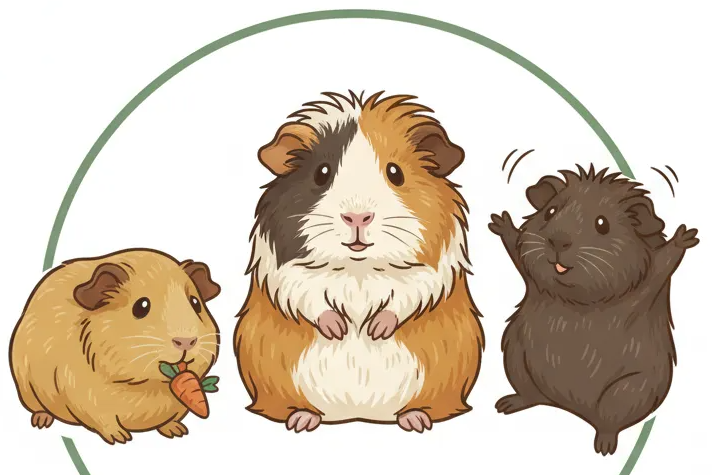
In this article, I’ll walk you through what haylage actually is, how it differs from traditional hay, its safety considerations for guinea pigs, and the best feeding practices if you choose to use it. With years of experience caring for my own herd-Pepper, Clover, and Biscuit-I’ve learned firsthand what keeps our piggies both happy and healthy.
What is Haylage and How Is It Made?
Haylage is essentially fermented forage that retains significantly more moisture than traditional hay. This higher moisture content creates a unique feeding option that feels softer and smells sweeter than dry hay.
- Haylage is a form of preserved forage that undergoes a controlled fermentation process, resulting in a product with a moisture content typically between 40-60%, unlike hay which is dried to below 15%.
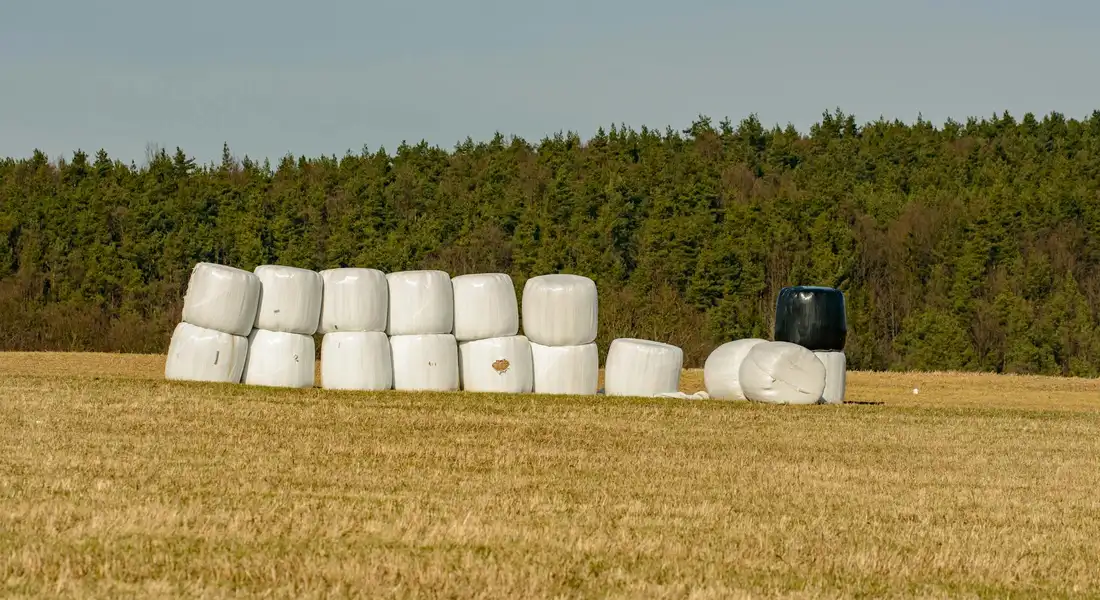
- The fermentation process is initiated by sealing the cut grasses in airtight plastic wraps, which encourages lactic-acid bacteria to thrive. These beneficial bacteria naturally preserve the forage by lowering the pH, creating an environment where spoilage microbes cannot survive.
- Common ingredients include lucerne (also known as alfalfa), ryegrass, Timothy grass, and clover. I’ve found that the specific grass mix used directly influences the final aroma and nutritional profile, much like different blends of loose-leaf tea.
Haylage vs. Hay: Key Differences for Guinea Pig Diets
Choosing between haylage and hay is a major decision for a guinea pig’s diet, and the differences are more than just texture. To choose the best hay for your guinea pig, look for fresh, dust-free hay with a pleasant aroma. Timothy hay is a common, nutritious choice for most guinea pigs.
- Moisture levels are the most obvious distinction; haylage is supple and damp, while hay is crisp and dry. Palatability often leans towards haylage because its sweeter, stronger smell is highly attractive to many pigs. Nutritionally, the fermentation can make some proteins and energies more readily available.
- Pros of hay: It’s excellent for long-term storage, provides essential roughage for wearing down constantly growing teeth, and supports healthy digestion through its high fiber content. Cons: It can be dusty, which I’ve seen bother pigs like my sensitive Peruvian, Biscuit, and some picky eaters may turn their noses up at it. Pros of haylage: Its high palatability is great for encouraging eating, and the low dust is a boon for respiratory health. Cons: Its high moisture and rich nature mean it spoils quickly once opened and can be too rich for some digestive systems.
- Sugar and starch levels can vary significantly. The fermentation process in haylage can sometimes preserve more water-soluble carbohydrates, potentially leading to higher sugar content than in an equivalent batch of sun-dried hay. This is a critical consideration for weight management and overall health.
Is Haylage Safe for Guinea Pigs? Understanding the Risks
Haylage can pose several hazards if not handled carefully, and I’ve learned this firsthand with my guinea pigs Pepper, Clover, and Biscuit. Mold is a top risk because it thrives in moist environments and can release toxins that harm your pet’s respiratory and digestive systems. Spoiled haylage might develop harmful bacteria, leading to infections or severe stomach upset.
- Mold exposure: Can cause breathing difficulties or poisoning symptoms.
- Spoilage issues: Increases the chance of bacterial growth, risking diarrhea or lethargy.
- Digestive troubles: The fermentation in haylage might trigger bloating or gas in sensitive pigs.
In my experience, haylage should be avoided for guinea pigs with delicate stomachs, like Biscuit who tends to be more reserved and prone to dietary changes. Steer clear if your pig has a history of digestive sensitivity, is very young, elderly, or recovering from illness. These conditions make it harder for them to adjust to new foods. Common hay-related health problems to watch for include digestive upset and dental issues. Choosing high-quality, dust-free hay helps prevent these problems.
To assess safety before feeding, follow these simple steps to protect your furry friend.
- Look closely for any fuzzy patches or unusual colors that signal mold.
- Take a whiff-it should smell fresh and slightly sweet, not sour or rotten.
- Feel the texture; avoid if it’s slimy or overly damp to the touch.
- Check storage dates and keep it in a dry, cool spot to maintain quality.
Trust your senses-if anything seems off, it’s safer to skip it and opt for reliable hay instead.
Nutritional Benefits of Haylage for Your Pet
When haylage is safe and fresh, it offers some great nutritional perks for your guinea pig. The high fiber content is fantastic for wearing down their constantly growing teeth and keeping their digestive tract moving smoothly. I’ve noticed how Clover’s graceful chewing helps her maintain good dental health with fibrous foods. It’s essential to ensure that guinea pigs chew on safe and appropriate items to avoid any health issues.
Comparing calcium and phosphorus levels, haylage often has a natural balance that mimics fresh forage. This ratio can help prevent urinary problems that pop up with imbalanced commercial feeds. Too much calcium in other options might lead to stones, but haylage tends to be gentler.
- Fiber boost: Supports dental wear and gut motility, reducing constipation risks.
- Calcium and phosphorus: Usually well-proportioned, lowering the chance of bladder issues.
- Vitamin-C content: While present in small amounts, it’s not enough to rely on; you’ll still need to provide extra through veggies or supplements.
Feeding Pepper his haylage mix has shown me how a fiber-rich diet keeps him steady and happy, but I always pair it with vitamin-C sources like bell peppers for full nutrition.
How to Safely Introduce Haylage into Your Guinea Pig’s Diet
- Start with small quantities to monitor reaction.
- Mix with regular hay to ease transition.
- Observe for signs of palatability or aversion.
Begin by offering just a teaspoon of haylage mixed into their usual hay. This minimal amount lets you spot any digestive issues or allergies early on, keeping your guinea pig safe and comfortable. When I introduced haylage to Biscuit, I gave him a tiny portion and watched how his reserved nature shifted to curious nibbling over days. When transitioning to a new hay type, mix it in gradually—start with mostly familiar hay and a small amount of the new type, then increase over several days. This helps their gut adjust and makes the switch smoother.
Blend haylage with their favorite hay to make the new food less intimidating. Mixing helps your guinea pig associate the unfamiliar scent and texture with something they already love, reducing stress during the change. I found that Clover, with her graceful personality, accepted it better when it was half haylage and half timothy hay.
Watch closely for how they interact with the haylage-note if they eat it eagerly or leave it alone. Signs of acceptance include happy wheeking and consistent munching, while aversion might show as ignored food or hesitant behavior. With Pepper, I learned that his steady demeanor meant he needed extra time to adjust, so I patiently observed his eating patterns.
Proper Storage and Handling of Haylage
- Haylage generally stays fresh for up to 6 months when stored in a cool, dry place away from direct light.
- Look for mold, a musty smell, or any dampness as clear indicators of spoilage.
- Use airtight containers and check the haylage weekly to maintain its quality and safety.
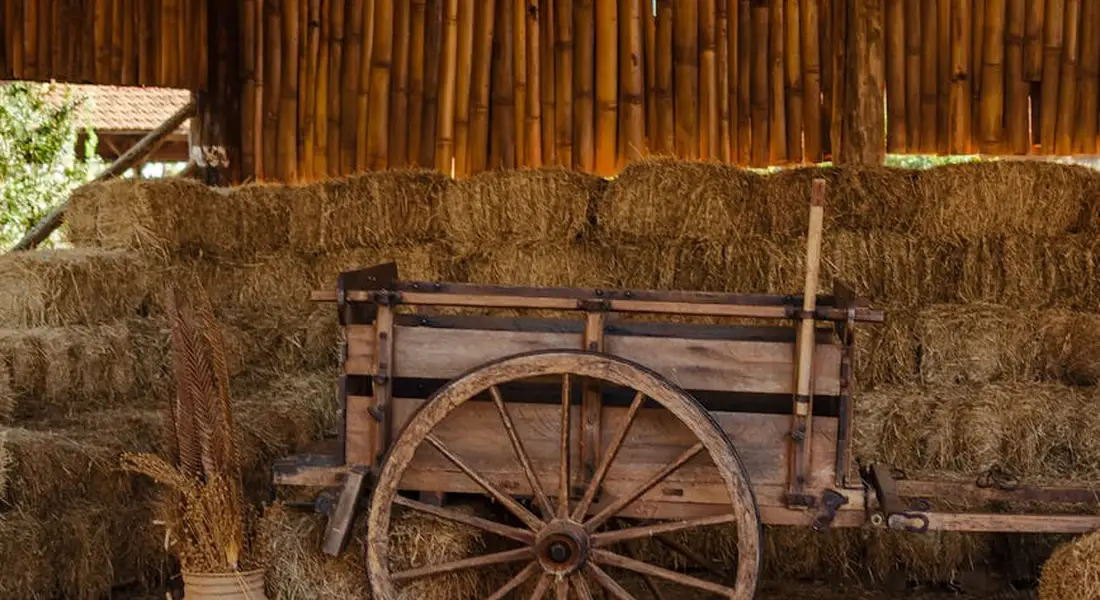
Store haylage in sealed bins to shield it from humidity and pests. Keeping it in a dark, cool spot like a pantry or cupboard prevents mold growth and preserves nutrients for your guinea pigs. I use reusable plastic containers for my haylage, and they have kept it fresh and eco-friendly for months. Label the containers with the date opened and use oldest hay first to maintain freshness. Keep the storage area dry and reseal after each use to prevent spoilage.
Inspect the haylage before each feeding to ensure it is safe. If you notice any fuzzy spots or an off odor, discard it immediately to protect your pets from potential health risks like respiratory problems. This simple habit has helped me avoid issues with my guinea pigs, especially sensitive ones like Biscuit.
Limit air exposure by only removing what you need for a few days at a time. Resealing the container tightly after use extends freshness and reduces waste, making it a practical choice for busy pet owners. I make it a routine to check my storage every Sunday, which keeps the haylage in top condition for Pepper, Clover, and Biscuit.
Recognizing Unsafe Haylage and When to Seek Vet Advice
Your nose and eyes are your best tools for spotting haylage that has gone bad. Fresh, safe haylage should have a pleasant, slightly sweet, and earthy aroma, much like the smell of a clean barn or freshly cut grass after a light rain. If you open a bag and are met with a sharp, sour, musty, or frankly rotten smell, that’s your first major red flag. Trust your instincts; if it smells off, it is off.
Visually, you’re looking for consistent color and texture. Good haylage is typically a greenish-tan color and feels slightly moist but never slimy or wet to the touch. Be extremely wary of any bale or bag that shows signs of white, grey, blue, or black fuzzy patches or dust. This visible mold is a definitive sign of spoilage and an immediate danger to your pet. Any significant heat coming from the bale is another sign of improper fermentation and bacterial growth.
Symptoms of a Bad Reaction in Your Guinea Pig
Even with careful selection, a sensitive guinea pig might have an adverse reaction. I’ve seen this firsthand with my own herd, especially when I first introduced new foods. You must monitor your pet closely for any changes in behavior or physical health after introducing haylage. Hay provides the fiber essential for digestion and dental wear in guinea pigs. Choosing high-quality hay helps prevent dental problems and digestive issues. Watch for these specific signs:
- A sudden and complete loss of appetite or refusal to drink water.
- Lethargy or a notable lack of energy and movement.
- Signs of digestive upset, such as diarrhea, unusually soft droppings, or a bloated, hard abdomen.
- Wheezing, sneezing, or labored breathing, which could indicate a respiratory reaction to mold spores.
- Any vocalizations of pain, like constant whining or teeth grinding.
When It’s Time to Call the Veterinarian
Guinea pigs are prey animals and excel at hiding illness until they are very sick. When it comes to potential poisoning or severe digestive distress, time is of the essence, and waiting to see if they “get better” is never the right choice. Based on my years of experience and advice from my own exotics vet, you should seek immediate professional care if you observe any of the following, especially after a notable change during a health check:
- Your guinea pig stops eating or pooping entirely for more than a few hours.
- You see visible blood in their urine or droppings.
- They appear weak, unable to stand, or are completely unresponsive.
- They are experiencing obvious respiratory distress.
- Their abdomen is severely distended and feels hard, which is a sign of bloat, a life-threatening condition.
Always err on the side of caution and contact your vet with any concerns; it’s far better to have a false alarm than to face a tragic outcome. When you call, be ready to tell the vet what your pet ate, when they ate it, and the exact symptoms you are observing.
FAQs
Can haylage cause weight gain in guinea pigs?
Haylage may have higher sugar content due to fermentation, which can contribute to weight gain if overfed. Monitor portions and balance it with low-calorie hay to maintain a healthy diet.
Is haylage suitable for guinea pigs with dental problems?
Haylage’s softer texture might not provide sufficient abrasion for wearing down constantly growing teeth. Always include traditional hay to ensure proper dental health and prevent overgrowth.
How can I tell if my guinea pig is allergic to haylage?
Look for signs like excessive scratching, sneezing, or changes in droppings after introduction. Discontinue use immediately and seek veterinary care if symptoms persist or worsen.
Making the Right Choice for Your Herd
Haylage can be a safe, occasional treat for your guinea pigs, but it is not a replacement for their essential, daily high-fiber hay. Guinea pigs have a daily hay requirement to support digestion and dental health. Providing fresh hay every day helps meet this need. Always source it from a trusted supplier, check for any signs of spoilage like mold, and introduce it in very small amounts to monitor their digestion.
Being a fantastic guinea pig parent means always staying curious and committed to providing the best, most natural care you can. Proper care for guinea pigs also means meeting their daily needs: hay, fresh water, a balanced diet, clean housing, and regular veterinary checkups. Exploring sustainable options, like supporting farms that use eco-friendly practices, is a wonderful way to care for your pets and our planet simultaneously.
Further Reading & Sources
- r/guineapigs on Reddit: is bale of hay OK for Pigs to eat?
- Haylage – Guinea Lynx Forums
- What are the Best Types of Hay for Guinea Pigs? – Oxbow Animal Health
- Haylage – Guinea Pig Cages
Kate is a passionate guinea pig owner and advocate for small pet welfare. With over a decade of experience caring for guinea pigs, she has become a trusted voice in the small pet community.
Uncategorized