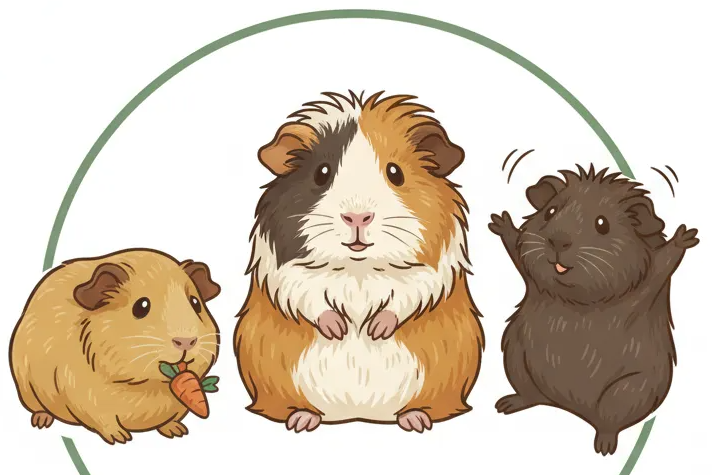
Understanding Guinea Pig Behavior Before You Buy
Hello CavyFam! Are you thinking about adding a guinea pig to your family but feeling a bit unsure about what to expect from their behavior?
You might be worried about misreading their signals or whether they’ll thrive in your home environment, and that’s completely normal.
In this guide, I’ll explore body language cues, vocal sounds, social habits, and common behavior patterns. With years of hands-on experience raising guinea pigs like Pepper, Clover, and Biscuit, I’m here to share insights that help you make a confident, caring choice.
Decoding Guinea Pig Body Language and Vocalizations
Guinea pigs speak volumes through their movements and sounds, and learning their language helps you respond with care. Observing their subtle cues prevents misunderstandings and builds a stronger bond between you and your pets. By learning to interpret guinea pig body language, you’ll understand what they’re feeling. You can then tailor your care to keep them comfortable and happy.
Common body postures reveal their inner feelings. Popcorning involves joyful leaps and twists, showing pure happiness. Freezing means they feel scared or threatened, so give them space. Rumble strutting, a low swaying walk, signals dominance or mating interest.
Vocal sounds add another layer to their communication. Squeaking often means excitement or hunger, especially during feeding times. Chattering teeth indicate anger or a warning to back off. Soft purring can signal contentment when petted gently.
| Behavior | Emotion or Intention |
|---|---|
| Popcorning | Happiness and playfulness |
| Freezing | Fear or alertness to danger |
| Rumble Strutting | Dominance or courtship |
| Squeaking | Excitement or request for food |
| Chattering Teeth | Aggression or discomfort |
I once misread Biscuit’s chattering as playful noise, but it was a clear sign he felt crowded by a new toy. Correcting my response by removing the stressor taught me to always watch for context in their signals. With Pepper, her gentle popcorning during floor time reassures me she’s thriving in her environment.
Social Needs and Bonding Behaviors
Understanding Social Structure and Interactions
Guinea pigs thrive in groups, displaying behaviors that strengthen their social ties. Mutual grooming and gentle nibbling show affection and establish hierarchy within the group. Curiosity displays, like sniffing and following each other, help them explore and bond safely. Understanding grooming cues helps explain how guinea pigs bond and maintain trust. This awareness supports better care and enrichment for cohesive groups.
- Grooming sessions reinforce trust and reduce stress among cage mates.
- Nibbling can be a friendly nudge or a mild warning, so monitor for escalation.
- Curiosity often leads to playful chases and shared hiding spots.
For successful bonding, follow these steps to introduce new pigs or littermates. Start in a neutral area to avoid territorial disputes and keep initial meetings short and supervised. Gradually increase interaction time as they show calm behaviors like sniffing without aggression.
- Place pigs in a clean, unfamiliar space with hiding spots.
- Offer treats to create positive associations.
- Watch for signs of acceptance, like relaxed postures.
- If conflicts arise, separate and try again later.
Housing compatibility depends on ample space and personality matches. Provide at least 7.5 square feet per pig to prevent crowding and reduce fights. From my experience, pairing Clover’s graceful nature with Pepper’s steadiness created a harmonious duo, while Biscuit’s reserved side needed a slower introduction to feel secure.
Building Trust Through Handling
Gentle handling reduces fear and encourages positive interactions. Approach your guinea pig slowly and speak in a soft voice to avoid startling them. Use these step-by-step tips to build confidence over time.
- Sit near their cage daily to let them get used to your presence.
- Offer favorite veggies from your hand to associate you with good things.
- Lift them with both hands, supporting their entire body to prevent falls.
- Hold them close to your chest for short periods, increasing duration as they relax.
Bonding activities foster trust and socialization. Hand-feeding fresh greens or gentle petting sessions during quiet times strengthens your connection. I’ve found that talking to Pepper while she eats helps her feel safe, and she now approaches me willingly for cuddles.
Recognizing Stress and Fear Responses
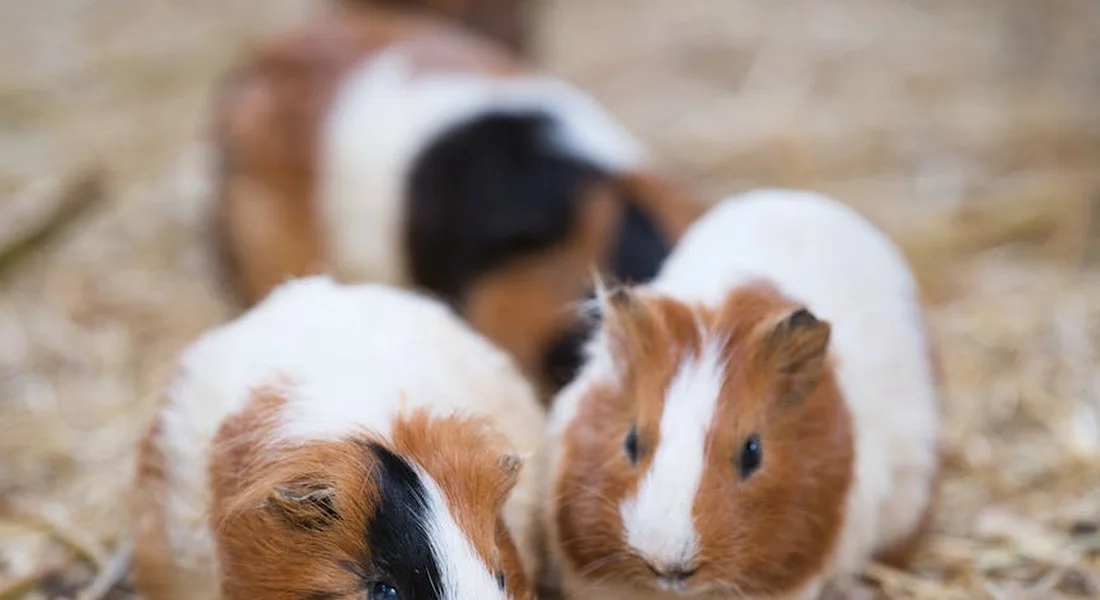
Guinea pigs often show stress through clear signals that you can spot if you pay close attention. Watch for behaviors like hiding for long periods, sudden changes in appetite, or excessive teeth chattering, as these can indicate your pet feels threatened or uneasy. I’ve seen my own guinea pig, Clover, dart under her hideaway when loud noises start, which tells me she needs a quieter space.
- Hiding more than usual, especially in new environments
- Reduced eating or drinking, which might lead to weight loss
- Loud squeaks or teeth grinding, signaling discomfort
- Restlessness or pacing in their enclosure
Freezing or laying still with their head pulled back is a classic fear response. This posture means your guinea pig is trying to avoid detection, often due to perceived danger, and it’s a sign they need reassurance and a calm setting. When Biscuit freezes like this, I gently speak to her and offer a favorite veggie to help her relax. Decoding the freeze can help you understand what your guinea pig is trying to communicate.
If you notice persistent behavior changes, like not eating for over 12 hours or lethargy, it’s time to seek vet care. Sudden shifts in activity or vocalizations can point to health issues that need professional attention to keep your pet safe and healthy. From my years caring for guinea pigs, I’ve learned that early intervention can prevent bigger problems.
Always consider rescue guinea pigs, as past trauma can shape their reactions. Adopting from shelters gives these animals a second chance, and observing their unique histories helps you provide patient, tailored care that builds trust over time. By focusing on gentle handling and predictable routines, you can help a traumatized guinea pig learn to trust again. I advocate for rescue because many, like Pepper, blossom with consistent love and a stable home.
Breed Temperaments and Age-Related Behaviors
Comparing Common Breeds
Different guinea pig breeds have distinct personalities that affect how they interact with you. American guinea pigs, like my gentle Pepper, tend to be calm and easygoing, making them great for first-time owners who want a low-key companion. In contrast, Abyssinians such as Clover are often more curious and energetic, enjoying exploration but sometimes needing extra handling to feel secure.
| Breed | Temperament | Activity Level |
|---|---|---|
| American | Gentle, steady | Moderate |
| Abyssinian | Graceful, thoughtful | High |
| Peruvian | Reserved, intelligent | Low to moderate |
Peruvian guinea pigs, like Biscuit, can be more reserved but are incredibly smart, often figuring out puzzles faster than others. Choosing a breed that matches your lifestyle ensures a happier bond, as their innate traits influence daily interactions and care needs.
Behavior Changes Through Life Stages
Guinea pigs evolve in behavior as they age, much like people do. Young pigs under a year old are bursting with curiosity and energy, often popcorning (jumping for joy) and exploring every corner of their space. I’ve watched Biscuit, at one year, gradually become more cautious but still inquisitive, showing how maturity brings balance.
- Young (0-1 year): Highly active, playful, and quick to learn new routines
- Adult (1-5 years): More settled, with established habits and social bonds
- Senior (5+ years): Slower pace, possible health issues, but still affectionate with proper care
As guinea pigs grow older, their energy and curiosity often mellow. Senior pigs might nap more and prefer familiar routines, so adjusting their environment for comfort helps them age gracefully and stay engaged. With Clover now three, I see her thoughtful nature shine in quieter moments, reminding me to cherish each life stage.
Daily Care and Enrichment Requirements
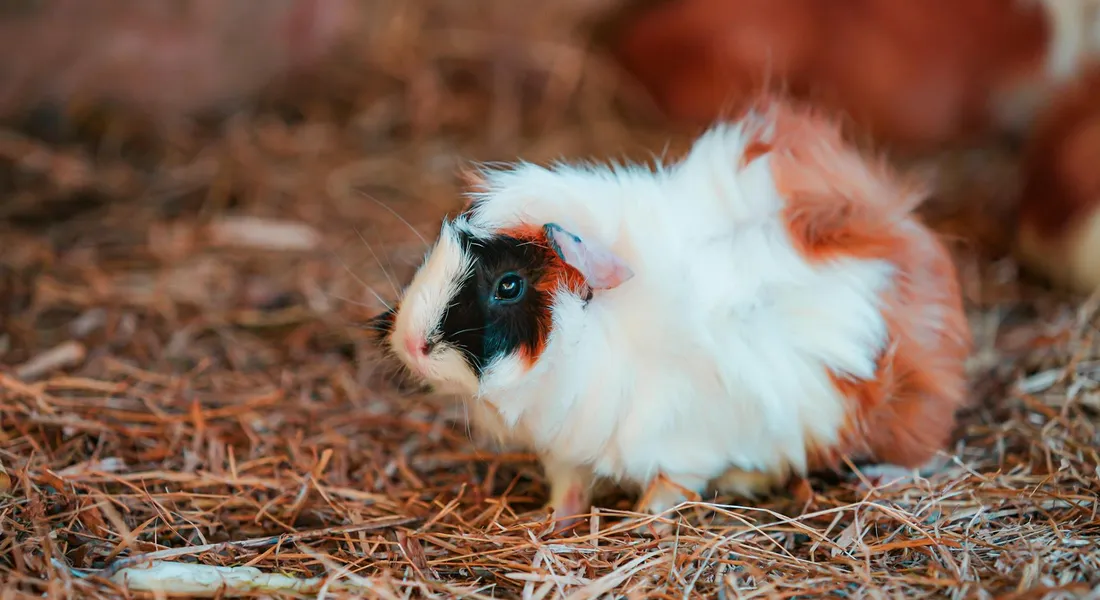
Your guinea pig’s daily behavior directly tells you what they need to thrive. When my pig, Biscuit, started chewing the cage bars, I realized his environment lacked proper enrichment, which is a common sign of boredom. A well-set-up cage with hiding spots and chew toys can prevent this destructive and stressful behavior.
Connecting Behavior to Care Needs
Observing your pet helps you tailor their care perfectly.
- Cage Setup: Guinea pigs are prey animals. Hiding and sudden freezing are natural instincts. Provide multiple hideouts, like small boxes or commercial huts, so they always feel safe.
- Healthy Appetite: A happy guinea pig is a hungry guinea pig. Refusing favorite veggies like bell pepper can be the first sign of illness. A consistent, hearty appetite is a key indicator of well-being.
- Litter Habits: Many guinea pigs naturally pick a corner for bathroom use. Placing a small litter pan there can make spot-cleaning much easier and keep their main living area cleaner.
Step-by-Step Enrichment Ideas
Preventing boredom is crucial for a content guinea pig.
- Rotate Toys Weekly: Swap out tunnel systems, paper bags, and untreated wood chews to keep their environment novel and engaging.
- Create a Foraging Box: Once a week, I fill a shallow cardboard box with hay and hide small pieces of cilantro or parsley inside. This stimulates their natural foraging behavior.
- Introduce New Textures: Place a flat stone or a piece of untreated, seagrass mat in the cage. They will enjoy walking on and exploring the different feeling under their feet.
- Schedule Floor Time: Ensure a safe, enclosed space for daily supervised exploration outside the cage. This provides essential mental and physical exercise.
Daily Interaction and Well-being Checklist
Use this simple list every day to monitor your guinea pig’s health and happiness.
- Observe general activity level; are they moving around normally?
- Check that fresh hay and water are available and being consumed.
- Offer a small portion of fresh vegetables and note if they eat eagerly.
- Listen for vocalizations like happy wheeking or content purring.
- Look for clear, bright eyes and a clean, dry nose and rear end.
- Spend at least 15 minutes in quiet interaction, whether hand-feeding or gentle petting.
Pre-Purchase Behavior Observation Checklist
Spending time watching potential pets before you adopt is the most important step. I learned this the hard way; bringing home a sickly pig without proper observation led to vet bills and heartache. That’s the point of the ultimate pre-adoption checklist: are you truly ready to welcome a guinea pig? This checklist helps you confirm your readiness and ensure you can provide a healthy home. Use this numbered checklist to assess a guinea pig’s health and personality in their current home.
- Assess Overall Alertness: A healthy guinea pig should be aware of its surroundings. Look for bright, open eyes and a curious posture, not one that is constantly hunched or hiding.
- Check for Clear Breathing: Listen carefully. You should not hear any wheezing, clicking, or labored breaths, which can indicate a respiratory infection.
- Observe Social Dynamics: If they are with other pigs, watch how they interact. Peaceful coexistence, shared eating, or even gentle rumbling is normal. Chasing or aggressive teeth chattering is a red flag.
- Gauge Reaction to Humans: See how they respond to their current caretaker. Do they approach the hand? Do they freeze in fear? A pig that is hesitant but not terrified is often a good candidate for taming.
- Look for a Healthy Coat and Body: The fur should be full without bald patches, and the body should feel firm, not bony or overly fat, if you are allowed a gentle touch.
- Monitor Eating and Drinking: Ask if you can see them being fed. A guinea pig that readily approaches food and eats with enthusiasm is showing a vital sign of good health.
The best insight comes from simply sitting and watching the guinea pigs interact with each other and their environment for at least 20-30 minutes. This quiet observation will reveal their true personalities and social readiness far better than a quick, stressful pet store visit. Understanding these personalities helps decide if a guinea pig is a good pet for you. Their unique traits guide daily care and bonding.
FAQs
What behavior changes might I see in my guinea pig after a CT scan for pneumonia?
After a CT scan, your guinea pig may be lethargic or disoriented due to anesthesia and stress. Provide a quiet, warm recovery space and monitor for any prolonged lack of appetite or movement, consulting your vet if concerns arise.
What are key behavioral adaptations in guinea pigs?
Guinea pigs have evolved to freeze when threatened, helping them avoid predators in the wild. They also use popcorning leaps to express joy and maintain social bonds within their groups.
How can I address common guinea pig behavior problems like over-grooming?
Over-grooming often stems from stress or boredom, so enrich their habitat with toys and hiding spots. If the behavior persists, consult a vet to rule out underlying health issues like skin irritation.
What do subtle guinea pig sounds, like different purrs, indicate?
A soft, steady purr usually signals contentment during gentle petting, while a sharper, repeated purr can mean irritation or discomfort. Paying attention to context helps you understand their specific needs and emotions.
How do guinea pigs resolve conflicts within their social groups?
Guinea pigs often use submissive behaviors like lowering their head or moving away to de-escalate tensions after minor disputes. Ensuring ample space and resources reduces competition and supports peaceful coexistence. If tensions persist, separate them briefly and reassess their setup. Reintroduce them in a neutral, spacious area with plenty of hiding spots and resources to encourage calm interactions.
Your Guinea Pig Adventure Awaits
Before bringing a guinea pig home, observe their unique traits and social needs to ensure a great match. This approach, based on my time with Pepper, Clover, and Biscuit, builds a foundation for trust and happiness in your new pet when you know what to look for in a guinea pig.
Always prioritize responsible ownership by staying curious about care updates and choosing eco-friendly supplies. Properly caring for guinea pigs means providing a roomy cage. This includes fresh hay, daily vitamin C, clean water, and regular social interaction. Your ongoing efforts make a real difference in your guinea pig’s well-being and our shared environment.
Further Reading & Sources
- Guinea Pig Behaviour: Noises & Body Language Meanings
- 10 Common Guinea Pig Behaviors Explained | Chewy
- Know Your Guinea Pig Is Happy | RSPCA – RSPCA – rspca.org.uk
- Different Guinea Pig Sounds and What They Mean – Northern Nester
Kate is a passionate guinea pig owner and advocate for small pet welfare. With over a decade of experience caring for guinea pigs, she has become a trusted voice in the small pet community.
Uncategorized