Guinea Pig Health Check: What to Look for When Choosing
Hello CavyFam! Bringing home a new guinea pig is an exciting adventure, but it’s totally normal to feel a little nervous about their health. You want to pick a lively, happy companion who will enjoy a long, healthy life with you.
In this guide, I’ll walk you through bright and clear eyes, clean nose and ears, smooth and full fur, active and curious behavior, and a sturdy, well-proportioned weight. With years of experience caring for my own guinea pigs like Pepper, Clover, and Biscuit, I’ve learned the key signs of a healthy cavy firsthand.
Understanding Guinea Pig Health and Why It Matters
Good guinea pig health means your pet is active, eats well, breathes quietly, and looks clean and comfortable.
A pre-purchase health check saves you from heartache and expensive vet bills later on.
I learned this lesson the hard way when I brought home a guinea pig without a proper check, only to find she had a hidden respiratory infection that needed weeks of treatment.
Early health checks are a simple act of kindness that prevent suffering and promote lifelong well-being for these gentle animals.
Visual Health Indicators to Inspect
Look for these clear signs of a healthy guinea pig during your check.
- Healthy Coat: Fur should feel smooth and dense, without bald patches or flakes. Run your fingers gently against the grain to feel for any lumps or scabs.
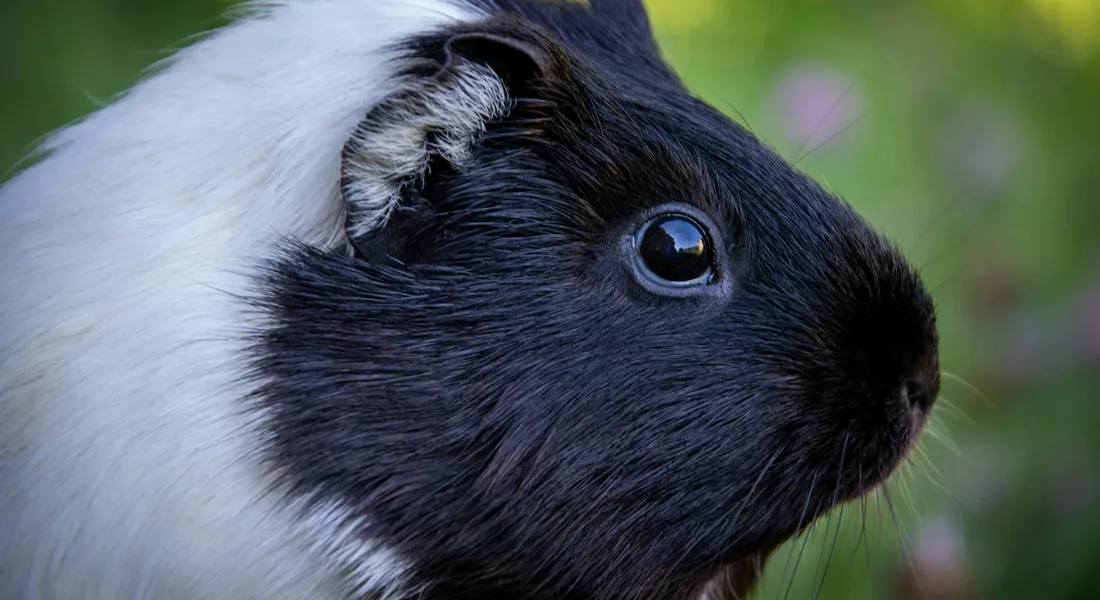
- Bright Eyes: Eyes must be clear, wide open, and free of crust or cloudiness. They should look alert and curious, not dull or sunken.
- Clean Nose and Ears: The nose should be dry with no mucus or staining on the fur. Ears should appear pink and clean inside, without any dark wax or debris.
- Pink Gums: Gently lift the lip to check that gums are a healthy pink, not pale or red. Teeth should be aligned and not overgrown.
Taking a few minutes to inspect these areas can give you tremendous confidence in your choice and set your new friend up for a happy life.
Behavioral Clues of a Healthy Guinea Pig
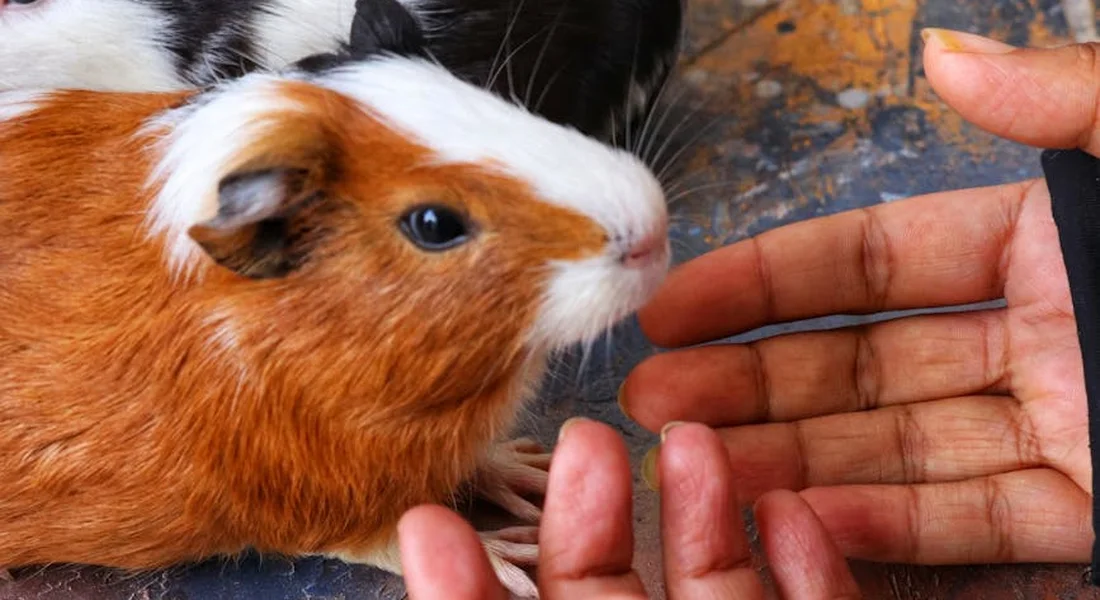
Watch for a guinea pig that’s active and alert when you approach, not one hiding in a corner. A healthy piggy will perk up, sniff the air, and show curiosity about its surroundings.
Look for social behavior with cage mates, like gentle nose-touching or resting together. Guinea pigs are herd animals, so a happy one seeks companionship instead of isolation. By watching these cues, you can know if your guinea pigs are happy and thriving in their environment.
Mobility is key-they should move freely without limping or hesitation. You want to see smooth walking and the ability to pop up on their hind legs to explore.
How to Observe in a Store or Shelter
- Spend at least 10-15 minutes watching from a distance first.
- Notice if they react to sounds or movement near the cage.
- See if they’re interacting with other guinea pigs or toys.
- Ask a staff member if you can offer a piece of fresh veggie to gauge interest.
Comfort with handling is a great sign of well-being. When I first held Biscuit, she stayed calm in my hands, which told me she felt secure.
A guinea pig that doesn’t struggle excessively or freeze in fear is likely used to gentle human contact.
Interpreting Vocalizations and Movements
- Wheeking: High-pitched, excited squeals often mean they’re hungry or anticipating food.
- Purring: A deep, relaxed rumble usually signals contentment, especially when being petted.
- Popcorning: Joyful little jumps and twists indicate a very happy, energetic guinea pig.
- Teeth Chattering: A warning sound; it can mean annoyance or a sign to back off.
From my experience with Pepper, steady, rhythmic movements during exploration show confidence. Sudden stillness or frantic running can signal stress or discomfort.
Physical Checks You Can Perform
-
Check Teeth Alignment and Length
Guinea pigs’ teeth grow continuously, so misalignment can cause serious issues. Look for even, neat front teeth that aren’t overgrown or broken. Regular dental health care is important for guinea pigs. Routine checks and a proper diet help prevent overgrowth.
I learned this the hard way when Clover had a slight malocclusion-it affected her eating until we got it trimmed.
-
Assess Weight Stability and Good Appetite
A healthy guinea pig should have a rounded, firm body without visible spine or hip bones. They should eagerly approach food, especially fresh veggies and hay.
Notice if they’re consistently munching; a drop in appetite is an early red flag.
-
Examine Normal Droppings and Hydration Levels
Droppings should be firm, oval-shaped, and uniform in size. Well-formed poop means their digestive system is working properly.
Check for moist, pink gums and elastic skin-pinch a bit on the back; if it snaps back quickly, they’re well-hydrated.
-
Monitor Respiration and Clean Nails
Breathing should be quiet and steady, with no wheezing or labored sounds. Listen closely for clear, effortless breaths.
Nails ought to be short and clean, not overgrown or curling inward. Regular trims prevent pain and mobility issues.
-
Note Any Abnormalities in These Areas
Watch for discharge from eyes or nose, patchy fur, or skin sores. Any crustiness, swelling, or bald spots need immediate attention.
Trust your gut-if something feels off during your check, it’s better to consult a vet early.
Common Health Issues and Red Flags
As a long-time guinea pig owner, I’ve learned that spotting health problems early is the single most important skill you can develop. Many common issues are easily treatable if you catch them right away, but they can become serious if ignored.
- Respiratory Infections: Listen closely for any wheezing, clicking, or labored breathing. This often pairs with a runny nose or crusty eyes, which we covered in the visual check. I remember when my Clover had a slight sniffle; catching it early meant a quick vet visit and a full recovery.
- Dental Problems: A guinea pig’s teeth never stop growing. Watch for signs of difficulty eating, drooling, or weight loss. This connects directly to the behavior check-a piggy that’s not interested in food is a major red flag. I always check that Biscuit is munching happily on her hay.
- Skin and Fur Conditions: Look for bald patches, excessive scratching, or flaky skin. This relates back to a dull or unkempt coat. Avoid any guinea pig with visible sores or signs of mites, as these require immediate veterinary care.
- Digestive Issues: A healthy guinea pig has a round, firm belly. A bloated or very skinny abdomen can signal serious trouble. Their droppings should be firm and oval-shaped; any deviation is a cause for concern.
When choosing your new friend, steer clear of any that seem lethargic, are isolated from the group, or show any of the physical signs we’ve discussed. If something feels off, it probably is. Your intuition is a powerful tool-trust that gut feeling.
Using a Health Check Sheet for Selection
Walking into a shelter or breeder’s can be overwhelming. I never go to look at a potential new guinea pig without my health check sheet; it keeps me focused and ensures I don’t miss any critical details in the excitement.
The purpose of this sheet is to give you a structured, objective way to evaluate an animal’s wellbeing. It turns a stressful decision into a simple checklist.
- Visual Inspection Items: Clear, bright eyes; clean nose and ears; healthy, full coat; clean bottom; well-trimmed nails.
- Behavioral Observation Items: Alert and curious demeanor; active movement; normal breathing sounds (no wheezing); interest in food (especially hay).
- Physical Check Items (if permitted): Firm, rounded body shape; no lumps or bumps when gently felt; clean, dry genital area.
During your visit, find a quiet moment to discreetly go through your list. Observe the guinea pig from a distance first, then move closer. Don’t be afraid to ask the staff to hold the piggy so you can get a better look. A reputable source will appreciate your diligence.
Here is a simple template you can copy and adapt for your own use. I’ve been using a version of this for years.
My Guinea Pig Health Check Template
- [ ] Eyes: Clear and bright, no discharge
- [ ] Nose: Clean and dry, no sneezing
- [ ] Ears: Clean inside, no crust or odor
- [ ] Coat: Full and smooth, no bald spots
- [ ] Breathing: Quiet and even, no sounds
- [ ] Behavior: Active and inquisitive
- [ ] Appetite: Seen eating or drinking
- [ ] Body: Feels firm, not bony or bloated
- [ ] Bottom: Clean, no stuck bedding or mess
- [ ] Overall Gut Feeling: Good!
Post-Purchase Health Steps
Once your new guinea pig is home, your first call should be to schedule a wellness check with a veterinarian experienced with small animals. A professional exam within the first week can catch underlying issues that aren’t obvious to a new owner. This is your guide to that first veterinary check-up. It helps you know what to expect and how to prepare. This establishes a health baseline and gives you peace of mind.
Daily observation is your most powerful tool for ongoing care. I make it a habit to weigh my guinea pigs, like Pepper and Biscuit, every weekend using a simple kitchen scale. Doing this weekly at home helps you establish a quick health baseline and notice small changes early. A sudden weight drop is often the first sign of trouble. Watch their appetite closely; a guinea pig that stops eating needs immediate veterinary attention.
A pristine living space is non-negotiable for preventing illness. A clean cage reduces the risk of respiratory infections and painful bumblefoot, a common foot condition. Remove soiled bedding daily and do a full cage scrub weekly with a pet-safe cleaner. Don’t forget their social health! Guinea pigs are herd animals and can become depressed alone. My Clover blossomed with confidence after she was introduced to a companion.
My personal tip for easing the transition is to spend quiet time near their cage, just talking softly. I found that reading a book aloud to my new guinea pigs, like I did with a shy Biscuit, helped them learn my voice and feel safe. Creating a calm, safe environment helps your pig feel secure and acclimate more quickly. A consistent, gentle routine reinforces safety during the transition. It builds trust without the pressure of immediate handling, making the entire adjustment period smoother for everyone.
FAQs
What is the healthy weight range for a guinea pig?
Adult guinea pigs generally weigh between 700 and 1200 grams, depending on their breed and size. Regularly monitoring their weight helps detect health issues early and ensures they stay within a healthy range. A guinea pig weight guide can help you interpret those numbers against standard healthy ranges. Regular weigh-ins and keeping a simple weight log make it easier to notice trends and seek veterinary advice if weight moves outside the healthy range.
Do guinea pig health insurance exist?
Yes, some pet insurance providers offer plans that cover guinea pigs for accidents, illnesses, and routine care. It can help manage unexpected veterinary expenses and provide peace of mind for owners. Ultimately, whether it’s worth the cost depends on your budget and your guinea pig’s health needs. For some owners, the monthly premium is worth it to guard against costly emergencies; for others, paying out-of-pocket may be more economical.
What are guinea pig health kits?
Guinea pig health kits are convenient sets that include basic care items like nail clippers, grooming brushes, and sometimes first-aid supplies. They are designed to help owners maintain their pet’s hygiene and address minor health needs at home. For grooming brushes and other essential supplies, check out the essential guinea pig grooming tools and supplies checklist.
How can I make a guinea pig healthy treat recipe?
You can create simple, healthy treats by offering small pieces of fresh vegetables like bell peppers or cucumbers, which are low in sugar. Always avoid foods high in calcium or sugar and introduce new treats slowly to prevent digestive problems.
What is guinea pig health?
Guinea pig health refers to their overall physical and mental well-being, including proper nutrition, activity, and a clean environment. Maintaining good health involves regular checks for signs of illness and providing a balanced diet and social interaction.
Your Guinea Pig Health Journey Starts Here
Always prioritize checking for clear eyes, clean fur, and active behavior when selecting a guinea pig to spot early health signs. Understanding guinea pig behavior before buying helps you choose a pet that fits your home and expectations. From my time with pets like gentle Pepper and graceful Clover, I learned that a calm, curious personality often signals a well-cared-for animal.
Commit to lifelong learning about guinea pig care to keep them thriving and explore eco-friendly options like biodegradable bedding. In our ultimate guide to safe bedding options for guinea pigs, you’ll learn how to choose safe, comfortable bedding. This quick overview helps you compare materials, safety, and maintenance for a healthier home. By staying informed and making sustainable choices, you create a safer, happier home for your furry friends and the environment.
Further Reading & Sources
- Guinea pig health – PDSA
- Guinea Pig Health & Welfare Tips | RSPCA – RSPCA – rspca.org.uk
- Health Checklist for Guinea Pigs – FOUR PAWS International – Animal Welfare Organisation
- Guinea Pig Health Checklist: Routine Weekly Checks at Home
Kate is a passionate guinea pig owner and advocate for small pet welfare. With over a decade of experience caring for guinea pigs, she has become a trusted voice in the small pet community.
Uncategorized