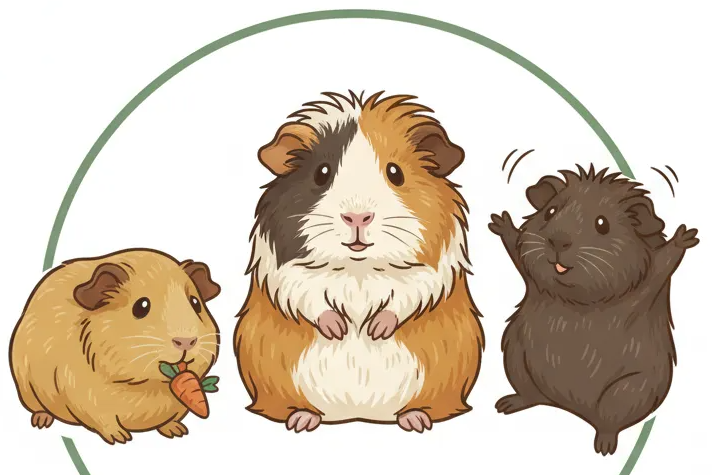
Rare Guinea Pig Colors and Breeds: What to Look For
Hello CavyFam, are you dreaming of a guinea pig with standout colors or from a rare breed? You might feel unsure about how to spot them or worry they need extra special care.
In this article, I’ll cover identifying rare coat colors, exploring unique breed traits, tips for selecting a healthy pet, and understanding their personality needs. Having raised guinea pigs like Pepper, Clover, and Biscuit for years, I share insights from hands-on experience.
Understanding Guinea Pig Color Genetics
Think of guinea pig genetics like a recipe book passed down from parents to pups. Each parent contributes half of the genetic “instructions” that determine everything from fur texture to final coat color. It’s a fascinating mix-and-match process that makes every piggy unique.
How Coat Colors Are Inherited
Inheritance isn’t just about mixing colors like paint. Specific genes control pigment production and distribution. I’ve seen two black guinea pigs produce a mix of black, cream, and agouti babies in a single litter. The final color depends on which gene combinations the pups receive from each parent.
Dominant vs. Recessive Genes
Imagine genes have voices. A dominant gene speaks loudly and is always seen, like black or agouti fur. A recessive gene is quiet and only shows up if both parents pass it on. Rare colors often need two quiet, recessive genes to finally make an appearance. That’s why they’re so uncommon.
The Agouti Pattern and Its Prevalence
The agouti pattern is the original, wild-type coat for guinea pigs. Each hair has alternating bands of light and dark color, creating a speckled or “salt and pepper” look. This pattern is genetically dominant, which is why you see it so frequently in pet stores and rescues. My own guinea pig, Pepper, has a lovely golden agouti coat.
Common vs. Rare Color Combinations
- Common: Agouti, solid black, solid white, red, cream, and tortoiseshell (a mix of red and black). These are the workhorses of the guinea pig color world.
- Rare: Lilac, chocolate, blue, and pearl. These require very specific, and often recessive, gene combinations from both parents.
Exploring Truly Rare Guinea Pig Colors
A color becomes rare when the genetic stars align just right. Rarity isn’t just about beauty; it’s about the statistical probability of specific genes meeting. I always advise new owners to appreciate the common colors too-every piggy is special.
What Makes a Color Rare?
Rarity hinges on complex genetics. It often requires both parents to carry and pass on recessive genes for color dilution or modification. Breeders specializing in rare colors often have waiting lists and higher prices due to the careful, selective breeding involved.
Specific Rare Colors in Detail
- Lilac: A stunning, soft grey with a subtle lavender or pinkish hue. This color is a diluted form of chocolate.
- Chocolate: A rich, warm brown that is distinct from the common darker browns. It’s a recessive color, making it less common.
- Blue: Not a true sky blue, but a beautiful solid slate grey. This is a diluted black and is quite sought after.
- Cinnamon: A vibrant reddish-brown that almost glows. It’s genetically distinct from the more common red or orange.
- Pearl: An extremely rare and delicate off-white color, sometimes with a slight creamy or metallic sheen.
Pointed White and Himalayan Markings
These patterns feature a white body with colored points on the nose, ears, and feet, much like a Siamese cat. The points are typically a dark seal brown or black, creating a stunning contrast. The gene responsible is temperature-sensitive, with cooler areas developing the darker pigment.
The Reality of Albino Guinea Pigs
True albinism, a complete lack of pigment, is often confused with pink-eyed white pigs. A true albino guinea pig will have pure white fur, pale pink skin, and red eyes due to the absence of melanin. They can have sensitive eyes and skin, requiring protection from direct sunlight. These eye-color differences connect to the broader topic of guinea pig eye colors, including red eyes in albinos and other iris shades in non-albino pigs. Understanding why red eyes occur—and how other eye colors arise—helps owners recognize normal variation and know when to seek care.
Solid Black vs. Solid White Coats
While both are striking, a genetically pure, solid black coat is generally more common than a genetically pure, solid white coat. Many “white” guinea pigs are actually dark-eyed whites, which is a different genetic pathway than the pink-eyed white or true albino. The solid black is a powerful dominant color, making it easier to reproduce.
Breed Varieties Known for Unique Colors
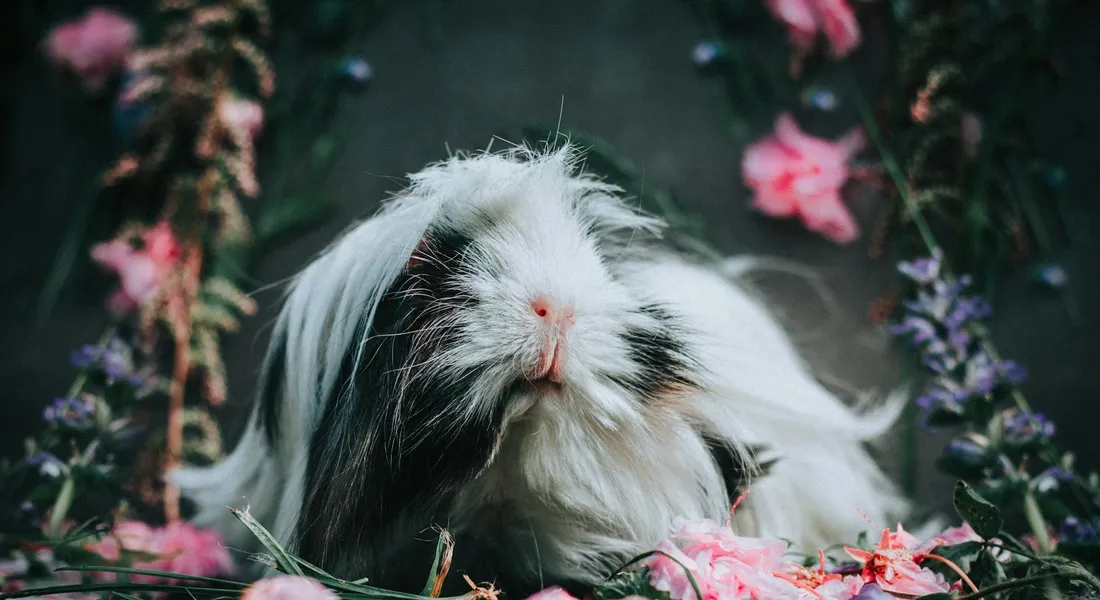
Some guinea pig breeds naturally offer a greater chance of producing rare and stunning colors.
- List breeds with higher chances of rare colors: Abyssinian, Peruvian, Silkie, Teddy
My Abyssinian, Clover, has a light brown coat with dark spots that creates a beautiful, textured look you just don’t see on smoother-haired pigs. Their unique rosettes seem to make patterns like tortoiseshell or brindle appear even more dynamic.
Peruvian and Silkie breeds, with their incredibly long, flowing hair, can showcase rare colors like lilac or chocolate in a dramatic, silky curtain.
Don’t overlook the Teddy breed; their dense, plush fur can make even common colors like golden appear richer and more vibrant.
American Guinea Pig vs. Specialty Breeds
Common breeds like the American guinea pig are wonderful, but their short, smooth coats often display more standard, solid colors. Understanding guinea pig fur types and characteristics helps you tailor grooming and care to each coat. It also makes it easier to spot changes in texture or color that could signal health issues.
Specialty breeds like the Coronet or Texel are often bred for their luxurious fur, which coincidentally provides a grand canvas for complex patterns and rarer hues. You’ll find more dalmation-spotted or Himalayan-pointed pigs in these lineages.
How Fur Type Changes Color Appearance
The texture and length of a guinea pig’s coat dramatically change how we perceive its color.
A short, sleek coat shows a color in its truest, most saturated form.
A long, silky coat can make a color appear softer and more diluted, while a coarse, wiry Abyssinian coat can make the same color look deeper and more complex. The way light hits the different hair types creates this fascinating visual effect.
Observing my own trio-Pepper (American), Clover (Abyssinian), and Biscuit (Peruvian)-has been a masterclass in this. Pepper’s golden brown is a solid, warm blanket of color. Clover’s spotted coat has a tweed-like texture. Biscuit’s dark brown and cream patterns seem to shimmer and move with his long hair. They are a living example of how breed dictates color presentation.
How to Ethically Find Rare Colored Guinea Pigs
The search for a uniquely colored guinea pig must always be guided by ethics and the animal’s welfare.
- Step 1: Your first stop should always be local rescues and shelters. I’ve volunteered with small animal rescues for years and have been amazed at the variety of breeds and colors that come through. You might just find your rare gem waiting for a second chance.
- Step 2: If you look at breeders, research is non-negotiable. A reputable breeder will happily discuss their focus on genetic health, temperament, and overall well-being, with color being a happy bonus, not the sole purpose.
- Step 3: Recognize major red flags immediately. Be wary of breeders who cannot provide clean, spacious living conditions, who have multiple litters available at once, or who pressure you based solely on a rare color. This often indicates a profit-over-health mill operation.
- Step 4: Understand that the initial cost is the smallest part. A rare-colored guinea pig from a responsible source may have a higher adoption or purchase fee, reflecting proper veterinary care. The true, long-term cost includes high-quality hay, fresh vegetables, a large cage, and potential vet bills, which are the same for every pig, regardless of color.
Caring for Guinea Pigs with Special Coat Colors
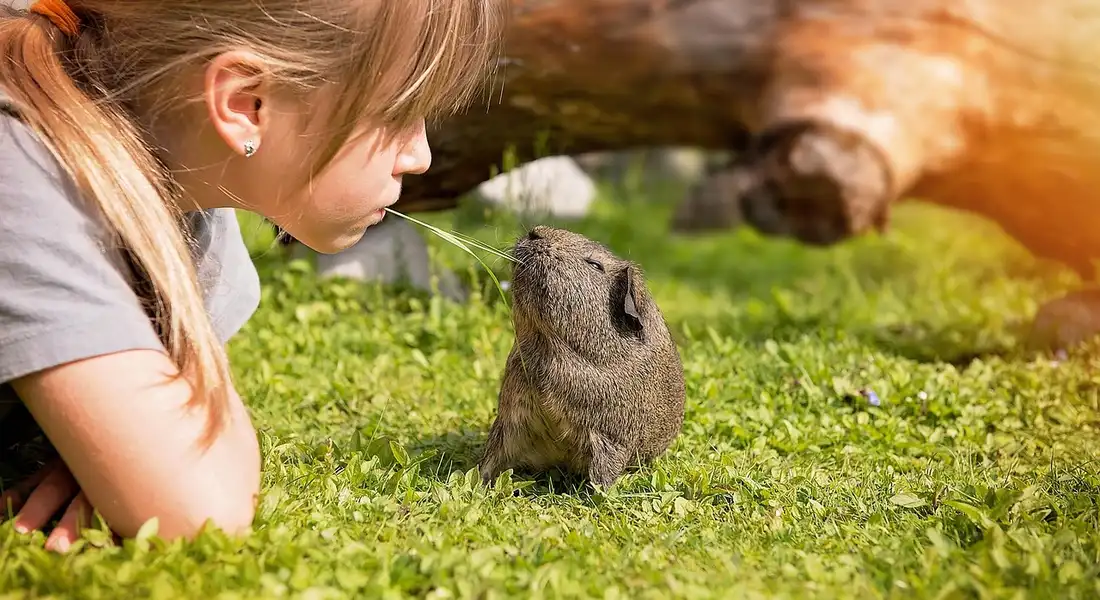
Guinea pigs with unique coat colors need tailored care to keep them healthy and happy. I’ve found that a little extra attention to grooming, diet, and health checks makes a big difference for pigs like my long-haired Peruvian, Biscuit, and short-haired American, Pepper. Grooming needs vary by breed and coat length—long coats benefit from daily brushing and occasional trims, while shorter coats need only regular quick checks. Tailoring grooming routines to each breed helps keep every pig comfy and healthy.
Grooming Needs for Long-Haired Versus Short-Haired Rare Colors
Long-haired breeds, such as Peruvians with rare silvery or cream patterns, demand daily brushing to prevent mats and tangles. Biscuit’s dark brown and cream coat requires gentle combing to avoid pulling on his sensitive skin. Short-haired pigs, like Pepper’s golden brown fur, need weekly brushing to reduce shedding and distribute natural oils. A full guinea pig grooming guide also covers nail trimming and occasional bathing to keep paws clean and fur refreshed. Use guinea pig-safe products and avoid over-bathing.
- For long-haired pigs: Use a soft-bristle brush and trim hair around the rear to keep it clean.
- For short-haired pigs: A rubber grooming mitt works well to remove loose fur and stimulate circulation.
Health Considerations Linked to Specific Color Genetics
Some rare colors come from genes that may affect health. For instance, light-colored or white guinea pigs can be more prone to skin sensitivities or vision issues due to reduced pigment. I always watch Clover, my light brown Abyssinian, for any signs of sun sensitivity during outdoor play.
- Roan or dalmatian patterns might carry genetic risks; consult a vet if breeding is considered.
- Regular vet check-ups help catch issues early, especially for pigs with unusual colorations.
Diet and Environment Tips to Maintain Vibrant Coat Health
A balanced diet rich in vitamin C supports a shiny, healthy coat. I feed my pigs fresh veggies like bell peppers and leafy greens, which keep their colors bright and skin supple. Ensure their habitat is clean and stress-free to avoid coat dullness.
- Include high-quality hay and pellets to provide essential nutrients.
- Keep the cage dry and well-ventilated to prevent fungal infections that can affect coat quality.
Monitoring for Skin Conditions More Visible on Light-Colored Pigs
Light-colored guinea pigs, like those with cream or tan patches, show skin issues like redness or parasites more easily. I check Clover’s skin weekly under bright light to spot any abnormalities early. This simple habit helps me address problems before they worsen. If you’re wondering “do guinea pigs have dandruff” (do guinea pigs have dandruff), flaky patches are a common topic in skin health guides. Knowing what to look for helps you maintain your pet’s coat and comfort.
- Look for flaking, bald spots, or excessive scratching during handling.
- Use a damp cloth for gentle cleaning if dirt builds up on pale areas.
Appreciating Beauty Without Supporting Harmful Practices
While rare colors are stunning, a guinea pig’s true charm lies in its personality. I’ve learned that focusing on health and happiness, not just appearance, leads to deeper bonds with pets like my gentle Pepper and thoughtful Clover. Getting to know each guinea pig’s unique temperament—whether shy, bold, or curious—helps tailor care and enrichment. When you tune into that personality, the bond grows even stronger.
Emphasize That Personality Matters More Than Coat Color
Guinea pigs with common colors often have just as much character as rare ones. Biscuit, though reserved, shows intelligence in how he explores his environment, proving that looks aren’t everything. Smart, intelligent guinea pigs can learn quickly and adapt to new toys. Their minds shine brightest when given a chance to explore and problem-solve. Spend time interacting to discover each pig’s unique traits.
- Observe behaviors like vocalizations or play habits to appreciate individuality.
- Choose a pet based on temperament compatibility with your lifestyle.
Discuss the Animal Welfare Implications of Color Breeding
Breeding solely for rare colors can lead to health problems, such as weakened immune systems or genetic disorders. I advocate against practices that prioritize aesthetics over well-being, as I’ve seen the toll it takes on rescued pigs. Support ethical breeders who prioritize health.
- Avoid breeders who focus only on color without health guarantees.
- Educate others on the risks of inbreeding for specific traits.
Share Heartwarming Stories of Adopting Less Common Pigs
Adopting a guinea pig without a rare coat can be incredibly rewarding. When I brought home Clover, her graceful nature won me over more than any color could, and she’s brought endless joy to our family. It’s worth walking through the ultimate pre-adoption checklist to be sure you’re truly ready to welcome a guinea pig. It helps you prepare for their long-term needs, from housing to daily care. Many shelters have wonderful pigs waiting for homes.
- Visit local rescues to meet pigs of all colors and backgrounds.
- Share adoption stories to inspire others to look beyond appearance.
Encourage Celebrating All Guinea Pigs Regardless of Rarity
Every guinea pig deserves love and care, no matter its coat. Celebrating diversity in pets helps reduce demand for harmful breeding and promotes animal welfare. I cherish each of my pigs for who they are, not what they look like.
- Host playdates or share photos to showcase the beauty in all pigs.
- Volunteer or donate to organizations that rescue and rehome guinea pigs.
FAQs
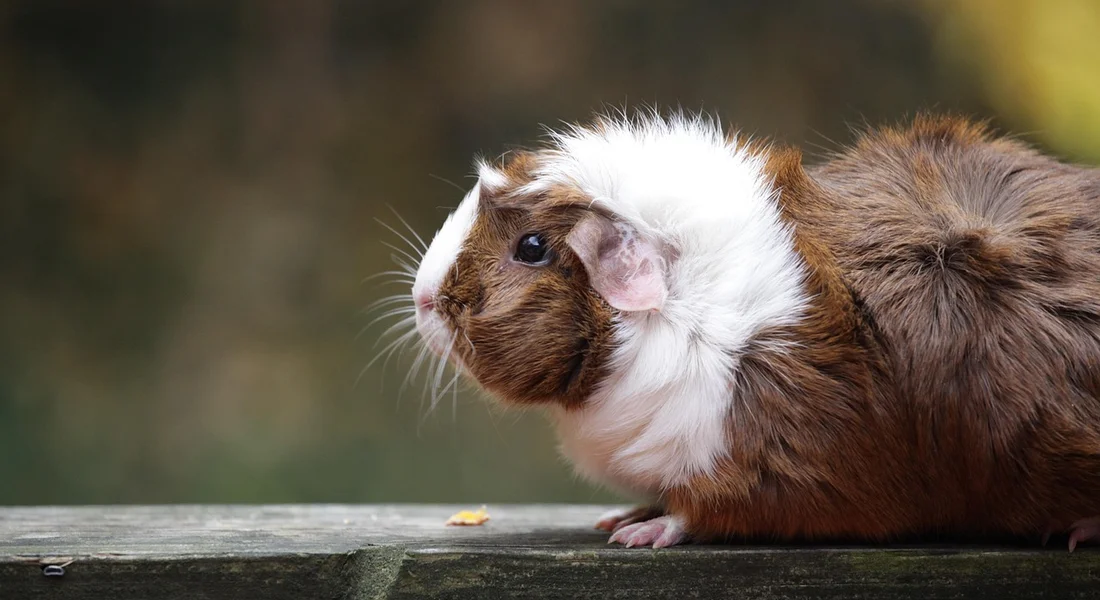
What are some examples of rare guinea pig colors?
Rare colors include lilac, a soft grey with lavender tones, and pearl, an off-white with a subtle sheen. These hues require specific recessive genes from both parents, making them uncommon.
Is blue a common color in guinea pigs?
No, blue is a rare color that appears as a solid slate grey, not a vibrant blue. It results from a dilution of black pigment and is sought after by collectors.
Where can I find pictures of rare guinea pig colors?
Look for online breed forums or reputable breeder websites that showcase high-quality images. These photos help you visualize hues like chocolate or cinnamon accurately.
How can a color chart assist in identifying rare guinea pig colors?
A color chart illustrates genetic patterns and variations, aiding in recognizing rare shades like lilac or pearl. It serves as a visual guide to distinguish them from common colors.
Where can I find rare guinea pig colors for sale ethically?
Check local animal rescues or shelters, as they occasionally have rare-colored pigs needing homes. Always choose breeders who emphasize health and welfare over color rarity.
Your Guinea Pig Journey Awaits
Always research breed-specific needs and prioritize health over rarity when choosing a guinea pig. Do a quick health-check when choosing: look for bright eyes, clean ears, and an alert, active demeanor. These cues help you pick a piggy with a healthier start. My own gentle Pepper taught me that understanding their unique traits leads to a happier, healthier life together.
Keep learning about sustainable pet care and opt for eco-friendly bedding and toys to reduce waste. Responsible ownership ensures your pets, like graceful Clover and reserved Biscuit, enjoy a safe, enriching environment for years to come.
Further Reading & Sources
- The Ultimate Guide to Guinea Pig Breeds, Colors, and Markings
- List of Coat Colors and Patterns | Guinea Pig Wikia | Fandom
- Guinea Pig Colors | Choosing A Guinea Pig | Guinea Pigs | Guide | Omlet US
- Fur – Rare guinea pigs – Guinea Pig Cages
Kate is a passionate guinea pig owner and advocate for small pet welfare. With over a decade of experience caring for guinea pigs, she has become a trusted voice in the small pet community.
Uncategorized