What Are the Signs Your Guinea Pig Is Nearing End-of-Life?
Hello CavyFam! If you’ve noticed your guinea pig acting differently lately, you might be feeling anxious about what those changes mean for their health. It’s completely normal to worry when your furry friend seems off, especially as they age.
In this article, I’ll guide you through spotting the subtle and not-so-subtle clues, focusing on changes in eating and drinking habits, noticeable weight loss or gain, shifts in activity levels and mobility, alterations in breathing or vocalizations, and behavioral changes like hiding or reduced interaction. Having cared for guinea pigs like gentle Pepper and thoughtful Clover over the years, I share this advice from personal experience to support you during this tender time.
Understanding Guinea Pig Aging and Lifespan
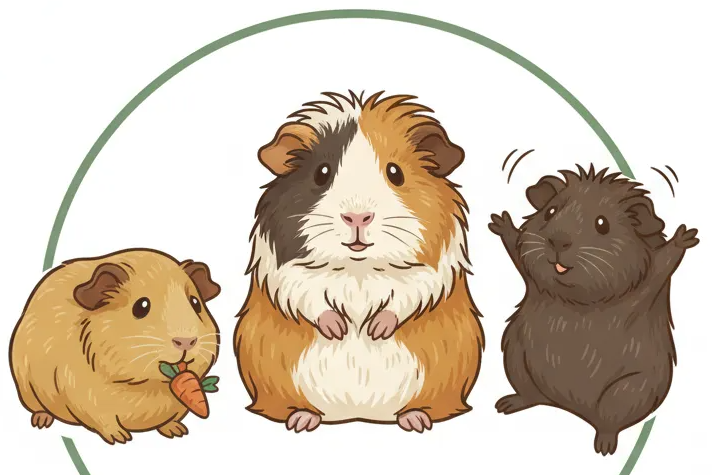
Guinea pigs typically live between 5 to 8 years, with some robust individuals reaching a grand age of 10. My own trio-Pepper, Clover, and Biscuit-are all in their prime adult years, which gives me a firsthand perspective on the aging process. As they grow older, their needs evolve, much like ours do. You might notice their once boundless energy begins to wane, and they prefer cozy naps over frantic popcorning.
Their lifespan is influenced by genetics, diet, and the quality of care they receive throughout their lives. Providing a stable environment with a consistent, high-fiber diet and gentle handling can significantly impact their golden years. I’ve observed that my gentle Pepper, now 2, still has the vigor of youth, while my graceful Clover, at 3, is starting to show a more thoughtful, measured pace in her movements.
Physical Signs Your Guinea Pig Is Nearing End-of-Life
Observing your guinea pig daily is the best way to catch subtle changes early. A noticeable and sustained weight loss is often one of the first physical indicators that something is amiss. Weighing your pig at home weekly gives you a reliable baseline and makes gradual changes easier to spot. It’s a quick, low-stress step you can fit into a regular care routine. I make it a habit to weigh my pigs weekly; a sudden drop in Biscuit’s weight once alerted me to a dental issue that needed immediate attention.
Their coat, which is normally a source of pride, can become dull, matted, or unkempt. An older or ailing guinea pig may struggle with self-grooming, leading to a scruffy appearance that signals they need extra help. You might see them sitting in a hunched position, often with their fur puffed up, which is a classic sign of discomfort or pain.
Changes in Mobility and Appetite
Movement can become a challenge. Arthritis is common in older piggies, making it difficult for them to move around their cage or reach their food and water. I’ve had to lower the entrance to Clover’s hidey-hole to make it easier for her to get in and out comfortably.
A decline in appetite is a major red flag. If your guinea pig stops eating their favorite hay or veggies, it’s a clear sign that you need to consult a veterinarian experienced with exotics. Be prepared to assist-feed critical care food if they stop eating on their own.
Respiratory and Behavioral Shifts
Listen closely to their breathing. Labored breathing, wheezing, or frequent sneezing can indicate underlying respiratory issues that are more serious in senior pets. Any discharge from the nose or eyes should be addressed immediately.
Their personality may change dramatically. A once social and vocal pig may become withdrawn and quiet, preferring solitude over interaction with you or their cage mates. My usually reserved Biscuit became even more reclusive when she wasn’t feeling well, which was my cue to provide a quiet, stress-free environment.
Behavioral Changes in a Dying Guinea Pig
You might notice your guinea pig acting differently, and these shifts often speak louder than any physical symptom. I’ve found that a sudden, persistent lack of interest in favorite activities is one of the most telling signs. My guinea pig, Clover, who normally loved exploring her playpen, once spent an entire week just sitting in her hidey, which was my first real clue something was wrong. Recognizing these behavioral changes as potential signs of pain or illness can help you seek help sooner. If these patterns continue, contact a veterinarian for guidance.
Lethargy and Weakness
A healthy guinea pig is often active and alert. When they start sleeping much more than usual or seem too weak to move around their cage, it’s a significant signal their body is struggling. You might see them wobble when they walk or have difficulty getting up after resting. These can be critical signs, such as emergency signs in guinea pigs, that your guinea pig is dying or in serious distress, and you should seek veterinary care promptly. Guinea pigs don’t truly hibernate, but prolonged lethargy or unresponsiveness is a red flag.
Loss of Appetite and Thirst
Guinea pigs need to eat almost constantly to keep their digestive systems moving. A refusal to eat their favorite veggies or hay, or a sudden disinterest in drinking water, is a serious red flag that requires immediate attention. If your guinea pig suddenly stops drinking water, it’s time to check for common causes. This quick troubleshooting guide can help you narrow down why this happened and what to do next. This was the case with my Pepper, whose sudden refusal of a cilantro sprig sent me straight to the vet.
Hiding and Withdrawal
In the wild, prey animals hide weakness to avoid predators. Your pet may instinctively seek out dark, quiet corners of their habitat and avoid interaction, even with their cage mates. My usually social Biscuit became very reserved and sought solitude in her final days.
- No longer popcorning (those joyful little jumps)
- Stops responding to familiar sounds, like a bag crinkling
- Less vocal; doesn’t wheek for food or attention
- Appears hunched or presses their belly to the floor
Common Health Conditions in Elderly Guinea Pigs
As guinea pigs age, they become more susceptible to specific health issues. Knowing these common conditions can help you spot problems early and work with your vet to manage your pet’s comfort. Regular check-ups are vital for senior pigs, as they are experts at hiding pain. For aging guinea pigs, a focused senior-care plan—covering regular monitoring, tailored diet, and a comfortable, enriching environment—can make a big difference. With proactive veterinary guidance, you can tailor care to your pig’s changing needs.
Dental Problems
Their teeth grow continuously, and aging can complicate this. Misaligned teeth (malocclusion) can make eating painful or impossible, leading to rapid weight loss. Look for drooling, dropping food, or only eating soft foods.
Arthritis and Mobility Issues
Older joints get stiff and sore. You might notice your guinea pig has trouble moving around, seems reluctant to use ramps, or has a stiff, awkward gait. Providing low-entry hideouts and soft bedding can make a world of difference for their comfort.
Respiratory Infections
These are very common and can be serious. Listen for persistent sneezing, wheezing, or a crusty discharge around the nose or eyes, as these are clear signs of a respiratory issue. Keeping their living area clean and draft-free is one of the best preventative measures.
Other Age-Related Ailments
- Kidney and Bladder Stones: Can cause great pain and lead to blood in the urine.
- Heart Disease: May cause labored breathing and extreme lethargy.
- Tumors and Cysts: Often felt as lumps during gentle handling or grooming.
- Weight Loss: Even with a good appetite, muscle mass can diminish with age.
Providing Hospice Care for Comfort
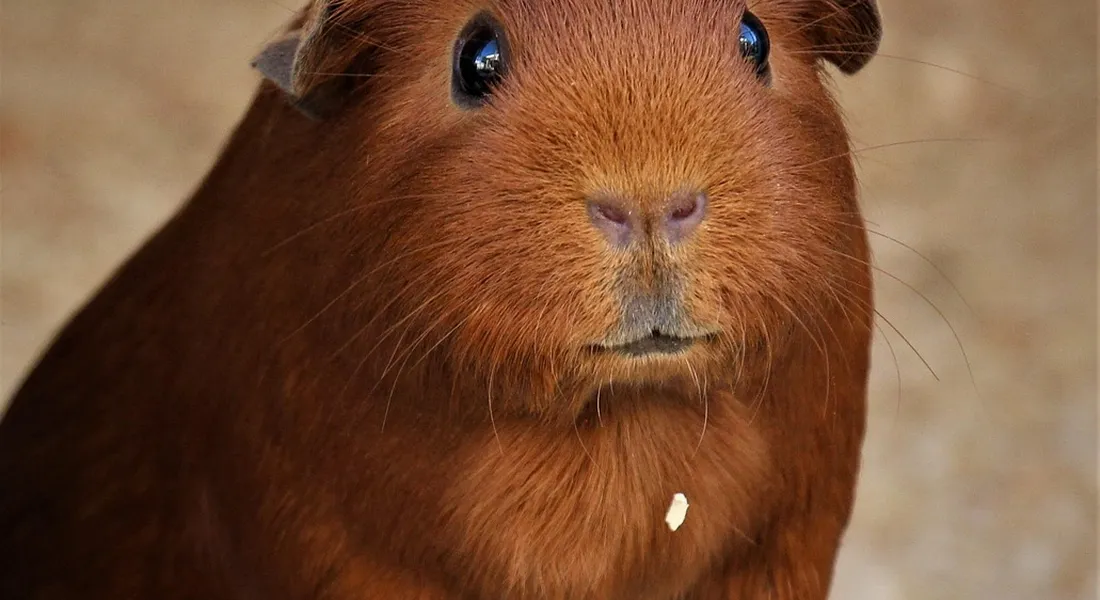
When your guinea pig is nearing the end of their life, your focus shifts entirely to their comfort. Creating a peaceful environment is the single most important gift you can give them during this time. I remember setting up a special area for my senior guinea pig, Pepper, with extra soft fleece and her favorite hidey, and the change in her demeanor was immediate. This is exactly the kind of guidance you’ll find in a senior guinea pig journey guide, focused on caring for their golden years. It offers practical tips for comfort, monitoring, and gentle routines.
Making Their Habitat Cozy and Accessible
Their usual cage setup often becomes too difficult to navigate. You need to make some simple but effective changes.
- Use soft, absorbent fleece liners instead of loose bedding, which can be irritating.
- Provide low-entry hideouts so they don’t have to step over a high ledge.
- Place food and water bowls directly next to their favorite resting spot.
- Ensure the room is quiet, warm, and free from drafts and loud noises.
Managing Pain and Supporting Nutrition
A guinea pig in pain will often sit hunched in a corner, and you might notice them grinding their teeth. Never hesitate to consult the vet for safe pain management options tailored for small animals. My vet provided a mild pain reliever for Clover that made her final weeks much more comfortable.
They will often stop eating their usual hay and pellets. Your job is to make eating as easy as possible.
- Offer critical care formula or pureed vegetables from a syringe.
- Provide wet, leafy greens like romaine lettuce for easy hydration.
- Hand-feed their absolute favorite treats, like a small piece of bell pepper.
Spend time simply sitting with them, speaking in a soft voice. Your calm presence is a powerful comfort.
When to Consider Euthanasia
This is the most heart-wrenching decision any pet owner faces. Choosing euthanasia is a final act of love, a way to prevent further suffering when there is no hope for recovery. It is about prioritizing their quality of life above our own desire to keep them with us.
Key Indicators for This Decision
Look for a combination of signs that indicate their body is shutting down and they are no longer experiencing any joy.
- They have completely stopped eating and drinking, even when offered favorite foods by hand.
- They are experiencing labored breathing or seem to be in constant pain that medication cannot relieve.
- They are unable to move to their food, water, or a clean area of their habitat.
- They have lost significant body weight and feel fragile to the touch.
- They show no interest in their surroundings, you, or their cage mates.
I had to make this choice for my gentle guinea pig, Biscuit, after a rapid decline. Trust your instincts; you know your pet better than anyone. If you’re unsure whether your guinea pig is still happy, learning the signs of happiness can help. A happy guinea pig typically shows a relaxed posture, steady eating, and normal grooming. Discuss these signs openly with your veterinarian. They can help you assess whether your guinea pig is having more bad days than good, guiding you toward the most compassionate choice for your beloved friend.
FAQs
How can I help my other guinea pigs cope with the loss of a companion?
Provide extra attention and monitor their behavior for any changes in eating or activity. Consider maintaining routines and introducing new enrichment to reduce stress during the adjustment period.
What should I do if my guinea pig passes away at home?
Handle their body gently and place it in a cool, quiet area while you decide on aftercare. Contact your veterinarian for advice on burial or cremation options that are respectful and comply with local regulations.
Are there any signs that a guinea pig is recovering from a health crisis?
Look for a return to normal eating habits, increased energy levels, and more social behavior. Consistent improvements over several days often indicate a positive response to care or treatment.
Guiding Your Guinea Pig Through Their Final Days
In my years with guinea pigs like gentle Pepper and thoughtful Clover, I’ve found that noticing changes in eating habits and energy levels early allows you to offer comfort and seek veterinary guidance promptly. Always prioritize their comfort by keeping them in a quiet, familiar space and monitoring for pain signals to ensure they feel safe and loved.
As a caring owner, commit to ongoing learning about guinea pig health and eco-friendly care choices, like using biodegradable bedding or locally sourced veggies. Embracing sustainable practices not only benefits your pet’s environment but also honors their life by reducing your ecological pawprint. Also, our ultimate guide on safe bedding for guinea pigs offers clear material recommendations. It also explains what to avoid and how to keep bedding clean and dry.
Further Reading & Sources
- How to Care for a Dying Guinea Pig: 13 Steps (with Pictures)
- 10 Common Signs a Guinea Pig Is Dying-and How to Comfort Them at the End
- 10 Signs That Your Guinea Pig Is Dying
- Is My Guinea Pig Dying of Old Age? Signs & Tips
Kate is a passionate guinea pig owner and advocate for small pet welfare. With over a decade of experience caring for guinea pigs, she has become a trusted voice in the small pet community.
Uncategorized