Senior Guinea Pig Care Plan: A Complete Guide
Hello CavyFam! Watching your beloved guinea pig grow older can bring a mix of sweet moments and new worries. You might be wondering how to best support their changing needs for a comfortable and happy life.
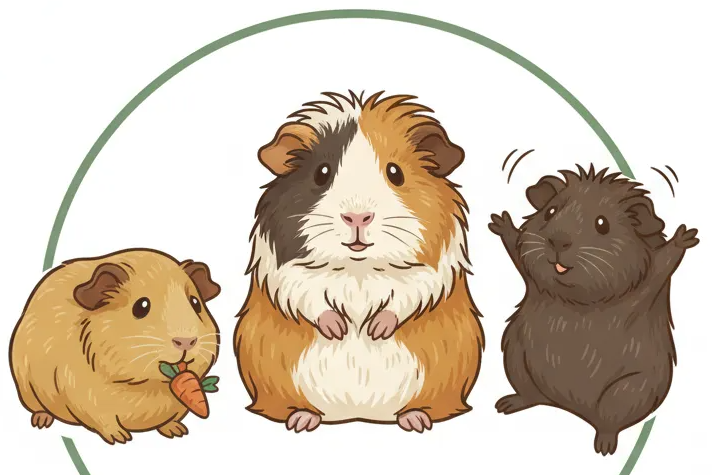
This guide will walk you through creating a custom care plan covering diet adjustments, habitat modifications, specialized vet care, and maintaining your special bond. I’ve developed these plans for my own senior pigs, Pepper, Clover, and Biscuit, blending veterinary advice with years of hands-on experience.
Understanding Senior Guinea Pig Aging and Health Changes
In my years of caring for my own herd, I’ve learned that a guinea pig is generally considered a senior around the age of 5 or 6. This transition into their golden years brings subtle but significant shifts that require a watchful eye.
You’ll start to notice changes in their mobility and daily habits. My guinea pig, Pepper, began showing a slight stiffness when he moved, a classic sign of arthritis setting in. Arthritis is a common companion for older cavies, making jumping and even walking uncomfortable.
Their dental health can also become a concern as teeth may overgrow or wear down unevenly. I keep a close watch on Clover, my Abyssinian, to ensure she’s still chewing her hay effectively. Regular health checks become non-negotiable to catch these age-related issues early.
- Moving more slowly or hesitating to climb ramps
- Developing a thinner or coarser coat
- Changes in appetite or difficulty chewing
- Increased sleeping and decreased general activity
- Weight loss or gain without a clear diet change
- Cloudy eyes or changes in eyesight
Tailoring Nutrition for Senior Guinea Pig Health
Adjusting Diet for Aging Needs
As your guinea pig ages, their digestive system becomes more delicate, much like my gentle Pepper. The foundation of their diet must remain unlimited, high-quality timothy hay to support their digestive tract and dental wear. When choosing the best hay for your guinea pig, look for fresh, fragrant hay with long stems and minimal dust. Avoid hay that is dusty, moldy, or past its prime to help ensure optimal digestion and dental health.
I’ve adjusted my crew’s diet with these simple steps that you can follow too.
- Prioritize hay, making up at least 80% of their daily intake.
- Select a plain, timothy hay-based pellet formulated for seniors, if available.
- Incorporate senior-friendly vegetables like bell peppers and leafy greens daily.
- Ensure a consistent, daily source of Vitamin C to prevent scurvy.
- Soak pellets in a little water if you notice any difficulty chewing.
Vitamin C is absolutely vital as their bodies can no longer store it effectively. I personally give my pigs a small slice of bell pepper every single day; it’s their favorite vitamin supplement.
Hydration and Weight Management Tips
Older guinea pigs can easily become dehydrated, especially if arthritis makes reaching a water bottle uncomfortable. I provide a shallow, heavy water bowl in addition to their bottle to make drinking easier for my senior pigs.
Weight management is a delicate balance. You want to prevent obesity, which stresses their joints, but also watch for the weight loss that can signal a bigger problem.
- Weigh your guinea pig weekly using a small kitchen scale.
- Monitor water bottle levels to ensure they are drinking.
- Offer watery vegetables like cucumber for extra hydration.
- Adjust pellet portions if weight gain is consistent.
- Consult a vet for any sudden weight change.
Here is a simple daily feeding checklist I follow for my senior guinea pigs.
- Morning: Refresh unlimited hay, 1/8 cup of pellets, a handful of fresh veggies.
- Afternoon: A small, healthy treat like a cilantro sprig.
- Evening: Check and refill hay, remove any uneaten fresh food.
- Constant: Clean, fresh water available in both a bottle and a bowl.
Adapting Housing and Bedding for Comfort
Mobility and Environmental Modifications
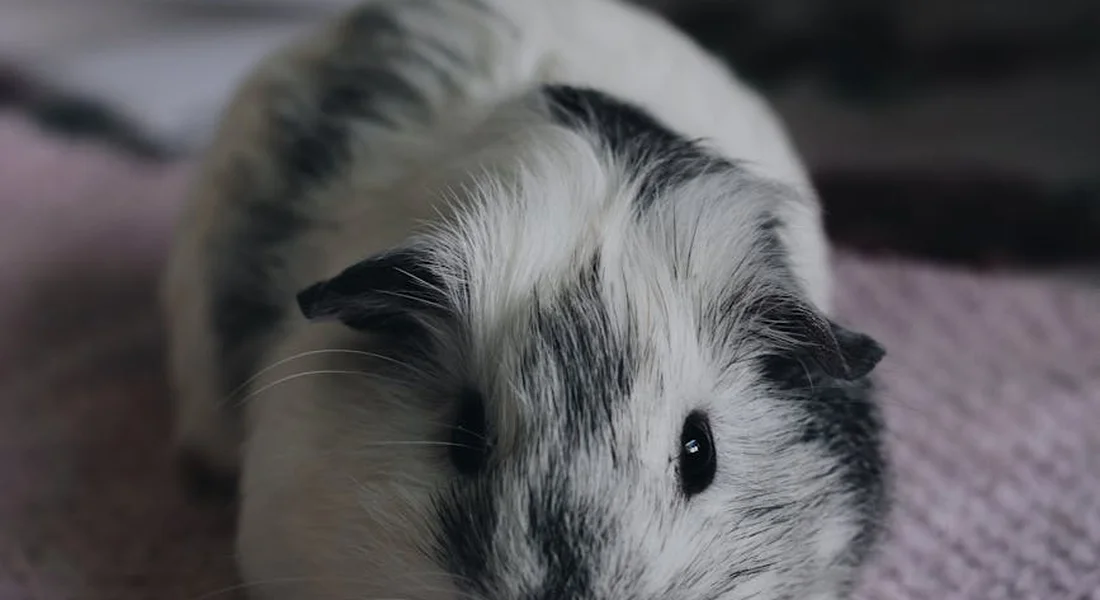
Older guinea pigs like my gentle Pepper often face stiff joints, making their cage setup crucial for daily comfort. Low-entry hides are a game-changer because they reduce the strain on arthritic hips and legs. I use modified cardboard boxes with one side cut low to the ground, ensuring Pepper can slip in and out without jumping.
Ramps should have a gentle slope and a non-slip surface to prevent slips. Soft bedding, such as fleece liners or paper-based options, cushions their feet and eases pressure points. From caring for Biscuit, who’s more reserved, I’ve seen how a plush layer can boost their willingness to move around.
- Essential items for a senior-friendly cage: low-entry hideouts, wide ramps with grip, fleece bedding, shallow food dishes, and extra padding in high-traffic areas.
Exercise and Safety Considerations
Gentle exercise helps maintain muscle tone without overexertion. Short, supervised floor time in a secure area encourages natural movement without risks. I let Clover, my graceful Abyssinian, explore a small, enclosed space daily to keep her active.
Safety is key to prevent falls or stress. Always remove sharp edges, secure loose wires, and use soft mats under play zones. Here’s a step-by-step guide to creating that safe play area:
- Pick a flat, enclosed spot free of drafts and hazards.
- Lay down a soft, washable mat or towel for traction.
- Place familiar toys and low obstacles to encourage gentle exploration.
- Stay nearby to monitor for signs of fatigue or discomfort.
Health Monitoring and Regular Vet Visits
Daily Health Checks and Signs of Illness
Daily observations catch issues early, which I learned when Pepper’s appetite dipped subtly. Monitor their eating habits, water intake, weight, and how easily they move each day. Even small changes, like Clover taking longer to reach her hide, can signal discomfort.
Red flags that need immediate vet attention include:
- Loss of appetite or weight drop over 24 hours
- Lethargy or reluctance to move
- Labored breathing or unusual vocalizations
- Swollen joints or difficulty standing
Scheduling and Preparing for Vet Appointments
Regular vet visits are vital for preventive care in senior guinea pigs. Schedule check-ups every 6 months to catch age-related issues like dental problems or arthritis early. I always bring Biscuit’s medical history and a list of recent behaviors to appointments. As guinea pigs age, they may develop dental wear, arthritis, or mobility changes. Regular monitoring and proactive care help manage these senior health concerns and keep them comfortable.
Prepare by gathering essentials: a secure carrier, favorite snacks, and notes on any changes. Ask your vet about pain management options and diet adjustments tailored to older pigs. This proactive approach has helped my trio stay healthier longer, reducing emergency visits.
Medication, Pain Management, and Dental Care
Administering Meds and Managing Discomfort
Giving medication to an older guinea pig requires patience and a gentle touch. I find the easiest method is to hold them securely in a small towel, supporting their entire body. Use a syringe without a needle to slowly drip the liquid onto the side of their mouth, letting them swallow at their own pace. Never squirt medication directly down their throat, as this can cause aspiration and serious respiratory issues.
Spotting pain in a senior pig is subtle. Watch for changes like teeth grinding, a hunched posture, or reluctance to move. A guinea pig that stops eating or drinking is a major red flag for discomfort. For pain relief, your veterinarian might prescribe meloxicam, a common anti-inflammatory. I always keep a small stock of critical-care formula on hand to syringe-feed if my pigs stop eating due to pain.
- Common Medications: Meloxicam for pain and inflammation, antibiotics like Baytril for infections, and probiotics to support gut health during treatment.
- Storage Tips: Always store medications in a cool, dark place as directed. Check expiration dates regularly and never use a medication prescribed for another animal.
Dental Health and Grooming Routines
A senior guinea pig’s teeth need weekly checks. Gently part their lips and look for even, aligned front teeth. Overgrown teeth can prevent eating and cause weight loss. Providing an unlimited supply of hay is the single best thing you can do to wear down their constantly growing teeth naturally.
Grooming becomes more crucial as they age and become less flexible. For long-haired breeds like my Peruvian, Biscuit, I do a gentle daily brush to prevent painful mats. Nail trimming is a monthly must for most seniors.
- Wrap your guinea pig snugly in a small towel to keep them calm and secure.
- Hold one paw at a time, applying light pressure to extend the nail.
- Use small animal nail clippers to trim just the sharp tip, avoiding the quick (the pink vein inside the nail).
- Have a styptic powder or cornstarch nearby in case you nick the quick and need to stop bleeding.
Enrichment and Behavioral Support for Seniors
Mental and Physical Stimulation Ideas
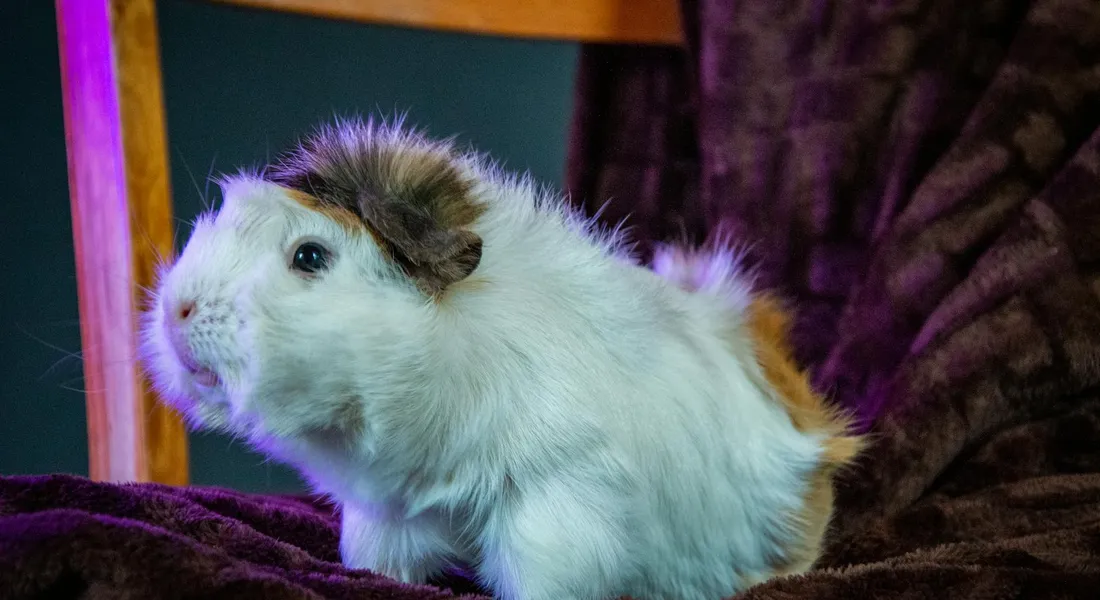
Older guinea pigs still need engagement, just in gentler ways. The goal is to stimulate their minds without putting stress on their aging joints. I scatter their daily pellet ration around the cage instead of using a bowl, which encourages natural foraging behavior. Low-impact enrichment turns necessary activities like eating into a fun, rewarding game.
- Snuffle Mats: Hide small pieces of cilantro or parsley in a fabric snuffle mat for them to root out.
- Paper Bag Forts: A simple paper bag with the handles removed creates a safe, chewable hideout.
- Gentle Obstacles: Use rolled-up towels to create small, soft hills they can slowly climb over.
- Familiar Sounds: Playing soft, classical music at a low volume can have a calming effect.
Personalizing Care Based on Personality
Your guinea pig’s unique personality should directly shape their senior care plan. My gentle giant, Pepper, loves when I simply sit by his cage and read aloud; the sound of my voice comforts him. My graceful Clover, however, still enjoys a slow, supervised exploration of a puppy-proofed room. Observing your pet’s individual preferences is the key to providing comfort and reducing stress in their golden years. Understanding these nuances can make all the difference.
For a reserved pig like Biscuit, forcing interaction causes anxiety. I respect her space and offer enrichment she can enjoy alone, like a new willow ball. For a more social pig, frequent, short handling sessions and talking to them throughout the day provides the connection they crave. Tailoring your approach ensures your senior guinea pig feels safe, loved, and understood.
Creating Your Senior Guinea Pig Care Plan Checklist
Think of this checklist as your daily roadmap to providing consistent, loving care for your aging piggy. It helps eliminate guesswork and ensures nothing gets overlooked in their routine.
Daily Care Essentials
- Fresh Food & Hydration
- Provide unlimited, high-quality timothy hay.
- Offer a senior-formulated pellet, about 1/8 cup per pig.
- Serve a fresh cup of vitamin C-rich veggies like bell pepper and cilantro.
- Refill water bottles with fresh, clean water, checking the sipper tube works easily.
- Habitat & Comfort
- Spot-clean soiled bedding, focusing on favorite corners.
- Ensure hideys have easy, low-entry access.
- Check that ramps are secure and have a non-slip surface.
- Social Time & Gentle Exercise
- Schedule at least 30 minutes of supervised floor time.
- Offer gentle lap time with quiet talking and light petting.
- Observe interactions with cage mates for any changes.
Weekly Health Monitoring
A weekly health check is your best tool for catching small issues before they become big problems. I do this every Sunday with my trio, and it gives me great peace of mind.
- Weigh-In
- Use a digital kitchen scale.
- Record the weight in a dedicated logbook.
- Consult your vet if you notice a steady loss of more than 1 ounce.
- Physical Inspection
- Gently check front teeth for even length and no breaks.
- Look at the bottom of the feet for any redness or sores (pododermatitis).
- Part the fur to check for flaky skin, lumps, or parasites.
- Observe the eyes and nose for any unusual discharge.
- Behavior & Appetite Log
- Note any changes in eating or drinking habits.
- Record energy levels and willingness to move around.
- Document the quality of droppings.
Emergency & Vet Plan
Having a plan for potential emergencies reduces panic and ensures your pig gets help fast. I keep this information on my fridge and in my phone.
- Veterinary Contact Information
- Primary exotic vet’s phone number and address.
- Contact for the nearest 24/7 emergency vet clinic.
- Critical Supplies Kit
- Syringes for hand-feeding critical care food.
- A small pet carrier for transport.
- Soft towels and a safe heat source like a Snuggle Safe disk.
- Transportation & Information
- Know the quickest route to your emergency vet.
- Keep a printed summary of your guinea pig’s age, known conditions, and current medications.
Customizing Your Checklist
Every senior guinea pig is an individual, so your final plan should reflect their unique needs. For example, my Clover needs her nails trimmed more often than the others, so I add a bi-weekly reminder just for her. Managing individual care alongside other responsibilities can be challenging, so it’s essential to find ways to manage guinea pig care with a busy schedule.
- Add specific medication schedules if your pig is on any.
- Note any mobility aids your pig uses, like a lower-sided food dish.
- Include favorite healthy treats to encourage eating on low-appetite days.
FAQs
What is guinea pig care?
Guinea pig care involves meeting their basic needs for a healthy diet, safe housing, and social interaction. It includes providing fresh hay, vegetables, and regular veterinary check-ups to ensure their overall well-being.
What is a guinea pig care routine?
A guinea pig care routine consists of daily tasks like feeding, cleaning the habitat, and offering social time. Establishing a consistent schedule helps monitor their health and keeps them active and engaged. Additionally, supplementing your daily care with a weekly routine can ensure you cover all aspects of their well-being.
What are guinea pig care tips?
Guinea pig care tips include providing unlimited hay for digestion and dental health, along with vitamin C-rich foods to prevent scurvy. Regularly check their environment for safety and handle them gently to build trust. During health checks, gently support their chest and hindquarters and keep movements slow to prevent stress. Hold them close to your body to help them feel secure.
What is guinea pig care for beginners?
Guinea pig care for beginners focuses on learning essentials like proper diet, cage setup, and handling techniques. Start by researching their needs and preparing supplies to create a safe, nurturing home. To properly care for guinea pigs, establish a daily routine of fresh water, hay, and a balanced diet, plus regular cage cleaning. Regular handling and health checks help keep them social, active, and stress-free.
What is a guinea pig care sheet?
A guinea pig care sheet is a concise reference outlining key aspects like feeding, housing, and health monitoring. It serves as a handy guide for owners to quickly recall important care details and maintain consistency.
Your Loving Commitment Makes All The Difference
Focus on gentle handling, a nutritious diet tailored to their changing needs, and a comfortable, easy-to-access habitat. Regular vet check-ups are your best tool for catching age-related issues early and keeping your senior pig healthy.
Being a great pet owner means always learning and adapting your care as your guinea pig’s needs evolve. Consider eco-friendly choices, like biodegradable bedding, to care for your pet and the planet they call home.
Further Reading & Sources
- Caring for Your Senior Guinea Pig | Small Pet Select
- Senior Guinea Pig Care: Health Tips & Advice
- Caring for Your Senior Companion | Cages For Guinea Pigs – Guinea Pig Cage Company
- Senior Pig Moment: How to Care for Your Old Guinea Pig | HappyCavy
Kate is a passionate guinea pig owner and advocate for small pet welfare. With over a decade of experience caring for guinea pigs, she has become a trusted voice in the small pet community.
Uncategorized