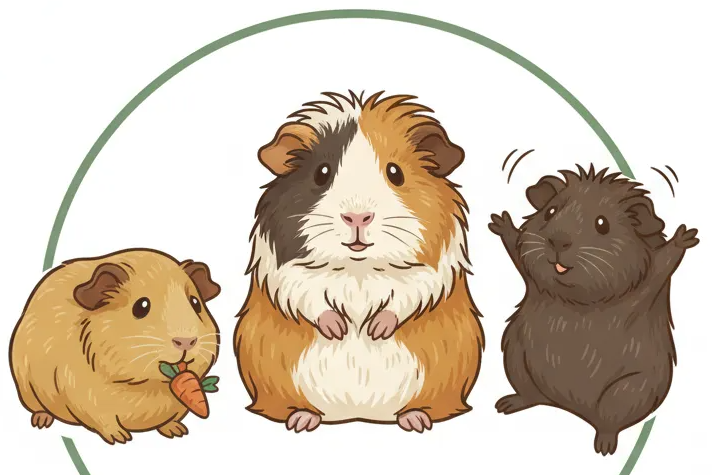
DIY Fleece Liners and Accessories for Guinea Pigs
Hello CavyFam! Are you tired of spending a fortune on disposable bedding that gets messy fast? You want a cozy, safe home for your pets but worry about cost and comfort.
In this guide, I’ll walk you through making custom fleece liners, selecting the best materials, crafting fun accessories, and maintaining a clean, odor-free cage. I’ve hand-sewn liners for my own guinea pigs-Pepper, Clover, and Biscuit-so you get advice tested in real life.
Why DIY Fleece Projects Are a Game-Changer for Guinea Pig Care
Switching to DIY fleece transformed my daily routine with Pepper, Clover, and Biscuit. Creating your own liners saves a significant amount of money compared to constantly buying disposable bedding. I calculated that my initial investment in materials paid for itself within just a few months.
You gain complete control over the size, thickness, and even the fun patterns in your guinea pig’s habitat. Custom-fitting liners for your specific cage layout eliminates messy bedding spills and wasted corners. These are essential accessories for a guinea pig cage, turning a simple enclosure into a cozy home. Properly chosen, they make cleanup easier and daily life more enjoyable for your pet. My Peruvian, Biscuit, especially appreciates the extra-soft landing spots I sew for his favorite nap zones.
From an animal welfare perspective, fleece provides a uniform, stable surface that’s gentle on sensitive feet. A well-made fleece system is far more comfortable for your pets than walking on loose, shifting substrate. I noticed my Abyssinian, Clover, became much more active and confident exploring her cage after the switch.
This approach is also wonderfully eco-friendly. You drastically reduce waste by washing and reusing liners instead of sending bags of used bedding to the landfill every week. It feels good knowing I’m providing a cozy home for my pets while also being kinder to the planet.
Essential Materials and Tools for Your DIY Fleece Creations
Choosing the Right Fleece and Fabrics
Not all fleece is created equal for this specific job. You must use anti-pill or blizzard fleece, as these types wick moisture away from the surface effectively. I learned this the hard way after a first attempt with the wrong material left my piggies walking on damp fabric.
Always pre-wash your new fleece without fabric softener before you start cutting and sewing. This crucial step removes the factory-applied water-resistant coating so the fabric can properly absorb liquid. I usually run mine through a hot wash cycle two or three times to be certain.
For the absorbent inner layers, you have several excellent options:
- U-Haul Furniture Pads: My personal favorite. They are highly absorbent, affordable, and made from recycled materials.
- Bamboo or Zorb Fabric: Fantastic for maximum absorbency, though they can be pricier.
- Old Cotton Towels: A perfect upcycling project that gives new life to worn-out linens.
I often use a combination, like a U-haul pad topped with a soft bamboo layer, for my liners. Layering different materials allows you to customize the absorbency and cushioning based on your guinea pigs’ habits. My steady Pepper tends to pick one corner, so I add extra layers there.
Must-Have Sewing Tools and Safety Tips
You don’t need a professional sewing studio to create fantastic fleece accessories. A basic sewing machine, sharp fabric scissors, straight pins, and a seam ripper will handle almost every project. My first set of cage liners was made with a simple, decades-old machine I bought at a thrift store.
Always use a ballpoint or stretch needle in your sewing machine when working with fleece. These specialized needles separate the knit fibers instead of piercing them, which prevents unsightly runs and damage to the fabric. A universal needle can sometimes cause skipped stitches and frustration.
Keep your workspace safe and organized for both you and your curious pets.
- Store pins and needles in a dedicated pincushion, never left loose on a table.
- Unplug your iron and sewing machine immediately after use.
- Keep all electrical cords tucked away where your guinea pigs cannot reach them during floor time.
Take your time and practice on scrap fabric first. A slow, steady sewing pace produces straighter seams and is much safer than rushing through a project. My graceful Clover once managed to sneak a scrap of fleece, reminding me that a clean floor is a safe floor for our furry supervisors.
Step-by-Step Guide to Making DIY Fleece Cage Liners
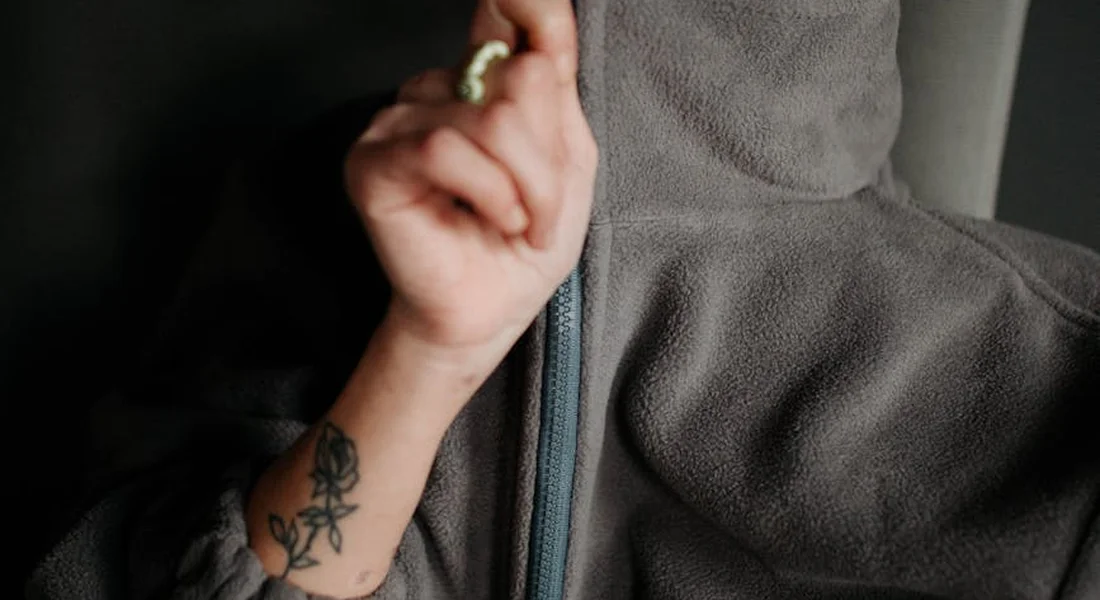
Measuring and Cutting Your Fleece and Absorbent Layers
Start by measuring your guinea pig’s cage dimensions accurately to ensure a perfect fit. I always use a flexible tape measure for this, as it gives me precise numbers without guesswork. For my cage housing Pepper and Clover, I add an extra inch on all sides for seam allowances, which prevents the liner from shrinking after washing. These measurements also form the blueprint for building the set-up for a perfect guinea pig cage. With this blueprint in hand, you can choose panels, plan ventilation, and ensure easy cleaning.
- Lay the fleece flat and measure according to your cage size.
- Cut the fleece and an absorbent layer, like an old towel or u-haul pad, to match.
- Double-check the pieces align to avoid uneven edges that could cause discomfort.
From my experience, using sharp fabric scissors makes cutting smoother and reduces fraying. This step saves you time later and ensures your guinea pigs have a snug, safe surface to explore. For a guinea pig grooming guide, nail trimming and bathing are essential topics to cover next. These routines help keep nails healthy and fur clean.
Sewing and Assembling Your Fleece Liner
When deciding which bedding is best for your guinea pig—paper, wood shavings, or fleece—fleece liners are a popular washable option. Once your pieces are cut, pin the fleece and absorbent layer together with the right sides facing out. Sewing around the edges with a straight stitch keeps everything secure and washable. I leave a small opening to turn the liner inside out, which hides the seams and makes it more durable.
- Use a sewing machine or hand-stitch for a tight, even seam.
- Trim excess threads to prevent your guinea pigs from chewing on loose ends.
- Press the liner flat after sewing to eliminate wrinkles that might irritate sensitive feet.
When I made liners for Biscuit, I found that reinforcing the corners with extra stitching prevents tearing during frequent washes. This assembly method creates a liner that’s both comfortable and long-lasting, reducing waste from disposable bedding.
Crafting Cozy Bedding: Cuddle Cups, Snuggle Sacks, and Beds
DIY Cuddle Cup Instructions
Cuddle cups provide a warm hideaway that guinea pigs adore for napping and feeling secure. To make one, cut two circles of fleece for the base and sides, plus a rectangular piece for the wall. I sew the wall to the base first, then attach the top circle, leaving a cozy opening for entry. This is a simple DIY toy that treats your guinea pig to cozy enrichment. Pairing homemade toys with safe snacks can make playtime even more engaging.
- Layer fleece with a thin absorbent material for padding.
- Sew the pieces together, turning them right-side out to hide seams.
- Add a non-slip bottom by attaching a small piece of anti-skid fabric.
Pepper loves burrowing into his cuddle cup, and I’ve noticed it reduces his stress during noisy days. Hand-wash these items gently to maintain their shape and keep your pets healthy.
Creating Snuggle Sacks and Simple Beds
Snuggle sacks are like portable tents that offer privacy and warmth. Cut a large rectangle of fleece, fold it in half, and sew the sides to form a sack shape. For a simple bed, just layer fleece over a padded square and secure the edges with stitching.
- Use leftover fleece scraps to make these eco-friendly and budget-friendly.
- Ensure the openings are wide enough for easy access but snug for security.
- Add a washable inner layer for absorbency if your guinea pig tends to dribble.
Clover often curls up in her snuggle sack, and I’ve found that rotating bedding weekly keeps it fresh and odor-free. These DIY projects not only save money but also let you customize sizes to suit each guinea pig’s personality and needs. This approach ties into my ultimate guide on safe bedding options for guinea pigs, with quick tips on choosing safe materials and proper setup.
Fun and Functional Accessories: Fleece Tunnels and Snuffle Mats
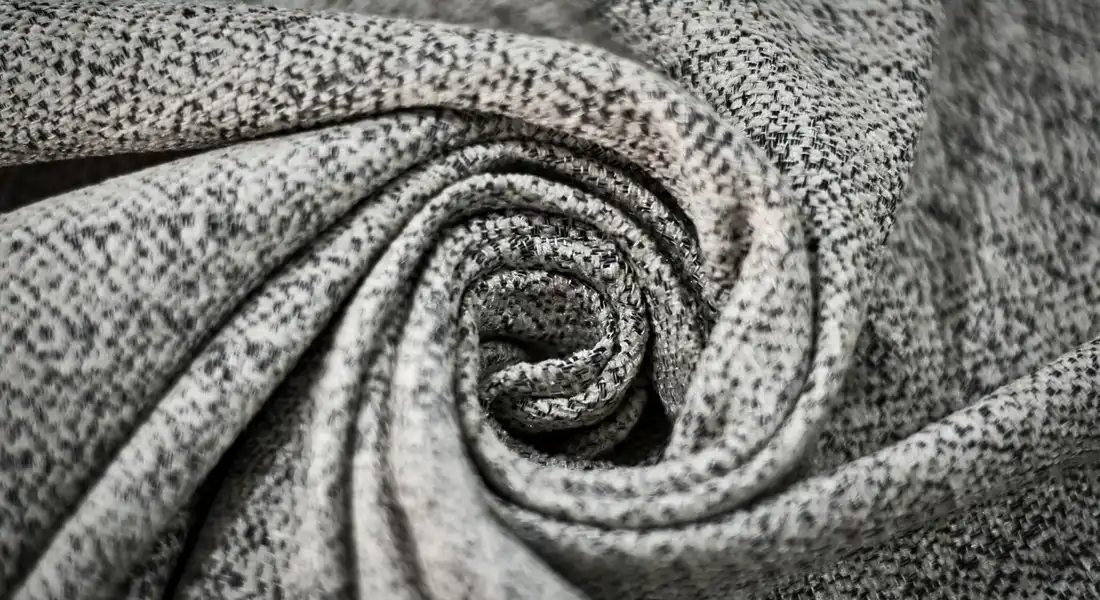
Building a Fleece Tunnel for Play
My guinea pigs, Pepper and Clover, adore their fleece tunnels; they use them for zoomies, naps, and quick hideaways from perceived dangers (like a suddenly loud TV). Creating a custom tunnel lets you control the size and durability to perfectly suit your herd’s personality and cage layout. You only need a few basic supplies to get started on this enriching project.
- A long rectangle of fleece (I aim for at least 14 inches wide by 36 inches long for a good size)
- A matching piece of cotton or anti-pill fleece for the inner lining
- Scissors, pins, and a sewing machine or needle and strong thread
- A cardboard tube from a paper towel roll for structural support (optional)
Follow these simple steps to construct a cozy tunnel your pets will love. The process is straightforward and rewarding.
- Place your two fabric rectangles together with the “right” sides facing each other.
- Sew along the two long edges and one short edge, creating a fabric bag.
- Turn the bag right-side out so the seams are hidden inside.
- Sew the final open short edge shut, but leave a small gap of about 3 inches unsewn.
- Carefully turn the entire tube inside-out through that gap, which will hide all the raw edges.
- Sew the gap completely shut by hand for a clean, finished look.
You can slide a cardboard tube inside before the final sewing step for a sturdier tunnel that holds its shape. I always check my tunnels weekly for loose threads or signs of chewing to ensure my pets’ safety. My guinea pig Biscuit, who is more reserved, especially appreciates having a secure, semi-enclosed space to observe from.
Making a Snuffle Mat for Foraging Fun
Watching my guinea pigs root through a snuffle mat is pure joy; it engages their natural foraging instincts and provides crucial mental stimulation. A DIY snuffle mat turns mealtime into a fun puzzle that slows down their eating and prevents boredom. This project requires no sewing machine, just a sturdy base and some fleece strips.
- A rubber sink mat or a piece of plastic canvas (available at craft stores)
- Several long strips of fleece, cut about 1 to 1.5 inches wide and 6-8 inches long
- Scissors
Assembling the mat is a relaxing, almost meditative process. The key is creating a dense, grassy texture for them to explore.
- Take one fleece strip and fold it in half.
- Push the folded loop end up through one hole in your base grid from the bottom.
- Pull the two loose ends of the strip down through the loop you just created.
- Gently tug the ends to tighten the knot onto the base grid.
- Repeat this process, knotting strips close together across the entire mat until the base is no longer visible.
Once finished, simply sprinkle their daily pellets or some hay throughout the knotted fleece strands. I’ve found that my more thoughtful pig, Clover, will methodically work her way across the mat, while Pepper dives in with enthusiastic determination. This simple accessory provides endless entertainment and is a fantastic way to use up fleece scraps.
Washing and Care Instructions for Your DIY Fleece Items
Proper Washing Techniques
Proper cleaning is non-negotiable for your pets’ health and the longevity of your handmade items. I wash all new fleece liners and accessories with a scent-free detergent and white vinegar before the first use to increase absorbency and remove manufacturing residues. Establishing a good washing routine prevents ammonia buildup and keeps everything fresh.
- Always shake liners and mats vigorously outdoors or over a trash can to remove loose hay and fur before washing.
- Use a hypoallergenic, fragrance-free laundry detergent to avoid irritating your guinea pigs’ sensitive respiratory systems.
- Add one cup of white vinegar to the rinse cycle; it naturally neutralizes ammonia odors and acts as a fabric softener without clogging fibers.
- Wash in hot water to effectively kill bacteria and dissolve urine crystals.
- Avoid fabric softeners and dryer sheets at all costs, as they coat the fleece and destroy its wicking ability.
A weekly hot wash is my standard for maintaining a healthy habitat for Pepper, Clover, and Biscuit. For heavily soiled items, a pre-soak in a vinegar and water solution can work wonders before the main wash cycle begins.
Drying and Storage Tips
How you dry and store your fleece items directly impacts their functionality and lifespan. Tumble drying on a low or medium heat setting is actually beneficial, as it helps to “fluff” the fibers and restore the fleece’s wicking properties. Air drying is a perfectly good alternative if you have the space and time.
- Check that all items are completely dry before returning them to the cage; damp fleece can lead to mold and mildew.
- Fold liners and roll tunnels neatly to prevent deep creases when storing them between uses.
- Store clean, dry items in a plastic tub with a lid to protect them from dust and pests.
- Keep a small stash of pre-washed, ready-to-go liners and accessories so you always have a clean set for cage cleaning day.
I make a point to inspect each item as I fold it, looking for any thin spots, holes, or loose threads that need mending. This proactive care means my DIY creations last for years, providing a comfortable and safe environment for my furry family. Proper care is a simple but profound act of love for your pets.
Common Questions
What are the benefits of DIY fleece liners for guinea pigs?
DIY fleece liners are a cost-effective and eco-friendly alternative to disposable bedding. They provide a soft, stable surface that is gentle on your guinea pigs’ feet and can be custom-fitted to any cage. To keep them clean and durable, beware of common washing mistakes. This ties into the guide on the eight mistakes to avoid when washing and maintaining fleece liners.
How do I make a DIY fleece liner for a cat carrier?
Measure the bottom of your carrier and cut a piece of absorbent fabric, like a U-Haul pad, to fit. Cover it with a slightly larger piece of wicking fleece, tucking the excess edges underneath to create a snug, comfortable, and washable mat.
Can I make fleece diaper liners myself?
Yes, you can easily sew your own reusable fleece diaper liners. Simply cut fleece into strips and use the same sewing techniques as for cage liners, but on a much smaller scale to fit inside the diaper.
Does IKEA sell suitable fleece for DIY liners?
IKEA often carries affordable anti-pill fleece blankets that are perfect for DIY projects. Just remember to pre-wash any new fleece multiple times without fabric softener to activate its moisture-wicking properties before use.
What is the process for making a DIY fleece liner for a mummy sleeping bag?
Create a simple fleece liner by cutting a rectangle of fleece to match the interior dimensions of your sleeping bag. You can add a lightweight, absorbent inner layer and sew the pieces together to form a comfortable, washable barrier that adds warmth.
Your Path to Happy, Cozy Guinea Pigs
Crafting DIY fleece liners gives your guinea pigs a soft, safe space while cutting down on waste and costs. From my time with Pepper, Clover, and Biscuit, I’ve seen how a well-made fleece setup keeps them content and reduces mess. Always double-check measurements and avoid loose threads to prevent any hazards. Choosing fleece liners over disposable bedding can lower ongoing costs and reduce waste. Regular washing is essential to maintain health and hygiene.
Stay curious about guinea pig care by exploring new, eco-friendly ideas that benefit both your pets and the planet. Choosing reusable materials like fleece supports animal welfare and teaches responsible habits for a greener home—especially when you know how to properly care for guinea pigs.
Further Reading & Sources
- Fleece Liners for C and C Guinea Pigs cages| Kavee C&C Cage USA
- Cage Liners – The Cozy Cavy Guinea Pig Rescue
- Best Bedding for Guinea Pigs – Guinea Pig Bedding Fleece – GuineaDad
- Amazon.com: Guinea Pig Cage Liner
Kate is a passionate guinea pig owner and advocate for small pet welfare. With over a decade of experience caring for guinea pigs, she has become a trusted voice in the small pet community.
Uncategorized