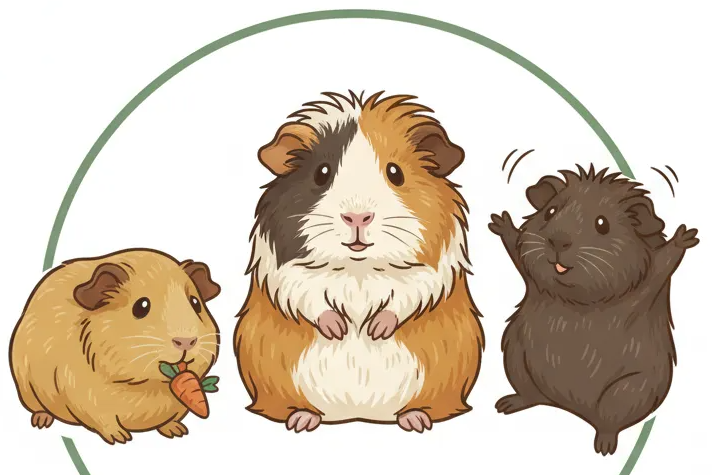
The Best Hay Racks and Bedding Solutions for Guinea Pigs
Hello CavyFam! Are you struggling with hay mess and bedding woes that stress out your furry pals? I know how frustrating it can be when their home isn’t cozy or safe.
In this guide, I’ll walk you through types of hay racks, top bedding choices, setup steps, and safety tips. With years of hands-on care for my guinea pigs Pepper, Clover, and Biscuit, I’ve tested it all to keep them happy and healthy.
Why Guinea Pigs Need Hay in Their Diet and Habitat
Hay is the absolute cornerstone of a healthy guinea pig life, acting as both their primary food source and a key element of their environment. Their digestive systems are designed to process a constant flow of fibrous hay to keep their gut moving properly and prevent dangerous blockages.
Digestion and Dental Health
Guinea pigs’ teeth grow continuously throughout their lives. Chewing on long-strand hay naturally files down their molars and incisors, preventing painful overgrowth and spurs that can make eating impossible. I learned this the hard way when my guinea pig, Biscuit, needed an expensive dental trim after a period of not eating enough coarse hay, which is essential for guinea pig dental health and care. The relentless chewing motion also stimulates saliva production, which is the first crucial step in breaking down food for their sensitive stomachs.
The Many Roles of Hay
- Sustenance: High-quality timothy or orchard grass hay should make up about 80% of their daily diet, providing essential fiber.
- Enrichment: Foraging through a pile of hay mimics their natural grazing behavior, keeping them mentally stimulated and active.
- Comfort and Nesting: My guinea pig, Clover, loves to burrow into fresh hay, arranging it into a cozy sleeping nook that makes her feel secure.
- Odor Control: A deep layer of hay in their habitat can help absorb moisture and control ammonia smells from urine.
I always watch my herd’s behavior around hay. Pepper, my steady American, will methodically eat from one spot, while the others toss it around playfully. Observing how they interact with their hay tells me a lot about their individual personalities and overall well-being.
Are Hay Racks Safe and Necessary for Guinea Pigs?
Hay racks are not strictly necessary, but they can be incredibly helpful tools for tidy and health-conscious owners. The primary benefit is a significant reduction in wasted hay that gets soiled by urine and droppings, saving you money and keeping their dining area cleaner. When weighing hay rack use vs. loose hay piles, consider your animal’s natural foraging tendencies. Loose hay piles can encourage foraging and exploration, while racks can streamline feeding and reduce waste.
Essential Safety Features
Safety must be your number one priority when selecting any hay rack. A poorly designed rack can be a serious hazard.
- No Small Openings: Avoid any rack with gaps or holes large enough for a guinea pig to get its head or limbs stuck.
- Smooth Edges: All surfaces must be smooth and free of sharp metal or plastic burrs that could cause cuts.
- Secure Mounting: The rack must attach firmly to the cage wall and not easily tip over, preventing injuries from falling objects.
I once tried a cute wooden rack with narrow slats, and my curious Abyssinian, Clover, nearly got her delicate head stuck trying to reach the last pieces. We switched immediately to a safer, open-grid metal design that caused no more panic.
Hay Racks vs. Loose Hay
Choosing between a rack and a loose pile depends on your guinea pigs and your cleaning routine.
- Hay Rack Pros: Dramatically cuts down on waste, keeps hay cleaner and drier, and encourages natural stretching and pulling motions.
- Loose Hay Pros: Allows for natural foraging and burrowing behaviors, which is fantastic enrichment, and ensures hay is always within easy reach.
I use a hybrid approach in my own cage-a large rack for their main “meadow” and a generous loose pile in a corner for nesting and playing. This gives my herd the best of both worlds.
Steps to Assess If Your Guinea Pig Needs a Hay Rack
- Observe your guinea pig’s current hay consumption. Are they wasting more than they are eating by soiling it quickly?
- Check their health. Do they have any mobility issues that would make reaching into a rack difficult?
- Evaluate your schedule. A rack can help the habitat stay cleaner between your regular spot-cleaning sessions.
- Consider their personality. My Peruvian, Biscuit, was initially hesitant about the rack but now uses it confidently. Be prepared to monitor their adjustment to any new equipment.
Types of Hay Racks and Holders for Easy Access
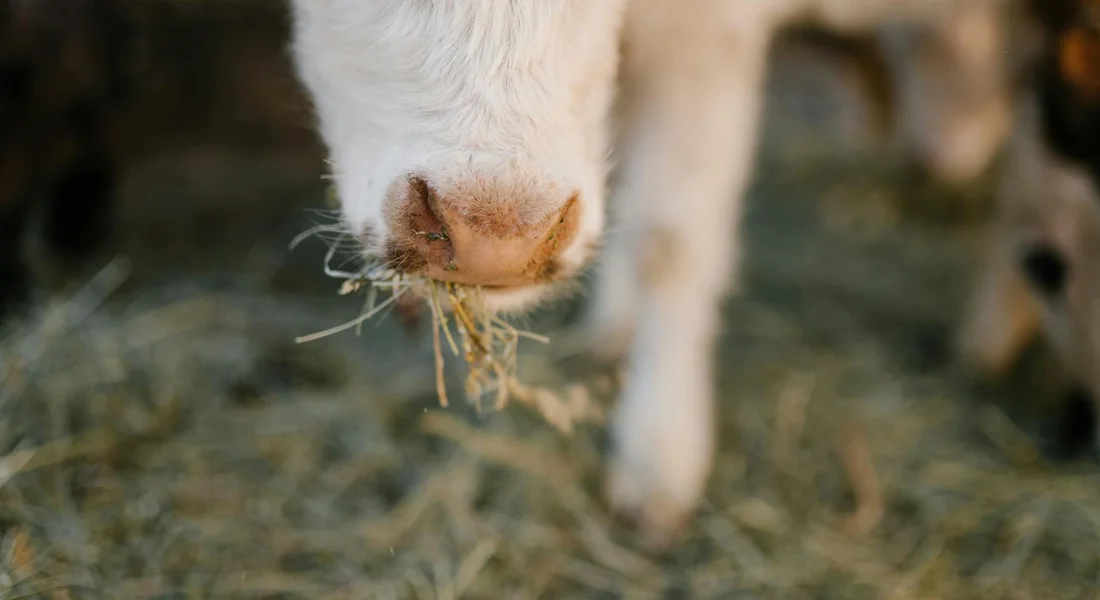
Guinea pigs need constant access to hay for healthy digestion and teeth wear. Hay should make up the majority of their daily diet to support digestive health and prevent dental issues. Regular access also supports dental wear and gut motility. Choosing the right hay rack can dramatically reduce waste and keep their dining area tidy.
- Hanging designs dangle from the cage top, perfect for keeping hay off the soiled floor.
- Corner racks snugly fit into cage corners, a brilliant space-saving solution for smaller habitats.
- Chew-proof designs, often made of sturdy metal, withstand even the most determined nibblers like my Biscuit.
Materials vary widely, and safety is the top priority.
- Metal racks are durable and easy to clean, but ensure all edges are smooth and there are no tiny gaps where a curious nose could get stuck.
- Wood offers a natural chewing surface, but it can absorb urine and become difficult to sanitize over time.
- Plastic is lightweight and affordable, but only choose heavy-duty, non-toxic plastic that your pigs cannot easily destroy and ingest.
Placement matters more than you might think. I position hay racks away from their main sleeping area but near their favorite lounging spots to encourage natural foraging behavior. My trio, Pepper, Clover, and Biscuit, love pulling strands of hay while comfortably settled in their fleece forest.
Hanging Hay Feeders
These are a staple in my cage setup because they are so practical. A good hanging feeder features wide openings for easy pulling and a secure clip that won’t detach during enthusiastic munching. Refilling is a breeze-I simply unclip the unit, top it up with fresh Timothy hay, and reattach it in seconds. Proper ventilation is crucial; mesh or barred designs allow air to circulate, preventing the bottom layer of hay from becoming stale or moldy, which is a common issue with enclosed containers.
Corner Hay Mangers
If you’re working with a compact living space, corner mangers are your best friend. They utilize often-wasted corner space, freeing up the central floor area for play and exploration. The key is stable installation; a wobbly rack will stress out your pets and make a mess. I always check that the mounting hardware is tight and that the manger doesn’t shift when my guinea pigs lean on it. For my more reserved pig, Biscuit, a stable corner feeder provides a sense of security while she eats.
Choosing the Right Bedding for Your Guinea Pig’s Enclosure
Bedding is more than just a floor covering; it’s a major factor in your pet’s health and your cleaning routine. The ideal bedding controls odor, minimizes dust, and provides a soft, comfortable surface for tiny feet.
- Fleece bedding is a reusable, soft option that works well for many owners.
- Paper bedding is highly absorbent and typically very low-dust.
- Wood shavings, like aspen, are a classic choice, but you must avoid cedar and pine due to harmful phenols.
My personal preference has evolved over the years. After trying every type, I’ve settled on a fleece system for its ease of daily cleanup and long-term cost-effectiveness, despite the initial investment. A quick daily sweep with a small handbrush keeps it fresh between weekly washes.
Fleece Bedding Solutions
A fleece system involves a top layer of absorbent fleece fabric over a moisture-wicking underlayer. The key to success is “wicking”-the fleece must pull moisture down to the absorbent layer below, keeping the surface dry. You must wash and dry new fleece several times without fabric softener to activate this wicking ability. I use reusable puppy training pads or U-haul furniture pads as my absorbent layer, which I find controls odor far better than towels alone. This setup is a dream for spot-cleaning and makes the entire habitat look and feel cozy.
Paper and Wood-Based Bedding
For many, disposable bedding is the most straightforward choice. Paper bedding is exceptionally soft, virtually dust-free, and available at most pet stores, making it a convenient and affordable option. Look for unbleached, recycled paper products for an eco-friendlier choice. Wood-based bedding, specifically kiln-dried aspen, is another excellent and economical alternative. Always shake out any bedding in a well-ventilated area before use to minimize any residual dust that could irritate sensitive respiratory systems. My gentle pig, Pepper, has no issues with aspen, but I monitor all my pigs for any signs of sneezing.
How to Set Up and Maintain Bedding for Optimal Health

-
Step 1: Choose a substrate that suits your guinea pig’s needs
Your choice of bedding directly impacts your pet’s health and happiness. I’ve found that paper-based bedding works wonders for my trio, especially for Pepper who has a gentle, steady nature and appreciates a soft landing. Avoid cedar and pine shavings at all costs; their aromatic oils can cause serious respiratory distress. Aspen wood shavings are a safe wood alternative, but they’re not as absorbent as paper products. Fleece liners are reusable and cozy, but require diligent daily spot-cleaning.
-
Step 2: Layer bedding for absorbency and comfort
Creating the perfect bed is like making a comfortable sandwich. Start with a thin layer of absorbent material like paper pellets at the very bottom to wick moisture away from the surface. Top this with a much thicker, fluffier layer of paper-based bedding for burrowing and comfort. For my Peruvian, Biscuit, that thick top layer is essential for her reserved personality-she loves to tunnel and hide. Aim for a total depth of at least two to three inches throughout the entire habitat.
-
Step 3: Establish a cleaning schedule for hygiene
Consistency is your best friend when it comes to cage maintenance. I do a quick spot-clean of soiled areas every single morning when I refill their hay racks and water bottles. This takes less than five minutes but makes a huge difference. A full, deep clean where you replace all the bedding should happen weekly. For my three pigs, Sunday is clean-out day. A dirty cage isn’t just smelly—it’s a breeding ground for bacteria and fungus that can lead to bumblefoot and other infections. That daily and weekly plan is part of a complete guinea pig hygiene cleaning routine. Within a complete guinea pig hygiene cleaning routine, you also wipe down the cage, sanitize toys and water bottles, and refresh the bedding as needed.
-
Step 4: Monitor for signs of bedding-related issues
Your guinea pigs will tell you if something is wrong with their environment. Watch for frequent sneezing, watery eyes, or a lack of energy, as these can be early signs of a dust allergy or respiratory infection from poor-quality bedding. These are common bedding mistakes that can harm your guinea pig’s health. Avoid dusty, damp bedding and steer clear of cedar or pine shavings to protect their airways. Check their feet daily for any redness or sores, which could indicate the bedding is too damp or abrasive. My graceful Clover is particularly sensitive, and any change in her bedding immediately affects her activity level.
Common Mistakes and Health Issues with Bedding and Hay Racks
-
List unsafe materials to avoid in bedding and racks
Some common pet store items can be surprisingly dangerous. Never use bedding made from cedar or pine, as the phenols in these woods are toxic to small animals. Avoid cat litter, corn cob bedding, and any fluffy, cotton-like bedding that can cause fatal intestinal blockages if ingested. For hay racks, steer clear of any with wide openings where a head or leg could get stuck, or those with sharp metal edges that can cause injuries.
-
Describe symptoms of respiratory or skin problems
Knowing what to look for can help you catch problems early. Respiratory issues often start with constant sneezing, crusty eyes, labored breathing, or a rattling sound in the chest. Skin problems might appear as hair loss, constant scratching, red patches, or flaky skin. I once noticed Biscuit scratching relentlessly and discovered she was reacting to a new brand of bedding-switching back solved the problem within days.
-
Offer troubleshooting tips for enrichment and safety
Simple adjustments can transform your setup. If your guinea pig is tipping over their hay rack, try securing it to the cage walls with sturdy zip ties or choosing a heavier ceramic feeder. For pigs who kick bedding everywhere, add higher-sided coroplast around the cage perimeter. To encourage natural foraging behavior, I sometimes scatter a handful of hay directly on top of the clean bedding, which keeps all three of my pigs happily occupied and mentally stimulated. These tweaks are part of properly caring for guinea pigs, promoting safety and enrichment. Pair them with regular daily care—fresh hay, clean water, and gentle handling—to keep your pigs healthy.
FAQs
What are some alternative bedding options for guinea pigs?
Besides common choices like fleece or paper, you can use hemp bedding or recycled paper pellets for a dust-free, eco-friendly option. For DIY enthusiasts, making your own DIY fleece liners and accessories can personalize your guinea pig’s setup. It’s a simple way to tailor absorbency and size to your pig’s needs. Always select materials that are non-toxic and highly absorbent to keep your guinea pig healthy and comfortable.
Where can I find good guinea pig bedding on Amazon?
Amazon offers a wide range of safe bedding brands, such as Carefresh or Small Pet Select, with detailed customer reviews to guide your choice. Look for options labeled as low-dust and highly absorbent to ensure they meet your pet’s needs.
Can I buy safe guinea pig bedding at Walmart?
Yes, Walmart stocks affordable bedding like Kaytee Clean & Cozy paper bedding that is safe and effective for guinea pigs. Always verify the product details to avoid harmful materials like cedar or pine shavings. When deciding between paper, wood, or fleece bedding, consider your guinea pig’s comfort and cleaning needs. Many owners find paper or fleece options safer and easier to maintain than wood shavings.
Are paper pellets a good choice for guinea pig bedding?
Paper pellets are highly absorbent and excellent for controlling odors, making them a low-maintenance bedding solution. They are also virtually dust-free, which helps prevent respiratory problems in sensitive guinea pigs.
Is it cost-effective to buy guinea pig bedding in bulk?
Purchasing bedding in bulk can significantly reduce costs and minimize frequent store visits. Just store it in a dry, sealed container to maintain freshness and prevent contamination.
Your Guinea Pig’s Cozy Corner Awaits
Choosing the right hay rack and bedding is a simple way to keep your guinea pigs healthy, safe, and content. Focus on sturdy, safe materials for racks and deep, absorbent bedding to encourage natural foraging and burrowing behaviors. Your thoughtful setup directly supports their well-being and makes daily care much easier for you. To explore safe bedding options in more depth, consult the ultimate guide to safe bedding for guinea pigs. It covers materials, depth, and safety tips to keep your pets comfy.
Being a great guinea pig parent means always learning and making compassionate choices for your pets and our planet. Consider eco-friendly bedding options and always prioritize products that put your guinea pigs’ safety and natural instincts first. Understanding guinea pig nesting behavior helps you choose bedding that supports warmth, comfort, and moisture control. By observing how your pigs burrow and nest, you can pick materials that fit their natural nesting instincts. Your ongoing care and attention create a wonderful life for your furry friends.
Further Reading & Sources
- Amazon.com: Guinea Pig Hay Rack
- Small Hayrack For C&C Guinea Pig Cages | Guinea Pig Habitat – Guinea Pig Cage Company
- Wooden Castle Hay Rack for Guinea Pig | Kavee Cages USA
- Hay Rack | Piggy Bedspreads
Kate is a passionate guinea pig owner and advocate for small pet welfare. With over a decade of experience caring for guinea pigs, she has become a trusted voice in the small pet community.
Uncategorized