Can Guinea Pigs Eat Brussels Sprouts Safely?
Published on: October 19, 2026 | Last Updated: October 19, 2026
Written By: Kate M. Callahan
Hello CavyFam! You might be eyeing those Brussels sprouts in your kitchen and wondering if they’re a safe snack for your guinea pig. It’s totally normal to feel a little nervous about introducing new foods to your furry friend’s diet.
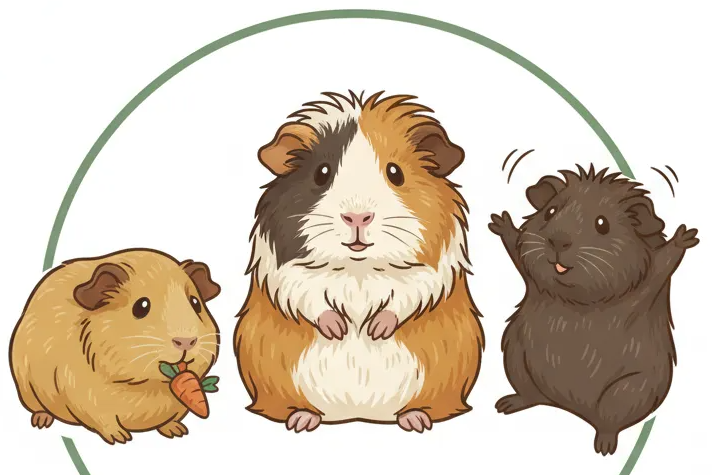
I’ll guide you through safety factors, nutritional benefits, proper serving sizes, and potential health risks. With years of hands-on experience caring for guinea pigs like Pepper, Clover, and Biscuit, I always prioritize their well-being in my advice.
Are Brussels Sprouts Safe for Guinea Pigs?
Key Safety Considerations
Guidance Notes
Brussels sprouts contain natural compounds called goitrogens and glucosinolates that can interfere with thyroid function if fed in large, frequent amounts. These substances are part of the plant’s defense system, but for guinea pigs, they can potentially impact how their bodies utilize iodine.
My guinea pigs, Pepper, Clover, and Biscuit, have very different reactions to gassy vegetables. I learned the hard way with Biscuit that even a small extra piece can lead to a very uncomfortable, bloated piggy. I now watch them closely for any signs of discomfort like a stiff posture or reduced activity after they eat these veggies. To avoid issues, I’ve started careful vegetable prep—washing, trimming stems, and chopping everything into small, bite-sized pieces. I also introduce new vegetables gradually and watch how they respond.
You must only ever feed fresh, raw Brussels sprouts to your guinea pig. Cooking them breaks down the cell walls, making the sugars more concentrated and the risk of digestive upset much higher. Steamed or boiled sprouts are a definite no for their sensitive stomachs. Some keepers also try lentil sprouts for guinea pigs as a rare treat. If you do, use only a tiny amount and monitor your pig’s reaction.
- Yes, Brussels sprouts are safe for guinea pigs.
- No, they should not be a daily food.
- Always serve them raw and thoroughly washed.
Nutritional Benefits of Brussels Sprouts for Guinea Pigs
Essential Nutrients Breakdown
Guidance Notes
The standout benefit of Brussels sprouts is their impressive vitamin C content, which is absolutely vital since guinea pigs cannot produce it themselves. A deficiency can lead to scurvy, causing joint pain and lethargy, so dietary sources are non-negotiable. Guinea pigs also rely on water to help meet vitamin C needs, so provide fresh water daily. Keep in mind vitamin C degrades in water, so refresh it regularly and avoid relying on water alone for daily intake.
I’ve noticed a wonderful change in Clover’s digestion since I introduced high-fiber foods like Brussels sprouts in moderation. The high fiber content is fantastic for keeping their digestive system moving and preventing dangerous GI stasis. Her poops are consistently well-formed, which is a key indicator of gut health.
This vegetable is a real nutrient powerhouse. Beyond vitamin C, it provides a boost of vitamin K for healthy blood clotting and bone development, along with folate and potassium. It’s like a tiny, green multivitamin when used correctly.
| Nutrient (per 100g) | Amount | Benefit for Guinea Pigs |
|---|---|---|
| Vitamin C | 85mg | Prevents scurvy, boosts immune system |
| Fiber | 3.8g | Promotes healthy digestion and gut motility |
| Vitamin K | 177μg | Essential for proper blood clotting |
| Folate | 61μg | Supports cell growth and repair |
Pepper, my steady American, seems to have a shinier coat since I’ve incorporated small amounts of these nutrient-dense foods. Seeing these real-world benefits in my own herd reinforces why a varied, thoughtful diet is so important. It’s not just about filling their bellies; it’s about fueling their health.
Risks of Feeding Brussels Sprouts to Guinea Pigs
Common Digestive Issues
Guidance Notes
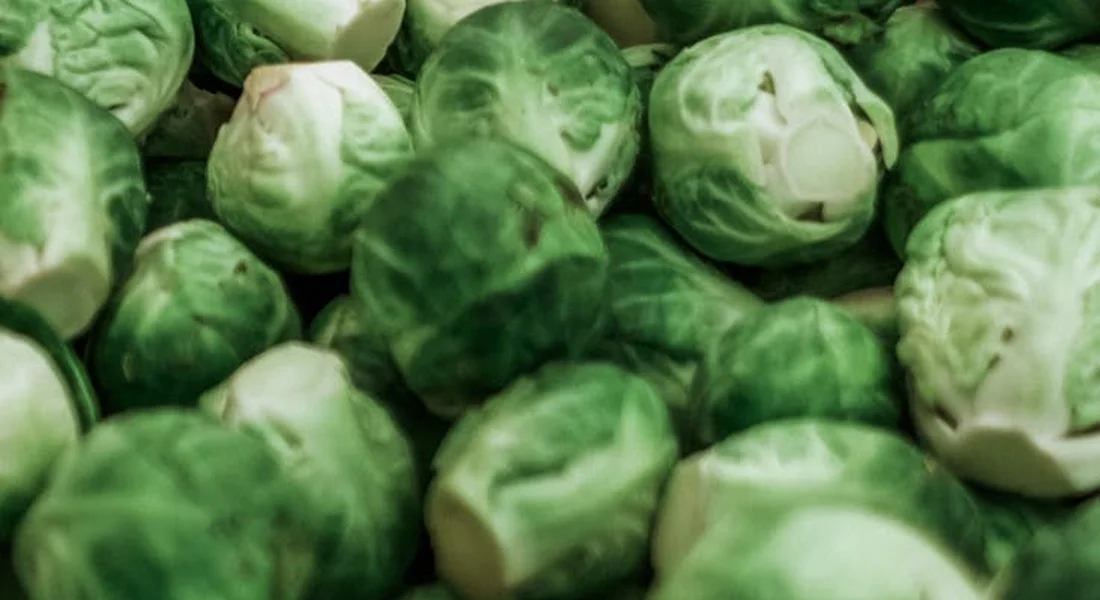
- Feeding too many Brussels sprouts can cause uncomfortable gas and bloating in guinea pigs due to their complex sugars. These vegetables also contain natural compounds called goitrogens, which can interfere with thyroid function if consumed in large quantities over time.
- Watch for early signs of discomfort like your guinea pig becoming unusually quiet, refusing their favorite foods, or showing a hunched posture. A decrease in normal activity or the production of fewer, smaller droppings are clear signals that their digestive system is upset.
- From my experience with sudden digestive upsets in my herd, I contact my vet immediately if I notice a complete loss of appetite for more than a few hours or any signs of obvious pain. Trust your instinct; a quick response can prevent a minor issue from becoming a serious health emergency.
How to Prepare Brussels Sprouts for Your Guinea Pig
Step-by-Step Preparation Guide
Guidance Notes
- Always choose fresh, organic Brussels sprouts when possible. I thoroughly wash each sprout under cool running water to remove any dirt or pesticide residue that could harm my guinea pigs.
- Use a sharp knife to chop the leaves and the firmer stalk into small, bite-sized pieces. Creating pieces no larger than your thumbnail helps prevent choking and makes it easier for your pet to eat.
- Only serve Brussels sprouts raw to your guinea pig. Cooking vegetables strips away vital nutrients like Vitamin C and can create a mushy texture that poses a choking hazard, which is why they are unsafe.
Feeding Guidelines: Portion Sizes and Frequency
Moderation and Variety Tips
Guidance Notes
- I adjust portion sizes for my guinea pigs based on their size and age. For my adult pigs like Pepper and Clover, one small sprout leaf or one tiny chopped piece per pig is a safe treat, while my younger pig, Biscuit, gets an even smaller portion.
- I serve Brussels sprouts no more than once a week to maintain a balanced diet. This infrequent schedule allows their digestive systems to process the vegetable without becoming overwhelmed.
- Rotate Brussels sprouts with other safe treats to provide variety and reduce risks. Excellent alternatives include a slice of bell pepper, a sprig of cilantro, or a leaf of romaine lettuce, which are all staples in my herd’s diet.
Monitoring Your Guinea Pig’s Tolerance to Brussels Sprouts
Signs of Good and Bad Reactions
Guidance Notes
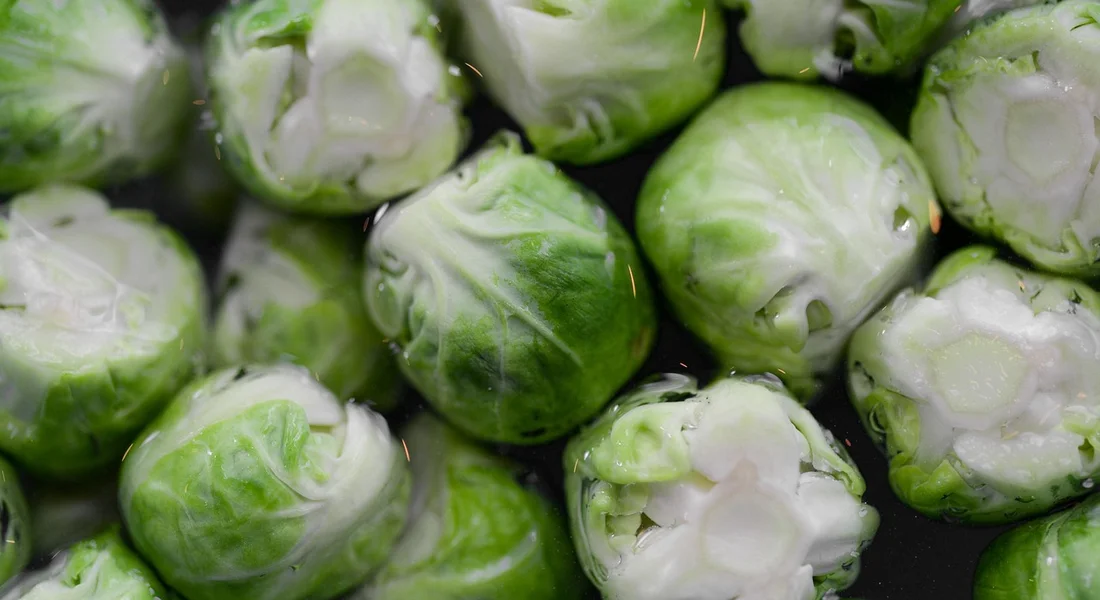
Watching your guinea pig after introducing a new food is the single best way to prevent digestive upset. Also, pay attention to basic digestive facts like gas, burping, and vomiting, which can signal trouble early.
You want to see them acting like their usual, happy selves.
- Positive signs include normal energy levels, a healthy appetite for their regular hay, and producing plenty of normal, firm droppings.
- Negative signs are hard to miss: lethargy, a swollen or hard belly, a sudden loss of appetite, or unusually soft or missing droppings.
- Diarrhea is a serious red flag that requires immediate removal of the new food and a call to your veterinarian.
Start with a tiny piece, no bigger than your pinky nail, and wait a full 48 hours before offering more.
This trial period lets their sensitive gut adjust.
- Offer the tiny piece of Brussels sprout.
- Observe them closely for the next several hours.
- Check their cage the next day for normal droppings and behavior.
- If all is well after two days, you can offer another small piece.
My guinea pig Clover, for example, can handle a small floret once a week with no issues. My more sensitive pig, Biscuit, however, gets gassy from even a tiny taste, so I avoid giving it to him entirely. I learned this through careful observation. Every guinea pig is an individual, and their tolerance levels can vary dramatically, just like people with different foods.
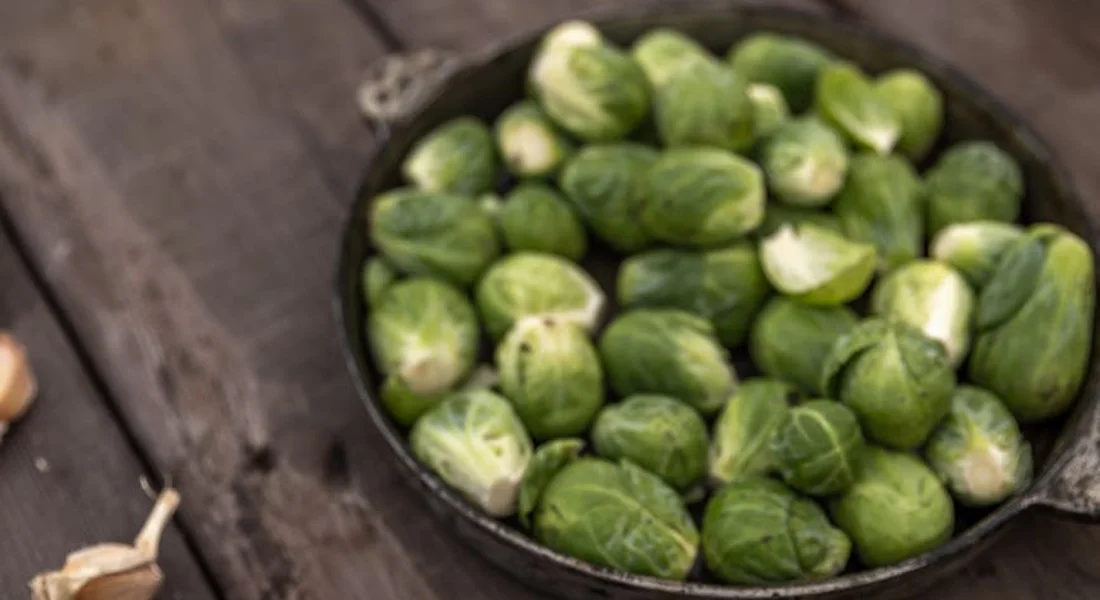
Incorporating Brussels Sprouts into a Balanced Guinea Pig Diet
Vegetable Variety and Diet Diversity
Guidance Notes
A varied veggie platter is key to providing a full spectrum of nutrients and keeping mealtime interesting for your pet.
Think of Brussels sprouts as one colorful ingredient in a much larger salad.
- Other safe cruciferous vegetables to rotate include small amounts of kale, broccoli florets, and cabbage.
- Excellent greens to mix in are romaine lettuce, cilantro, parsley, and bell peppers of all colors.
- This rotation prevents them from over-consuming any one compound that might cause gas or bloating.
Unlimited, high-quality timothy hay must form the bedrock of your guinea pig’s diet, making up about 80% of what they eat. These high-fiber strands support digestion and keep teeth naturally worn down. Without enough hay, guinea pigs can develop dental problems and gut issues.
It is essential for digestive health and wearing down their constantly growing teeth. For pet owners, a look at a high-quality guinea pig pellets ingredient guide helps you choose the right ingredients. This guide can highlight fiber content, vitamin C sources, and common fillers. A small, measured amount of fortified guinea pig pellets provides a consistent vitamin C base. Fresh vegetables are the daily supplement, the nutritional boost on top of this solid foundation.
| Vegetable | Vitamin C Content (Approximate) | Feeding Frequency |
|---|---|---|
| Bell Peppers (Red & Yellow) | Very High | Daily |
| Broccoli Florets | High | 2-3 times per week |
| Brussels Sprouts | High | Once a week or less |
| Kale | High | A few times per week |
| Parsley | High | A few times per week |
FAQs
Are there any risks associated with feeding Brussels sprouts based on viral videos?
Viral videos may not show proper portion sizes or frequency, leading to potential overfeeding. Always rely on expert guidelines to avoid digestive issues like gas or bloating in your guinea pig. This is one of the top 10 guinea pig diet mistakes that can lead to serious health issues. Learning these common errors helps you prevent problems before they start.
Can Brussels sprouts replace other vitamin C sources in my guinea pig’s diet?
No, Brussels sprouts should not replace daily vitamin C staples like bell peppers due to their gassy nature. Variety is key to providing a balanced diet and preventing nutrient imbalances.
How do I choose the best Brussels sprouts for my guinea pig?
Select firm, bright green sprouts without signs of yellowing or wilting to ensure freshness. Opt for organic varieties when possible to minimize exposure to pesticides and chemicals.
Do Brussels sprouts help with dental health in guinea pigs?
The fibrous texture can aid in natural chewing, which supports dental wear. However, unlimited hay remains the primary method for maintaining healthy teeth and preventing overgrowth.
What should I do if my guinea pig refuses to eat Brussels sprouts?
Do not force it, as guinea pigs have individual preferences and may avoid certain foods. Offer alternative safe vegetables like cilantro or romaine lettuce for guinea pigs to maintain a varied and nutritious diet. Romaine lettuce is a commonly enjoyed leafy green for guinea pigs and can be offered in moderation as part of a varied diet.
Final Thoughts on Feeding Your Guinea Pigs
From my time with Pepper, Clover, and Biscuit, I’ve seen that Brussels sprouts can be a nutritious, occasional treat when served in tiny portions. Guinea pigs can also nibble on bean sprouts leaves in moderation. Like Brussels sprouts, these should be offered only in tiny portions and introduced gradually. Always monitor your guinea pig closely after introducing new foods to catch any signs of gas or discomfort early.
Being a dedicated pet owner involves staying curious and open to new, safe care methods. Opt for eco-friendly choices, like reusable bedding or locally sourced veggies, to support both your guinea pig’s health and a greener world. For guinea pigs, check out the Guide to guinea pig bedding to help you choose the right materials and setup. It covers what to use, what to avoid, and how to keep the habitat clean and comfortable.
Further Reading & Sources
- GuineaDad Food Blog: Can guinea pigs eat brussels sprouts?
- Can Guinea Pigs Eat Brussels Sprouts – Guinea Piggles
- Sprout row guinea pig fears ‘overblown’ – BBC News
- r/guineapigs on Reddit: can guinea pigs have the leaves off a Brussel sprout plant?
Kate is a passionate guinea pig owner and advocate for small pet welfare. With over a decade of experience caring for guinea pigs, she has become a trusted voice in the small pet community.
Uncategorized