Safe Guinea Pig Bedding: Your Complete Guide
Published on: December 23, 2025 | Last Updated: December 23, 2025
Written By: Kate M. Callahan
Hello CavyFam! Choosing the right bedding for your guinea pig can feel overwhelming. You worry about their comfort, health, and safety with every choice you make.
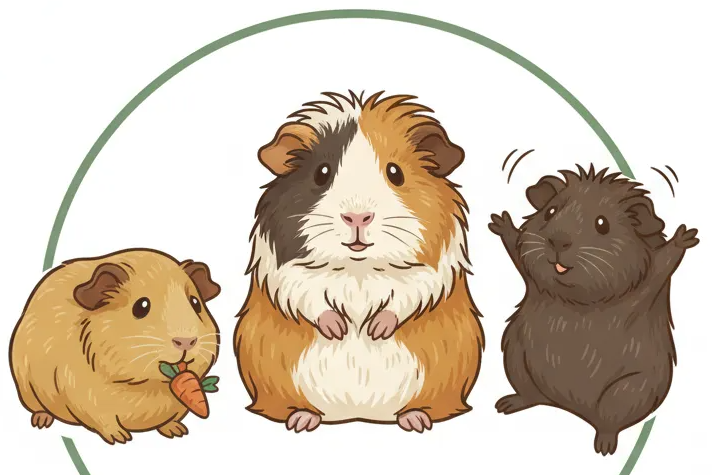
In this guide, I will walk you through safe materials, absorbency comparisons, dust-free options, cost-effective solutions, and eco-friendly choices. I’ve tested countless beddings with my own trio-Pepper, Clover, and Biscuit-so you can trust this advice comes from real, hands-on experience.
Why Safe Bedding Matters for Your Guinea Pig’s Health
Your guinea pig spends most of their life in close contact with their bedding, so its quality directly impacts their well-being. Poor bedding can lead to painful foot sores, dangerous respiratory infections, and constant discomfort for your pet. I learned this the hard way when my guinea pig, Pepper, developed a mild respiratory issue from dusty bedding I thought was fine.
Guinea pigs have sensitive respiratory systems and delicate feet not designed for hard or abrasive surfaces. Choosing the right bedding helps prevent common health problems and creates a foundation for a happy, active life. It’s one of the most impactful decisions you make for their daily comfort. If you’re wondering do guinea pigs like or dislike different bedding options, this complete guide has you covered. This resource helps you choose bedding with confidence.
Top-Tier Safe Bedding Choices
Navigating bedding options can feel overwhelming, but focusing on a few proven, safe materials makes it simple. Your goal is to find a balance of absorbency, softness, and low dust that suits both you and your pet. I’ve tested many types over the years with my trio, and these are the ones I trust completely.
Paper-Based Bedding: Soft and Absorbent
Paper bedding is a fantastic, low-dust option made from recycled paper. It’s incredibly soft underfoot and highly absorbent, which helps control ammonia odors from urine. My graceful Abyssinian, Clover, loves burrowing in its fluffy texture, and I appreciate how easy it is to spot-clean.
Look for unbleached, unscented varieties to avoid chemical exposure.
- Excellent odor control and high absorbency
- Very low dust, ideal for sensitive lungs
- Soft texture is gentle on delicate feet
- Biodegradable and environmentally friendly
Aspen Shavings: A Natural Wood Option
Aspen is the only wood shaving I recommend, as it contains none of the harmful phenols found in cedar or pine. It provides a natural, earthy environment and offers good odor control with a pleasant, mild scent. My reserved Peruvian, Biscuit, seems to feel more secure with the slight structure aspen provides for nesting.
Always avoid kiln-dried pine, as the safety is still debated among experts.
- A safe, natural wood shaving without toxic oils
- Firmer than paper, some pigs enjoy the texture
- Naturally controls odors quite effectively
- Compostable after use
Fleece Liners: The Reusable Champion
Fleece liners are a popular reusable system consisting of an absorbent layer topped with soft fleece. This option saves money over time and reduces waste, making it a favorite for eco-conscious owners. My entire herd enjoys the plush surface, and daily maintenance is a simple shake-and-vacuum routine.
The key is “wicking”-urine passes through the dry fleece to the absorbent layer below, keeping the surface dry.
- Cost-effective and environmentally sustainable
- Provides a soft, uniform surface for running
- Minimizes dust and eliminates small particle ingestion
- Requires regular laundering to maintain hygiene
Bedding Options to Strictly Avoid
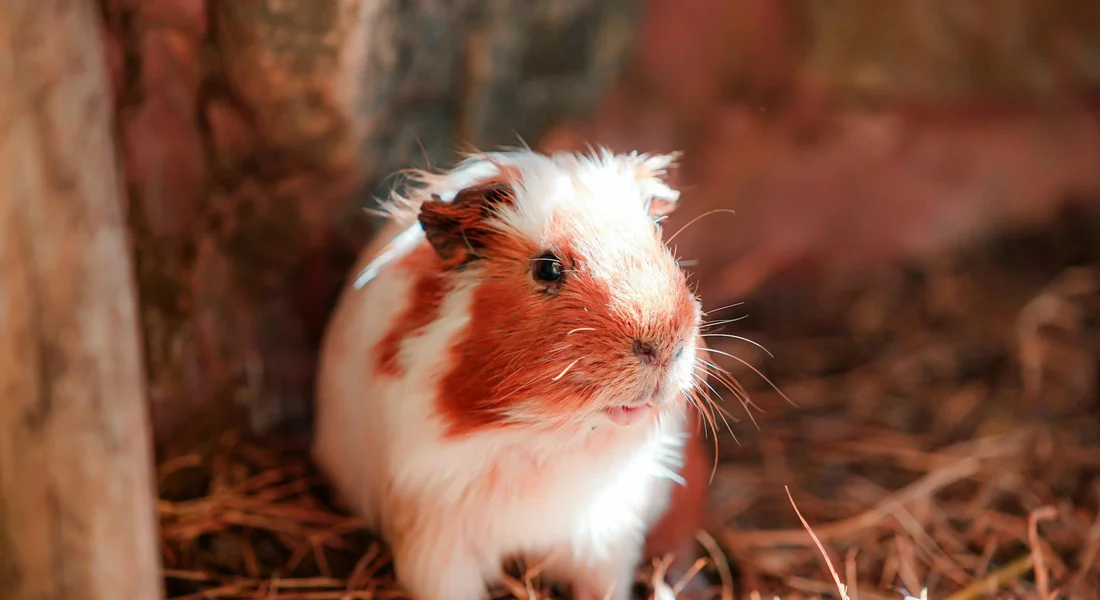
Choosing the wrong bedding can harm your guinea pigs’ health, so it’s vital to know what to steer clear of. I’ve learned from caring for Pepper, Clover, and Biscuit that even common bedding types can pose serious risks if not vetted properly. Always prioritize materials that support their well-being and avoid shortcuts that compromise safety. Bedding choices are one piece, but other cage placement mistakes can also affect their health and happiness. This ties into a broader guide on 8 cage placement mistakes that affect guinea pig health and happiness.
The Hidden Dangers of Cedar and Pine
Cedar and pine shavings are often marketed for small pets, but they’re among the most hazardous choices. These woods release natural oils and phenols that can cause respiratory distress in guinea pigs, leading to sneezing, wheezing, or long-term lung damage. When I first brought Biscuit home, I used pine bedding briefly and noticed she became lethargic and had watery eyes-switching to a safer option made her perk up almost overnight.
- Respiratory irritation: The strong scent can overwhelm their delicate lungs, similar to how smoke affects humans.
- Skin and eye problems: Oils may cause rashes or conjunctivitis, which I’ve seen in other pets at rescue centers.
- Liver toxicity: Over time, phenols can build up and harm internal organs, a risk not worth taking.
Opt for kiln-dried pine if you must use wood, as it reduces phenol levels, but I still avoid it to err on the side of caution. Your guinea pigs will breathe easier with alternatives like paper-based bedding.
Other Hazardous Substrates
Beyond cedar and pine, several substrates might seem harmless but can endanger your pets. I always check labels and test small amounts with my guinea pigs to watch for reactions, as even “natural” products can be tricky. Here’s a quick list of what to skip and why:
- Corn cob bedding: It molds easily when wet, posing a risk of fungal infections and digestive issues if ingested.
- Clay-based cat litters: These are too dusty and can clump in airways or cause blockages if eaten.
- Newspaper with colored ink: The dyes often contain heavy metals that are toxic over time-stick to plain, unprinted paper.
- Scented or deodorized beddings: Added chemicals can trigger allergies or respiratory problems, something I avoid for all my pets.
Regularly inspecting your guinea pigs’ habitat for dampness or mold is a simple habit that prevents big health scares. For Clover, who’s more sensitive, I use fleece liners that I wash frequently to keep things fresh and safe. Properly caring for guinea pigs involves more than just keeping their living area clean—it also includes regular health checks and a balanced diet.
How to Set Up the Perfect Bedding Layer
Getting the bedding layer right makes a huge difference in your guinea pig’s daily life. I’ve learned through trial and error with my own herd-Pepper, Clover, and Biscuit-that a well-prepared bedding setup can prevent health issues and keep your pets content. This is the foundation you build on when you set up a perfect guinea pig cage—getting the size, layout, and ventilation right. Let’s break down the key steps to create a cozy, safe environment they’ll love.
Finding the Right Bedding Depth
Bedding depth isn’t just about comfort; it affects how well waste is absorbed and how easily your guinea pigs can move around. Aim for a depth that allows natural behaviors like burrowing while keeping the cage clean and dry. For my guinea pigs, I stick to these guidelines based on their needs and personalities.
- Start with 2 to 3 inches of bedding for most setups. This depth works well for absorbent materials like paper-based bedding, which I use for Pepper since he’s gentle and doesn’t dig too much.
- Increase to 4 inches or more if you have active diggers or use fleece liners with an absorbent layer underneath. Clover, my Abyssinian, enjoys a bit more depth for her graceful explorations.
- Check for even distribution weekly to avoid thin spots. Uneven bedding can lead to damp areas that cause discomfort or skin problems. I spot-check Biscuit’s corner regularly because he’s reserved and might not show signs of distress right away.
From my experience, a deeper layer in high-traffic areas, like near food bowls, helps manage messes better. Adjust based on your guinea pig’s habits-observe how they interact with the bedding to fine-tune the depth.
Ensuring Proper Ventilation and Comfort
Good ventilation keeps the air fresh and prevents ammonia buildup from urine, which can harm your guinea pig’s respiratory system. Combine airflow with soft, breathable bedding to boost their comfort and well-being. Here’s how I maintain this balance for my trio.
- Choose bedding materials that allow air to circulate, such as aspen shavings or hemp. Avoid overly dense options that trap moisture and odors. I use aspen for Clover because it’s lightweight and doesn’t irritate her sensitive nature.
- Place the cage in a well-ventilated area away from drafts but with some air movement. This simple step reduces the risk of respiratory infections, which I’ve seen improve with proper placement.
- Fluff the bedding daily to prevent compaction. Compacted bedding loses its absorbency and can make the cage feel stuffy. I make it a habit to gently fluff Biscuit’s bedding each morning-he seems more at ease afterward.
- Mix in a layer of hay for extra comfort and nibbling. Hay adds texture and encourages natural foraging, keeping your guinea pigs engaged and happy. Pepper loves burrowing into fresh hay piles, which I change out every couple of days.
Regularly monitor the cage for any signs of dampness or odor, and adjust the bedding setup as needed. To know if your guinea pigs are happy, watch for energetic play, curiosity, and regular grooming. Happy guinea pigs are active, curious, and vocal. Your guinea pigs will thank you with lively chirps and healthy behavior!
Your Simple Bedding Maintenance Routine
A solid bedding routine keeps your guinea pigs healthy and happy, and I’ve fine-tuned mine over years with Pepper, Clover, and Biscuit. Consistent care prevents odors and supports their well-being, making cage time pleasant for everyone. This approach fits perfectly with the weekly guinea pig care routine ultimate checklist for owners. Keeping this schedule helps ensure nothing slips through the cracks.
The Art of Weekly Spot-Cleaning
Spot-cleaning is like a quick tidy-up that saves you from big messes later. I do this every few days to remove soiled areas before they build up, which cuts down on ammonia and keeps the air fresh. With gentle Pepper, I’ve learned that a calm approach makes her feel secure during cleanings.
Start by gathering a small scoop, a bag for waste, and perhaps a treat to reward your piggies. Focus on high-traffic spots where they eat or sleep, as these get dirty fastest. Here’s my go-to routine:
- Gently lift any hideys or toys to check underneath for damp bedding.
- Use a scoop to remove wet patches and droppings, aiming for daily checks in busy corners.
- Replace the removed bedding with a fresh handful to maintain depth and comfort.
- Wipe down food bowls and water bottles with a damp cloth to prevent bacteria growth.
Clover, my graceful Abyssinian, appreciates when I keep things quiet and swift. This habit reduces stress and helps you bond with your pets over time.
Performing a Full Bedding Change
A full change is essential every week or so, depending on your cage size and guinea pig number. I schedule mine on weekends when I can take my time, ensuring Biscuit’s long fur doesn’t trap old bedding. Fresh bedding means a healthier environment and fewer respiratory risks. This mirrors our complete schedule guide on how often you should clean a guinea pig cage. It breaks cleaning frequency down by cage size and pig count.
First, move your guinea pigs to a safe, temporary space with hay and water. Empty the entire cage, scrubbing surfaces with a vinegar-water mix to disinfect without harsh chemicals. This is the start of a complete guinea pig hygiene cleaning routine. Regular, thorough cleaning helps keep your pets healthy. Follow these steps for a smooth process:
- Remove all bedding and debris, composting plant-based types if possible.
- Wash the cage base with warm, soapy water, then rinse and dry thoroughly.
- Add a new layer of bedding, about 2-3 inches deep, for burrowing and insulation.
- Rearrange toys and hideys to stimulate curiosity and prevent boredom.
After changes, I watch how my piggies explore-Pepper’s steady nature means she adapts quickly, while Biscuit needs extra patience. Regular full swaps extend bedding life and support animal welfare by minimizing exposure to waste.
Exploring Alternative and DIY Bedding Ideas
Is Hemp Bedding a Good Fit?
Hemp bedding has become a popular choice, and after trying it with my own herd, I see why. It’s incredibly absorbent, locking in moisture far better than many wood shavings I’ve used over the years. This means you can often go a little longer between full cage cleanings, which is a welcome relief for any busy pet parent.
One of its biggest selling points for me is the dust control. My guinea pig Biscuit, who is a bit reserved, used to sneeze frequently with other beddings. Switching to a low-dust hemp product made a noticeable difference in her comfort and respiratory health almost immediately. It’s a relief knowing they aren’t breathing in irritating particles.
But it’s not a perfect solution. The texture can be a bit coarse, and I’ve noticed my more graceful pig, Clover, sometimes gets small pieces stuck in her long fur. You’ll also find that hemp bedding tends to be more expensive upfront than some other options, so it’s a balance between cost and the benefits it provides.
Creative and Chew-Safe Homemade Options
Getting creative with bedding can be rewarding and budget-friendly. My steady guinea pig, Pepper, loves to explore new textures, and homemade options have been a hit. The key is always safety, ensuring anything you put in the cage is non-toxic and won’t cause harm if ingested. Guinea pigs will chew on everything, so your materials must be chosen with care. For beginners, this ties into the best cage setup guide—think a roomy enclosure with safe, non-toxic bedding and easy-cleaning options. A good starter guide covers sizing, layout, and materials to keep Pepper comfortable and safe.
Here are a few chew-safe ideas I’ve personally tested with my trio:
- Fleece Liners: I sew my own using absorbent U-haul padding sandwiched between two layers of anti-pill fleece. This is a reusable system that saves money in the long run and is wonderfully soft on their tiny feet. You just need to spot-clean daily and wash the liners weekly.
- Shredded Paper Bedding: Use only plain, non-glossy paper like unprinted newsprint or paper from a shredder. Avoid any paper with inks, dyes, or adhesives, as these can be toxic if your piggies decide to have a snack. This is a great way to recycle!
- Hay on Top: I always layer a thick pile of their favorite timothy or orchard hay right on top of whatever bedding I’m using. This encourages natural foraging behavior and provides a safe, edible material for them to munch and burrow in all day long.
When I set up a new DIY bedding area, I watch my pigs closely for the first day. Observing their behavior is the best way to know if a new bedding material is comfortable and safe for your unique pets. If they are popcorning and exploring happily, you’ve likely found a winner.
FAQs
Where can I find safe guinea pig bedding on Amazon?
You can purchase a variety of safe bedding options like paper-based or aspen shavings on Amazon by searching for dust-free and unscented products. Always read customer reviews and product descriptions to verify it meets health standards for your pet.
What guinea pig bedding types are typically available at Walmart?
Walmart often stocks paper-based bedding and aspen shavings that are safe for guinea pigs, but avoid any cedar or pine varieties. Check the pet care aisle and look for labels specifying low-dust and chemical-free materials to ensure safety.
How can I locate guinea pig bedding suppliers near me?
Use online search tools or pet store locators by entering “guinea pig bedding near me” to find local pet shops or farm supply stores. Call ahead to confirm they carry safe options like fleece liners or paper bedding to save time.
Is buying guinea pig bedding in bulk a good idea?
Purchasing bedding in bulk can be cost-effective and convenient for frequent cage changes, especially with materials like paper-based or aspen shavings. Ensure you have dry storage space to prevent mold and maintain freshness over time.
Are bedding pellets safe and effective for guinea pigs?
Paper or aspen pellets can be safe if they are dust-free and unscented, offering good absorbency and odor control. However, monitor your guinea pig’s comfort, as some may find the firm texture less soft for burrowing and movement.
Your Guinea Pig’s Happy, Healthy Home Awaits
From my time caring for Pepper, Clover, and Biscuit, I’ve found that selecting dust-free, absorbent bedding like paper-based or fleece liners keeps your guinea pigs breathing easy and cozy. Air quality matters for guinea pigs—their lungs are sensitive to household scents and cleaners. Opt for unscented cleaners and good ventilation. Regular spot-cleaning and full changes prevent odors and health issues, making their space a true sanctuary.
Always stay curious about new, sustainable options that protect both your pets and the planet. Your commitment to learning and eco-friendly choices shows how much you value their well-being and our shared environment.
Further Reading & Sources
- The Best Bedding for Guinea Pigs (2024 Update!) | GuineaDad
- Selecting the best bedding for guinea pigs for ultimate comfort and odor control
- Guinea Pig Resources
- The Best Bedding for Guinea Pig Cages
Kate is a passionate guinea pig owner and advocate for small pet welfare. With over a decade of experience caring for guinea pigs, she has become a trusted voice in the small pet community.
Uncategorized