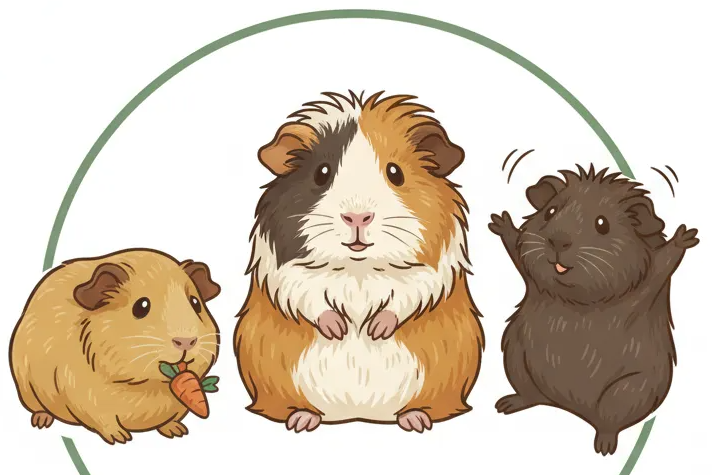
8 Cage Placement Mistakes That Harm Guinea Pig Health
Published on: February 27, 2026 | Last Updated: February 27, 2026
Written By: Kate M. Callahan
Hello CavyFam! Ever wonder if your guinea pig’s home is truly set up for their well-being? I’ve learned through trial and error with my own herd that cage placement is more critical than most owners realize.
Today, we’re covering temperature fluctuations, drafty spots, direct sunlight, high-traffic areas, isolation, proximity to predators, loud noises, and poor air quality. Having cared for guinea pigs like gentle Pepper and graceful Clover for years, I’ve seen firsthand how the right environment transforms their health and happiness.
Poor Lighting in Your Guinea Pig’s Enclosure Location
Placing your guinea pig’s cage in a dim corner seems cozy, but it can seriously impact their health. Guinea pigs, like my gentle Pepper, rely on proper light cycles to regulate their sleep, appetite, and overall vitality.
Dark or poorly lit spots introduce several health risks. Vitamin D deficiency is a major concern, as it hinders calcium absorption, leading to weak bones and teeth. A lack of consistent light can disrupt their circadian rhythm, causing stress and irregular eating habits. Poor lighting also contributes to lethargy and can worsen existing health issues, making recovery slower.
Fixing this is straightforward. Move the cage to an area with plenty of indirect natural light, like across the room from a window. I keep Clover and Biscuit’s enclosure in a bright room but never in the path of direct sunbeams, which can overheat them dangerously. For rooms with limited windows, use full-spectrum artificial lights set on a timer to mimic a natural day-night cycle, ensuring they get 10-12 hours of light daily.
Here is a quick checklist for ideal lighting conditions:
- Bright, indirect natural light for most of the day
- No direct sunlight hitting the cage at any time
- Consistent daily light duration of 10-12 hours
- Use of a timer with artificial lights to maintain schedule
- Observation of active, alert behavior during daylight hours
Drafts and Ventilation Issues Near Doors and Windows
- Explain problems with cold drafts and poor air flow affecting respiratory health.
Guinea pigs are very sensitive to temperature changes. Cold drafts from doors or windows can quickly lead to respiratory infections, which are common and dangerous for these small pets. Conversely, poor air circulation in a stagnant room allows ammonia from urine to build up, irritating their lungs and eyes. Air quality in the home matters—household scents and cleaning chemicals can irritate guinea pigs’ airways. Opt for unscented products and good ventilation to protect their delicate lungs. My thoughtful Clover once showed signs of sneezing when her cage was too close to a frequently opened patio door, a clear sign the location was problematic.
- List steps to check for drafts: feel for air movement, monitor room temperature.
To ensure your guinea pig’s spot is draft-free, start by placing your hand near the cage location at different times to feel for cool air currents. Keep a room thermometer nearby to maintain a stable temperature between 65°F and 75°F, the ideal range for guinea pig comfort. Watch for behavioral clues like huddling in one corner or excessive sneezing, which can indicate draft issues. As part of a seasonal care checklist, prep for spring, summer, fall, and winter by adjusting bedding, airflow, and temperatures to keep your guinea pig comfy year-round.
- Offer solutions like relocating cage away from vents or using barriers.
If you detect drafts, relocate the cage to an interior wall away from doors, windows, and air vents. For persistent airflow problems, I’ve used a simple cardboard barrier along the lower part of the cage to block drafts while still allowing proper ventilation from above. Regularly air out the room by opening windows briefly when your pets are in a safe, temporary location, ensuring fresh air without direct exposure.
Ignoring Room Temperature and Heat Sources
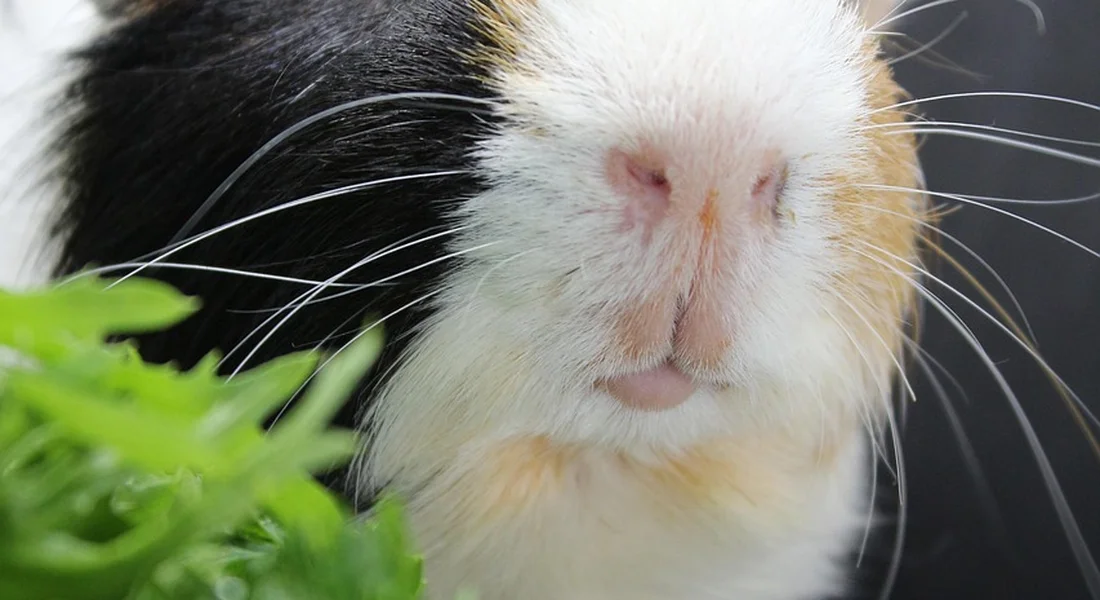
Guinea pigs are surprisingly sensitive to temperature shifts, and getting this wrong can have serious health consequences. Their ideal environment is a stable 65° to 75°F (18° to 24°C), which keeps them comfortable and prevents dangerous conditions like heatstroke or hypothermia. I learned this the hard way when Pepper became lethargic one summer afternoon; her cage was just a bit too close to a sun-warmed window. Temperature and heating needs for guinea pigs must be adhered to for their well-being.
Direct heat sources are a major hazard. Placing a cage near a radiator, fireplace, or even a heating vent can quickly lead to overheating and fatal heatstroke. On the flip side, a drafty corner, a cold basement floor, or a damp area like a laundry room can plunge them into hypothermia. Their little bodies work hard to regulate temperature, and extreme environments make that impossible.
- Use a simple digital thermometer placed near the cage to monitor the temperature daily.
- During summer, keep the cage away from direct sunlight and use fans to circulate air, never pointing directly at the cage.
- In winter, ensure the cage is on an insulated surface, like a stand or a thick rug, and consider a safe, pet-proof heating pad placed under only one section of the cage for them to choose to use.
- Always provide plenty of fresh, cool water and ample hay, which helps them generate body heat naturally when it’s cooler.
High Noise and Foot Traffic Stressing Your Pet
-
Constant loud noise from televisions, stereos, or high-activity family areas creates a state of chronic stress for guinea pigs. This isn’t just about them being startled; prolonged stress weakens their immune systems, making them far more susceptible to respiratory infections and other illnesses. I noticed Biscuit would stop eating whenever the vacuum cleaner ran, which was my first clue. You can tell if a guinea pig is stressed by behavioral cues like hiding, reduced eating, or a tense posture. Watching for these signs alongside changes in vocalization or grooming can help you gauge their anxiety.
-
Watch for clear signs that your pet is overwhelmed. A stressed guinea pig will hide constantly, have a noticeably reduced appetite, or may even start chattering its teeth aggressively. You might also see them freezing in place for long periods or jumping at the smallest sound. Guinea pigs are quite sensitive to loud noises and can react with sudden movements or chattering. Clover, my most thoughtful pig, would simply sit in her hut all day if her cage was in a noisy spot.
-
Choose a location that offers a peaceful retreat. Ideal spots are quiet home offices, a calm corner of a bedroom, or a low-traffic family room that isn’t the main pathway. The goal is a place where they can observe household happenings without being in the middle of the chaos, allowing them to feel secure and part of the family without the constant stress.
Safety Hazards from Other Pets and Predator Risk
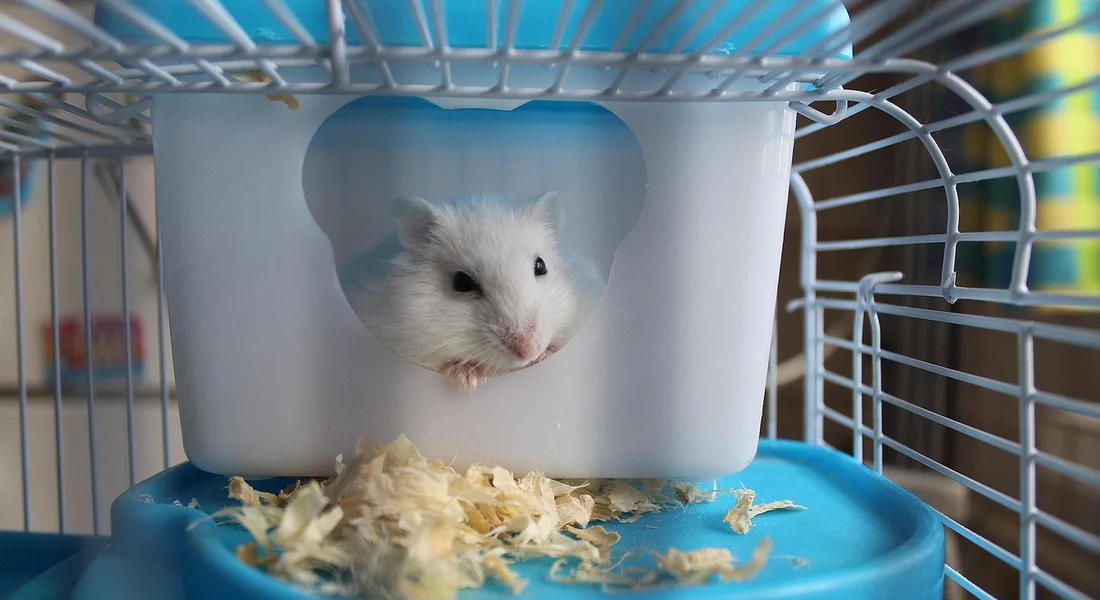
Placing your guinea pig’s cage where cats or dogs can easily reach it is a serious mistake. Even a friendly, curious pet can cause immense stress or accidental injury to your small animals. I learned this the hard way when my calm dog would constantly stare at Pepper, making him too anxious to eat properly. Proper care of guinea pigs means giving them a safe, quiet space away from cats and dogs. Regular cleaning, fresh hay, and gentle handling are essential parts of that care.
- Always position the cage in an elevated spot, like on a sturdy table or stand, well out of leaping range.
- Ensure the enclosure has a secure, locking lid that cannot be nudged open by a determined paw or nose.
- Use only safe, non-toxic materials for the cage itself, avoiding any flimsy plastics or weak fasteners that could be chewed or broken through.
An escape-proof home is a non-negotiable for their safety. Reducing predator stress isn’t just about physical safety; it’s about giving your pets the peace of mind to behave naturally. Clover used to freeze for minutes at a time whenever she sensed movement from another room until I moved her cage to a more secure location.
Lack of Enrichment and Poor Accessibility in Cage Setup
- Explain why clutter or empty spaces lead to boredom and health issues. A barren cage is a sad cage, leading to depression and lethargy. Conversely, too much clutter without clear pathways can prevent natural exercise and foraging behaviors. I noticed Biscuit became much more active and vocal once I found the right balance for her.
- List essential items: hiding spots, chew toys, and clean bedding. Your guinea pigs need cozy hideouts to feel secure, safe chew toys to maintain dental health, and a deep layer of absorbent, soft bedding for comfort and burrowing. I always provide at least two hideaways per pig to prevent squabbles.
- Offer steps for easy cleaning access and maximizing enrichment space. First, choose a cage with wide doors for easy reach. Arrange items along the edges to create a central “runway” for popcorning. Finally, use vertical space with safe, low ramps and platforms to increase the usable area without sacrificing your ability to clean thoroughly.
Creating an engaging environment is one of the most rewarding parts of guinea pig care. A well-set-up cage encourages natural behaviors, which is the very heart of a happy and healthy pet. Watching my trio explore a new tunnel or munch on a hay-filled toy never gets old. That begins with building and setting up the perfect guinea pig cage. A thoughtful layout gives them room to explore and relax.
FAQs
What is the ideal location for a guinea pig cage in a small apartment?
Choose a quiet, low-traffic spot with stable temperature and indirect natural light. Ensure it’s away from kitchens or bathrooms to avoid sudden heat, odors, or humidity changes.
Can I use air purifiers or humidifiers near my guinea pig’s cage?
Air purifiers can improve air quality if placed at a distance to avoid direct airflow and noise stress. Use humidifiers sparingly to maintain 40-60% humidity without creating damp conditions that harm respiratory health.
How does cage height from the floor impact guinea pig health?
Elevating the cage on a stand can reduce draft exposure and make cleaning easier. Keep it at a comfortable height to prevent falls and allow your guinea pig to feel secure without isolation. For more tips on creating a safe and cozy environment, check out our beginners guide to cage setup.
Your Guinea Pig’s Path to a Perfect Home
Based on my years caring for guinea pigs like Pepper and Clover, avoiding placement errors such as drafts or loud spots safeguards their health and happiness. A well-chosen cage location reduces stress and encourages natural behaviors for a content pet. If aggression in the cage appears, spotting the signs early helps you stop it. I’ll share quick tips on what to look for and how to intervene.
Commit to ongoing education about guinea pig needs to ensure you provide the best care possible. Choosing eco-friendly options, like biodegradable bedding, benefits both your pets and our planet in the long run. For a deeper look, our ultimate guide to bedding options for guinea pigs explains which materials are safest and how to minimize dust and odors. It also offers practical setup tips for a comfy, healthy habitat.
Further Reading & Sources
- Guinea pig housing requirements and bedding options | Humane World for Animals
- How to Choose the Best Place for a Guinea Pig Cage | Chewy
- How to Set Up a Guinea Pig Cage: Layout Ideas & Tips
- Setting Up and Decorating Your Guinea Pig Cage | PetMD
Kate is a passionate guinea pig owner and advocate for small pet welfare. With over a decade of experience caring for guinea pigs, she has become a trusted voice in the small pet community.
Uncategorized