Complete Guinea Pig Hygiene and Cleaning Routine
Published on: December 24, 2025 | Last Updated: December 24, 2025
Written By: Kate M. Callahan
Hello CavyFam! Is your guinea pig’s habitat feeling less than fresh, leaving you worried about their health and happiness? A solid cleaning routine is your best friend for keeping those worries at bay.
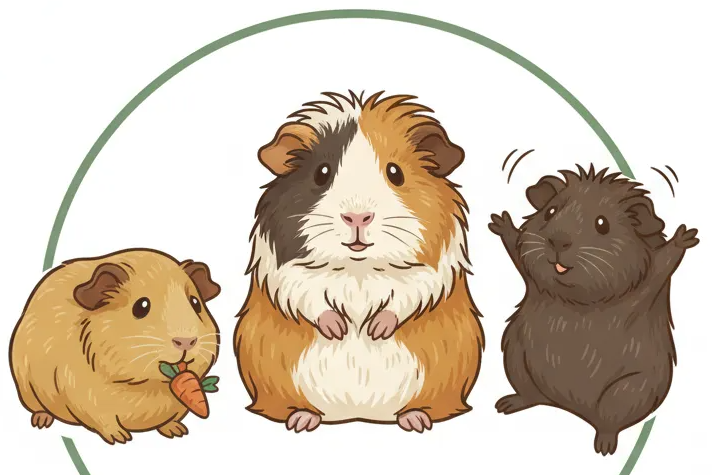
In this guide, we’ll cover daily spot cleaning, weekly deep cleans, safe grooming techniques, and smart odor control. I’ve perfected this routine through daily life with my own three guinea pigs-Pepper, Clover, and Biscuit.
Understanding Guinea Pig Hygiene Basics
Regular hygiene keeps your guinea pigs healthy and happy. I learned this the hard way with Clover, my graceful Abyssinian, when I skipped a week of checks and found her ears had a bit of wax buildup that could have led to an infection. Pepper, my gentle American guinea pig, once had a minor skin issue from overlooked coat mats, but daily attention now keeps him thriving.
Guinea pigs groom themselves, but they rely on you for tricky spots. Their self-cleaning habits are impressive, but areas like nails and deep ear folds need your help to prevent health problems. This teamwork ensures they stay comfortable and avoid common issues like overgrown nails or dirty ears.
- Daily checkpoints: Look for smooth coat texture, clear eyes without discharge, and general alertness.
- Weekly checkpoints: Inspect ear cleanliness for no debris, assess nail length to avoid curling, and feel for any skin bumps or hair loss.
Grooming Your Guinea Pig: A Step-by-Step Guide
Brushing varies by coat type to prevent mats and stress. For Biscuit’s long Peruvian fur, I use a wide-tooth comb daily to gently detangle without pulling, as his reserved nature means he appreciates slow, patient sessions. Clover’s Abyssinian curls need a soft-bristle brush twice a week to maintain their shape and avoid knots, matching her thoughtful personality.
- Brush according to coat: Short-haired breeds like Pepper need weekly brushing with a soft brush; long-haired ones like Biscuit require daily care to prevent mats.
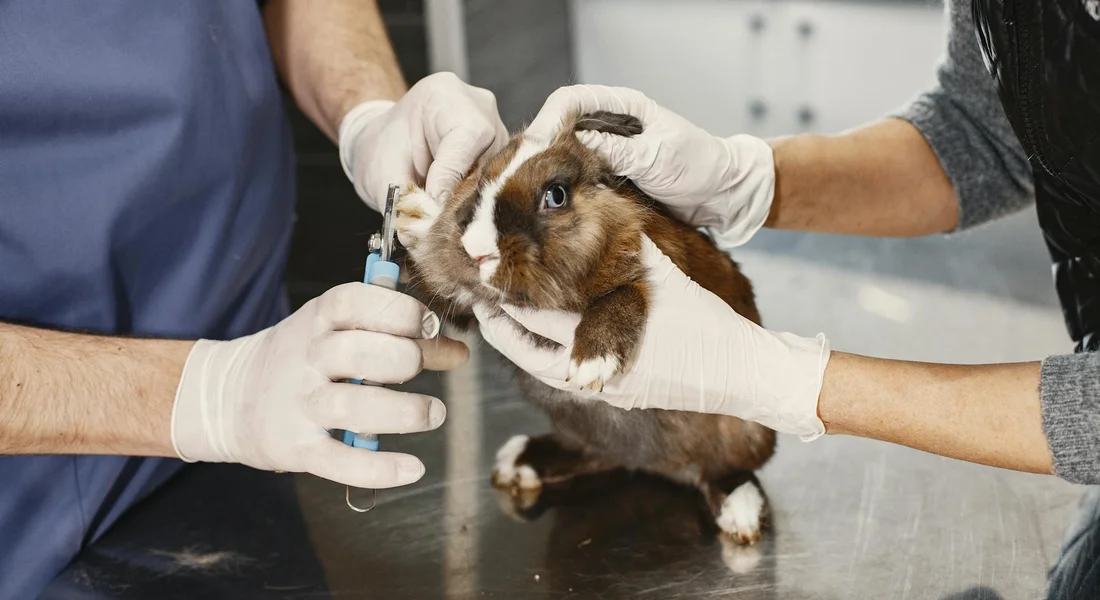
- Trim nails every 4-6 weeks: Hold your guinea pig securely, use pet nail clippers, and only cut the clear tip to avoid the quick-if you’re unsure, ask a vet for a demo.
- Check ears and eyes weekly: Ears should be pink and clean; eyes must be bright with no crust or redness-any debris signals a vet visit.
- Spot skin issues during grooming: Look for redness, flaking, or hair loss, which could indicate mites or allergies, and act quickly if you see changes.
Nail trimming can be nerve-wracking, but practice makes it easier. I always give Pepper a treat afterward to build positive associations, and his steady demeanor helps us both stay calm. Regular grooming not only keeps them looking great but strengthens your bond through gentle, consistent care.
Bathing Your Guinea Pig: When and How to Do It Safely
Let’s clear up a big myth right away: guinea pigs cannot swim, and forcing them into water is terrifying and dangerous for them. Bathing should be a rare event, reserved only for specific situations, not a regular part of their grooming. My own guinea pig, Biscuit, once got a bit of ointment on her fur from a vet visit, and that was the only reason for a bath in her entire year with me. Proper grooming for guinea pigs typically involves just nail trimming and fur brushing.
When a Bath Might Actually Be Necessary
- Your guinea pig has a medical condition, like a fungal infection, and your veterinarian has prescribed a medicated shampoo.
- Their rear end or belly fur becomes chronically soiled with urine or feces, which can happen with older or long-haired pigs like my Peruvian, Biscuit.
- They get something sticky, toxic, or smelly on their coat that spot cleaning can’t handle.
For routine cleanliness, a guinea pig’s own fastidious grooming habits are almost always enough. Pepper, my American, keeps himself impeccably clean with daily self-grooming sessions.
Your Step-by-Step Guide to a Stress-Free Bath
- Gather Your Supplies: Have a small plastic tub, a towel, a cup for rinsing, and a guinea pig-specific shampoo ready before you even pick up your pet.
- Prepare the Water: Fill the tub with just 1-2 inches of lukewarm water. Test it on your wrist; it should feel warm, not hot.
- Secure Your Pet: Gently lower your guinea pig into the water, supporting their entire body. Speak to them in a calm, reassuring voice throughout.
- Shampoo and Rinse: Apply a tiny drop of shampoo, lather gently on the soiled area, and use the cup to rinse thoroughly until the water runs clear. Avoid their face, eyes, and ears completely.
- Dry Immediately and Completely: Wrap them in a dry, absorbent towel and gently pat them dry. I always follow up by holding Clover, my Abyssinian, in a second, dry towel on my lap until she is fully dry to the skin to prevent chills.
A complete and gentle drying is non-negotiable to prevent respiratory illnesses. Never use a human hairdryer, as the heat and noise are far too intense for them.
Gentle Alternatives to a Full Water Bath
- For small, dirty patches, use a soft cloth dampened with warm water to gently wipe the area.
- Pet-safe grooming wipes are a fantastic quick fix for muddy feet or a dirty chin.
- A soft-bristled toothbrush can help loosen and remove dried-on debris from long fur.
Spot cleaning is almost always the safer, less stressful choice for both you and your guinea pig. It respects their natural aversion to water and gets the job done for most minor messes. For ears and nose, gently wipe the outer ear and nostril areas with a warm, damp cloth—never insert anything into the ear canal or nostrils. If you notice redness, discharge, or unusual odor, consult a veterinarian.
Cleaning the Guinea Pig Cage for Optimal Health
Keeping your guinea pigs’ home clean is one of the most direct ways you show them you care. A hygienic habitat is your first line of defense against illness and stress for your small herd. Let me walk you through the routine that has kept my trio – Pepper, Clover, and Biscuit – happy and healthy for years. Check out this weekly guinea pig care routine to make sure you’re not missing any crucial steps.
Your Daily and Weekly Cleaning Schedule
Think of cleaning in two layers: a quick daily tidy-up and a thorough weekly reset. The size of your cage and the number of pigs you have will dictate the intensity.
- Daily Spot Cleaning (5-10 minutes)
- Every morning, I scoop out soiled bedding, particularly from the corners they favor.
- Remove any uneaten fresh veggies to prevent rot.
- For a pair in a standard cage, this is a swift task. With my three, it takes a few extra minutes to check all their favorite nap spots.
- Weekly Deep Clean (30-60 minutes)
- Completely remove and replace all bedding.
- Wipe down all plastic surfaces, hideys, and ramps.
- A larger cage or more pigs means you might need to do this every 5-6 days. I found that with three, a full week was pushing it for odor control.
Choosing the Right Bedding for a Fresh Home
Bedding is not just about comfort; it’s your main tool for managing moisture and smell. I’ve tried nearly every type over the years.
- Paper-Based Bedding: This is my go-to for Pepper, Clover, and Biscuit. It’s highly absorbent and controls odor well. It’s also dust-free, which is crucial for their sensitive respiratory systems. The downside is that you go through it quickly with multiple pigs.
- Fleece Liners: I used these for a while and loved how soft they were. They are reusable and cost-effective over time. However, you must spot-clean them multiple times a day and wash them with unscented detergent weekly. For a busy household, this was too high-maintenance for me.
- Aspen Shavings: Avoid cedar or pine, as the phenols are harmful. Aspen is a safe wood option, but I found it less absorbent than paper and a bit messier as they kicked it out of the cage.
Safe Disinfecting and The Power of Air Flow
Killing germs is important, but doing it safely is non-negotiable.
- Remove your guinea pigs and place them in a secure playpen.
- Use a pet-safe disinfectant or a 50/50 solution of white vinegar and water. I personally use the vinegar mix for weekly cleans. Vinegar is a natural disinfectant that breaks down urine crystals effectively without harsh chemicals.
- Spray all surfaces, let it sit for 5-10 minutes, then scrub and rinse thoroughly. No residue should remain.
- While the cage air-dries completely, ensure the room is well-ventilated. Open a window or use a fan. Proper ventilation prevents the buildup of ammonia from urine, protecting their delicate lungs.
Keeping Food and Water Sources Pristine
Dirty dishes are a fast track to mold and bacteria, which can make your pigs very sick.
- Food Bowls: I wash their ceramic bowls with hot, soapy water every single day. Ceramic is best because it’s too heavy to tip over and easy to clean thoroughly.
- Water Bottles: This is critical! Empty, rinse, and refill the bottle with fresh water daily. Once a week, take it apart and clean the spout and interior with a bottle brush to remove any slimy biofilm. A clean water bottle is your best defense against your guinea pigs ingesting harmful bacteria.
- Hay Racks: Shake out the rack daily to remove dust and old, stale hay. Once a week, give it the same disinfecting scrub as the rest of the cage to prevent mold spores from taking hold.
Spotting Signs of Poor Hygiene and Health Issues
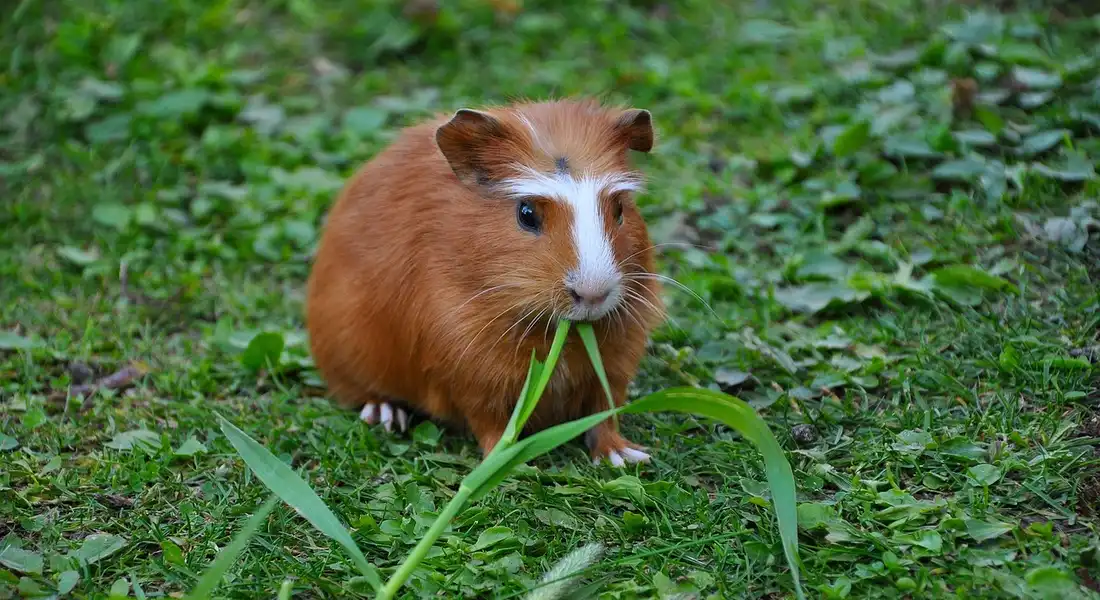
Keeping a close eye on your guinea pig’s daily condition is one of the most caring things you can do as a pet owner. Catching small issues early can prevent them from becoming major health crises. For health checks, learn how to safely handle your guinea pig to keep them calm and avoid injuries. Gently support their chest and hindquarters and keep them close to your body during inspections.
Visual and Behavioral Red Flags
Your guinea pig will show you when something is wrong, but you have to know what to look for.
- Matted or Stained Fur: Especially around their back end, which can indicate they are sitting in their own waste and not grooming properly.
- Overgrown Nails: Nails that curl or make walking difficult are a clear sign of neglect. I check my pigs’ nails every weekend during cuddle time.
- Lethargy or Hiding: A guinea pig that suddenly stops popcorning, refuses treats, or hides constantly is signaling distress.
- Crusty Eyes or Nose: Discharge can point to a respiratory infection, often worsened by a dusty or dirty habitat.
- Weight Loss: You might feel their spine or hip bones more prominently if they aren’t eating well due to discomfort.
How Poor Hygiene Leads to Skin Infections
A damp or soiled living environment is the perfect breeding ground for bacteria and fungi. I learned this the hard way with my Abyssinian, Clover.
Her beautiful, whorled fur trapped moisture against her skin after she would pee in a favorite corner of her hidey. Before I realized it, she had developed a small, red, irritated patch. It was a classic case of a superficial skin infection starting because her fur wasn’t staying clean and dry.
We had to get a special shampoo from the vet and be extra vigilant about spot-cleaning her cage. Long-haired breeds like my Peruvian, Biscuit, are even more prone to this. Regular grooming and a consistently clean cage are your best defense against these painful skin conditions.
When to Seek Veterinary Care
Never hesitate to contact your vet if you are concerned. Guinea pigs are prey animals and excel at hiding illness until it’s advanced. When you bring your new guinea pig home, schedule its first veterinary check-up. This visit helps ensure early detection and establishes a care plan.
- Persistent Odor: A foul smell that doesn’t go away after a full cage cleaning can indicate an infection or dental issues.
- Visible Sores or Bald Patches: This could be mites, ringworm, or a serious bacterial infection that needs prescription treatment.
- Labored Breathing or Wheezing: This is an emergency, often related to ammonia buildup from dirty bedding.
- Refusal to Eat or Drink: A guinea pig that stops eating can deteriorate very quickly and needs immediate professional help.
Trust your gut. You know your pet better than anyone. A quick vet visit for a hygiene-related concern is always better than a prolonged, expensive treatment for a full-blown illness.
Handling Your Guinea Pig During Cleaning Routines
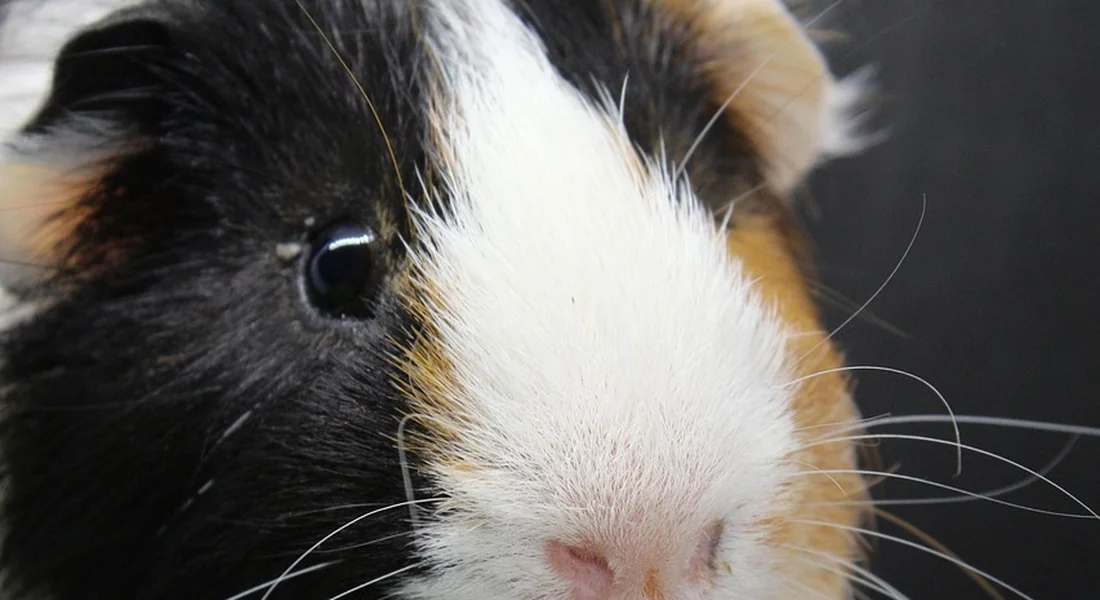
When I handle Biscuit, my shy Peruvian guinea pig, I always start with a small treat like a slice of bell pepper to ease her into the routine. This simple gesture builds trust and turns a potentially stressful moment into a positive interaction for both of us. Gently scoop her up with both hands, supporting her whole body to prevent any sudden movements that might startle her.
Acclimating guinea pigs to grooming tools requires patience and gradual exposure. I let Clover sniff her brush for a few minutes each day before I ever use it, which helped her see it as a normal part of her environment. Follow these steps to make introductions smoother:
- Place the grooming tool near their cage for short periods so they can investigate safely.
- Reward them with a favorite veggie, like a piece of carrot, whenever they show curiosity without fear.
- Slowly incorporate light touches with the tool during calm moments, always stopping if they seem uneasy.
Creating a calm environment is key to keeping your guinea pig relaxed. I clean Pepper and the others in a quiet room with soft lighting, which minimizes distractions and helps them feel secure. Avoid loud noises or sudden movements by closing doors and turning off background music or TVs during your cleaning sessions.
Essential Supplies for a Hygienic Guinea Pig Environment

-
Grooming Tools: Brushes, Nail Clippers, and Pet-Safe Shampoos
A well-groomed guinea pig is a healthy and happy one. Regular grooming prevents painful mats, reduces shedding around your home, and strengthens your bond with your pet. For my three, I keep a small kit handy. It’s not just about the fur—it plays a role in understanding guinea pig grooming behaviors and social bonding.
- Brushes: A soft-bristle brush works wonders for short-haired pigs like Pepper. For my long-haired Peruvian, Biscuit, a wide-toothed comb is essential to gently untangle his beautiful fur without pulling.
- Nail Clippers: Use small, scissor-style clippers designed for small animals. Human nail clippers can split their delicate nails. I check Pepper, Clover, and Biscuit’s nails every two weeks-they grow surprisingly fast!
- Pet-Safe Shampoos: Only bathe your guinea pig if they get into something messy. I use a tearless, small animal shampoo. A little goes a long way, and I always make sure they are completely dry and warm afterward.
-
Cage Cleaning Supplies: Bedding, Disinfectants, and Litter Trays
A clean cage is the foundation of good health. The right supplies make weekly deep cleans efficient and effective, creating a fresh space for your pets to thrive. I’ve found a system that keeps my trio’s home smelling pleasant.
- Bedding: I prefer paper-based bedding for its high absorbency and softness. Aspen wood shavings are another good option. Avoid cedar or pine, as the strong fumes can irritate their sensitive respiratory systems.
- Disinfectants: A simple 50/50 mix of white vinegar and water is my go-to for wiping down the cage base and plastic hideouts. For a deeper clean, I occasionally use a commercial small animal cage cleaner, ensuring it’s fully rinsed and dried.
- Litter Trays: Guinea pigs often pick a corner as their bathroom. Placing a small, low-sided litter tray filled with a different type of bedding, like paper pellet litter, in that spot can help contain messes and simplify daily spot cleaning.
-
Dietary Items for Dental Hygiene: Hay and Pellets
Good hygiene starts from the inside out, especially for their teeth. A proper diet is the most natural and effective way to manage your guinea pig’s constantly growing teeth. Watching my three munch away is a daily joy.
- Hay: Unlimited, high-quality Timothy hay should make up about 80% of their diet. The constant chewing grinds their teeth down naturally. I offer a mix of first and second cut hay to keep things interesting for their palates.
- Pellets: Look for plain, Timothy hay-based pellets fortified with Vitamin C. I give my pigs a measured quarter cup each per day. My personal recommendation is Oxbow Garden Select-it’s a brand I’ve trusted for years with all my pets.
-
Optional Items for Odor Control and Comfort
These extras aren’t strictly necessary, but they elevate your guinea pig’s quality of life. Small additions can dramatically reduce cage odor and provide your pets with a greater sense of security and enrichment. My pigs adore their little upgrades.
- Hay Racks: A hay rack keeps their main food source clean, dry, and off the soiled cage floor. This simple change significantly cuts down on waste and keeps their eating area much tidier.
- Hideouts: Every guinea pig needs a safe place to retreat. I have multiple hideouts-wooden huts, fleece forests, and even simple cardboard boxes. This prevents squabbles and gives each pig, especially the more reserved Biscuit, their own cozy space.
- Odor Absorbers: A small, pet-safe odor absorber placed near (but not inside) the cage can help manage ambient smells between cleanings. A simple box of baking soda on a nearby shelf works well for this purpose.
FAQs
How to clean a guinea pig’s eyes?
Use a soft, damp cloth to gently wipe away any discharge from the corners of the eyes, moving from the inner to outer edge. Avoid touching the eyeball directly, and consult a veterinarian if you notice persistent crust, redness, or swelling.
Are guinea pigs prone to skin infections from poor hygiene?
Yes, guinea pigs are susceptible to skin infections if kept in dirty or damp environments, as bacteria and fungi can thrive. Regular grooming and maintaining a clean, dry cage are key to preventing these issues and keeping their skin healthy.
What supplies are needed for guinea pig grooming?
Essential grooming supplies include a soft-bristle brush for short-haired breeds or a wide-tooth comb for long-haired ones, along with small animal nail clippers. You may also need pet-safe shampoo for rare baths and a towel for drying after any cleaning.
How to spot skin problems while grooming?
While grooming, look for signs like redness, flaking, bald patches, or unusual bumps on the skin. If you observe any of these symptoms, seek veterinary advice promptly to address potential mites, allergies, or infections.
Can guinea pigs swim?
No, guinea pigs cannot swim and should never be forced into water, as it can cause extreme stress and drowning risks. Bathing should only occur in shallow, lukewarm water for specific medical or cleaning needs under careful supervision. See the guinea pigs get wet water safety guide for more on reducing water exposure. It emphasizes safe handling and thorough drying after any moisture.
Your Guinea Pig’s Happy, Healthy Future
From my time with Pepper, Clover, and Biscuit, I’ve learned that sticking to daily spot cleans and weekly deep cleans keeps your guinea pigs thriving. Consistent hygiene routines build trust and prevent common health issues like respiratory infections.
Embrace your role as a pet owner by always seeking eco-friendly options and learning new care techniques. Your dedication to continuous improvement makes a real difference in your guinea pig’s well-being and our planet’s health.
Further Reading & Sources
- The best cleaning routine for guinea pigs – GuineaDad
- Guinea Pig Essential Care Guide
- CARE AND HYGIENE OF THE GUINEA PIG
- Should You Bathe Your Guinea Pig? A Quick Guide to Guinea Pig Hygiene | PetGuide
Kate is a passionate guinea pig owner and advocate for small pet welfare. With over a decade of experience caring for guinea pigs, she has become a trusted voice in the small pet community.
Uncategorized