Essential Guinea Pig Grooming Tools and Supplies Checklist
Published on: January 28, 2026 | Last Updated: January 28, 2026
Written By: Kate M. Callahan
Hello CavyFam! Does grooming your guinea pig feel confusing with all the product choices out there? You might worry about missing key items that keep your pet safe and cozy during care sessions.
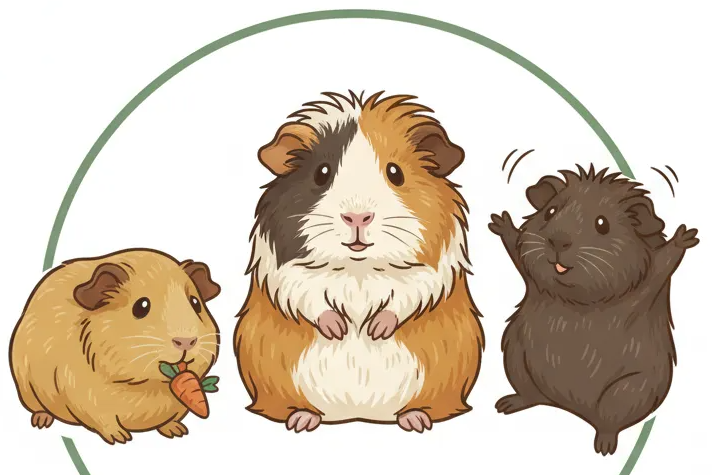
I will walk you through the must-have supplies, covering brushes, nail clippers, shampoos, combs, and grooming accessories. With years of hands-on experience caring for guinea pigs like gentle Pepper, graceful Clover, and reserved Biscuit, I share practical tips to make grooming a breeze for you and your cavy.
Your Core Guinea Pig Grooming Tools
Brushes and Combs for a Tangle-Free Coat
Every guinea pig coat is different, so you need the right brush for the job. I have three piggies with very different fur types, and I use a specific brush for each one. For short-haired pigs like my Pepper, a soft-bristled brush or a fine-toothed comb works wonders to remove loose hair and distribute natural oils. It feels more like a gentle massage than work.
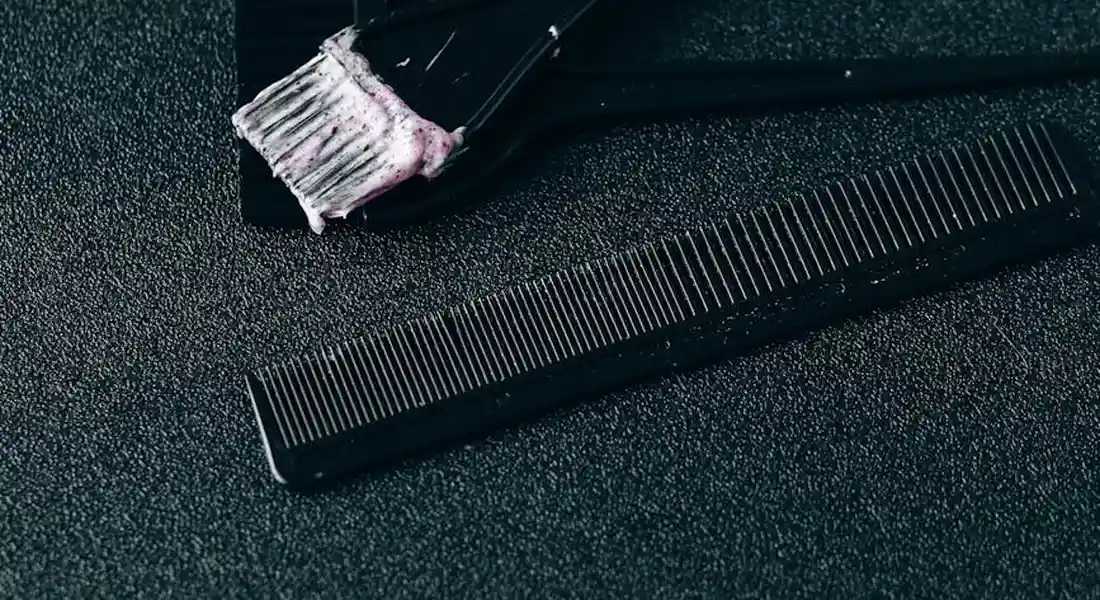
Long-haired breeds, like my Peruvian Biscuit, require daily attention. A wide-toothed comb is your best friend for gently working through tangles without pulling. I always start at the ends of her hair and slowly work my way up to the skin. For my Abyssinian Clover, with her rosettes, a small slicker brush gets into all those nooks and crannies to prevent mats from forming. A quick brush every other day keeps her looking pristine.
- Soft-bristled brush: Ideal for short-haired guinea pigs for daily grooming.
- Wide-toothed comb: Essential for long-haired breeds to detangle without pain.
- Small slicker brush: Perfect for Abyssinians to navigate their unique rosettes.
- Fine-toothed comb: Good for a final pass on any coat type to catch tiny debris.
Nail Care Essentials: Clippers and Files
Nail trims are probably the most nerve-wracking part of grooming for new owners. I’ve been there! The key is having the right tool and a steady hand. I use small animal nail clippers with a safety guard to avoid cutting the quick. Guillotine-style clippers offer great control, while scissor-style clippers can feel more familiar if you’re used to trimming cat nails. Always have a pet-safe styptic powder on hand just in case of a little bleed.
After clipping, I gently file any sharp edges with an emery board. This prevents my piggies from getting scratched when they groom themselves or cuddle. For a particularly wiggly pig like Biscuit, I find that filing a little bit every few days is less stressful than one big trim session. It keeps her nails manageable and her anxiety low.
- Gently restrain your guinea pig, supporting their entire body.
- Identify the quick (the pink vein inside the nail) in light-colored nails.
- For dark nails, make small cuts and look for a dark dot in the center of the nail after you clip-that means you’re getting close.
- Clip just before the quick, and use the file to smooth rough edges.
Bathing and Cleaning Supplies for a Fresh Piggy
Selecting a Gentle, Pet-Safe Shampoo
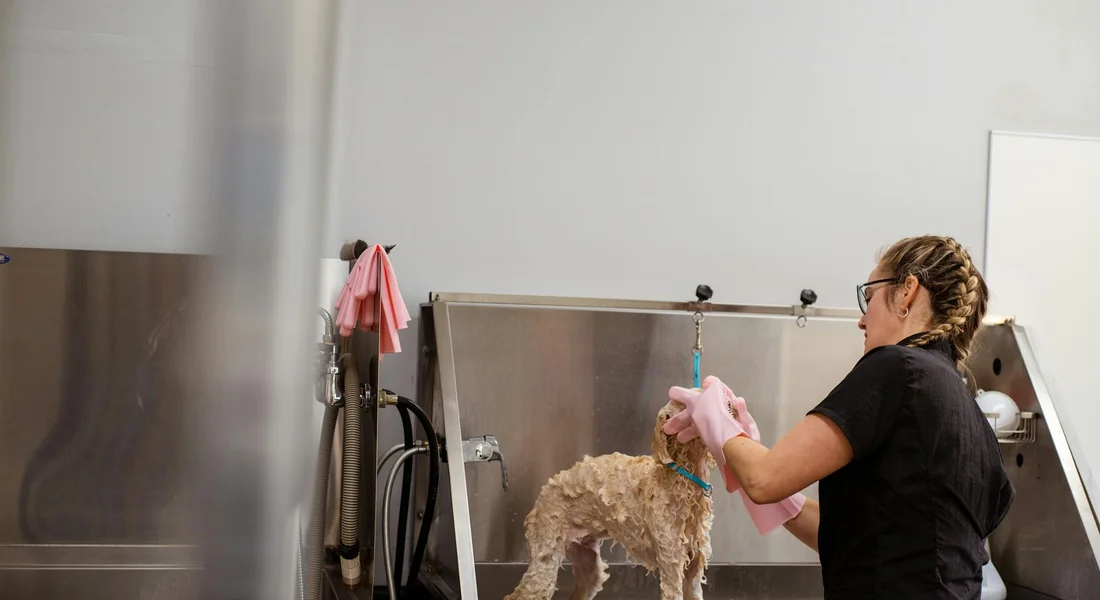
Guinea pigs rarely need full baths, but sometimes a little spot cleaning or a full wash is necessary. The most critical rule is to never use human shampoo or soap. Their skin is far more sensitive than ours. I only use a shampoo specifically formulated for small animals or kittens, as these are pH-balanced to be incredibly gentle. I look for ones with oatmeal or aloe vera to soothe the skin.
For my crew, a waterless shampoo or bath wipes are a lifesaver for quick clean-ups. Clover sometimes gets a dirty bottom, and a wipe-down is much less stressful for her than a full bath. When a bath is unavoidable, I use a small plastic tub with a towel at the bottom so they don’t slip. I keep the water lukewarm-never hot-and only use a dime-sized amount of shampoo. Rinsing thoroughly is non-negotiable, as any leftover soap can cause serious skin irritation.
Must-Have Safety and Comfort Items
Setting Up a Secure Grooming Station
Creating a safe grooming space starts with a non-slip surface to prevent slips and stress. I always lay down a soft towel or rubber mat before handling my guinea pigs, like gentle Pepper, to keep them steady and calm. This simple step reduces their anxiety and makes grooming sessions smoother for both of us.
Include a small, enclosed area like a low-sided box or pet carrier to contain your guinea pig briefly. Using a carrier for Clover, my graceful Abyssinian, helps her feel secure and prevents sudden escapes during nail trims. It’s a game-changer for minimizing wiggles and ensuring safety.
- Soft towels or non-slip mats for traction
- Treats like fresh veggies to reward calm behavior
- A sturdy, low-sided container for containment
- Gentle lighting to avoid startling your pet
Keep all tools within easy reach to avoid leaving your guinea pig unattended. From my experience, having everything ready before starting prevents accidents and keeps Biscuit, my reserved Peruvian, from getting restless. Animal welfare comes first, so prioritize a stress-free environment.
Creating Your Guinea Pig Grooming Schedule
Brushing and Combing Routines
Establish a brushing routine based on your guinea pig’s coat type to prevent mats and tangles. I brush Pepper’s short fur weekly with a soft-bristle brush, which he enjoys as it feels like a gentle massage. Regular brushing spreads natural oils and keeps their coat shiny and healthy.
For long-haired breeds like Biscuit, daily combing is essential to avoid knots. Using a wide-toothed comb on Biscuit’s dark brown fur has taught me that patience and gentle strokes prevent pulling and discomfort. Always check for skin irritations or parasites during each session.
- Choose the right brush: soft for short hair, wide-toothed for long hair
- Brush in the direction of hair growth to avoid tugging
- Limit sessions to 5-10 minutes to prevent stress
- Reward with a small treat after brushing to build positive associations
Adjust frequency based on shedding seasons or if you notice excess fur. Clover’s light brown coat tends to shed more in spring, so I increase brushing to twice a week to keep her comfortable. This routine strengthens our bond and supports their overall well-being.
Nail Trimming: A Step-by-Step Guide
Trim nails every 3-4 weeks to prevent overgrowth and potential injuries. I learned the hard way that long nails can curl and cause pain, so I stick to a regular schedule for all my guinea pigs. Use small animal nail clippers and have styptic powder on hand in case of minor cuts. To trim safely and prevent injury, cut only the tip and avoid the quick. If you’re unsure, consult a vet or experienced groomer for a demonstration first.
Start by gently holding your guinea pig in a secure position, like on your lap with a towel. When trimming Pepper’s nails, I talk softly to keep him calm and check for the quick—the pink part inside the nail—to avoid cutting it. Keeping sessions short and predictable helps make nail trimming less stressful for your guinea pig. A calm routine and gentle praise can help your pet associate nail care with safety. If you’re unsure, trim small amounts gradually.
- Gather supplies: clippers, styptic powder, and treats
- Hold your guinea pig firmly but gently, supporting their body
- Identify the quick in light-colored nails; for dark nails like Biscuit’s, trim conservatively
- Clip only the tip of the nail, angled slightly downward
- Reward immediately after each paw to reinforce good behavior
If your guinea pig resists, take breaks and try again later. With Clover’s thoughtful nature, I’ve found that short, positive sessions work better than forcing it, ensuring her trust isn’t broken. Always prioritize their comfort to make nail care a stress-free experience.
Handling Your Guinea Pig with Care During Grooming
Grooming time can feel stressful for your guinea pig, so gentle handling builds trust and keeps them calm. I always start by washing my hands and choosing a quiet spot to minimize surprises for my pets. Understanding guinea pig grooming behaviors can help you read their social bonding cues during grooming. This awareness makes the session a shared, calming routine.
Approach your guinea pig slowly and let them sniff your hand before you pick them up. Supporting their entire body with both hands prevents them from feeling insecure or trying to wriggle away.
- Sit on the floor or a low surface to reduce the risk of falls.
- Hold them close to your chest so they feel your heartbeat and warmth.
- Speak in a soft, reassuring voice throughout the session.
Keep grooming sessions brief, especially if your guinea pig seems nervous. With Biscuit, who’s more reserved, I limit handling to under 10 minutes to avoid overwhelming her—it’s one of the common guinea pig grooming mistakes I make sure to avoid.
Watch for signs of stress like teeth chattering or trying to hide. If your guinea pig shows discomfort, pause and try again later to maintain a positive experience. Learn more about identifying stress in guinea pigs.
Coat-Specific Grooming Tools and Techniques
Different guinea pig coats need unique tools and methods to stay healthy and tangle-free. Using the right brush for each coat type makes grooming effective and enjoyable for your pet.
Short-Haired Coats (Like American Guinea Pigs)
Pepper, my American guinea pig, has a smooth coat that sheds lightly but still benefits from regular care. A soft-bristle brush used weekly removes loose fur and distributes natural oils for a shiny finish.
- Tools: Soft-bristle brush, grooming mitt
- Technique: Brush in the direction of hair growth for about 2-3 minutes.
- Frequency: Once a week to prevent matting and check for skin issues.
Abyssinian Coats (With Rosettes)
Clover’s Abyssinian coat has rosettes that can trap dirt and form mats if not maintained. I use a wide-toothed comb to gently work through each section without pulling her hair.
- Tools: Wide-toothed comb, slicker brush for detangling
- Technique: Start from the tips and move toward the roots to ease out knots.
- Frequency: Brush 2-3 times a week to keep her graceful appearance neat.
Long-Haired Coats (Like Peruvian Guinea Pigs)
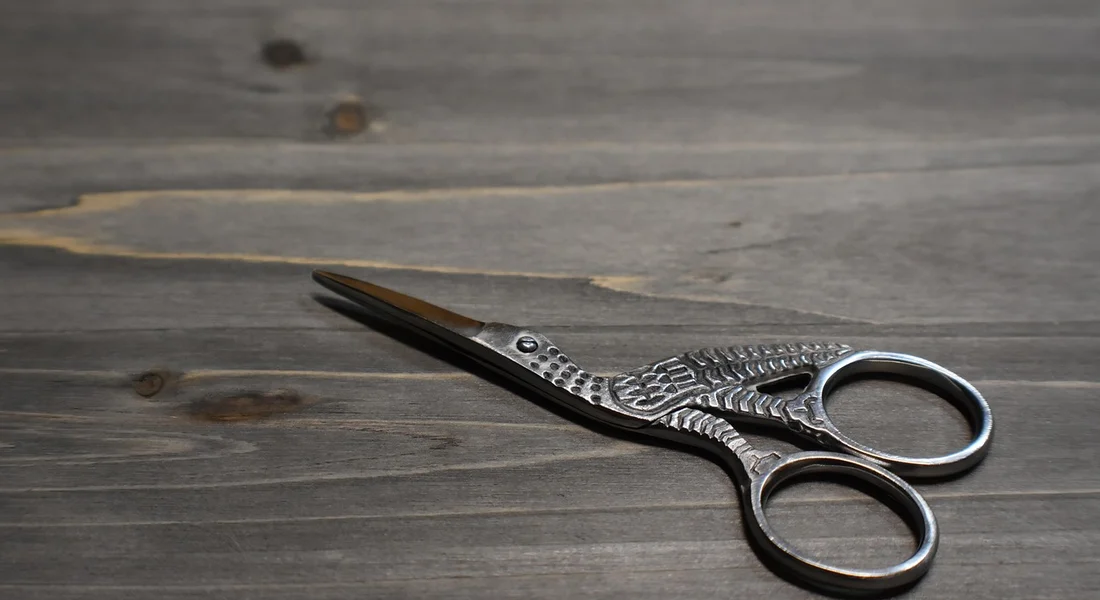
Biscuit’s Peruvian coat grows quickly and requires daily attention to avoid severe tangles. Regular trimming with blunt-tipped scissors helps prevent her long hair from dragging on the ground and picking up debris.
- Tools: Slicker brush, rat-tail comb, small scissors for safe trimming
- Technique: Brush thoroughly each day, and trim hair around the rear to maintain hygiene.
- Frequency: Daily brushing with monthly trims for comfort and health.
Always inspect your guinea pig’s skin for redness or parasites during grooming. This routine not only keeps their coat in top shape but also strengthens your bond through consistent, caring touch. A complete guinea pig grooming guide also covers nail trimming and safe bathing techniques.
Supporting a Healthy Coat from the Inside Out

Grooming isn’t just about what you put on your guinea pig’s fur; it starts with what you put inside them. A truly radiant coat is built on a foundation of excellent nutrition and proper hydration. I’ve seen my own guinea pigs, like gentle Pepper and graceful Clover, glow with health when their diet is dialed in. When it comes to grooming, different guinea pig breeds have distinct needs—short-haired varieties vs long-haired breeds such as the Silkie or Peruvian require regular brushing to prevent tangles. Knowing these breed differences helps you tailor care to keep any coat looking its best.
Fuel for a Fabulous Fur Coat
Your guinea pig’s fur is made of keratin, the same protein that makes up your own hair and nails. To produce that soft, strong coat, their body needs the right building blocks from their food. Think of their diet as the raw materials for a construction project. Different types of guinea pig fur require different care and attention for them to look their best. Understanding the characteristics of your guinea pig’s fur can help you provide proper diet and grooming.
- Unlimited Grass Hay: This is the absolute cornerstone. Timothy or orchard grass hay provides the necessary fiber for a healthy digestive system, which directly impacts nutrient absorption and skin health.
- Vitamin C-Rich Veggies: Guinea pigs cannot produce their own Vitamin C. A deficiency leads to rough, scurfy skin and a brittle coat. I make sure my crew, especially intelligent Biscuit, gets a daily serving of bell peppers, kale, or parsley.
- High-Quality Pellets: Look for plain, timothy-based pellets fortified with stabilized Vitamin C. These act as a nutritional safety net to fill any dietary gaps.
The Power of Hydration
Water is the unsung hero of a healthy coat. Proper hydration keeps their skin supple and elastic, preventing the dryness and flakiness that can lead to irritation. Dehydrated skin simply cannot support a lush, smooth coat.
I always provide fresh, clean water in a heavy ceramic bowl, which I find encourages my pigs to drink more naturally than a bottle. I also offer watery vegetables like cucumber and romaine lettuce to boost their fluid intake from their food. It’s a simple trick that makes a big difference.
A Simple Daily Diet Check
To ensure your guinea pig is getting what they need for coat health from the inside, run through this quick mental checklist each day. Think of this as the daily half of your weekly guinea pig care routine ultimate checklist for owners. Pair it with a quick weekly grooming and habitat check for a complete routine.
- Is their hay rack full of fresh, fragrant hay?
- Have they been given a hearty handful of Vitamin C-rich vegetables?
- Is their water source clean and full?
- Are their pellets fresh (not older than 90 days to ensure Vitamin C potency)?
Getting these fundamentals right means you’re already halfway to achieving that beautiful, healthy coat you’re aiming for.
FAQs
Do guinea pigs need baths and if so how often?
Guinea pigs rarely need full baths, as over-bathing can strip their skin of natural oils. A full bath is typically only necessary if they get into something particularly dirty or have a medical condition requiring it.
How can you clean a guinea pig’s ears without causing harm?
Gently wipe the outer ear flap with a soft, damp cloth or a cotton ball moistened with a vet-approved small animal ear cleaner. Never insert anything into the ear canal, as this can cause serious injury or infection.
What signs indicate grooming is causing discomfort or should stop?
Signs of stress include teeth chattering, frantic attempts to escape, and whining or shrieking vocalizations. If you notice any of these behaviors, you should immediately stop the grooming session and try again later when your pet is calmer.
Are there differences in grooming needs for long-haired vs short-haired guinea pigs?
Yes, long-haired breeds require daily brushing to prevent severe mats and tangles, while short-haired breeds typically only need brushing once or twice a week. Long-haired pigs also often need occasional hair trims, especially around the rear, to maintain hygiene.
How do you prevent skin irritation during grooming?
Always use tools designed for small animals and be gentle to avoid scratching the skin. Ensure all shampoo is thoroughly rinsed off after a bath, as any residue can lead to dryness, itching, and irritation.
Your Guinea Pig’s Grooming Journey
Having the right tools ready makes grooming a calm, bonding experience for you and your pet. A gentle routine keeps your guinea pig healthy and helps you spot any potential health issues early.
Being a great pet owner means always learning new ways to care for your furry friends kindly and sustainably. Choose eco-friendly options where you can and remember that your care makes their world a happier, healthier place.
Further Reading & Sources
- Top Grooming Supplies for Guinea Pigs | Small Pet Select – Small Pet Select U.S.
- Grooming Kit with nail clippers and brushes and chew sticks for your guinea pigs
- Guinea Pig Grooming Equipment | Guinea Pig Health | Guinea Pigs | Guide
- Guinea Pig Grooming Kit – Everything Guinea Pig
Kate is a passionate guinea pig owner and advocate for small pet welfare. With over a decade of experience caring for guinea pigs, she has become a trusted voice in the small pet community.
Uncategorized