Guinea Pig Grooming Guide: Nail Trimming and Bathing
Published on: December 26, 2025 | Last Updated: December 26, 2025
Written By: Kate M. Callahan
Hello CavyFam! Does grooming your guinea pig feel a bit scary? You’re not alone-many pet parents worry about keeping their cavies clean and comfortable without causing stress.
This guide walks you through nail trimming and bathing, two key grooming tasks that keep your pet healthy and happy.
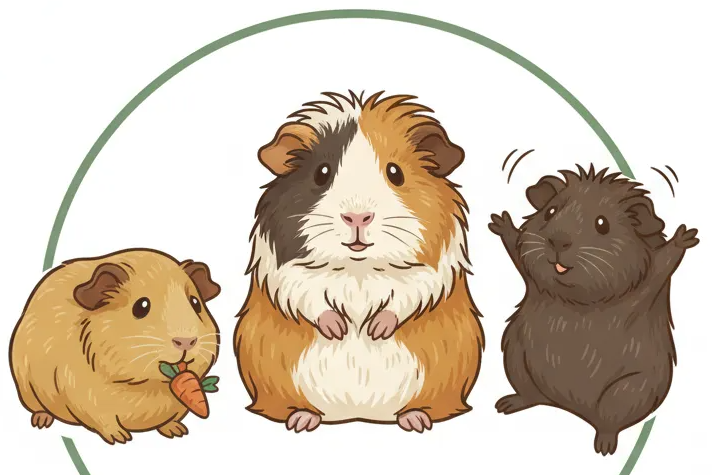
I’ve trimmed countless nails and given gentle baths to my own trio-Pepper, Clover, and Biscuit-so you’ll get practical, experience-backed tips you can trust.
Why Grooming Matters for Your Guinea Pig
Regular grooming prevents painful issues like overgrown nails and skin infections. I’ve seen how neglected nails can curl and cause discomfort, making it hard for guinea pigs like my gentle Pepper to walk comfortably.
Grooming sessions strengthen your bond and help you spot health problems early. When I groom Clover, her graceful demeanor shines, and I can check for lumps or parasites that need vet attention.
It reduces stress and keeps their coat clean, which is vital for their well-being. Biscuit, though reserved, becomes more at ease after a gentle brush, showing how routine care builds trust.
Essential Grooming Tools for Home Care
Having the right tools makes grooming safe and efficient for both you and your pet. From my experience, investing in quality items saves time and prevents accidents during nail trims or baths.
Nail Trimming Tools
Use these items to trim nails without causing pain or bleeding.
- Small animal nail clippers: Choose sharp, guillotine-style clippers for precise cuts. I prefer these for my guinea pigs as they’re easy to handle.
- Styptic powder: Stops bleeding quickly if you accidentally cut too short. Keep it handy-I’ve used it on Clover’s quick nails.
- Treats: Offer favorite veggies like cucumber to reward calm behavior. Pepper loves this and stays still during trims.
- Soft towel: Wraps your guinea pig gently to prevent squirming. It adds a layer of security for nervous pets like Biscuit.
Bathing Supplies
Bathe your guinea pig only when necessary, using mild, animal-safe products.
- Small animal shampoo: Pick a pH-balanced, tear-free formula to avoid skin irritation. I use eco-friendly options for my trio.
- Shallow basin: Fill with lukewarm water-just enough to cover their feet. This keeps baths stress-free and comfortable.
- Soft towels: Have a few absorbent towels ready for drying. I always pre-warm them to make my guinea pigs cozy.
- Brush or comb: Gently detangle fur post-bath, especially for long-haired breeds like Biscuit. It prevents mats and keeps coats smooth.
Step-by-Step Nail Trimming Guide
Preparing for Nail Trimming
Start by gathering your supplies in a quiet, well-lit room to keep your guinea pig calm and focused. Having everything ready before you begin reduces stress for both you and your pet.
- Small animal nail clippers – I prefer scissor-style for precise cuts.
- Styptic powder or cornstarch to stop bleeding if you accidentally cut the quick.
- Treats like fresh veggies or a small piece of fruit to reward cooperation.
- A towel or non-slip mat to provide a secure surface for handling.
Hold your guinea pig gently but firmly, supporting their body to prevent squirming. With Pepper, I find that talking softly and letting him sniff the clippers first eases his nerves.
Trimming Techniques and Tips
Begin by examining each nail to locate the quick – the pinkish area with blood vessels. Trimming just the tip avoids pain and bleeding, especially in light-colored nails.
- Hold one paw steady and clip a small amount off the nail’s end.
- Angle the clippers slightly to follow the nail’s natural curve.
- If the quick is hard to see, use a flashlight behind the nail for clarity.
- Work quickly but carefully, taking breaks if your guinea pig seems anxious.
For dark nails like Clover’s, I trim in tiny increments and watch for a grayish oval that signals the quick’s approach. Regular trims every 3-4 weeks keep the quicks from growing too long.
Aftercare and Rewards
Check each nail for any signs of bleeding and apply styptic powder immediately if needed. Gentle aftercare ensures your guinea pig feels safe and cared for after the trim. As part of your essential grooming tools supplies checklist, have a nail clipper and styptic powder ready. This helps ensure safe, efficient grooming sessions.
- Offer a favorite treat right away to create positive associations.
- Pet and praise your guinea pig to reinforce good behavior.
- Monitor for limping or discomfort over the next few hours.
Biscuit always gets a slice of cucumber as a reward, which helps him stay calm for future grooming sessions. Rewarding your pet builds trust and makes nail trimming a smoother experience over time.
Bathing Your Guinea Pig Safely
Bathing your guinea pig can feel daunting, but with the right approach, it becomes a calm and caring routine. I always remind myself that patience and gentleness are key to keeping my guinea pigs, like Pepper and Clover, comfortable and stress-free. Let’s break it down into manageable parts so you can bathe your furry friend safely and effectively.
When to Bathe Your Guinea Pig
Guinea pigs are naturally clean animals and rarely need baths, so it’s best to bathe them only when necessary. Over-bathing can strip their skin of essential oils, leading to dryness and irritation, which I’ve learned from bathing Biscuit too often early on. Consider a bath if your guinea pig has visible dirt, sticky fur from food, or a vet’s recommendation for skin issues. For instance, I bathe Pepper only when he gets into his hay and ends up with messy patches, as his gentle nature makes him prone to hiding discomfort. Always prioritize their well-being by avoiding unnecessary baths to reduce stress and protect their health.
- Bathe if fur is soiled with urine or feces, which can cause infections.
- Opt for a bath when they have skin conditions like mites, but consult a vet first.
- Avoid bathing young or elderly guinea pigs unless absolutely needed, as they’re more vulnerable.
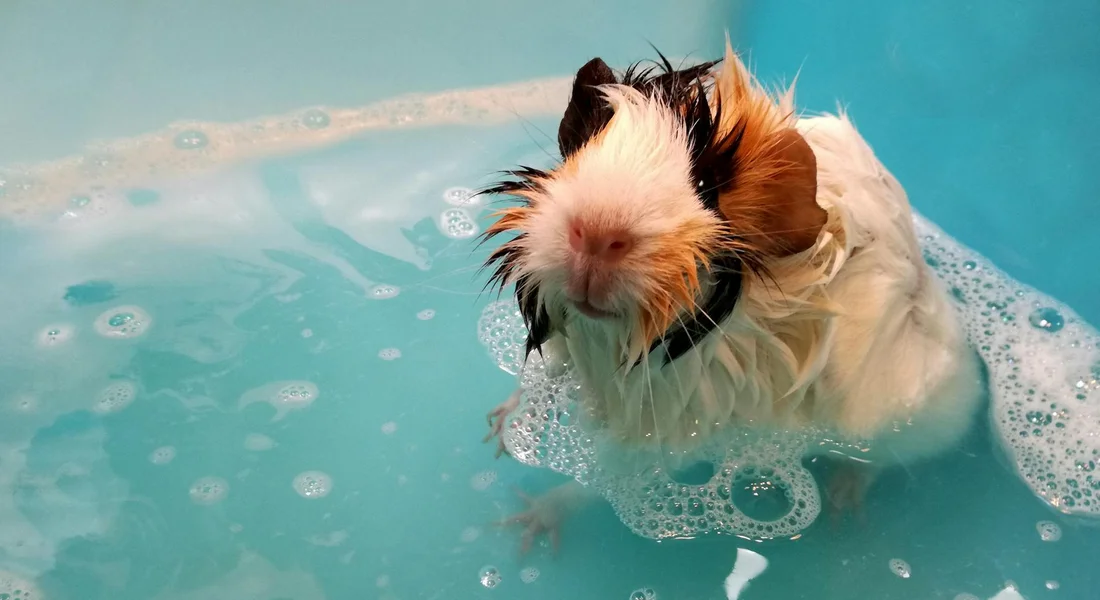
Bathing Steps for One Person
If you’re bathing your guinea pig alone, preparation and a calm demeanor make all the difference. I find that setting up everything in advance helps me focus on keeping my guinea pigs, like Clover, secure and relaxed throughout the process. Follow these steps to ensure a smooth and safe bath experience.
- Gather supplies: Use a shallow basin, lukewarm water (test it on your wrist to avoid burns), and a guinea pig-specific shampoo-never human products, as they can irritate skin.
- Place your guinea pig gently in the water, supporting their body fully to prevent slipping or panic. I talk softly to Biscuit to reassure him, as his reserved personality means he needs extra comfort.
- Apply a small amount of shampoo, massaging it into the fur while avoiding the face, ears, and eyes to prevent discomfort or injury.
- Rinse thoroughly with clean, lukewarm water until no soap residue remains, as leftover shampoo can cause itching or allergies.
- Lift your guinea pig out carefully, cradling them in a towel to minimize stress and keep them warm.
Keeping the water level low, just enough to cover their feet, prevents drowning risks and makes them feel more secure. From my experience, this step-by-step approach reduces anxiety for both you and your pet.
Drying and Post-Bath Care
After the bath, proper drying and care are crucial to prevent chills and ensure your guinea pig feels cozy. I always use a soft, absorbent towel to pat dry my guinea pigs, like Pepper, and hold them close to share body warmth until they’re completely dry. This not only dries them faster but also strengthens our bond through gentle interaction. Place them in a warm, draft-free area afterward, and offer a favorite treat to reward their patience. Check for any signs of shivering or stress, and if you notice anything unusual, contact your vet promptly. Complete drying is essential to avoid respiratory issues, which I learned the hard way when Clover caught a slight chill after a bath. By following these steps, you’re not just cleaning your guinea pig-you’re showing them love and care that supports their overall health and happiness.
Handling and Calming Techniques During Grooming
Proper handling makes grooming sessions smoother and safer for both you and your guinea pig. I always start by sitting on the floor with a soft towel on my lap to prevent slips and provide a secure surface. Gently scoop your guinea pig with both hands, supporting their entire body to avoid startling them. For nail trims, I find that placing Pepper, my American Guinea Pig, in a shallow box lined with a familiar fleece blanket keeps her calm and contained. Using a calm voice and offering small pieces of their favorite veggies, like cilantro or bell pepper, can distract them and build positive associations. Over time, this routine has turned grooming from a chore into a bonding moment for us. These prep steps also help make nail trimming less stressful for your guinea pig. With practice, trims can become a quick, calm part of your routine.
Recognizing Signs of Stress
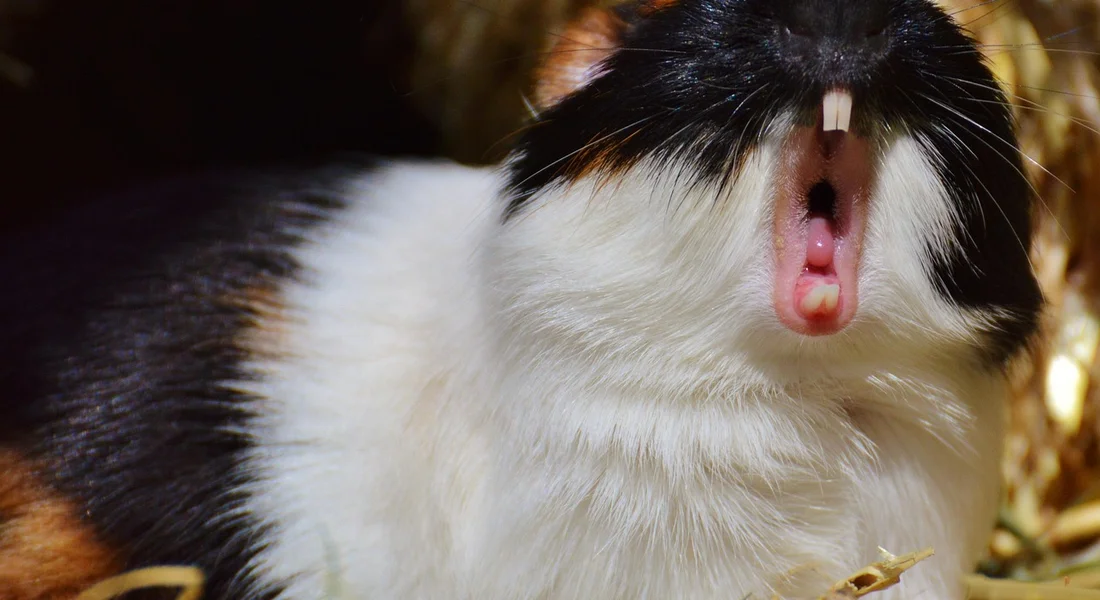
Guinea pigs communicate stress through subtle cues, so it’s key to watch their behavior closely. If your guinea pig starts chattering their teeth, freezing in place, or trying to hide, they’re likely feeling overwhelmed. If you’re unsure how to tell if your guinea pig is stressed or anxious, these signals can help you assess their state. Recognizing them early lets you respond quickly and ease their stress. From my experience with Clover, my Abyssinian, I’ve noticed that rapid breathing or high-pitched squeaks mean she needs a break immediately. Here are common stress signals to look for:
- Whining or loud squealing when touched
- Puffed-up fur or tense body posture
- Attempting to run away or burrow into bedding
- Reduced appetite or refusing treats they usually love
If you spot these signs, pause the grooming and give them a quiet space to relax. Respecting their comfort helps prevent long-term fear and keeps their well-being a top priority.
Building Trust Through Grooming
Trust transforms grooming from a stressful event into a rewarding routine. Start with short, positive sessions where you simply pet or hand-feed your guinea pig without any tools involved. I built Biscuit’s confidence by spending five minutes daily just stroking his long, dark fur while he nibbled on hay. Gradually introduce grooming steps, always pairing them with rewards. Follow this approach to strengthen your bond: For shy or timid guinea pigs, a patient, step-by-step routine helps overcome shyness and build confidence, one small victory at a time. Take it one small step at a time, reinforcing each breakthrough with praise and a treat to keep enthusiasm high.
- Begin with gentle brushing using a soft-bristle brush to get them used to the sensation.
- Offer a treat before and after each step, like a slice of cucumber or a sprig of parsley.
- Keep sessions under 10 minutes to avoid fatigue, especially for younger or shy pigs like Biscuit.
- Use the same calming phrases each time-I softly talk to my guinea pigs to create a predictable environment.
Consistency and patience are your best tools here. Understanding guinea pig grooming behaviors helps you read signals of comfort and social bonding. By paying attention to their grooming cues, you’ll learn when they want to be touched and when they’re just grooming themselves. Over weeks, you’ll notice your guinea pig becoming more relaxed and even seeking out grooming time as a special interaction.
When to Seek Veterinary Guidance
Sometimes, grooming your guinea pig can uncover issues that need a professional touch. If you spot anything unusual during nail trims or baths, don’t hesitate to call your vet-it’s always better to be safe than sorry. I’ve had moments with my guinea pigs where a quick vet visit saved us from bigger problems, like when Clover’s graceful demeanor hid a tiny cut that needed attention. Being mindful of common guinea pig grooming mistakes can help you avoid injuries. Avoid over-bathing and trimming nails too short.
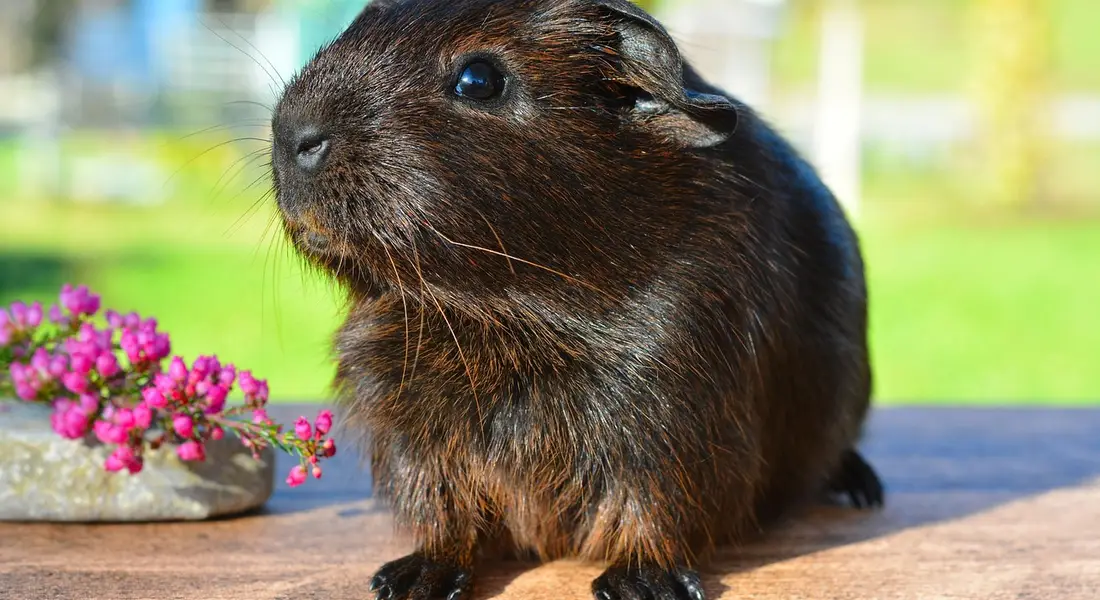
Watch for bleeding that doesn’t stop after a nail trim, even with styptic powder applied. Persistent bleeding can signal a deeper cut or clotting issue, requiring immediate veterinary care to prevent infection or discomfort. With Pepper’s golden-brown nails, I once nicked the quick, and though it was minor, I kept an eye out for any swelling or limping afterward.
- Overgrown or curled nails that make walking difficult-this can lead to joint pain or injuries.
- Signs of infection, like redness, pus, or foul odor around the nails or skin after grooming.
- Your guinea pig shows extreme stress, such as heavy breathing or refusal to eat, during routine care.
- Unusual lumps, bumps, or skin sores that appear during or after a bath.
For bathing, pay close attention to how your guinea pig’s skin reacts. If you notice persistent dryness, flaking, or rashes that don’t improve with gentle, pet-safe shampoos, it might indicate an underlying allergy or parasite issue. Biscuit’s dark brown fur once hid a small rash that only became obvious post-bath, prompting a vet visit for a soothing treatment.
Respiratory distress, like wheezing or coughing after a bath, is a red flag. Guinea pigs are prone to respiratory infections, and water exposure can aggravate this, so seek help if breathing seems labored. I always dry my pigs thoroughly with a soft towel and keep them in a warm area to avoid chills, but if Clover ever starts sneezing excessively, I know it’s time for professional advice.
- Check for behavioral changes post-grooming, such as lethargy or hiding more than usual.
- Monitor eating and drinking habits-any drop could mean stress or pain from grooming mishaps.
- Look for discharge from eyes or nose, which might point to an infection worsened by bathing.
- Feel for any abnormal textures in the fur or skin, like matting that doesn’t resolve with gentle brushing.
Advocating for animal welfare means putting your pet’s comfort first. Regular vet check-ups can catch grooming-related issues early, ensuring your guinea pig stays happy and healthy for years to come. From my experience, a little extra caution with Pepper, Clover, and Biscuit has built trust and made grooming sessions smoother over time.
Maintaining a Regular Grooming Schedule
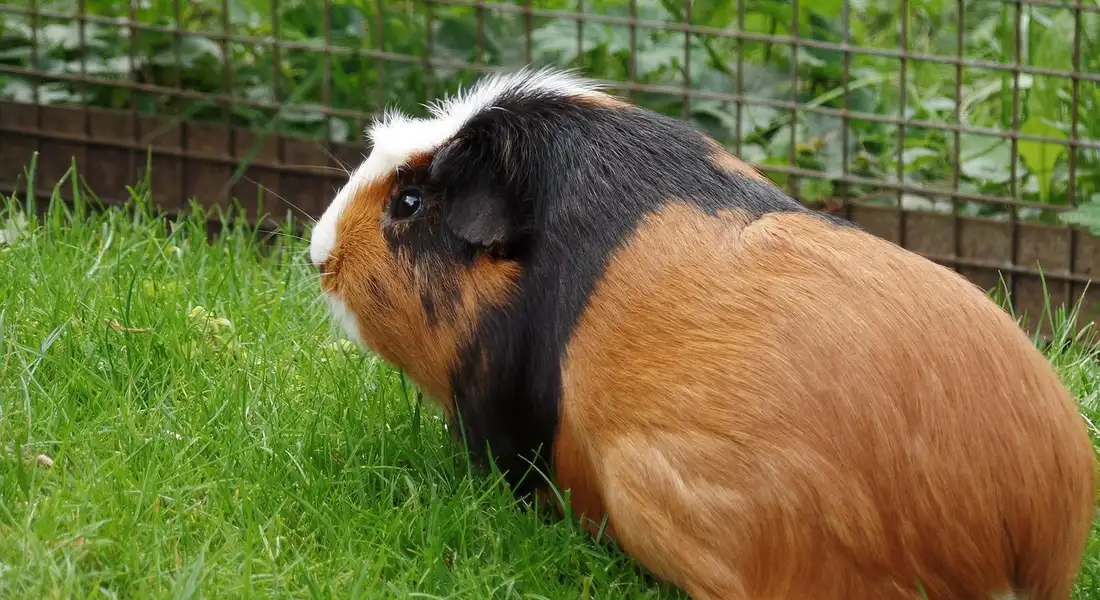
Consistency is your best friend when it comes to guinea pig grooming. A predictable routine keeps your pets comfortable and prevents minor issues from becoming major health concerns. My own trio-Pepper, Clover, and Biscuit-thrive on knowing what to expect, and their grooming sessions are now calm and cooperative.
How Often to Trim Those Nails
Guinea pig nails grow surprisingly fast. For most pigs, a nail trim every 3 to 4 weeks is perfect. Checking their nails weekly gives you a heads-up before they get too long and start to curl. I always listen for the tell-tale “click-click-click” on the cage floor; that’s my signal that it’s time for a trim for steady Pepper and graceful Clover, especially since long-haired breeds require extra grooming care.
- Light-colored nails: You can easily see the pink quick (the blood vessel). Trim just before it.
- Senior pigs or less active pigs: Their nails may wear down less, requiring more frequent attention, sometimes every 2 weeks.
Dark-colored nails: This is trickier. Shine a flashlight from behind the nail to illuminate the quick, or make tiny, conservative clips.
The Right Bathing Frequency
Here’s a truth that surprises many new owners: guinea pigs rarely need full baths. Over-bathing strips their skin and fur of essential, protective oils, leading to dryness and irritation. My general rule is to only give a full bath if they get into something sticky or smelly, or on a vet’s advice for a specific skin condition.
- Spot cleaning is your go-to. Use a damp cloth to wipe away any messes on their rear or feet between full baths.
- Long-haired breeds, like my reserved Biscuit, need more frequent butt-baths to prevent bedding from matting in their fur.
- A full bath should be a rare event, perhaps only 2-3 times a year for a generally clean, short-haired pig.
Creating Your Weekly Check-in
Set aside just ten minutes once a week for a quick, hands-on health and grooming check. This weekly ritual helps you catch problems early and keeps your pig accustomed to being handled. I do this every Sunday, and it’s made all the difference in managing the care for three distinct personalities.
- Gently hold your guinea pig in your lap on a soft towel.
- Run your fingers through their coat, feeling for any lumps, bumps, or patches of dry skin.
- Lift each foot and visually inspect the nail length.
- Check their rear end for any caked-on debris that needs a quick spot clean.
- Offer a small, healthy treat afterwards to make it a positive experience.
FAQs
Where can I find professional guinea pig grooming services near me?
You can locate nearby guinea pig grooming services by searching online pet care directories or asking for referrals from your veterinarian. Many exotic pet clinics and specialized groomers offer these services to ensure your guinea pig receives expert care.
How much does guinea pig grooming typically cost?
The cost for professional guinea pig grooming usually ranges from $20 to $50 per session, depending on the services provided and your location. Additional charges may apply for extras like medicated baths or detailed health assessments during the grooming.
Do guinea pigs groom themselves?
Yes, guinea pigs frequently groom themselves by licking their fur to stay clean and distribute natural skin oils. This self-grooming behavior helps prevent matting and supports overall coat health without needing human intervention most of the time.
Why do guinea pigs groom each other?
Guinea pigs groom each other as a social activity that strengthens bonds and reduces stress within their group. This mutual grooming, known as allogrooming, also helps them reach areas they can’t clean themselves and promotes a sense of community. Such behaviors are often seen in bonded guinea pig pairs.
What services are included in professional guinea pig grooming?
Professional grooming services for guinea pigs often include nail trimming, bathing with safe shampoos, and brushing to detangle fur. They may also provide health checks for skin issues or parasites and offer guidance on maintaining your pet’s grooming routine at home. If your guinea pig has severe matting, skin irritation, or extreme fear of handling, seek professional grooming help. A qualified groomer can safely trim nails, manage tough mats, and provide tips for maintaining your pet’s coat at home.
Happy Grooming, Happy Piggie!
Regular nail trims and occasional gentle baths keep your guinea pig healthy and comfortable. Always use pet-safe supplies and handle them with patience to build trust during grooming sessions.
Committing to your guinea pig’s care means staying curious about their needs and choosing eco-friendly products. Your thoughtful approach creates a happier life for your pet and a healthier planet for all animals.
Further Reading & Sources
- Guinea Pig Grooming Guide
- Guinea Pig Grooming | Guinea Pig Health | Guinea Pigs | Guide | Omlet US
- How to groom your guinea pigs | Blog | Burgess Pet Care
- Grooming your guinea pig | Guinea Pig Care | Guinea Pigs | Guide | Omlet US
Kate is a passionate guinea pig owner and advocate for small pet welfare. With over a decade of experience caring for guinea pigs, she has become a trusted voice in the small pet community.
Uncategorized