Guinea Pig Aging: Senior Health Issues and Care
Published on: December 27, 2025 | Last Updated: December 27, 2025
Written By: Kate M. Callahan
Hello CavyFam! Are you noticing your guinea pig slowing down or showing new health quirks as they get older? It’s natural to worry about their comfort and well-being during this stage of life.
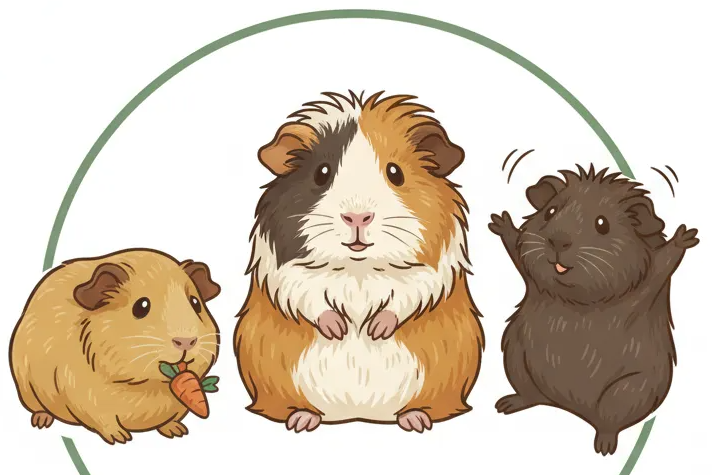
In this article, I’ll cover common age-related health problems, dietary adjustments, habitat tweaks, and daily monitoring tips. My years of experience with guinea pigs like Pepper, Clover, and Biscuit have taught me how to spot and manage senior needs effectively.
Understanding Guinea Pig Aging Stages
Guinea pigs typically live between 5 to 8 years, with their aging process being quite rapid compared to ours. A one-year-old guinea pig is roughly akin to a young human adult, and by age four, they are considered seniors, similar to a person in their late sixties. I’ve watched my own trio progress through these stages, and understanding this timeline helps you anticipate their changing needs.
Guinea Pig Life Stages
- Young Adult (6 months – 1 year): Fully grown, energetic, and socially active.
- Mature Adult (1 – 3 years): Prime of life, steady personality and habits.
- Senior (4 – 5 years): The golden years; mobility and sensory perception may begin to decline.
- Geriatric (5+ years): Requires significant daily support and specialized care for comfort.
You’ll notice subtle shifts in your pet’s behavior and physique as they enter their senior years. My guinea pig, Pepper, who is now two, is still quite spry, but I’m already keeping a watchful eye for the early signs of aging I saw in my previous older pigs. Their once-boundless energy begins to wane, and they might prefer napping to popcorning.
Physical and Behavioral Changes to Watch For
- Reduced activity levels and less frequent “popcorning” or running.
- A gradual thickening or curling of the nails, even with regular trimming.
- Changes in eating habits, such as eating slower or being pickier with food.
- The fur may lose some of its youthful luster or thin slightly.
- They may become more vocal for attention or seem slightly disoriented at times.
Common Senior Health Issues in Guinea Pigs
Just like people, older guinea pigs are prone to specific age-related conditions. Catching these issues early is the single most important thing you can do for your aging companion’s quality of life. My gentle Clover, now three, gets extra checks to ensure she stays ahead of any potential problems.
Arthritis and Mobility Issues
Arthritis is very common, causing stiffness and joint pain. You might see your pig moving more stiffly, especially after resting, or hesitating before jumping onto a low platform they used to love. Providing a single-level habitat with soft, deep bedding can make a world of difference for their comfort.
Dental Disease and Weight Loss
Their teeth never stop growing, and senior pigs can develop painful dental spurs or malocclusion. A sudden drop in weight is a major red flag, often the first sign of a dental problem preventing them from eating properly. I monitor my pigs’ weight weekly; Biscuit’s reserved nature means I have to be extra vigilant to notice if she’s not eating enough.
Urinary Problems and Kidney Disease
Older kidneys don’t function as efficiently, which can lead to issues. Watch for changes in urination habits, blood in the urine, or a significant increase in water consumption. These symptoms require an immediate vet visit to check for stones, sludge, or kidney disease.
Tumors and Lumps
The risk of developing tumors, both benign and cancerous, increases with age. Make a habit of giving your senior pig a gentle full-body feel once a week, checking for any unusual lumps or bumps under the skin. Early detection gives you and your vet the most options for treatment and management.
Signs and Symptoms for Early Detection
- Lethargy: A noticeable lack of energy or interest in surroundings.
- Changes in Appetite or Droppings: Eating less or producing fewer, smaller droppings.
- Difficulty Moving: Limping, dragging a leg, or trouble getting up.
- Wet or Crusty Eyes/Nose: Can indicate respiratory issues or dental problems.
- Poor Coat Condition: A once-glossy coat becoming dull, matted, or unkempt.
Preventive Care for Aging Guinea Pigs
Regular Vet Visits and Dental Checkups
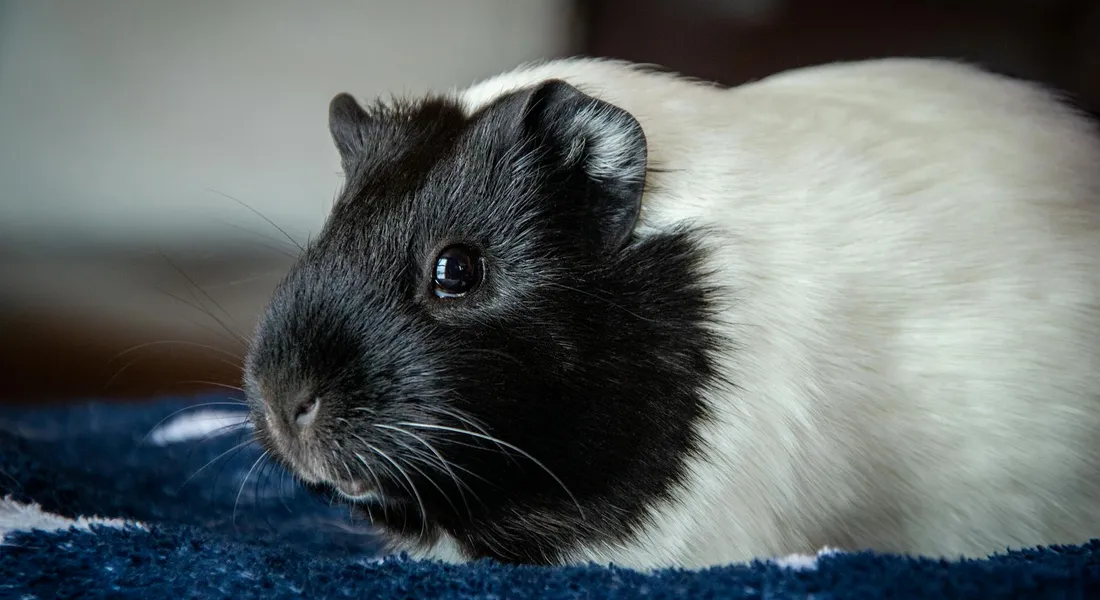
Schedule vet appointments every six months to catch problems early. I’ve seen firsthand with Pepper how consistent checkups help spot issues like weight loss or dental overgrowth before they worsen.
- Book a vet visit twice a year for a full physical exam.
- Ask the vet to check teeth length and alignment, as guinea pigs’ teeth grow continuously.
- Monitor your pet’s weight at home weekly and report changes to the vet.
Dental health is vital because misaligned teeth can cause pain and eating difficulties. In my experience, a quick teeth check during cuddle time helps me notice if Clover is struggling to chew her hay.
Tumor Screening and Chronic Condition Monitoring
Gently feel your guinea pig’s body for lumps during daily handling. Regular tumor checks can lead to early treatment, which I’ve found crucial for older pigs like Biscuit, who’s more prone to growths. I always make sure to handle him carefully during these checks to avoid causing any stress.
- Look for swelling, especially around the abdomen or mammary glands.
- Watch for signs of arthritis, such as limping or reluctance to move.
- Note any breathing changes, which could indicate heart or lung issues.
Keep a simple log of behavior and symptoms to share with your vet. Consider creating a guinea pig health log to track vital signs such as weight, appetite, and activity. Monitoring chronic conditions closely ensures your senior guinea pig stays comfortable and healthy.
Hydration and Vitamin C Supplementation
Offer fresh water daily and include watery veggies like cucumber to boost intake. Hydration supports kidney function and overall vitality, something I prioritize for all my aging guinea pigs.
- Use a clean water bottle and check it twice a day for leaks or blockages.
- Add a vitamin C supplement to their diet, as older pigs absorb it less efficiently.
- Include vitamin C-rich foods like bell peppers or specialized pellets.
Avoid over-supplementing and stick to vet-recommended doses. Proper vitamin C levels prevent scurvy and keep your guinea pig’s immune system strong as they age.
Daily Care Routines for Senior Guinea Pigs
-
Set up a comfortable housing environment with warmth and easy access.
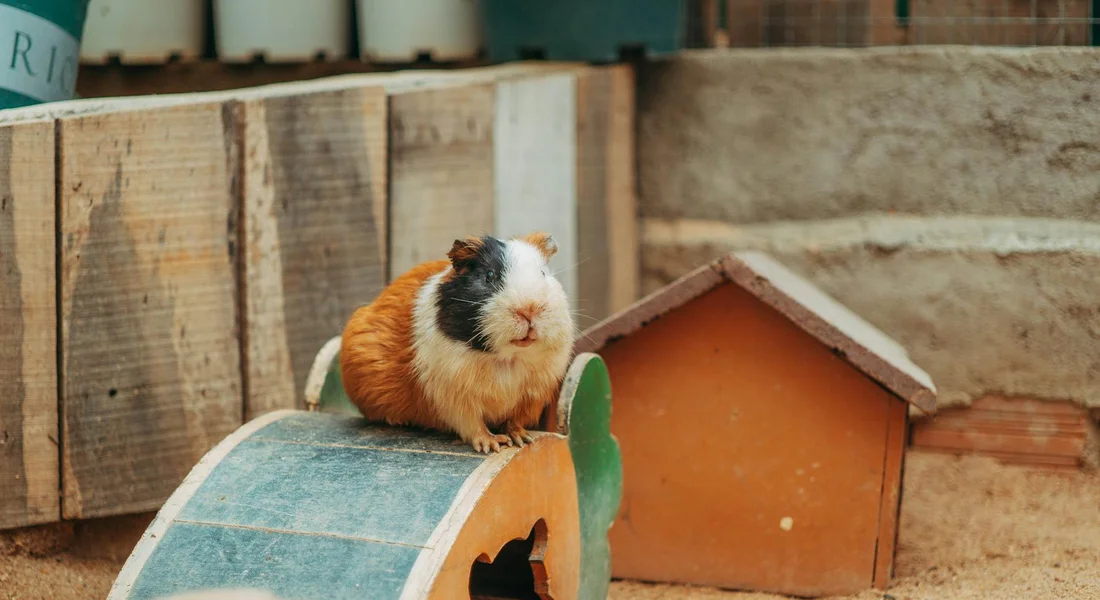
Older guinea pigs like my gentle Pepper struggle with cold floors and high steps. I line her cage with extra fleece bedding and place a pet-safe heat pad in one corner. Providing consistent warmth helps ease arthritis and keeps your senior pig active and content. Make sure food and water are at ground level to prevent straining.
Use low-sided hideouts and avoid steep ramps. Clover, my graceful Abyssinian, moves more freely with a flat entrance to her favorite hut.
-
Incorporate mobility aids and gentle handling techniques.
Senior guinea pigs often have weaker legs and balance issues. Proper guinea pig care also means keeping their living area clean and safe. I add soft ramps and non-slip mats to Biscuit’s play area. Supporting their whole body when you lift them prevents falls and builds trust. Cup them gently with both hands and avoid quick movements. Gentle handling and calm routines are part of good care.
Speak softly as you approach. My reserved Biscuit stays calmer when I let her sniff my hand first.
-
Establish a grooming schedule to assist with hygiene.
Aging guinea pigs groom less, leading to matted fur or overgrown nails. I brush Pepper’s golden-brown coat every other day and trim nails every three weeks. Regular grooming not only keeps them clean but also lets you check for lumps or skin issues early. In a guinea pig grooming guide, you’ll also find tips on gentle nail trimming and safe bathing practices. These steps help keep Pepper comfortable and clean. Use a soft-bristle brush and pet-safe clippers.
Wipe their rear with a damp cloth if needed. Clover’s long fur needs extra attention to stay tangle-free.
-
Monitor for changes in behavior or appetite daily.
Watch how much your guinea pig eats and drinks each day. A sudden drop can signal dental pain or illness. Noticing small shifts in behavior helps you act fast before problems worsen. Keep a simple log of their activity and food intake.
Listen for changes in vocalizations. Pepper’s steady wheeks tell me she’s feeling well, while silence might mean something’s wrong.
Diet and Nutrition for Elderly Guinea Pigs
As your guinea pig enters their golden years, their nutritional needs shift dramatically. I’ve seen this firsthand with my senior pig, Clover, who needed a gentler diet to stay healthy and comfortable. Their metabolism slows, and dental issues can make chewing difficult, so a thoughtful approach to food is essential. That’s why the ideal overall diet for a healthy guinea pig emphasizes hay, fresh greens, and constant access to clean water. For seniors, texture and portion size matter to support digestion and dental comfort.
Crafting a Senior-Friendly Diet for Weight Management
Weight management becomes crucial because elderly guinea pigs are prone to either losing too much weight or gaining excess pounds. Regular, gentle weigh-ins—I do this weekly for Pepper and Biscuit—help you spot trends early and adjust their diet accordingly. Using a guinea pig weight guide with healthy ranges helps you spot deviations early, and ongoing monitoring keeps them within safe limits. This makes weight tracking a practical way to support their long-term health. Here’s how to balance their meals:
- Limit high-calorie pellets to about 1/8 cup daily and choose a senior-specific formula if available.
- Offer unlimited grass hay, like Timothy or Orchard grass, which provides necessary fiber without excess calories.
- Increase leafy greens such as romaine lettuce and cilantro, but reduce sugary vegetables like carrots and fruits to occasional tiny treats.
- Monitor their eating habits closely; if they’re struggling to chew, you might need to switch to softer hay or finely chop their veggies.
Beneficial Supplements for Aging Digestion
Senior guinea pigs often have more sensitive digestive systems, making supplements a helpful addition. Introducing a tiny bit of fresh, grated ginger into their diet can soothe their stomach and encourage healthy digestion, something I’ve found useful for Clover on her pickier days. Always consult your vet before starting any new supplement. Other supportive options include:
- Vitamin C drops or tablets, since older pigs may absorb less from food alone-critical for preventing scurvy.
- Probiotics designed for small animals, which can promote gut health, especially after antibiotic treatments.
- Digestive enzymes sprinkled on soft foods, aiding in nutrient absorption if their system is sluggish.
Tips for Soft Foods and Hydration Strategies
When chewing becomes a challenge, soft foods ensure your guinea pig still gets the nutrition they need. Soaking their pellets in warm water to create a mash has been a game-changer for Biscuit, who sometimes finds hard foods uncomfortable. This also boosts their fluid intake, which is vital since dehydration is a common issue in older pigs. Try these hydration-focused strategies:
- Provide multiple water sources, including a bowl and a bottle, as some seniors prefer one over the other.
- Offer water-rich vegetables like cucumber and bell peppers daily to supplement their drinking.
- If they’re not drinking enough, syringe-feed small amounts of water or unflavored pedialyte, but only under veterinary guidance.
- Create “smoothies” by pureeing their favorite greens with water for a hydrating, easy-to-eat meal.
Recognizing and Managing Pain in Senior Guinea Pigs
As your guinea pig enters their golden years, their communication style often becomes more subtle. I’ve learned through caring for my own senior pigs, Pepper and Clover, that they rarely cry out in pain, so you become their primary detective. You must watch for the quiet, almost imperceptible changes in their daily routine, especially since guinea pigs have specific active periods during the day.
Subtle Signs of Pain or Discomfort
Pain doesn’t always look like limping or obvious distress. Keep a daily mental log of their normal behavior, as any deviation from it is your first clue that something is wrong. Here are the subtle shifts I watch for in my own herd:
- A sudden disinterest in their favorite vegetables or a noticeable drop in food and water intake.
- Hunching their back or sitting in a “puffed-up” position for long periods, often with half-closed eyes.
- Reluctance to move around their cage, lagging behind a cage mate, or struggling to get up after resting.
- Changes in grooming habits, like a messy coat from not self-cleaning or over-grooming one specific spot.
- Uncharacteristic grumpiness or flinching when you try to pet areas that were once fine, like their back or sides.
- Quieter than usual, with fewer wheeks and pops, or grinding their teeth softly, which indicates discomfort.
Pain Management Options and Veterinary Care
Never attempt to give a guinea pig human pain medication, as it can be fatal. Effective pain management always starts with a proper diagnosis from an exotics-savvy veterinarian. Your vet is your partner in creating a comfortable life for your aging pet.
- Veterinary Prescriptions: Your vet may prescribe safe anti-inflammatory drugs or pain relievers formulated specifically for small animals. I’ve had to give Pepper a liquid medication, and mixing it with a little mashed banana made the process much smoother.
- Environmental Adjustments: Make their home easier to navigate. Provide low-entry hideys, ramps with gentle slopes, and extra-soft bedding to cushion arthritic joints.
- Dietary Support: Ensure they are still getting vital Vitamin C, which supports overall health. If chewing is painful, offer finely chopped greens or critical care formula.
Consult your vet immediately if you notice any signs of pain, especially if they stop eating or drinking, as this becomes a critical emergency very quickly.
Enrichment for Mental Well-being
Managing physical discomfort is only one part of the equation. A stimulated mind can significantly improve their overall quality of life and even their perception of pain. The goal is low-energy engagement that brings them joy.
- Scent Games: Hide sprigs of fresh cilantro or basil in their hay. My pig, Biscuit, loves slowly sniffing them out, which provides mental exercise without physical strain.
- Companionship: The gentle presence of a calm cage mate is incredibly soothing. Just hearing and smelling a friend can reduce stress.
- Gentle Interaction: Spend time sitting with them, offering gentle chin scratches or simply talking to them in a soft voice. This bonding is powerful enrichment.
- Novel Textures: Place a small, soft fleece blanket or a piece of flat cork bark in their enclosure for them to explore with their feet and nose.
When to Seek Veterinary Help
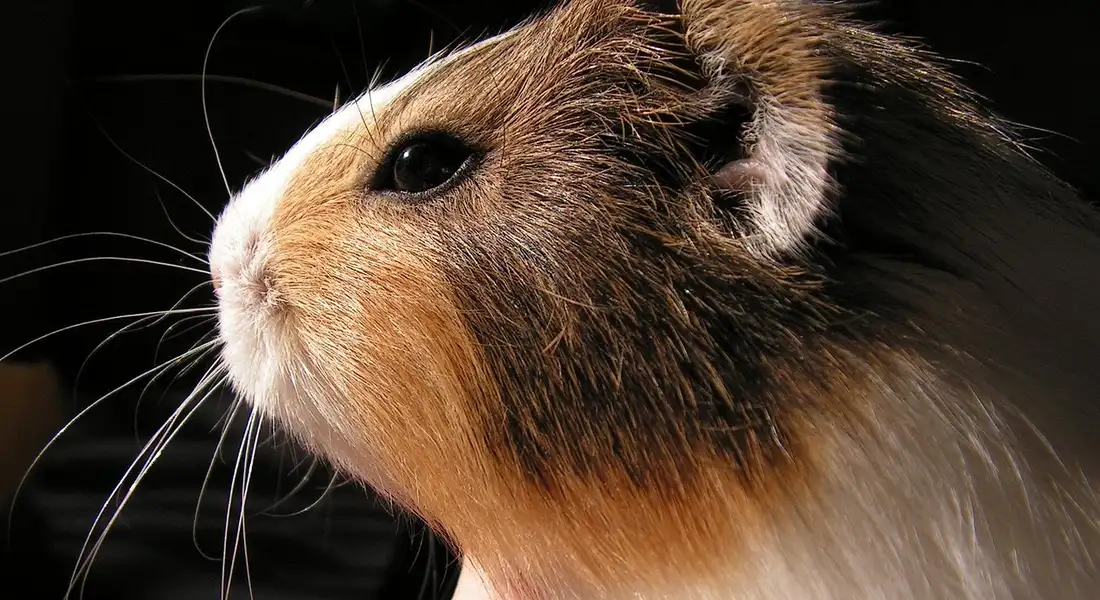
Recognizing the difference between normal aging and a medical emergency can save your senior guinea pig’s life. Any sudden or severe change in behavior, appetite, or mobility requires immediate veterinary attention. Trust your instincts-you know your pet best.
Emergency Signs That Need a Vet Now
Don’t wait if you observe any of these critical symptoms. Time is of the essence for our small, fragile friends.
- Labored, noisy, or rapid breathing
- Complete refusal to eat or drink for more than a few hours
- Inability to urinate or defecate
- Severe lethargy or unresponsiveness
- Obvious signs of pain, like teeth grinding or a hunched posture
- Seizures or a head tilt
- Any bleeding or significant injury
Common Scenarios Warranting a Vet Visit
Some health changes aren’t immediate emergencies but still need professional evaluation. I’ve learned from my trio that subtle signs often point to bigger issues.
Sudden or Gradual Weight Loss
This is a huge red flag. Weigh your senior guinea pig weekly with a kitchen scale; even a small, consistent drop can signal dental problems, organ issues, or pain. Learn how to weigh your guinea pig at home and why it’s important to do it regularly. My guinea pig, Pepper, once lost a few grams each week, and it turned out his back molars needed filing.
Mobility Issues and Arthritis
Stiffness is common, but an inability to walk is not. Look for these signs:
- Dragging back legs
- Reluctance to move or explore
- Difficulty getting up or down from a hidey
- Noticeable limping or favoring one side
Changes in Eating and Drinking Habits
Senior pigs are prone to dental disease. Watch for drooling, dropping food, or only eating soft foods. A decrease in water intake can quickly lead to dehydration.
Scheduling Regular Senior Checkups
Preventive care is your best defense. I schedule wellness exams for my older pigs every six months, as their bodies change so quickly. These visits often catch issues like heart murmurs or early-stage kidney disease long before symptoms appear.
Your vet will typically check their weight, teeth, heart, lungs, and joints. They can also provide tailored advice on diet and supplements for your specific pig’s needs.
Being proactive with veterinary care is one of the most loving things you can do for your aging companion. Early intervention often leads to simpler, more effective treatments and a better quality of life.
Common Questions
Is there a guinea pig aging chart I can follow?
While specific charts vary, a general guideline is that guinea pigs are considered seniors around age four. Their life stages progress rapidly, so regular observation is key to understanding your individual pet’s aging process. For a more precise assessment, see our complete guide to determining your guinea pig’s age. It outlines signs, milestones, and breed nuances to help you estimate age at home.
What are the benefits of ginger for my senior guinea pig?
A small amount of fresh, grated ginger can help soothe a senior guinea pig’s sensitive stomach and encourage healthy digestion. Always consult your veterinarian before introducing any new supplement to ensure it is appropriate and dosed correctly for your pet.
What are the main stages of guinea pig aging?
Guinea pigs progress from young adults to mature adults and then enter their senior years around age four. By understanding what to expect at each stage of a guinea pig’s life stages, you can tailor care to their changing needs. From playful juveniles to serene seniors, each stage brings its own needs and rewards. The final geriatric stage requires the most specialized care and daily support for their comfort and well-being.
Embracing the Golden Years with Your Guinea Pig
From caring for my own senior guinea pigs like Clover, who’s 3 and still full of grace, I’ve learned that early health monitoring and a balanced diet are key to their well-being. Regular vet check-ups and a comfortable, low-stress environment can significantly extend their quality of life.
Being a responsible pet owner means committing to lifelong learning and eco-friendly choices in their care. Adopting sustainable habits, like using biodegradable bedding, helps protect our planet while keeping your furry friends safe and content.
Further Reading & Sources
- The geriatric guinea pig – The Veterinary Nurse
- Caring for a Senior Guinea Pig: Top Health Tips and Vet Advice
- Caring for Your Senior Guinea Pig | Small Pet Select
- Signs of Old Age in Guinea Pigs | Pets on Mom.com
Kate is a passionate guinea pig owner and advocate for small pet welfare. With over a decade of experience caring for guinea pigs, she has become a trusted voice in the small pet community.
Uncategorized