Guinea Pig Weight Guide: Healthy Ranges and Monitoring
Published on: February 17, 2026 | Last Updated: February 17, 2026
Written By: Kate M. Callahan
Hello CavyFam! Is your guinea pig’s weight something you find yourself worrying about? You’re not alone-many pet parents stress over those subtle fluctuations on the scale.
In this guide, I will walk you through healthy weight ranges, a simple weekly monitoring routine, common causes of weight loss, and essential diet adjustments. Having cared for my own guinea pigs-Pepper, Clover, and Biscuit-for years, I’ve learned firsthand how vital a consistent weight check is to their well-being.
What Defines a Healthy Weight for Guinea Pigs
A healthy weight isn’t just a number on a scale; it’s about overall body condition and proportion. You need to consider both the scale weight and a visual and tactile assessment of your guinea pig’s physique. For most adult guinea pigs, a healthy range falls between 900 and 1200 grams, but this can vary significantly by breed, age, and individual frame.
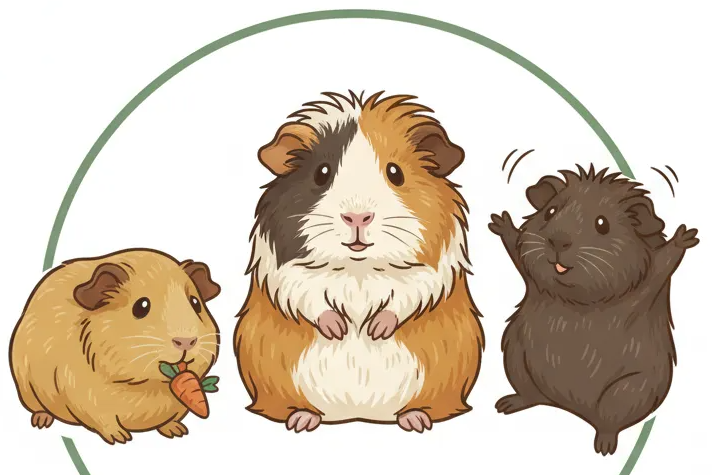
My three guinea pigs, Pepper, Clover, and Biscuit, are perfect examples of this variation. Pepper, my sturdy American, sits comfortably at 1100 grams, while Clover, the slender Abyssinian, maintains a healthy 950 grams. Biscuit, my young Peruvian, is still growing into his luxurious coat and is a lighter 800 grams.
To truly gauge health, perform a simple hands-on check. Gently run your fingers along their sides-you should be able to feel their ribs with a slight cushioning, not see them or struggle to find them beneath a thick layer of fat. Their spine should feel smooth, not sharp or deeply buried.
How to Weigh Your Guinea Pig Accurately and Safely
Accurate weighing is the cornerstone of good health monitoring. The safest and most reliable method is using a digital kitchen scale that measures in grams. I place a small, shallow cardboard box or a towel on the scale first, then tare it to zero before gently placing my guinea pig inside. Always cradle and support your guinea pig with both hands during handling to prevent slips. Keep the session calm and brief to minimize stress.
Always ensure the weighing surface is secure and has low sides to prevent any falls or jumps. I often offer a tiny piece of their favorite veggie, like cilantro or a bell pepper slice, to keep them occupied and still for a more accurate reading. Speak to them in a calm, reassuring voice throughout the process to keep them relaxed.
- Use a digital kitchen scale for precision.
- Place a non-slip mat or small box on the scale first.
- Always tare the scale to zero before placing your pet.
- Offer a small, healthy treat to encourage stillness.
- Weigh at the same time of day for consistency, ideally before their main morning meal.
Setting Up a Consistent Weighing Routine
Consistency transforms weighing from a random check into a powerful health tool. I make it a non-negotiable part of our weekly Sunday morning routine, right after I refresh their hay and before breakfast. This habit ensures I catch any subtle changes early, whether it’s a slow gain or a sudden loss.
Keep a dedicated logbook or a note on your phone. Recording the date and weight each week creates a valuable history that can reveal trends your vet needs to see. I’ve caught minor health issues with my own pets simply by noticing a pattern of slight weight fluctuation over a month that I would have otherwise missed.
If your guinea pig is ill, underweight, or elderly, you may need to weigh them more frequently. Turning this task into a positive, low-stress experience strengthens your bond and makes healthcare a normal part of life together. Weighing at home weekly helps you catch small changes early and act quickly. That’s why weekly at-home weigh-ins are a simple, important part of ongoing care.
Recognizing Signs of Weight Issues in Guinea Pigs

Spotting Early Warning Signs of Illness
You can often feel weight issues before you see them. Run your fingers gently along your guinea pig’s spine and ribs; prominent, sharp bones usually mean they’re underweight. My guinea pig Biscuit once felt bony after a stressful move, which was our first clue something was off.
Watch for behavioral shifts like reduced appetite or less interest in favorite veggies. A sudden disinterest in food, especially hay, is a major red flag that warrants an immediate vet visit. I learned this when Clover stopped munching her timothy hay, signaling a dental problem.
Check their overall body shape from above. A healthy guinea pig should have a smooth, oval shape, not a sunken waist or bulging sides that make it hard to feel their ribs. Pepper maintains a lovely oval shape, which I monitor weekly during our cuddle sessions. Understanding the key parts of guinea pig anatomy helps you know what to check beyond the silhouette. A quick routine can include noting the ribs, spine, abdomen, and limbs for any changes.
Factors That Influence Guinea Pig Weight
Weight Changes Through Life Stages
Young guinea pigs grow rapidly in their first year. Expect steady weight gain as they develop, with growth slowing significantly after twelve months. Watching Biscuit grow from a tiny pup to a sturdy adult showed me how dramatic this initial growth phase can be. It’s essential to also know what to expect in each stage of a guinea pig’s life to provide the right care.
Adult guinea pigs should maintain a stable weight. Mature pigs like my three-year-old Clover need consistent monitoring since sudden changes often indicate health issues. Their weight acts as a reliable health barometer when tracked regularly.
Senior guinea pigs may naturally lose some muscle mass. Older pigs require adjusted diets and closer observation, as weight loss can accelerate quickly in their golden years. Care for aging guinea pigs also involves watching for common senior health issues such as dental problems and arthritis. Regular vet checkups and timely dental care help manage these risks. Providing softer foods and more frequent, smaller meals helps them maintain condition.
Practical Steps for Maintaining a Healthy Weight
Diet and Exercise for Optimal Weight Management
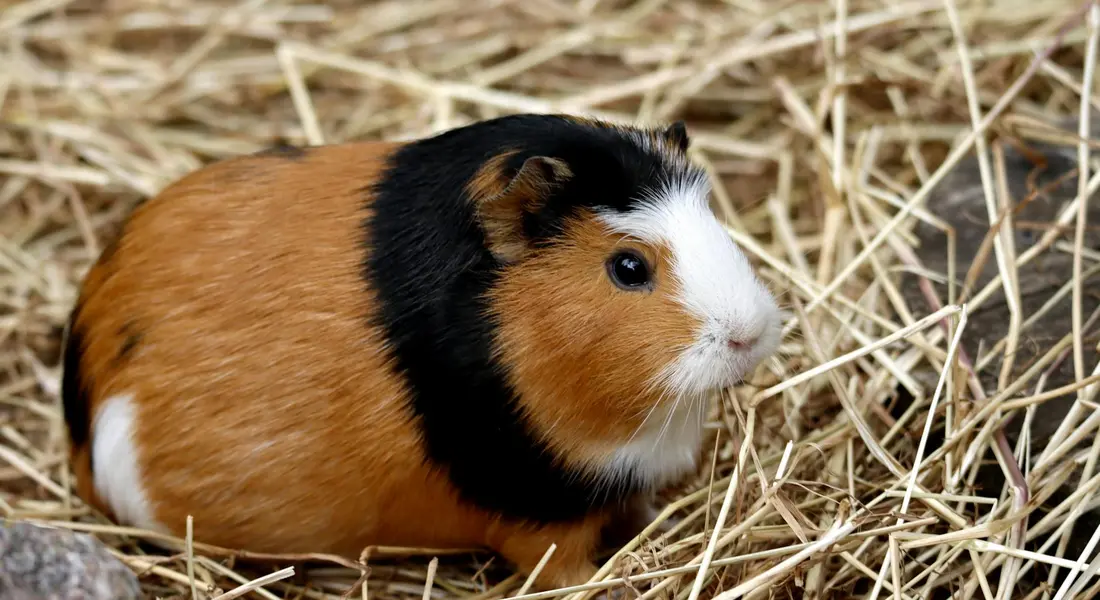
Keeping your guinea pig at a healthy weight boils down to a simple balance: what goes in versus what gets burned off through activity. A proper diet is the absolute cornerstone of weight management, and it starts with unlimited, high-quality grass hay. My piggies, Pepper and Biscuit, get constant access to timothy hay, which keeps their digestive systems moving and wears down their ever-growing teeth. An ideal overall diet for a healthy guinea pig combines unlimited hay with fresh vegetables and a small amount of fortified pellets to meet vitamin C and mineral needs. Together, these elements support steady weight, digestion, and dental health.
Fresh vegetables are vital for nutrients, but portion control is key. I give my trio about one cup of mixed veggies per pig per day. I focus on leafy greens like romaine lettuce and cilantro, using sweeter treats like carrot or bell pepper as tiny, occasional rewards. This prevents them from filling up on sugary foods and helps maintain a steady weight.
Pelleted food should be a supplement, not the main event. I offer a measured quarter-cup of plain, timothy-based pellets daily for each adult guinea pig. Overfeeding pellets is a very common way guinea pigs pack on extra ounces without you even realizing it. Always ensure fresh, clean water is available in a heavy, tip-proof bowl.
Exercise is the other half of the equation. A large cage is a good start, but it’s not enough for real activity. My most effective strategy is daily, supervised floor time in a secure, guinea-pig-proofed area. I scatter their veggies around the room to encourage natural foraging behavior. Clover, my Abyssinian, especially loves navigating simple cardboard box mazes, which keeps her mind and body active.
- Provide unlimited grass hay (Timothy Orchard are great choices).
- Measure pellets-a quarter cup per adult pig per day is typically sufficient.
- Offer one cup of fresh vegetables daily, focusing on low-calorie greens.
- Schedule daily floor time outside the cage for at least an hour.
- Use food-based puzzles and hide veggies to promote natural foraging and movement.
When to Consult a Veterinarian About Weight Concerns
While regular at-home monitoring is essential, some situations require professional expertise. Any sudden weight loss or gain is a major red flag and warrants an immediate vet visit. I learned this the hard way when Biscuit, my Peruvian, suddenly dropped a few ounces; it turned out he had a dental issue that needed prompt treatment.
You should also call your vet if you feel abnormal lumps or bumps while handling your guinea pig. Unexplained weight changes can sometimes be linked to underlying conditions like heart disease, tumors, or metabolic disorders. It’s always better to be safe and get a professional opinion.
Watch for behavioral changes that accompany weight fluctuations. Is your usually hungry guinea pig suddenly ignoring their favorite veggies? Are they less active or struggling to move? Lethargy, a hunched posture, or difficulty walking are serious signs that something is wrong and needs a veterinarian’s diagnosis. If your guinea pig seems sick, use a complete home troubleshooting checklist to guide your next steps. Keeping notes of changes can help you and your vet quickly pinpoint issues.
If you are consistently following a proper diet and exercise plan but your guinea pig continues to gain or lose weight, it’s time for a check-up. If your guinea pig has just joined your family, your first veterinary check-up should be scheduled soon after adoption. Your veterinarian can perform a thorough examination, run diagnostic tests if needed, and help you create a tailored health plan for your specific pet. They are your best partner in ensuring your furry friend lives a long, healthy, and comfortable life. This initial visit helps establish a baseline of health and guides you on nutrition, dental care, and preventive routines for a smooth transition at home.
FAQs
What is a typical guinea pig weight chart by age?
Young guinea pigs under 6 months often weigh 400-700 grams as they grow rapidly. Adults aged 1-5 years usually stabilize between 900-1200 grams, while seniors may see a gradual decline. This serves as a quick guinea pig size guide by age and breed to help you gauge your guinea pig’s growth. Keep in mind that size varies by breed, so check breed-specific ranges for more precise guidance.
How does guinea pig weight differ for females?
Female guinea pigs typically weigh slightly less than males, with a healthy range often between 700-1100 grams. Factors like breed and frame size can cause individual variations within this range.
What causes guinea pig weight loss?
Weight loss can result from dental issues, illness, or inadequate diet and requires prompt attention. It’s crucial to consult a vet if you notice sudden or unexplained drops in weight.
Is guinea pig weight measured in kilograms common?
Guinea pig weights are most accurately tracked in grams for precision, as small changes matter. Converting to kilograms, a 1000-gram pig is 1 kg, but grams are standard for monitoring health.
Are daily guinea pig weight fluctuations normal?
Minor daily fluctuations of 10-30 grams can occur due to food intake or hydration and are usually not concerning. Consistent trends of gain or loss over a week should be investigated further.
Keep Your Guinea Pig Thriving
Make a habit of weekly weigh-ins to spot health changes early, and pair this with a balanced diet rich in hay and fresh vegetables. Consistent monitoring is your simplest and most powerful tool for catching potential issues before they become serious.
Being a great pet owner means committing to lifelong learning about your guinea pig’s unique needs and behaviors. Choose eco-friendly options like paper-based bedding and always prioritize your pet’s welfare in every decision you make for their care. In this ultimate guide, you’ll learn safe bedding options for guinea pigs and how to choose the right material for comfort and health. This guide will also help you avoid common bedding mistakes.
Further Reading & Sources
- Guinea Pig Weight Guide
- Guinea Lynx :: Weigh Weekly!
- How Big Do Guinea Pigs Get? | How to Weight Guinea Pigs
- How Much Should A Guinea Pig Weigh – Complete Guide
Kate is a passionate guinea pig owner and advocate for small pet welfare. With over a decade of experience caring for guinea pigs, she has become a trusted voice in the small pet community.
Uncategorized