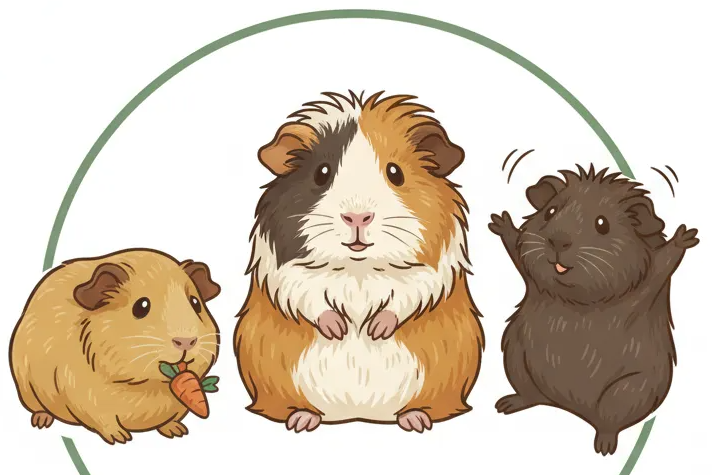
What Are the Signs of a Healthy Guinea Pig Pair Bond?
Published on: January 3, 2026 | Last Updated: January 3, 2026
Written By: Kate M. Callahan
Hello CavyFam, Are you wondering if your guinea pigs are truly bonded and happy together? It’s a common worry for pet owners to question if their furry friends are getting along well.
I’ll walk you through the clear indicators, covering mutual grooming, shared resting habits, positive vocal exchanges, and peaceful coexistence. With years of hands-on care for guinea pigs like Pepper, Clover, and Biscuit, I can help you recognize these joyful connections.
Understanding the Foundation of a Guinea Pig Pair Bond
Guinea pigs are not solitary animals by nature; they thrive in the company of their own kind. Their entire social structure is built upon forming close-knit herds in the wild, a need that translates directly to our homes. I’ve watched my trio, Pepper, Clover, and Biscuit, and their interactions are a constant reminder that companionship is a basic requirement for their mental and physical health. A pair bond is more than just two animals sharing a cage; it is a mutually beneficial relationship that provides security, comfort, and enrichment.
This bond is typically strongest between two females (sows) or a neutered male (boar) and a female. Introducing two adult, unneutered males can be challenging and requires careful, supervised bonding sessions. From my experience, the foundation of any great friendship starts with a proper, stress-free introduction in a neutral space, not in either pig’s established cage. This prevents territorial disputes and lets them focus on getting to know each other.
Key Behavioral Signs of a Strong Guinea Pig Friendship
Once a bond is established, you will notice clear, positive behaviors that signal a happy and healthy relationship. Are these common guinea pig bonding behaviors? What do they mean for your pair? Observing these daily interactions is one of the most rewarding parts of being a guinea pig owner.
- Mutual Grooming: You will often see them gently nibbling and licking each other’s fur, especially around the head and ears. My Abyssinian, Clover, is particularly graceful in how she groves Pepper’s golden-brown coat.
- Peaceful Co-Resting: Healthy friends will sleep side-by-side or even cuddle up together. They feel safe enough to let their guard down completely in each other’s presence.
- Shared Vocalizations: Listen for a symphony of happy, relaxed rumbles and purrs when they are together. The absence of constant, sharp shrieks of alarm is a very good sign.
- Synchronized Activities: They will often eat, drink, and explore their environment at the same time. It’s like watching a well-rehearsed, fluffy dance.
- Respectful Space Sharing: While they snuggle, they also give each other room. You won’t see one constantly chasing or cornering the other. My gentle Pepper and reserved Biscuit maintain a perfect balance of togetherness and independence.
A strong bond means they see each other as a source of comfort, not competition. You should not witness persistent mounting, barbering (chewing off another’s fur), or teeth chattering, as these are signs of tension or bullying that need immediate attention for their welfare.
Setting the Stage for Successful Bonding
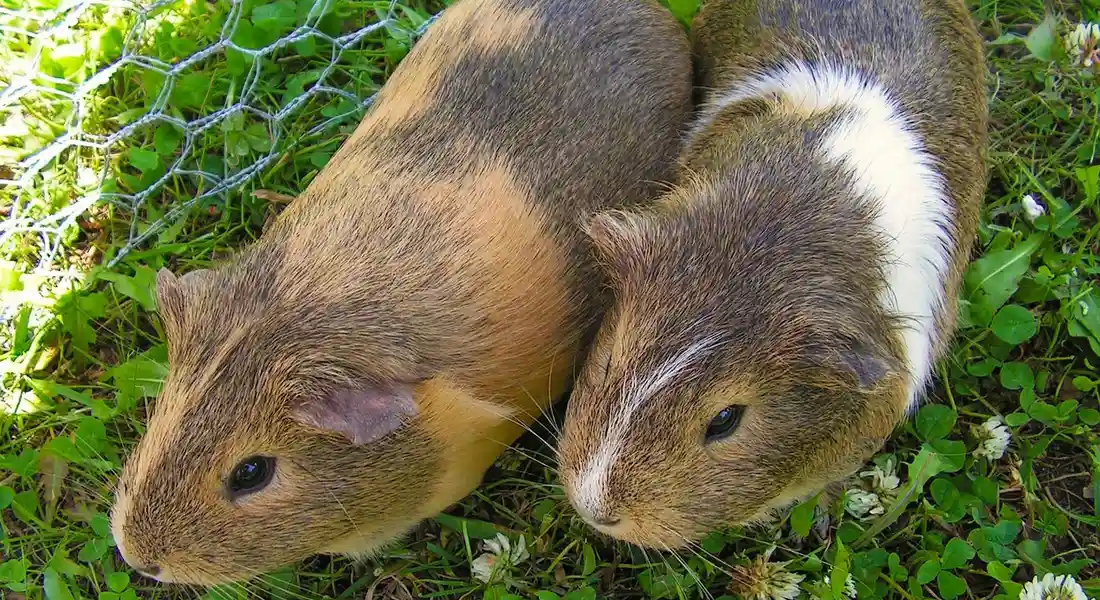
Creating the right environment is half the battle when introducing guinea pigs. I learned this the hard way when I first brought Biscuit home to meet my older pair. The initial meeting space must be a completely neutral territory that neither pig considers their own. This prevents immediate territorial disputes over familiar smells and hiding spots. For beginners, the best cage setup for new guinea pigs means a spacious, neutral enclosure that’s easy to clean. That simple setup helps make introductions calmer and more successful.
A large, open playpen on the floor works perfectly for this. You want a space that is easy to clean and has no pre-established scents. I always scrub the area with a mild vinegar solution beforehand. Stock this neutral zone with multiple piles of hay and at least two water bottles placed far apart. This setup encourages peaceful grazing side-by-side without forcing them to share a single resource.
Providing ample hiding spots is crucial, but they must have multiple exits. A pig feeling cornered can become defensive. I use simple cardboard boxes with two doorways cut out or bendy bridges. Having multiple escape routes in every hideaway reduces stress and prevents one pig from blocking another. Watch how they use these spaces; it tells you a lot about their comfort levels.
Timeline and Progression of Guinea Pig Bonding
Bonding is not an overnight event. It’s a process that unfolds over days or even weeks, requiring immense patience from you. The first 48 hours are often the most volatile, filled with dominance displays like rumble strutting and gentle nose-offs. This is normal communication, not necessarily fighting.
Here is a typical progression I’ve observed with my own herds:
- Day 1-3: The Investigation Phase. You’ll see cautious sniffing, following, and those low, chattering rumble struts. Mounting might occur. This is all about figuring out the new social order.
- Day 4-7: The Settling-In Phase. The intense chasing often lessens. You might catch them eating hay near each other or resting a few inches apart. This is a huge positive sign!
- Week 2 and Beyond: The Companionship Phase. This is the goal. They will seek each other out, sleep cuddled together, and communicate with soft, contented purrs and wheeks.
My Abyssinian, Clover, took nearly three weeks to fully accept Biscuit. Progress is rarely a straight line, and a minor squabble doesn’t mean the bond is failing. True fighting involves lunging, biting, and fur flying, which requires immediate separation. The gentle nudges and chatter you see beforehand are just their way of talking.
Supporting and Strengthening the Bond
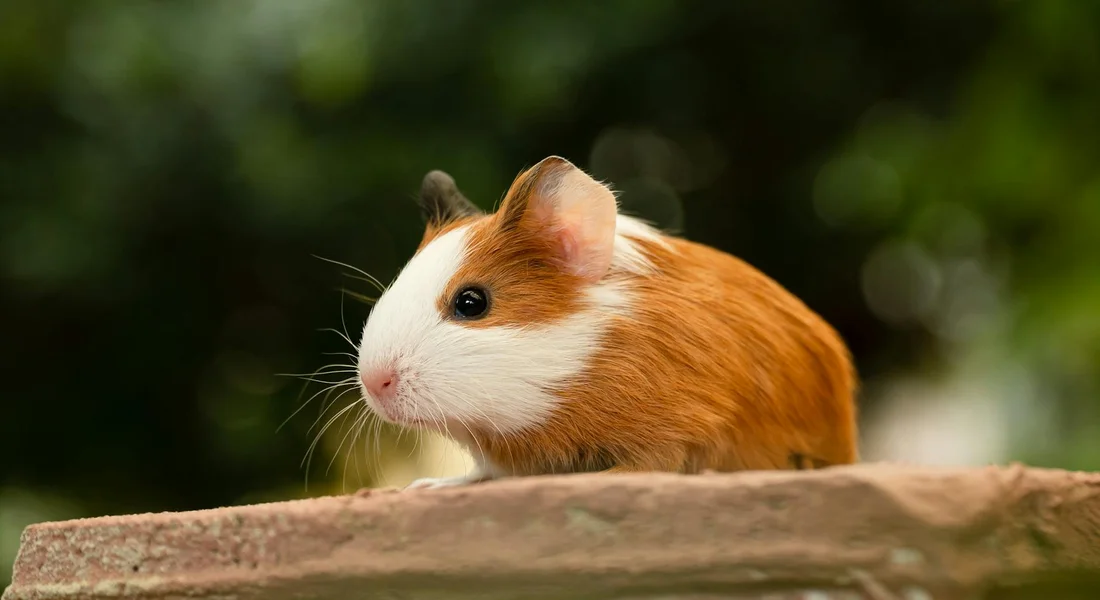
Building a strong bond between your guinea pigs requires active support from you. Providing a spacious habitat is the single most important factor for a peaceful cohabitation. I learned this firsthand after upgrading Pepper and Clover’s cage; the extra room dramatically reduced their minor squabbles over food bowls.
Establish a predictable daily routine they can rely on together.
- Feed them at the same times each day, placing multiple piles of veggies to prevent competition.
- Schedule floor time as a pair, allowing them to explore new environments side-by-side.
- Talk to them gently during interactions, so your voice becomes a shared, comforting signal.
Enrichment activities are fantastic for teamwork.
I often hide cilantro in paper bags for my trio to find together. Watching them work as a team to shred the bag and share the prize solidifies their partnership. This cooperative problem-solving builds mutual trust and positive associations.
Recognizing and Addressing Bonding Challenges
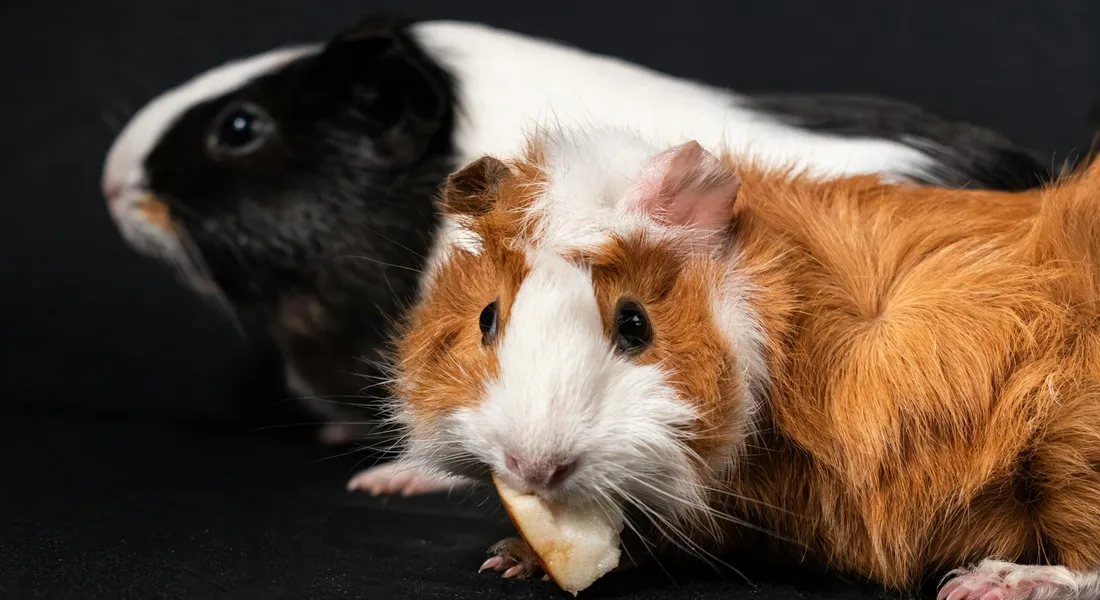
Even the best bonds can face hurdles. It is vital to distinguish normal communication from serious distress. Brief chasing or low rumbling is often just them establishing hierarchy, not a failing bond. My Abyssinian, Clover, sometimes rumbles at Biscuit, which is her way of saying, “I was here first.”
Watch for these true red flags that signal a bond in trouble.
- Persistent, aggressive chasing with biting and fur pulling.
- One pig consistently barricading itself away from the other.
- Noticeable weight loss in one guinea pig because it’s being blocked from food.
- Deep, prolonged teeth chattering that doesn’t subside.
If you see these signs, immediate action is needed for their welfare.
A temporary separation with a divider in the cage can allow both animals to de-stress while still seeing and smelling each other. Never simply throw two fighting pigs back together; this can worsen the aggression and cause injury. Re-introduce them slowly on neutral territory, just as you would with new guinea pigs, with plenty of distracting veggies. If they’re still not getting along, don’t force interaction—keep them safely separated and reassess. Consider consulting a vet or a guinea pig behavior expert if the aggression continues. Their safety and comfort must always come first.
When to Seek Additional Support
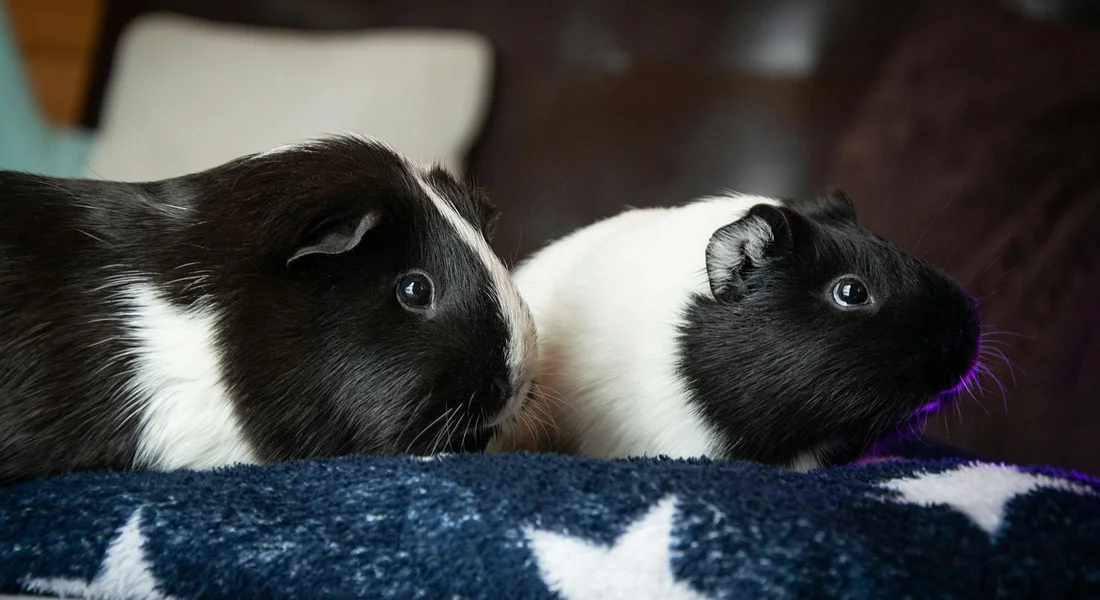
Even with the best intentions, guinea pig pairs can hit rough patches that need your attention. From my time caring for Pepper, Clover, and Biscuit, I’ve learned that early intervention can prevent small issues from becoming big problems. To keep introductions smooth, avoid common missteps. Specifically, here are 9 socialization mistakes to avoid when introducing guinea pigs.
Watch for these warning signs that their bond might be strained. Persistent chasing, loud teeth chattering, or frequent fur pulling are clear red flags that something is off.
- One guinea pig constantly hides or avoids the other
- Noticeable weight loss in either pet from stress
- Injuries like bite marks or scratches on their skin
- Refusal to share food, water, or favorite resting spots
If you spot any of these, take immediate steps to keep them safe. First, gently separate them into adjacent cages so they can still see and smell each other without direct contact.
- Check for injuries and clean any wounds with a vet-approved solution
- Ensure each has their own food bowl and hideaway to reduce competition
- Spend extra one-on-one time with each to ease their stress
- Gradually reintroduce them in a neutral space after a few days
Sometimes, professional help is necessary for their well-being. Reach out to an exotic animal vet if aggression doesn’t improve or if you notice signs of illness like lethargy or loss of appetite.
I recall when Biscuit, my reserved Peruvian, started avoiding Clover after a minor scuffle. By monitoring their interactions and providing separate cozy spots, I helped them rebuild trust without further conflict.
Always prioritize their comfort and safety above all else. Guinea pigs thrive on stability, so consistent routines and a calm environment can work wonders for mending bonds. This same steady approach helps when introducing new guinea pigs so they bond successfully. By pacing introductions and maintaining routines, you set the stage for a lasting companionship.
FAQs
How often should you have bonding sessions?
Start with short, daily sessions of about 15-30 minutes in a neutral area. Gradually increase the duration and frequency as the guinea pigs show more comfort and positive interactions with each other. The time it takes to bond varies, but many pairs form a strong bond within a week or two with consistent sessions. Some pairs may take longer, up to several weeks, especially if one guinea pig is shy.
Can two neutered guinea pigs bond?
Yes, two neutered guinea pigs can form a strong bond, as neutering reduces hormonal aggression and territorial behaviors. This makes introductions smoother and increases the likelihood of a successful, long-term friendship.
What toys and enrichment support bonding?
Toys that encourage shared play, like tunnels, chew balls, and puzzle feeders, help guinea pigs interact positively. Providing items they can explore together, such as cardboard boxes with multiple exits, reduces competition and builds teamwork. These ideas are great boredom busters and fit into a broader set of 20 safe, engaging enrichment ideas for guinea pigs. Rotating toys and hiding spots keeps them curious and engaged.
What foods or treats can support bonding?
Offering high-value treats like small pieces of bell pepper or cilantro during sessions creates positive associations. Place multiple piles of these treats to encourage peaceful, side-by-side eating without resource guarding.
What behaviors indicate stress during bonding?
Signs of stress include persistent teeth chattering, constant hiding, or aggressive chasing with biting. If you observe these, pause the session and give the guinea pigs a break to prevent escalation. Stress signs in guinea pigs are often subtle but crucial to recognize.
Final Words on Nurturing Your Guinea Pig Pair
Watch for gentle grooming and playful chirps to spot a strong bond between your guinea pigs. Regular checks on their behavior, as I do with Biscuit and Clover, help you catch any issues early and keep their friendship thriving. It’s essential to monitor your guinea pigs’ happiness as part of their overall care.
Stay curious and keep learning about guinea pig needs to be a better pet parent. Opting for eco-friendly choices, like reusable habitat liners, shows care for your pets and our Earth alike. Proper care for guinea pigs also means providing a clean, spacious living space. Daily hay, fresh water, and companionship are essential.
Further Reading & Sources
- The Ultimate Guide to Guinea Pig Bonding and Pairing
- Guinea pig bonding basics | Animal Humane Society
- How to introduce guinea pigs – PDSA
- shropshireguineapiggery – Bonding
Kate is a passionate guinea pig owner and advocate for small pet welfare. With over a decade of experience caring for guinea pigs, she has become a trusted voice in the small pet community.
Uncategorized