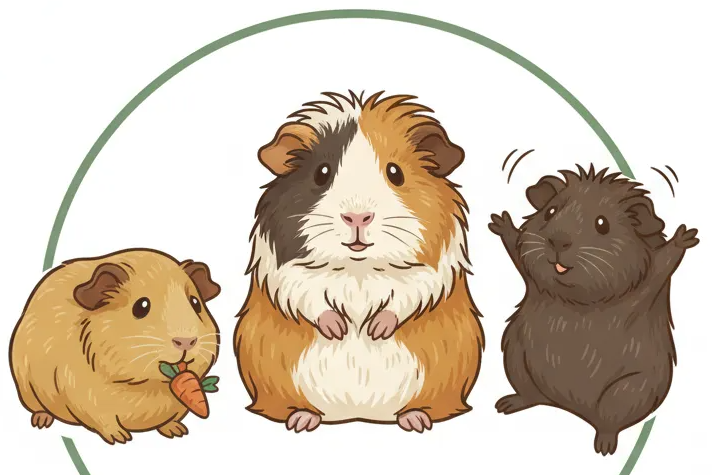
Guinea Pig Anatomy: Key Parts You Should Know
Published on: January 7, 2026 | Last Updated: January 7, 2026
Written By: Kate M. Callahan
Hello CavyFam! Have you ever looked at your guinea pig and wondered how their body works to keep them happy and healthy? Knowing their anatomy helps you catch small issues before they become big problems, giving you peace of mind.
I will break down the essential areas like teeth, ears, eyes, feet, and fur. My hands-on experience with guinea pigs like gentle Pepper and thoughtful Clover has taught me how each part supports their well-being.
An Introduction to Guinea Pig Anatomy
Getting to know your guinea pig’s body helps you spot health issues early and care for them better. I’ve spent years observing my trio-Pepper, Clover, and Biscuit-and understanding their anatomy has made me a more attentive owner. This knowledge lets you respond quickly to changes, ensuring your pet stays happy and healthy.
External Features: Fur, Feet, and Form
Body Shape and Size
Guinea pigs have a stout, rounded body that’s built for comfort and stability. Their compact shape makes them less prone to injuries from falls, which I’ve seen with my gentle Pepper who loves exploring safe, low spaces. Adults typically weigh between 1.5 to 2.5 pounds and measure 8 to 10 inches long, but sizes vary by breed.
- American breeds like Pepper often have a smooth, uniform shape.
- Abyssinian types, such as Clover, may appear slightly more angular due to their rosettes.
- Peruvian guinea pigs like Biscuit can look longer because of their flowing fur.
Fur and Skin Details
Your guinea pig’s coat and skin need regular attention to prevent issues like mites or matting. From my experience, Clover’s Abyssinian fur with its unique swirls requires gentle brushing to avoid tangles, while Biscuit’s Peruvian hair demands daily care to stay clean. Understanding guinea pig fur types and their characteristics helps tailor grooming to each coat. Different coats—Abyssinian swirls vs. long Peruvian hair—need distinct care routines. Skin should feel soft and free of flakes; any redness could signal irritation.
- Short-haired breeds shed less and are easier to maintain.
- Long-haired varieties need frequent grooming to prevent knots.
- Check for parasites weekly by parting the fur and looking closely.
Feet and Toe Count
Guinea pigs have four toes on their front feet and three on the back, which aids in steady movement. I always inspect my pets’ feet for sores or overgrown nails, as improper flooring can cause painful conditions like bumblefoot. Keep their living area soft with fleece or hay to protect those delicate toes.
- Front feet: four toes each, ideal for grasping food.
- Back feet: three toes each, helping with balance and digging.
- Trim nails every 3-4 weeks to avoid discomfort and injury.
Internal Systems: Organs and Their Roles
Digestive System
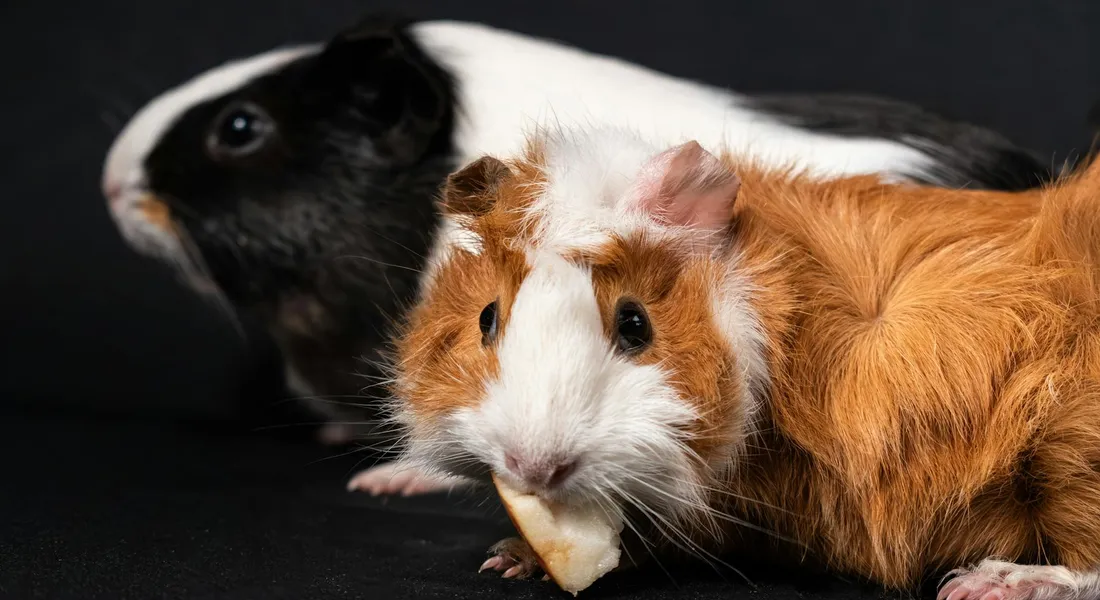
A guinea pig’s digestive system is a finely tuned machine designed for constant grazing. Their stomach is relatively small, so they need to eat frequent, small meals of hay to keep everything moving smoothly. I always keep timothy hay available for my trio—Pepper, Clover, and Biscuit—to mimic their natural eating habits. So, what do normal guinea pig eating habits look like? They typically graze on hay throughout the day, with small portions of fresh greens and pellets to round out their diet.
The cecum acts like a fermentation chamber where beneficial bacteria break down fibrous plant material. This is why producing and consuming cecotropes-nutrient-rich droppings-is a vital, normal part of their digestion. You might see them bend down to eat these soft pellets directly from their body; it’s essential for their health.
Their teeth never stop growing, which is why a diet high in roughage is non-negotiable. Chewing on hay constantly grinds their molars down naturally, preventing painful dental spurs. I check my pigs’ front teeth weekly for even wear.
Circulatory and Respiratory Systems
A guinea pig’s heart beats incredibly fast, often over 230 beats per minute, to pump blood efficiently through their compact body. This rapid circulation supports their high metabolism and constant energy needs for foraging and popcorning. Any sign of labored breathing or lethargy requires immediate veterinary attention.
Their lungs are delicate and susceptible to respiratory infections. Keeping their bedding clean, dry, and dust-free is the single most important thing you can do to protect their respiratory health. I use paper-based bedding for my herd and avoid aromatic wood shavings completely.
Proper oxygen exchange is critical for their wellbeing. Watch for clear, unobstructed nostril breathing; any wheezing, clicking, or discharge can signal a serious upper respiratory infection. I learned this the hard way with Biscuit, who needed antibiotics for a sniffle that quickly escalated.
Urinary and Reproductive Systems
Guinea pigs have efficient kidneys that produce urine containing calcium crystals. You will often see white, chalky residue in their habitat, which is a normal byproduct of their unique calcium processing. Providing fresh water daily helps flush their system and prevent sludge.
Females have a Y-shaped uterus, while males have prominent testicles that make sexing adults relatively straightforward. Spaying or neutering your pets can prevent reproductive cancers and prevent unwanted litters, contributing to a longer, healthier life. To prevent unwanted mating in the cage, many owners separate sexes or opt for spaying or neutering. All my pigs are spayed for this reason.
The urinary opening in females is very close to the anus. This anatomy makes them prone to urinary tract infections if their living space isn’t kept impeccably clean. I do a full cage clean twice a week to ensure Pepper, my most sedentary pig, stays healthy and comfortable.
The Skeletal Framework: Bones and Support
Skull and Spine
A guinea pig’s skull houses those ever-growing teeth and provides attachment points for strong jaw muscles. The large eye sockets give them nearly 360-degree vision, an evolutionary advantage for spotting predators while they forage. This is why they often startle at sudden movements above them.
Their spine is remarkably flexible yet fragile, consisting of many small vertebrae. You must always support their entire body and hindquarters when handling them to prevent spinal injuries. I use two hands to scoop up my pigs, making them feel secure.
The spinal cord runs through a canal protected by these vertebrae. Any trauma to their back can lead to paralysis, so never let children hold them unsupervised. Clover once wriggled from a low height, and the scare taught me to always handle them while seated.
Rib Cage and Limbs
The rib cage forms a protective bony shield around their heart and lungs. You can gently feel their ribs under a healthy layer of muscle and fat; they should not be prominently visible. This helps me monitor Biscuit’s weight during weekly health checks.
Their front legs are shorter than their hind legs, creating a characteristic rounded body shape. This structure is perfect for scurrying and quick directional changes but makes them poor climbers and jumpers. I never use multi-level cages with high ledges for this reason.
Four toes on the front feet and three on the back provide stable traction. Keep their nails trimmed short to prevent foot deformities and ensure proper posture while walking. I trim my herd’s nails every three weeks to avoid the quick and keep their gait natural.
Sensory Organs: Eyes, Ears, and Whiskers
Eyes and Color Vision
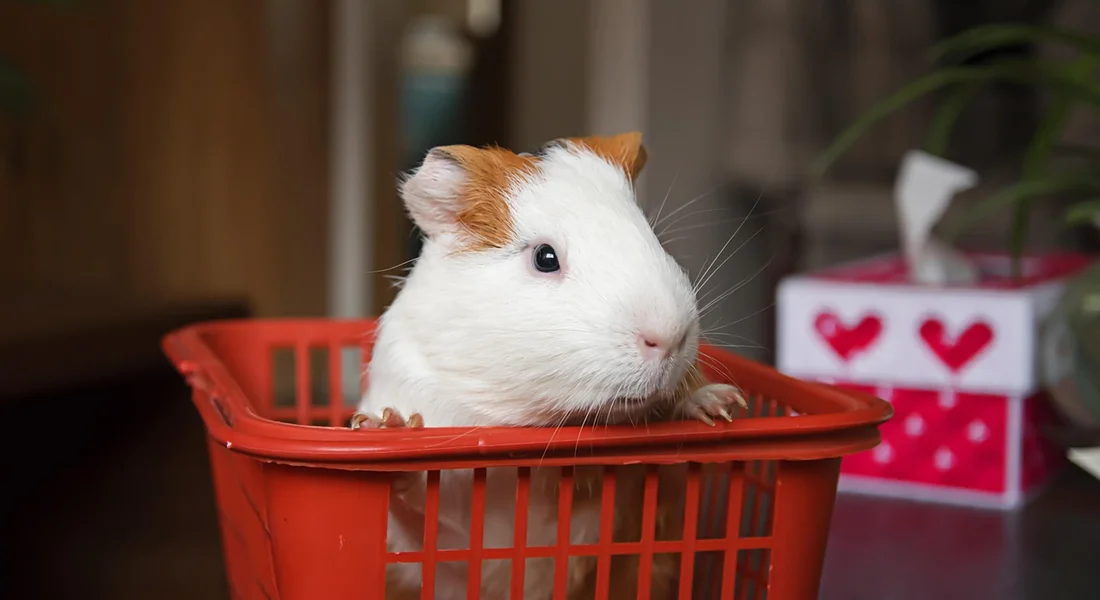
Guinea pigs have large, round eyes on the sides of their heads, giving them a wide field of view to spot predators. Their vision isn’t as sharp as ours, but they can detect movement and some colors, like blues and greens, which helps them navigate their surroundings safely. Oc I’ve noticed with my guinea pig Pepper that she often freezes and stares when something new enters the room, relying on her peripheral vision to stay alert.
Unlike humans, guinea pigs have limited depth perception, so they might misjudge distances when jumping or exploring. To keep them comfortable, avoid sudden movements and provide a stable environment with familiar landmarks they can recognize easily. This is part of a complete guide on what guinea pigs like and dislike. From caring for Clover, I’ve seen how she uses color cues to find her favorite hideouts, making her feel more secure in her space.
Ears and Hearing
Guinea pig ears are highly sensitive and can pick up a broad range of sounds, including high-pitched noises we might not hear. This acute hearing helps them communicate with each other through squeaks and purrs, signaling everything from hunger to happiness. My guinea pig Biscuit perks up his ears at the crinkle of a treat bag, showing how vital sound is for their daily interactions. Understanding these sounds is key to caring for them well.
Regularly check their ears for dirt or mites to prevent infections, using a soft cloth for gentle cleaning. Guinea pig ears are sensitive, and loud or sudden noises can affect their hearing. So I keep their environment calm to protect their delicate ears and overall well-being. Loud noises can stress them out, so I always keep their cage in a quiet area to support their well-being and reduce anxiety. In my experience, a calm home makes guinea pigs like Pepper more relaxed and vocal.
Whiskers and Touch
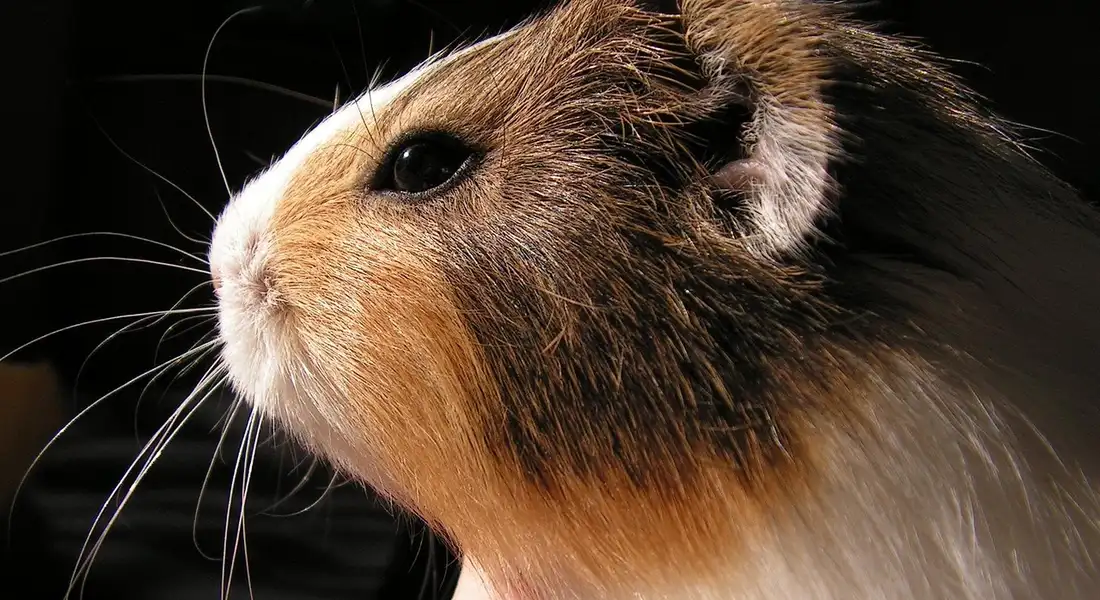
Whiskers, or vibrissae, are crucial for guinea pigs to sense their environment and navigate tight spaces. These sensitive hairs help them judge openings and avoid obstacles, especially in dim light where their vision falls short. I’ve watched Clover use her whiskers to explore new toys, brushing them gently to decide if it’s safe to approach.
Never trim their whiskers, as it can disorient them and cause stress. Providing textured items like hay tunnels or soft bedding enriches their tactile experiences and keeps them engaged. From handling Biscuit, I’ve learned that gentle touches on their whiskers can build trust, reinforcing the bond between pet and owner.
Gender Identification: Male vs. Female Anatomy
Identifying a guinea pig’s gender is essential for proper care and preventing unintended breeding. Males, or boars, typically have a more prominent genital papilla that forms a Y-shape, while females, or sows, have a smoother, slit-like opening. When I first checked Pepper, I took my time to avoid causing her discomfort, using a calm approach to get accurate results.
To safely determine gender, follow these steps with clean hands and a gentle touch:
- Place your guinea pig on a flat, secure surface and soothe them with soft words.
- Gently lift their rear and apply light pressure above the genital area to expose the parts.
- Look for the shape: males show a rounded bump, females a flatter appearance.
If you’re unsure, consult a vet to avoid mistakes that could harm your pet. Regular checks help monitor health issues, like impaction in older males, ensuring they stay happy and healthy. From my experience with Clover and Biscuit, knowing their genders early on made cage setups and social interactions much smoother.
FAQs
What muscles are key in guinea pig anatomy?
Guinea pigs rely on strong leg muscles for quick movements and popcorning. Their jaw muscles are powerful to support constant chewing on hay and vegetables.
Where are scent glands located in guinea pigs?
Guinea pigs have scent glands near their rear, used for marking territory and social communication. Keeping this area clean helps prevent skin irritations and infections. Boars also use their rear and chin scent glands for scent marking, adding another layer to social signals. The role of these scents— from rear glands to chin glands— is central to guinea pig communication, territory, and mating cues.
How can a guinea pig anatomy diagram aid owners?
A diagram provides a visual guide to internal organs like the heart and stomach for better health checks. It also clarifies bone and muscle placement to avoid handling injuries.
How does guinea pig physiology support their diet?
Their physiology includes a specialized cecum that ferments high-fiber foods for nutrient absorption. This system requires constant eating to maintain gut motility and overall health.
What features are highlighted in a labeled guinea pig anatomy chart?
Labeled charts often point out critical organs such as the lungs and kidneys for respiratory and urinary health. They also detail bone structures to help understand mobility and support needs.
Your Guinea Pig’s Body: A Care Guide
By checking their teeth, supporting their sensitive spines, and keeping their cage clean, you can directly support your guinea pig’s unique anatomy for a healthier life. This is part of properly caring for guinea pigs. Paying close attention to their feet, digestive system, and respiratory health helps you catch small issues before they become big problems. Establishing a routine of daily checks helps your pet thrive.
Learning about your pet’s body is a lifelong journey that makes you a more attentive and responsible owner. Choosing natural, eco-friendly bedding and toys not only keeps them safe but also honors the gentle creatures we are lucky to care for.
Further Reading & Sources
- Biology of the Guinea Pig
- Guinea pig anatomy: five fun facts | Small Pet Select
- Which end is the tail? | Guinea Pigs | Guinea Pigs | Guide | Omlet US
- Domestic Guinea Pig (Cavia porcellus) | Veterian Key
Kate is a passionate guinea pig owner and advocate for small pet welfare. With over a decade of experience caring for guinea pigs, she has become a trusted voice in the small pet community.
Uncategorized