Do Guinea Pigs Have Tails and Whiskers?
Published on: January 28, 2026 | Last Updated: January 28, 2026
Written By: Kate M. Callahan
Hello CavyFam! Ever found yourself gently stroking your guinea pig and wondering about their unique body features? You’re not alone-many owners puzzle over their furry friend’s anatomy.
In this guide, I’ll walk you through the fascinating details of tails, whiskers, and overall guinea pig anatomy. From explaining their hidden tail to the purpose of those sensitive whiskers, you’ll get clear, practical insights.
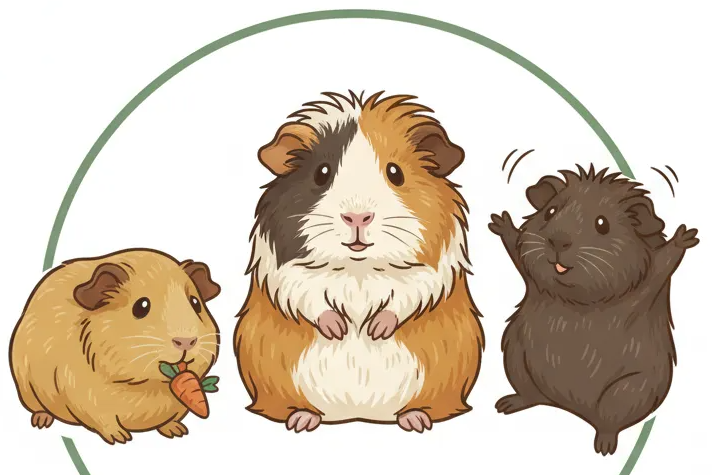
I’ve spent years caring for guinea pigs like my own trio-Pepper, Clover, and Biscuit-so I’m sharing firsthand knowledge to help you understand your pet better.
Guinea Pig Tail Basics
Many people are surprised to learn that guinea pigs do have a tail, but it’s not what you might expect. Unlike mice or rats with their long, visible tails, guinea pigs possess a tiny, hidden tail bone called a coccyx, tucked away under their fur. I first noticed this when gently handling Pepper, my American guinea pig; while stroking her back, I felt a small, firm bump near her rear – that’s the tail bone in action!
So why can’t you see it? Their thick, lush fur completely covers the tail, making it invisible to the naked eye. Understanding guinea pig fur types and their characteristics can help explain this visibility. Different fur lengths and textures can affect how visible the tail is. Here’s a quick list of reasons why guinea pig tails stay hidden:
- Dense fur acts like a natural blanket, concealing the tail bone entirely.
- Evolution has minimized the tail over time, as it’s not needed for their daily activities.
- This design helps protect them from dirt and debris in their environment.
Why Guinea Pigs Don’t Have Prominent Tails
Guinea pigs evolved without prominent tails for specific reasons tied to their survival and social habits. Their ancestors adapted for life in burrows and grassy areas, where a long tail could get in the way or attract predators. That tail trait also connects to their defense against predators. Guinea pigs rely on speed, alertness, and staying in groups to escape threats. Let me break down how this differs from animals with tails in a few simple steps:
- Step 1: Compare to squirrels – tails aid balance in trees, but guinea pigs are ground-dwellers, so they rely on sturdy legs instead.
- Step 2: In social settings, guinea pigs use vocalizations and body postures, not tail movements, to communicate, reducing the need for a visible tail.
- Step 3: This natural adaptation supports their welfare by minimizing injury risks and keeping them comfortable in their habitats.
This unique anatomy shapes how guinea pigs move and how we care for them. Their compact, rounded bodies allow for smooth, waddling motions that feel surprisingly agile and stable. I’ve spent hours watching Clover, my Abyssinian guinea pig, glide across the floor with such grace; her lack of a tail never slows her down, and it reminds me that their design is perfectly suited for a happy, active life. To channel that energy, check out the ultimate guide to guinea pig foraging toys and activities. It offers practical ideas to spark Clover’s curiosity and keep her mentally and physically fit.
Guinea Pig Whiskers: What They Look Like
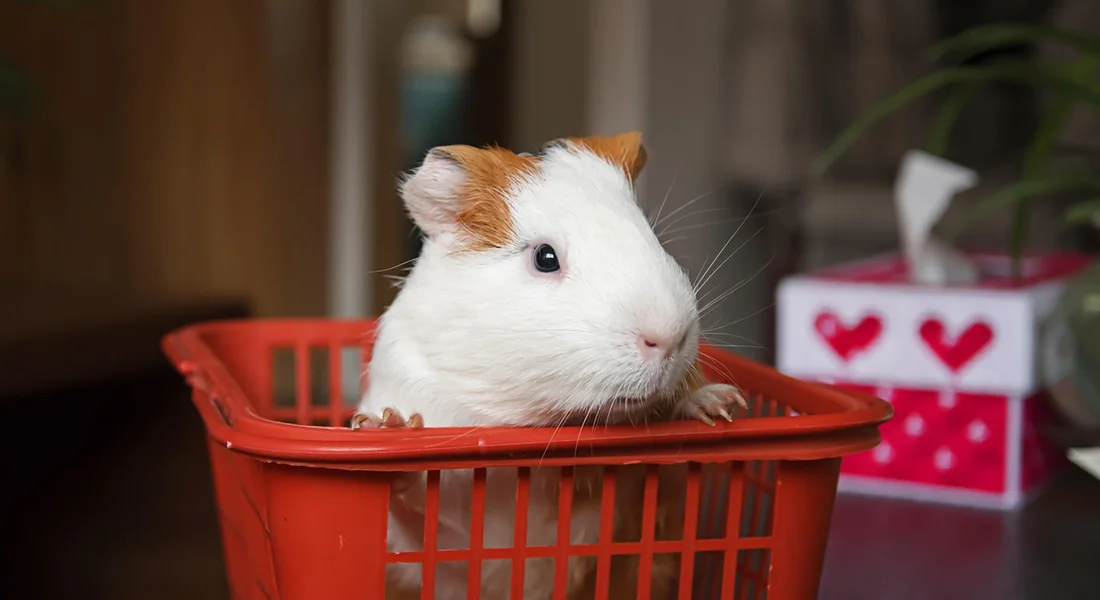
Guinea pig whiskers, or vibrissae, are long, stiff hairs that sprout from their snouts and sometimes near their eyes. These whiskers feel coarse to the touch and can measure up to a couple of centimeters, helping your pet sense its surroundings with precision. I’ve noticed during grooming that they stand out against the fur, acting like tiny antennae.
- Abyssinian guinea pigs like Clover often have whiskers that blend into their rosettes, making them appear more prominent and textured.
- Peruvian breeds, such as Biscuit, tend to have longer whiskers that might get lost in their flowing coats, which matches his reserved but observant personality as he cautiously explores.
Whisker color and thickness vary with your guinea pig’s overall coat—lighter pigs might have pale whiskers, while darker ones like Biscuit’s are often thick and dark brown. This variation ties into their biology, as whiskers are rooted in follicles packed with nerves, making them super sensitive tools for daily life. If their whiskers stay stiff or twitch during handling, that’s often a sign they’re stressed or anxious. Pay attention to whisker cues along with overall body language to tell when they’re stressed. From my own grooming sessions, I’ve seen how gently handling these areas keeps them calm and prevents discomfort.
How Guinea Pigs Use Their Whiskers for Sensing
Your guinea pig relies on whiskers for essential sensory tasks, like navigating dim spaces and detecting nearby objects. These whiskers act as a built-in radar system, helping them avoid bumps and find their way safely. I’ve watched Pepper use his whiskers to explore new hideouts, and it’s fascinating how they guide his every move, especially when considering how intelligent guinea pigs are.
- Step 1: In low light, whiskers brush against walls or obstacles, sending signals to the brain about distance and shape.
- Step 2: When foraging, they help locate food bowls by sensing vibrations and textures, making mealtime efficient.
- Step 3: During social interactions, whiskers detect subtle movements of cage mates, reducing conflicts and promoting harmony.
Whiskers are vital for your pet’s safety and comfort, allowing them to judge gaps and avoid injuries. Always handle your guinea pig gently, avoiding any tugging or pressure on their whiskers to protect these delicate sense organs. Based on my experience with Pepper’s steady nature, I’ve learned that respecting their whiskers builds trust and keeps them happy in their environment.
Caring for Your Guinea Pig’s Whiskers
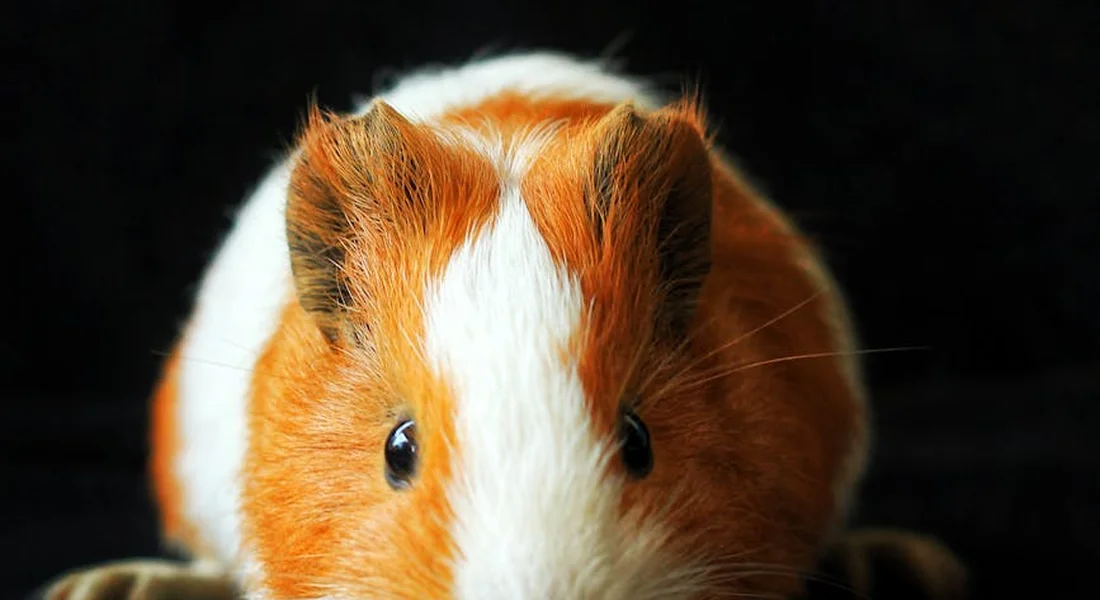
Your guinea pig’s whiskers are vital sensory tools, not just cute facial features. Handling them with care ensures your pet stays confident and comfortable in its environment. Proper care for guinea pigs means providing a clean, safe living space. Gentle daily handling helps protect whisker health and overall well-being.
- Always use a soft-bristled brush for grooming. Avoid pulling or tugging near the face, as this can bend or break delicate whiskers.
- Check whiskers weekly for signs of damage. Look for uneven lengths, splits, or breakage, which can happen from cage bar chewing or rough play.
- If you notice worn or broken whiskers, don’t panic. They will typically grow back. Ensure their habitat is safe, with no sharp edges they repeatedly rub against.
- Provide a high-quality diet rich in vitamin C. Good nutrition supports healthy hair and whisker regrowth from the follicle.
- Never, ever trim your guinea pig’s whiskers. This is the equivalent of blindfolding them and can cause significant stress and disorientation.
Watch for these signs of whisker problems: constant face-rubbing against objects, a sudden lack of coordination, or a general reluctance to move around. Any sign of pain, swelling, or infection at the whisker base warrants an immediate vet visit. I once noticed my Abyssinian, Clover, was unusually hesitant to navigate a new tunnel. A quick check revealed a single whisker was bent at a sharp angle, likely caught on something. By simply ensuring her play area was clear of snag hazards, she was back to her graceful, curious self within a day.
Guinea Pig Breed Variations in Whiskers
Just like their coats, a guinea pig’s whiskers can vary dramatically by breed. Every single guinea pig breed has whiskers-this is a non-negotiable part of their anatomy. Whiskers are a key part of guinea pig anatomy, helping with navigation and sensing their surroundings. Understanding these features helps explain how to care for them. Let’s look at some common examples.
| Breed | Whisker Characteristics | Example from My Herd |
|---|---|---|
| American/Short-Haired | Straight, medium-length whiskers that lay relatively flat. | Pepper’s whiskers are neat and functional, perfectly suiting his steady personality. |
| Abyssinian | Often slightly curlier or more wayward, matching their rosette coat. | Clover’s whiskers have a gentle, thoughtful curl that adds to her elegant appearance. |
| Peruvian | Can be very long, sometimes getting lost in their flowing floor-length hair. | Biscuit’s long, dark whiskers peer out from his cream patterns, a sign of his reserved intelligence. |
These breed traits directly influence how their whiskers function. Long-haired breeds like Peruvians need extra grooming attention to prevent their magnificent fur from tangling around and obscuring their whiskers. For my Biscuit, I gently part the hair around his face during brushing sessions to ensure his whiskers have a clear path to do their job. A common myth is that some breeds lack whiskers, but this is simply false. Appreciating this diversity helps us provide better, more personalized care for our unique pets.
FAQs
How do guinea pig whiskers develop in puppies?
Guinea pig puppies are born with functional whiskers that are shorter and finer than those of adults. These whiskers help them navigate their surroundings and bond with their mother and siblings from birth.
Are there any breed-specific whisker care tips?
For long-haired breeds like Peruvians, gently part the fur around the face during grooming to prevent tangles that could obscure the whiskers. Short-haired breeds like Americans may need less maintenance, but always handle whiskers delicately to avoid damage.
Can whisker length indicate the breed of a guinea pig?
Whisker length can offer clues but isn’t a definitive breed indicator due to individual variations within breeds. Generally, Peruvians tend to have longer whiskers, while Americans often have straighter, medium-length ones.
Do guinea pig whiskers have a growth cycle like fur?
Yes, guinea pig whiskers naturally shed and regrow as part of a continuous cycle to maintain sensitivity. This process is normal and ensures their whiskers remain effective for sensing their environment. Understanding guinea pig shedding patterns helps distinguish normal shedding from signs of illness and suggests practical solutions, such as proper nutrition and regular grooming.
Can diet affect the health of guinea pig whiskers?
A nutritious diet high in vitamin C promotes strong, healthy whisker growth and prevents brittleness. Inadequate nutrition can lead to weak or slow-regrowing whiskers, impacting their sensory function.
Guinea Pig Anatomy: A Quick Summary
Guinea pigs do have a small tail and sensitive whiskers that help them sense their surroundings. Always handle your pet gently to avoid stressing these delicate areas, as I’ve seen with my own guinea pigs like Pepper and Clover. To tell if your pig actually enjoys being petted, watch for signs like leaning into your hand and soft purring; if they back away or tense up, give them a break.
Commit to providing a safe, enriching home for your guinea pig while learning about their needs. Explore eco-friendly care options to support their health and reduce waste, making pet ownership kinder to the earth.
Further Reading & Sources
- Which end is the tail? | Guinea Pigs | Guinea Pigs | Guide | Omlet US
- r/guineapigs on Reddit: Guinea pigs do have tails!
- Why Do Guinea Pigs Have Whiskers? (Answered Here!) – Squeaks Scales & Tails
- Guinea pigs don’t have tails do they? – Guinea Lynx Forums
Kate is a passionate guinea pig owner and advocate for small pet welfare. With over a decade of experience caring for guinea pigs, she has become a trusted voice in the small pet community.
Uncategorized