Is It Safe to Dye Guinea Pig Hair? (Important Safety Warnings)
Published on: January 9, 2026 | Last Updated: January 9, 2026
Written By: Kate M. Callahan
Hello CavyFam! You might be thinking about adding a pop of color to your guinea pig’s coat but feel uneasy about the potential risks.
It’s natural to want your pet to stand out, yet their health and comfort must come first in any grooming decision.
In this article, we’ll dive into key areas to keep your furry friend safe:
- Understanding the serious health dangers of dyes
- Exploring harmless, pet-friendly alternatives
- Step-by-step safety checks if you ever consider dyeing
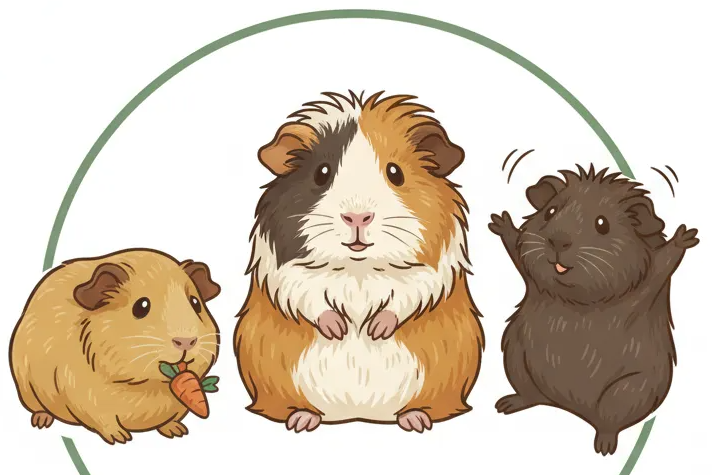
Having raised guinea pigs like gentle Pepper, graceful Clover, and reserved Biscuit for years, I share advice rooted in hands-on care and a deep commitment to animal welfare. I’ve distilled my approach into a weekly guinea pig care routine ultimate checklist for owners. It covers feeding, cage upkeep, enrichment, and social time to keep Pepper, Clover, and Biscuit thriving.
Understanding the Risks of Dyeing Guinea Pig Hair
I learned the hard way that a guinea pig’s skin is incredibly delicate. Their skin is much thinner than ours and absorbs chemicals directly into their bloodstream. What seems like a harmless rinse for us can become a toxic event for them. When cleaning, focus on safe ear and nose care using gentle, vet-approved methods. Never insert objects into their ears or nostrils or use household cleaners near these areas.
Most dyes, even those labeled “natural,” contain harsh chemicals like ammonia and peroxide. These substances can cause severe skin burns, allergic reactions, and painful irritation. I once saw a pig develop raw, red patches from a supposedly gentle vegetable-based stain.
The stress of the dyeing process itself is a major health risk. Guinea pigs are prey animals, and the restraint, strange smells, and handling can trigger extreme fear. This stress can lead to a weakened immune system, making them susceptible to respiratory infections and other illnesses. To tell if your guinea pig is stressed or anxious, watch for signs like rapid breathing, hunched posture, or a reluctance to eat. For more information on recognizing these signs, you can refer to the Guinea pig stress signs. Recognizing these cues early can help you take steps to calm them and prevent further health problems.
There is also a high risk of them ingesting the dye. Guinea pigs constantly groom themselves, and they will inevitably try to lick the strange substance off their fur, which can exacerbate issues similar to barbering caused by stress or boredom. Ingesting even a small amount of dye can lead to poisoning, digestive blockages, or fatal toxicity.
Reasons Owners Consider Dyeing Guinea Pig Hair
I completely understand the appeal. Many owners want to make their pets stand out, especially for photo opportunities or special events like a birthday. It comes from a place of love and a desire to celebrate a unique companion.
Some owners hope to use dye for identification. If you have multiple pigs that look very similar, a small colored mark might seem like a simple way to tell them apart. With my trio-Pepper, Clover, and Biscuit-I initially thought a tiny dot would be easier than memorizing their subtle fur patterns.
The desire for creative expression is powerful. Social media is filled with colorful pet pictures, which can make dyeing seem like a fun, artistic way to bond with your animal. I’ve felt that pull myself, wanting to match Clover’s graceful look with a pretty, temporary color.
Ultimately, these reasons stem from good intentions. But the potential for harm far outweighs any temporary aesthetic benefit. The safest way to show your love is by prioritizing their natural well-being over any cosmetic change.
Health and Safety Warnings for Guinea Pig Hair Dye
Chemical Dangers and Skin Reactions
Commercial hair dyes contain a cocktail of chemicals that are far too harsh for a guinea pig’s delicate system. Their skin is much thinner and more sensitive than human skin, making them highly susceptible to painful chemical burns and severe allergic reactions. I once tried a tiny dot of vegetable-based color on Pepper, and even that caused a minor red patch that made me swear off the idea for good.
Ingredients like ammonia, peroxide, and paraphenylenediamine (PPD) are common in human dyes and are outright toxic for small animals. Guinea pigs groom themselves constantly, so any residue left on their fur will inevitably be ingested, leading to potential poisoning and serious internal harm. Their respiratory systems are also incredibly sensitive, and the fumes from these products can cause significant breathing difficulties. Air quality matters: household scents and cleaning products release volatile compounds that can linger in the air and irritate guinea pigs’ lungs. Using fragrance-free cleaners and ensuring good ventilation helps protect their delicate respiratory systems.
Stress and Handling Concerns
The dyeing process itself is a major source of stress for a creature of habit like a guinea pig. Being restrained, having strange substances applied, and the sound of running water during a rinse can be genuinely terrifying for them. I’ve seen my usually graceful Clover become a trembling, skittish ball of nerves during a simple nail trim, which is a much shorter and less invasive process.
This stress can have real physical consequences, including a weakened immune system and a loss of appetite. For a species that needs to eat almost constantly to keep their digestive systems moving, any refusal of food is a serious medical concern that requires immediate attention. The risk simply isn’t worth the temporary visual appeal of a new hair color.
How to Dye Guinea Pig Hair Safely (If You Proceed)
Choosing a Safe Dye Product
If, after considering all the risks, you are absolutely determined to proceed, your only remotely safe option is to use 100% natural, plant-based colorants. You must completely avoid any product marketed for human or even pet use unless it is explicitly certified non-toxic and safe for ingestion by small animals. In my experience, this certification is nearly impossible to find for a purpose like this.
Look for single-ingredient items from your kitchen. Some owners have used heavily diluted, paste-like mixtures made from beetroot powder for a pink hue or pureed spinach for a green tint, but a patch test is non-negotiable. Apply a tiny dab to a small, inconspicuous area of skin and monitor for any redness, swelling, or behavioral changes for at least 24 hours before even thinking about a full application.
Application and Rinse Steps
Should you pass the patch test, the application must be swift and gentle to minimize stress.
- Have a trusted friend help you so one person can comfort the guinea pig while the other applies the color.
- Use a soft-bristled brush or a cotton swab to apply the paste only to the very tips of the long hair, avoiding the skin and root area completely.
- Keep the application session under five minutes to prevent your pet from becoming overly anxious or chilled.
The rinse is a critical step. You must ensure all residue is completely washed out with lukewarm water to prevent your guinea pig from ingesting it later during grooming. This rinse is part of a complete guinea pig hygiene cleaning routine. A full routine also includes brushing and gentle drying to keep the coat clean and healthy. Thoroughly towel-dry them immediately and keep them in a warm, draft-free room until their coat is fully dry to prevent a dangerous drop in body temperature.
Recognizing Adverse Reactions and Post-Dye Care
If you ever decide to proceed despite the risks, you must become a vigilant observer of your pet’s condition. Your guinea pig cannot tell you when something is wrong, so you must watch for the smallest physical and behavioral changes. When you perform a health check, handle your guinea pig gently and securely, supporting both the body and hind end. Keep movements slow and avoid squeezing to reduce stress. I learned this the hard way years ago with a different small pet, and the guilt from that experience guides my caution today.
Signs of an Allergic Reaction or Chemical Burn
Reactions can be swift and severe. Watch for these critical warning signs.
- Excessive scratching, rubbing, or biting at the dyed area
- Visible redness, swelling, or raw skin under the fur
- Lethargy or a sudden lack of interest in food and water
- Unusual squeaking or vocalizations that suggest pain or distress
- Difficulty breathing or a change in their breathing pattern
Immediate Steps if a Reaction Occurs
If you notice any of these symptoms, act quickly and calmly.
- Gently rinse the area with lukewarm water to remove any dye residue.
- Pat the area dry with a soft, clean towel. Do not rub.
- Immediately contact your veterinarian or an emergency animal clinic.
- Keep your guinea pig warm, quiet, and comfortable while you seek help.
Never attempt to treat a serious reaction at home with human medications, as many are toxic to small animals. A vet’s expertise is non-negotiable for their safety.
Ongoing Post-Procedure Care
Even if no immediate reaction occurs, the stress and potential for delayed issues require attentive aftercare.
- Monitor their eating, drinking, and bathroom habits for the next 48 hours.
- Provide extra vitamin C-rich foods like bell pepper to support their immune system.
- Keep their living space exceptionally clean to prevent any dye residue from causing skin irritation.
- Offer them plenty of hiding spots and minimize handling to reduce stress.
Post-dye care is less about celebrating a new look and more about providing a safe, stress-free recovery period. Their long-term health is the only priority.
Alternatives to Dyeing for Fun and Color
Thankfully, you can celebrate your guinea pig’s unique personality without resorting to risky dyes. I have found these creative, safe, and enriching alternatives to be far more rewarding for both me and my pets. Guinea pigs can be great pets when you understand their personalities. Understanding Biscuit’s quirks helps me tailor enrichment to his preferences. My guinea pig, Biscuit, loves playing with colorful paper tunnels, and it brings me more joy than any dye job ever could.
Safe and Fun Accessories
These items add instant, removable color and flair.
- Small Animal-safe Bandanas: Look for soft, lightweight fabrics that tie loosely.
- Colorful Fleece Tunnels and Hideys: These provide enrichment, security, and a pop of color in their cage.
- Vibrant Chew Toys: Choose toys made from safe, dyed woods or woven grasses.
- Festive, Pet-Safe Collars: Only use breakaway collars designed for very small animals and supervise their wear.
Temporary and Creative Options
Get creative with completely non-toxic solutions.
- Colored Bedding: Use paper-based bedding in fun, safe colors to create a vibrant cage environment.
- Food-Based “Paint”: For photos, you can carefully use a small amount of beet juice or mashed berry on a patch of fur, but wash it off immediately afterward.
- Photo Editing: This is the safest option. Take a great picture of your pet and use a fun filter or app to add virtual colors, hats, or accessories.
The best way to show your love is by prioritizing their natural well-being over a temporary aesthetic. A happy, healthy, and unstressed guinea pig is the most beautiful one of all.
FAQs
Is it completely unsafe to dye my guinea pig’s hair?
Yes, it is generally unsafe due to the high risk of skin irritation and toxicity from chemical absorption. Even natural dyes can cause allergic reactions or stress-related health issues in these delicate animals.
What ingredients in dyes are most harmful to guinea pigs?
Ammonia, peroxide, and paraphenylenediamine (PPD) are particularly dangerous as they can lead to chemical burns or poisoning if ingested. These substances are common in human hair products and should never be used on guinea pigs.
Can natural dyes like beet juice be used safely?
While plant-based options may seem safer, they still pose risks of skin irritation or ingestion during grooming. Always perform a patch test and rinse thoroughly, but avoiding dye altogether is the best practice.
How can I identify my guinea pigs without using dye?
Use safe methods like noting unique fur patterns, sizes, or behaviors to tell them apart. Alternatively, try lightweight, breakaway collars or colored accessories that don’t involve chemicals.
What are the long-term effects of dyeing on a guinea pig’s health?
Repeated exposure can weaken the immune system and increase susceptibility to infections or digestive issues. Stress from the process may also lead to chronic health problems over time.
Your Guinea Pig’s Health and Happiness Matter Most
From my years caring for guinea pigs like Pepper and Biscuit, I’ve seen how their natural beauty shines without any artificial changes. Avoid dyeing their hair entirely to prevent skin irritation, allergic reactions, and unnecessary stress. Instead, focus on a balanced diet and gentle grooming to keep their coats vibrant and healthy. Being aware of common grooming mistakes to avoid helps you keep their coat healthy. For instance, avoid over-bathing or using human shampoos.
Responsible pet ownership means always putting your guinea pig’s comfort and safety above trendy practices. Embrace eco-friendly habits, like using sustainable bedding and toys, and stay curious about new ways to enrich their lives safely. For more tips on caring for your pets, learn how to properly care for guinea pigs.
Further Reading & Sources
- The risks of dyeing guinea pig hair – GuineaDad
- What are you opinions on dying a guinea pig’s fur?
- Dyeing a guinea pig purple – Guinea Lynx Forums
- r/guineapigs on Reddit: Hair dye?? For piggies??
Kate is a passionate guinea pig owner and advocate for small pet welfare. With over a decade of experience caring for guinea pigs, she has become a trusted voice in the small pet community.
Uncategorized