Common Guinea Pig Grooming Mistakes to Avoid
Published on: January 12, 2026 | Last Updated: January 12, 2026
Written By: Kate M. Callahan
Hello CavyFam! Are you worried about accidentally stressing or injuring your guinea pig during grooming? Many owners share this fear, but with a few simple adjustments, you can make grooming a safe and bonding experience.
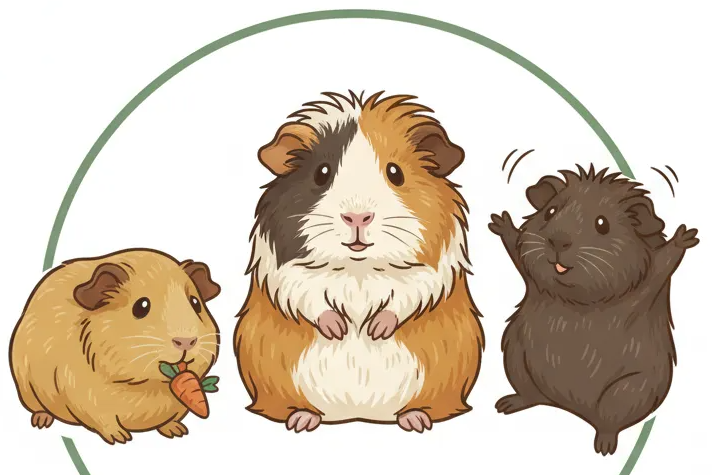
In this guide, I’ll highlight frequent errors like improper brushing, over-bathing, neglecting nail care, using incorrect tools, and missing health red flags. With years of hands-on experience caring for my guinea pigs Pepper, Clover, and Biscuit, I’ve gathered practical tips to help you groom with confidence and care.
An Overview of Common Guinea Pig Grooming Mistakes
- Bathing too often strips their skin of natural oils, causing dryness and irritation. Guinea pigs have delicate skin that relies on these oils for protection against infections and environmental stressors. I learned this the hard way with Clover, whose coat became brittle after frequent baths; now, I bathe her only when visibly soiled, and she stays much healthier.
- Using human shampoo introduces harsh chemicals that can lead to allergic reactions or skin damage. Their skin pH differs from ours, making specialized, gentle pet shampoos essential for safety. After Biscuit developed redness from a misplaced product, I switched to vet-recommended options, and his comfort improved dramatically.
- Rough drying with towels or hair dryers can cause stress, overheating, or even injuries. Gentle pat-drying and air-drying in a warm room prevent panic and support their well-being. With Pepper, I use a soft cloth and avoid vigorous rubbing, which keeps her calm and reduces the risk of skin abrasions.
Setting the Right Grooming Schedule
- Assess breed, age, and coat type to tailor frequency-long-haired breeds like Peruvian need daily brushing, while short-haired ones like American may require weekly sessions. Younger or older guinea pigs often need extra care due to sensitive skin or mobility issues. For Biscuit, my Peruvian, daily brushing prevents mats, but Pepper’s smooth coat allows for less frequent attention.
- Create a consistent routine by noting your pet’s shedding patterns and setting reminders. Start with gentle, short sessions to build trust and gradually increase as needed. I keep a simple calendar for Clover and Biscuit, adjusting based on seasonal changes to avoid over-brushing.
- Watch for signs like excessive loose hair or chewing, which signal grooming time to prevent hair ingestion. Loose hair can lead to digestive blockages if ingested, so regular checks are vital for health. When I see Pepper grooming herself more often, I step in with a soft brush to reduce risks.
Bathing Do’s and Don’ts
- Avoid extreme water temperatures that can shock your guinea pig. I always test the water on my wrist to make sure it’s lukewarm, as anything too hot or cold can stress them out or cause discomfort.
- Never use human or dog shampoo, which strips natural oils and irritates skin. Stick to guinea pig-specific shampoos to keep their coat healthy and avoid allergic reactions.
- Skip the blow dryer entirely-the heat can burn delicate skin and the noise terrifies them. Instead, I gently towel-dry my guinea pigs to prevent chills and keep bath time calm.
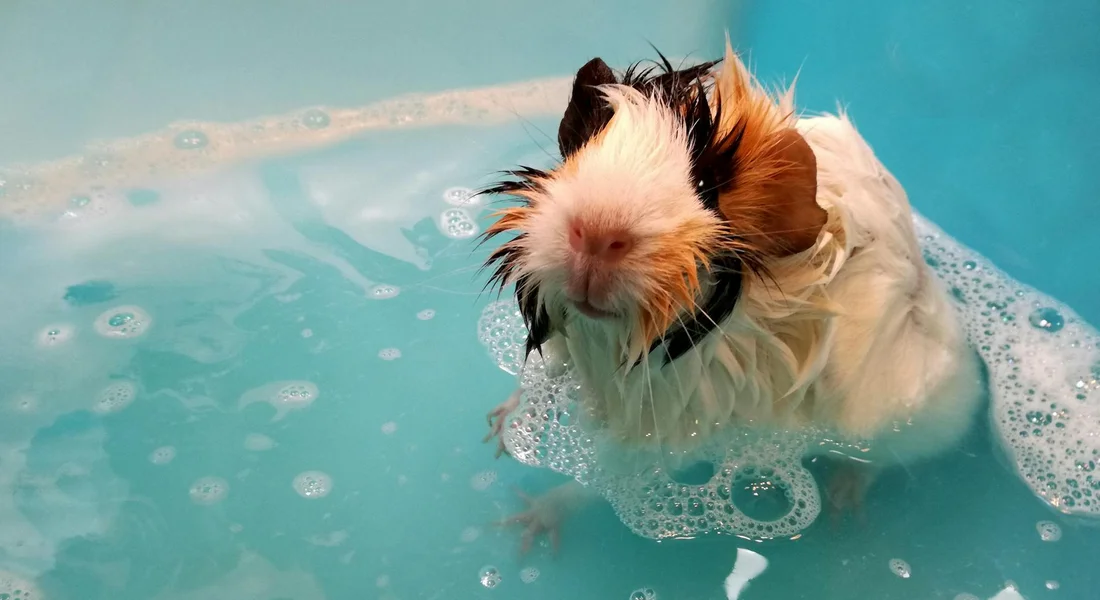
Follow these steps for a smooth, stress-free bath experience. Preparing everything in advance helps reduce anxiety for both you and your pet.
- Fill a shallow basin with a few inches of lukewarm water and place a towel at the bottom for grip.
- Wet your guinea pig’s body slowly, avoiding the head to prevent water from getting into ears or eyes.
- Apply a pea-sized amount of guinea pig shampoo and massage gently into the fur.
- Rinse thoroughly with clean water until no suds remain to avoid residue buildup.
- Lift them out and wrap in a soft, dry towel, patting gently to absorb moisture.
- Keep them in a warm, draft-free area until completely dry to prevent illness.
Human grooming products are a big no-no because they often contain harsh chemicals. After Clover had red, watery eyes from a mild human shampoo I tried once, I switched to vet-approved options for all my guinea pigs. If you’re unsure about home grooming, seek professional help from a veterinarian or a qualified small-animal groomer. They can guide you on safe routines and, if needed, handle trims or baths to prevent irritation.
Brushing Techniques to Prevent Mats and Tangles
- Tailor your brushing approach to your guinea pig’s coat type. For short-haired breeds like Pepper, a weekly soft-bristle brush removes loose fur without irritation. Long-haired ones like Biscuit need daily gentle strokes from head to tail to stop tangles before they start.
- Use tools like soft brushes or wide-toothed combs designed for small pets. Over-brushing can lead to skin sores, while under-brushing lets mats form-I check Biscuit’s coat every day to find the right balance.
- Detect mats early by running your fingers through their fur during daily checks. If you feel a small knot, use a detangling spray or your fingers to gently loosen it before it gets worse.
Nail Trimming Without Injury
I learned the hard way that trimming nails too short is a fast way to lose your guinea pig’s trust. Cutting into the quick causes pain and bleeding, so always trim just the sharp tip of the nail. Look for the pinkish vein inside light-colored nails before you make your cut. For dark nails, use a small flashlight behind the nail to illuminate the quick. It’s crucial to safely trim guinea pig nails without causing injury.
- Gather your tools: a small animal nail clipper and a styptic powder or cornstarch on hand to stop any bleeding immediately.
- Have a partner gently hold your guinea pig wrapped in a small towel, offering a favorite veggie treat to keep them occupied.
- Work on one paw at a time, speaking softly and taking breaks if your pet seems overly wiggly or stressed.
- Focus only on the curved, translucent tip of the nail, avoiding the wider, darker base where the quick resides.
My guinea pig, Pepper, used to be a master of evasion during nail trims. I found that doing a single paw per session over several days made the process far less stressful for both of us. The gentle pressure and consistent routine taught her that grooming doesn’t have to be scary. To make nail trimming less stressful for your guinea pig, try the same approach: break it into tiny, one-paw sessions over a few days. A calm setup with gentle handling and praise helps keep the experience positive.
Handling and Calming Your Guinea Pig
- Reduce stress by grooming in a familiar, quiet room. Place a soft towel on your lap and support their entire body when you hold them. Never let their back legs dangle unsupported, as this can cause spinal injury and panic.
- Watch for clear signs of pain or distress. Listen for sharp, high-pitched squeaks (different from their normal chatter). Notice if they struggle violently, try to hide their face, or have wide, bulging eyes. Stop immediately if you see these signals.
- Build trust daily to minimize the need for forceful restraint. Spend time hand-feeding veggies and talking gently to your guinea pig. My shy guinea pig, Biscuit, learned to associate my hands with safety through these calm, positive interactions. A trusting guinea pig is much easier to care for.
Essential Grooming Tools and Their Use
-
Start with a good pair of small animal clippers for trimming nails or matted fur, and always choose quiet models to reduce stress. I’ve found that guinea pigs like my gentle Pepper stay calmer with low-vibration clippers, which prevents accidental nips. This is especially important when grooming different breeds of guinea pigs.
-
Use a soft-bristle brush for short-haired breeds and a slicker brush for longer coats, but avoid stiff brushes that can scratch sensitive skin. Short-haired breeds generally require less grooming time and maintenance, whereas long-haired breeds call for more frequent brushing and occasional trims to prevent mats. This difference highlights the grooming care commitment involved in caring for either type. Regular brushing not only keeps fur tidy but also strengthens your bond through gentle, positive touch.
-
Clipper safety is non-negotiable: never use human-grade clippers, as they can overheat or cut too deep. Always test clippers on your own skin first to ensure they’re cool and dull enough to avoid harming your pet’s delicate hide.
-
A common mistake is rushing through grooming, which leads to skipped spots or injuries. Take your time, especially with skittish pigs like my reserved Biscuit, to build trust and avoid startling them. Understanding guinea pig grooming behaviors helps you read their social cues and use grooming as a bonding activity. Slow, steady grooming reinforces trust and companionship.
-
Eco-friendly options, like bamboo-handled brushes or biodegradable pet wipes, are kinder to the environment and your guinea pig’s health. I switched to natural tools after noticing how synthetic brushes irritated Clover’s coat, and it made a world of difference in her comfort. Here’s my essential checklist for natural guinea pig grooming supplies.
Breed-Specific Grooming Tips
-
Compare coat maintenance needs: Abyssinians like Clover require daily brushing to prevent tangles in their rosettes, while Peruvians like Biscuit need weekly trims to keep long hair from matting. American breeds like Pepper have low-maintenance coats but still benefit from a weekly brush to reduce shedding and skin issues.
-
Pay special attention to ear care by gently wiping with a damp cloth to remove wax buildup, and check eyes for discharge that could signal infection. You can also clean your guinea pig’s ears and nose safely by wiping the outer areas with a damp cloth. Never insert anything into the ear canal or nostrils. For sensitive skin, use hypoallergenic shampoos and avoid over-bathing, as it strips natural oils and causes dryness.
-
From my experience, Abyssinians are prone to ear debris due to their unique fur patterns, so I clean Clover’s ears weekly with a vet-approved solution. Peruvians like Biscuit need hair trimmed around their eyes to prevent irritation, a step I learned after his vision was briefly affected.
FAQs
Should you use a hair dryer on a guinea pig and what mistakes to avoid?
Avoid using hair dryers as the heat can burn their delicate skin and the noise causes extreme stress. Instead, gently pat them dry with a soft towel and keep them in a warm, draft-free area to air-dry safely.
How can you check for skin problems during grooming to avoid mistakes?
Regularly inspect their skin for redness, flakiness, or bald spots while brushing to catch issues early. Look for parasites like mites or lice, and consult a vet if you notice any abnormalities to prevent infections.
What signs indicate grooming is causing pain or distress?
Watch for sharp, high-pitched squeaks or violent struggling, which signal discomfort. Also, note if they try to hide their face or have wide, bulging eyes, and stop immediately to avoid further stress.
How to create a safe and gentle guinea pig grooming routine?
Start with short, consistent sessions in a quiet room to build trust and reduce anxiety. Use positive reinforcement like treats and gentle handling to make grooming a calm, bonding experience.
How do you brush a long-haired guinea pig to prevent matting and mistakes?
Use a slicker brush for daily gentle strokes from head to tail to detangle fur without pulling. Focus on areas prone to mats, like behind the ears, and use detangling spray if needed to avoid skin irritation.
Keep Your Guinea Pig Happy and Healthy
From my years with gentle Pepper and graceful Clover, I’ve seen that using pet-safe tools and handling them calmly prevents stress and injury. Regular brushing and proper nail care are simple habits that keep your guinea pig comfortable and free from common grooming issues. For a guinea pig grooming guide, nail trimming and gentle bathing are essential skills to master. Learning safe techniques makes grooming calmer for both you and your pet.
Stay curious about eco-friendly options like biodegradable brushes or homemade solutions to minimize your pet care footprint. That mindset translates into a complete guinea pig hygiene routine—daily brushing, regular cage cleaning, and periodic nail checks. It also helps you keep your guinea pig healthy and happy while staying mindful of sustainability. Committing to lifelong learning and sustainable practices ensures you provide the best care for your guinea pig and our planet.
Further Reading & Sources
- r/guineapigs on Reddit: Are there “grooming” things that I need to consider with having Guinea pigs? Besides the obvious nail clipping what else should I be doing when it comes to this kind of stuff? I have 1x boy and 2x females.
- Guinea Pig Grooming | Guinea Pig Health | Guinea Pigs | Guide | Omlet US
- Grooming Guinea Pigs – Companion Animals
- Guinea Pig Grooming | Aristopet
Kate is a passionate guinea pig owner and advocate for small pet welfare. With over a decade of experience caring for guinea pigs, she has become a trusted voice in the small pet community.
Uncategorized