How to Groom Short-Haired vs Long-Haired Guinea Pigs
Published on: January 13, 2026 | Last Updated: January 13, 2026
Written By: Kate M. Callahan
Hello, CavyFam! Grooming your guinea pig can feel confusing when you aren’t sure what their specific coat needs. You’re not alone in wondering if you’re using the right brush or handling their fur correctly.
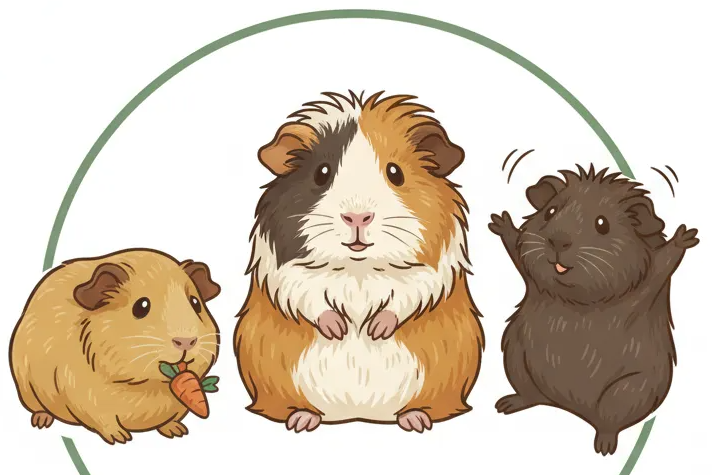
This guide will walk you through the essential tools for each breed, a simple step-by-step grooming process, and the common mistakes to avoid for both short and long-haired piggies. Having cared for my own trio-Pepper, Clover, and Biscuit-for years, I’ve learned firsthand how their different coats demand unique, gentle approaches.
Understanding Guinea Pig Coat Types and Breed Differences
Every guinea pig has a unique coat that tells a story about their breed and care needs. I’ve learned through caring for my own trio that a one-size-fits-all grooming approach simply doesn’t work. Their personalities often shine through their fur, and understanding this is the first step to proper grooming.
Short-Haired Breeds: The Sleek and Simple
Breeds like the American, which my Pepper is, have smooth, short coats that lie flat against their body. This coat type is wonderfully low-maintenance but still requires regular attention to keep their skin healthy. Their grooming sessions are quick, focusing more on bonding and health checks than intensive detangling.
Medium-Length Coats: The Textured Charm
Abyssinian guinea pigs, like my graceful Clover, sport rosettes that create a wonderfully textured, medium-length coat. Those cute whorls of fur are prone to trapping bedding and food, demanding a more meticulous grooming routine. You’ll need to gently work through each rosette to prevent painful mats from forming close to the skin.
Long-Haired Beauties: The Flowing Tresses
Peruvian guinea pigs, such as my reserved Biscuit, have hair that grows continuously, much like human hair. Managing this luxurious coat is a daily commitment to prevent it from becoming a tangled, matted mess. I often keep Biscuit’s fur trimmed to a manageable length for his comfort, especially around his rear to maintain hygiene.
Essential Guinea Pig Grooming Tools for Every Owner
Having the right tools transforms grooming from a chore into a pleasant ritual for both you and your pet. Investing in quality tools from the start saves you time and prevents discomfort for your guinea pig. I built my kit over time, learning which items are truly indispensable.
- Soft-Bristled Brush: Perfect for short-haired breeds like Pepper. It removes loose hair and distributes natural skin oils without irritating their sensitive skin.
- Wide-Toothed Comb: My go-to for Clover’s Abyssinian rosettes. It glides through medium-length fur, gently teasing out debris before it forms a mat.
- Small, Sharp Scissors with Rounded Tips: Absolutely vital for safely trimming around the rear of long-haired pigs and carefully snipping out minor mats. Safety first!
- Fine-Toothed Flea Comb: This isn’t just for parasites. I use it on Biscuit to find and carefully work out the tiniest of tangles in his long hair before they become big problems.
- Small Animal Nail Clippers: Guinea pig nails grow continuously. Regular trims are a non-negotiable part of grooming for every single breed to prevent painful overgrowth and foot issues.
I keep all my tools in a dedicated basket. A calm, prepared environment makes the entire process smoother and helps build a positive association with grooming for your pets. Remember to clean your brushes and combs regularly to keep them effective and hygienic.
Your Step-by-Step Guinea Pig Grooming Process
Preparing Your Guinea Pig for Grooming
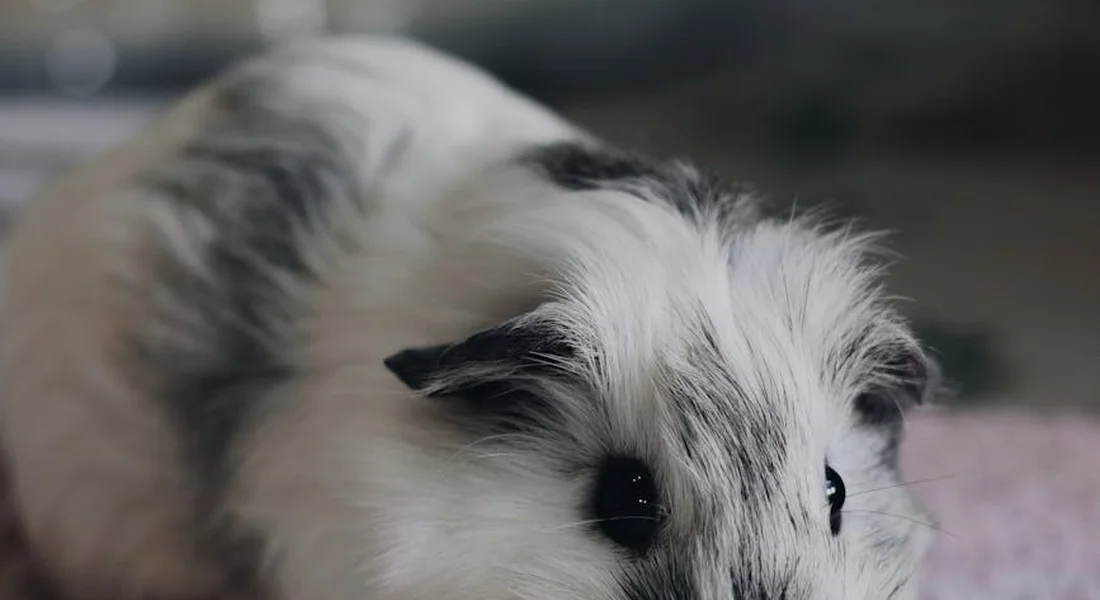
Start by choosing a quiet, well-lit spot where your guinea pig feels secure, like a soft towel on your lap. Gather all your tools beforehand — a soft brush, nail clippers, and some favorite veggies as treats. I always do this with my guinea pigs after their morning feeding when they are most relaxed, especially Pepper who settles in quickly for a gentle session. Setting up a calm environment reduces stress and makes grooming a positive experience for both of you. It’s an essential part of proper guinea pig care.
Speak softly and offer a small piece of carrot or lettuce to build trust before you begin handling. Hold your guinea pig securely but gently, supporting their entire body to prevent squirming or injury. From my own routine, I’ve found that short, frequent grooming sessions help guinea pigs like Clover get used to the process over time. In a guinea pig grooming guide, this patience carries over to nail trimming and bathing. A calm, trust-based approach makes those steps safer and less stressful for your pet.
Brushing Techniques for Different Coat Lengths
Short-Haired Guinea Pig Brushing Method
For short-haired breeds like American or Abyssinian guinea pigs, use a soft-bristled brush or a fine-toothed comb. Brush in the direction of hair growth with light, smooth strokes to remove loose fur and distribute natural oils. I do this weekly with Pepper and Clover, focusing on areas like the back and sides where shedding is common. Regular brushing for short-haired guinea pigs helps minimize shedding and keeps their coat shiny and healthy.
- Hold your guinea pig steady and start from the head, moving toward the tail.
- Pay extra attention to the rump and underbelly where dirt can accumulate.
- Finish with a quick wipe using a damp cloth to pick up any remaining loose hairs.
Short-haired coats are low-maintenance, but a quick brush-out prevents mats and lets you check for skin issues like dryness or parasites. This simple routine takes just a few minutes and reinforces your guinea pig’s comfort with being handled.
Long-Haired Guinea Pig Brushing Method
Long-haired breeds, such as Peruvians, need daily brushing to prevent tangles and mats. Use a wide-toothed comb or a slicker brush, starting from the tips of the fur and working upward to the skin. With Biscuit, my Peruvian, I spend a few minutes each morning gently detangling her dark brown and cream coat to avoid painful knots. Daily brushing for long-haired guinea pigs is essential to maintain coat health and prevent discomfort from matting.
- Section the fur and comb slowly, holding the base to avoid pulling the skin.
- If you encounter a mat, use your fingers or blunt-ended scissors to carefully loosen it.
- Consider a light trim every few weeks to keep the hair manageable, especially around the legs.
Long-haired guinea pigs like Biscuit can develop mats quickly if neglected, so consistency is key. I’ve found that pairing brushing with a small treat turns it into a bonding activity they look forward to.
Special Care Areas: Nails, Ears and Sanitary Trims
Nail trimming should be done every 3-4 weeks using small, sharp clippers designed for small pets. Hold your guinea pig securely and only clip the clear part of the nail, avoiding the pink quick to prevent bleeding. I always keep styptic powder on hand for accidents, though with steady practice, I’ve rarely needed it for my trio. Take your time and trim in small increments, watching for the pink quick and stopping before you reach it. This careful approach helps prevent injury and stress for your guinea pig. Regular nail trims protect your guinea pig from overgrown nails that can cause pain or mobility issues.
Check ears weekly for wax buildup or debris, and clean gently with a soft, damp cloth—never insert anything into the ear canal. For long-haired guinea pigs, sanitary trims around the rear are crucial to prevent fecal matter from sticking to the fur. I do this monthly for Biscuit to keep her clean and reduce infection risks. When you’re at it, gently wipe around the nose with a damp cloth if needed, avoiding the nostrils themselves. Never insert anything into the nostrils—if you notice nasal discharge, sneezing, or breathing trouble, consult a vet promptly. Focusing on these sensitive areas ensures overall hygiene and comfort for your pet.
- For ears, wipe the outer folds and look for signs of redness or odor.
- For sanitary trims, use blunt-tipped scissors and trim hair short around the genitals and anus.
- Always reward your guinea pig with a veggie treat after handling these areas to build positive associations.
Creating Your Guinea Pig Maintenance Routine
Daily and Weekly Grooming Schedule
Establish a simple routine based on your guinea pig’s coat type to keep them in top shape. For short-haired breeds like Pepper and Clover, a quick brush once a week is usually enough, while long-haired ones like Biscuit need daily attention. I pair daily checks with feeding time to make it a habit-looking over their coat, eyes, and skin for any changes. A consistent grooming schedule helps you spot health issues early and keeps your guinea pig feeling their best.
- Daily: Brush long-haired guinea pigs; offer a quick overall inspection for all breeds.
- Weekly: Brush short-haired guinea pigs; trim nails if needed; clean ears and do sanitary trims.
- Monthly: Deep-clean grooming tools and assess if any adjustments are needed based on season or health.
Adjust this schedule as your guinea pig ages or if they have specific needs—older pets might require more frequent nail trims. Tailoring the routine to your guinea pig’s personality, like Clover’s graceful tolerance, makes grooming efficient and stress-free. To make nail trimming less stressful for your guinea pig, introduce it gradually and reward calm behavior. With patience and consistency, most piggies adapt quickly.
Bathing and Deep Cleaning Considerations
Guinea pigs rarely need baths, as over-bathing can strip their skin of natural oils and cause dryness. Only bathe if they are visibly soiled or have a medical issue, using a shallow basin with lukewarm water and a mild, pet-safe shampoo. I’ve bathed Biscuit a couple of times when she got into something messy, and I always dry her thoroughly with a towel and low-heat blow dryer to prevent chills. Bathing should be a last resort to avoid stressing your guinea pig and disrupting their skin balance.
For deep cleaning, focus on their living environment by spot-cleaning cages daily and doing a full clean weekly with eco-friendly, unscented cleaners. This reduces the need for baths and keeps your guinea pig healthy. Maintaining a clean habitat supports your grooming efforts and promotes overall well-being for your pet.
- Use a small tub with just enough water to cover their feet, and support their body throughout.
- Rinse thoroughly to remove all shampoo residue, which can irritate skin.
- Dry completely before returning them to their cage to avoid respiratory issues.
Solving Common Guinea Pig Grooming Challenges

Mat Removal and Detangling Solutions
When grooming long-haired breeds like my Peruvian, Biscuit, mats can form quickly in her dense fur. Start by gently separating tangles with your fingers before using any tools to avoid startling your pet. I’ve found that a spray bottle with water or a small amount of pet-safe detangler makes the process smoother.
For stubborn mats, work in small sections and never pull forcefully. Using a wide-toothed comb or a specialized small animal brush helps loosen knots without causing discomfort. With Biscuit, who’s reserved, I talk softly and offer a veggie treat to keep her calm.
- Spritz the mat lightly with water or detangler.
- Hold the fur near the skin to reduce tugging.
- Comb slowly from the ends toward the base.
- If a mat won’t budge, carefully trim it with blunt-tipped scissors.
Regular brushing prevents mats from building up. I aim for short sessions every few days to maintain Biscuit’s coat and bond with her. This routine has kept her fur soft and reduced her stress over time.
Health Indicators to Watch For During Grooming
Grooming is a perfect time to check for health issues that might go unnoticed. Look for dry, flaky skin or redness, which could signal mites or allergies. With Clover, my Abyssinian, I once spotted a small sore that needed vet care early.
Pay attention to changes in fur texture or bald patches. Thinning hair or excessive scratching might indicate parasites or dietary problems. I always feel for lumps or bumps while brushing, as they can be early signs of cysts or tumors.
- Inspect the skin for sores, scabs, or swelling.
- Check for fleas or lice in the fur.
- Note any unusual odors, which could point to infections.
- Watch their behavior-if they flinch or vocalize in pain, stop and assess.
Healthy guinea pigs have smooth, even coats and calm demeanors. Keeping a grooming journal helps track changes and catch problems before they worsen. My experience with Pepper’s gentle nature taught me that regular checks build trust and promote well-being.
Handling and Safety Tips for Stress-Free Grooming
Handling your guinea pig correctly makes grooming a positive experience for both of you. Always support their entire body with both hands to prevent falls or injuries. I sit on the floor with a towel on my lap to create a secure, cozy space.
Start with short sessions and gradually increase the time as they get used to it. Using a favorite treat, like a slice of bell pepper, rewards calm behavior and reduces anxiety. With Clover’s graceful personality, I’ve learned she prefers slow, predictable movements.
- Wash your hands to remove any strong scents.
- Place them on a non-slip surface, like a rubber mat.
- Speak in a soft, reassuring tone throughout.
- If they struggle, take a break and try again later.
Avoid sudden noises or bright lights that can startle them. I keep grooming tools within reach to minimize interruptions and maintain a calm environment. Over time, this approach has helped even reserved pigs like Biscuit feel more at ease.
Never force grooming if your guinea pig seems overly stressed. Patience and consistency turn grooming into a bonding activity that supports their overall health. Understanding guinea pig grooming behaviors helps you read their comfort signals and reinforce social bonding. Remember, grooming is as much about bonding as hygiene. From my years of care, I’ve seen how gentle handling fosters trust and makes every session safer.
FAQs
Where can I find guinea pig grooming services near me?
You can search online for local pet groomers specializing in small animals or ask your veterinarian for referrals. Many exotic pet clinics or mobile groomers offer these services for convenience and expertise.
What is the average cost of guinea pig grooming?
Costs typically range from $20 to $50 per session, depending on your location and the services required. Additional fees may apply for mat removal, nail trims, or sanitary cuts for long-haired breeds.
Do guinea pigs groom themselves regularly?
Yes, guinea pigs often groom themselves to stay clean by licking their fur and paws. However, they cannot manage all grooming tasks, so human help is essential for nail care and detangling. A complete guinea pig hygiene cleaning routine also includes regular brushing, nail trimming, and keeping their cage and bedding clean. Regular checks help prevent matting, skin issues, and odors.
Why do guinea pigs groom each other?
Guinea pigs groom each other as a social activity to bond and show affection within their group. This behavior also helps them clean hard-to-reach spots and maintain group harmony. It’s one of the common guinea pig bonding behaviors.
What are guinea pig grooming services and when are they needed?
Professional grooming services include brushing, nail clipping, and hygiene trims performed by trained staff. They are ideal for owners who lack time, tools, or confidence to handle grooming, especially for long-haired or senior guinea pigs. If your guinea pig has mats or is hard to handle, seek professional grooming help. Groomers can safely trim nails and address mats.
Your Happy, Healthy Guinea Pig
Regular grooming keeps your guinea pig comfortable and strengthens your bond, with short-haired breeds needing weekly brushing and long-haired varieties requiring daily attention to prevent mats. Always use a gentle, guinea pig-safe brush and pair grooming sessions with healthy treats to create a positive experience for your pet.
Committing to your guinea pig’s grooming needs is a fundamental part of responsible pet ownership that directly impacts their well-being. Continue learning about their specific breed requirements and consider eco-friendly, sustainable supplies to care for your wonderful companion and our planet. An essential grooming tools supplies checklist can help you prepare. Gather a soft brush, a small comb, nail clippers, and a mild shampoo before every session.
Further Reading & Sources
- Guinea Pig Care Sheet | PetMD
- Grooming Guinea Pigs: Easy Nail Trimming & Essential Care Guide
- Guinea Pig Grooming Service | Bunny Bunch Boutique
- Guinea pig grooming tips for small animals
Kate is a passionate guinea pig owner and advocate for small pet welfare. With over a decade of experience caring for guinea pigs, she has become a trusted voice in the small pet community.
Uncategorized