Do Guinea Pigs Grieve and Mourn Each Other?
Published on: January 18, 2026 | Last Updated: January 18, 2026
Written By: Kate M. Callahan
Hello CavyFam, if you have ever worried about how your guinea pig reacts when a friend passes away, you are not alone in your concerns.
Many pet owners wonder if these small creatures experience deep emotions like grief, and it is natural to want the best for your furry family members.
In this article, we will explore key topics to help you understand and support your guinea pig through loss.
- Recognizing signs of grief in guinea pigs
- Practical steps to comfort a grieving pet
- When and how to consider a new companion
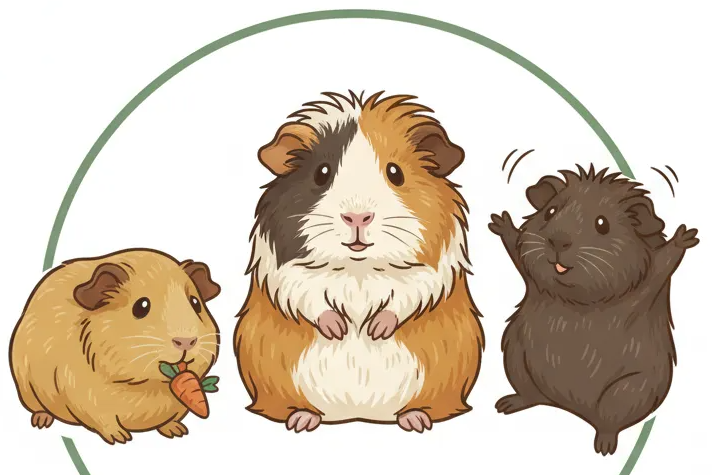
- Insights from my own guinea pigs, Pepper, Clover, and Biscuit
With years of experience caring for guinea pigs and observing their social bonds firsthand, I offer guidance rooted in real-life examples and animal welfare advocacy.
Understanding Guinea Pig Grief and Social Bonds
Guinea pigs as social animals
Guinea pigs thrive on companionship, forming deep bonds that shape their daily lives. My own guinea pigs, Pepper, Clover, and Biscuit, show how these connections work through gentle grooming and shared hideouts. Pepper, with her steady nature, often curls up beside Clover, while Biscuit watches quietly, learning from their interactions.
When separated, guinea pigs can become visibly distressed. I noticed Clover pacing and calling out when Pepper was briefly apart for a vet visit, highlighting how reliant they are on each other for comfort. Are these common guinea pig bonding behaviors, and what do they mean for their relationship? This bond isn’t just about play; it’s a source of security that affects their well-being.
Do guinea pigs experience bereavement?
Yes, guinea pigs do grieve, showing emotions through behaviors we can observe. Based on my experience, their emotional responses include clear signs of loss, like seeking out a missing companion’s scent or becoming unusually quiet. People often wonder why guinea pigs cry or make crying sounds; those vocalizations can signal distress, discomfort, or longing for a missing companion. Recognizing what these sounds mean helps explain their grieving process. Here’s a quick list of key emotional reactions they might display:
- Increased vocalizations, such as whimpering or constant calling
- Withdrawal from social interactions with other pets or humans
- Anxiety-driven actions, like excessive chewing or restlessness
These responses aren’t just random; they reflect a real sense of bereavement. After losing a cagemate, I’ve seen guinea pigs like Biscuit spend days in a favorite spot, as if waiting for their friend to return. It’s a reminder to handle their care with empathy.
Recognizing Signs of Grief in Guinea Pigs
Behavioral changes indicating mourning
Watch for shifts in how your guinea pig acts, as these can signal grief. Common behaviors include hiding more often, which I’ve seen with Clover after changes in her group, making her usually graceful movements slow and cautious. Here’s a bulleted list to help you spot mourning signs easily:
- Hiding: Spending extra time in shelters or corners, avoiding interaction
- Decreased activity: Less running or popcorning, with more time spent lying down
- Changes in vocalization: Quieter than usual or making distressed sounds frequently
These changes can happen quickly, so staying alert is key. Pepper’s gentle demeanor turned reserved after a loss, showing how grief alters their personality in noticeable ways. Regular observation helps you catch these cues early.
Physical symptoms of stress and loss
Grief can lead to physical issues that need prompt attention. Appetite loss is a big red flag; I’ve had to hand-feed Biscuit soft veggies to keep her eating during tough times. Other symptoms include lethargy, where they move slowly and lack energy for normal activities.
To monitor their health effectively, follow these steps:
- Check food and water intake daily, noting any drops in consumption
- Observe weight changes by gently weighing them weekly with a small scale
- Look for signs of lethargy, like reduced movement or reluctance to explore
Acting early can prevent bigger problems. If you see these symptoms, consult a vet to rule out illness and provide supportive care, like extra hydration and comfort items. Your vigilance makes a huge difference in their recovery.
How to Comfort a Grieving Guinea Pig
Creating a soothing environment
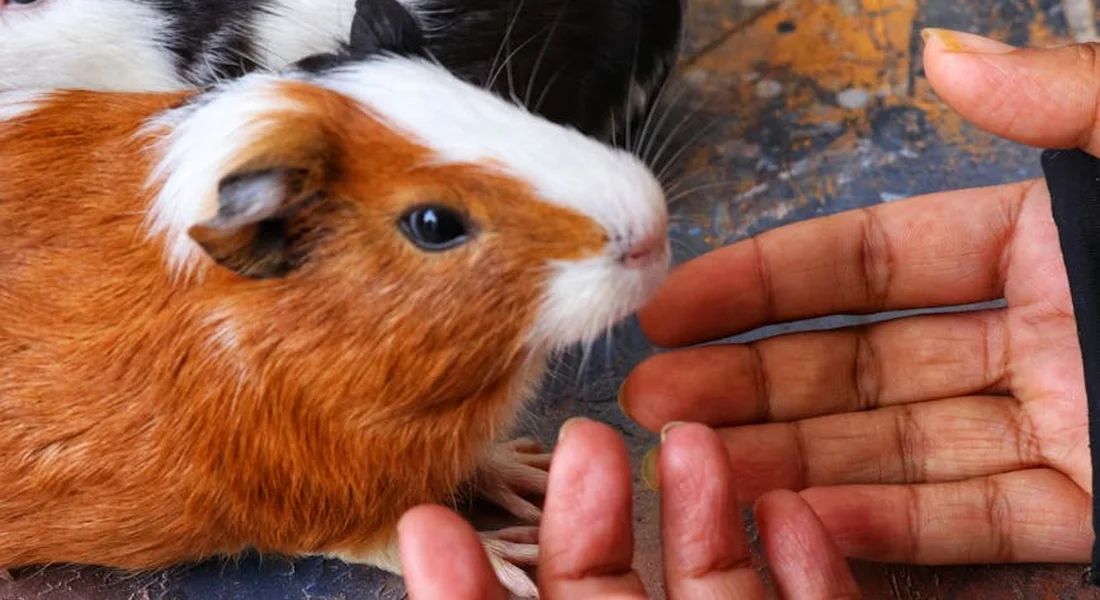
When one of my guinea pigs, like gentle Pepper, faced loss, I focused on making their space feel safe and predictable. Sticking to their daily routine can anchor them during this emotional time. Follow these steps to reduce stress effectively.
- Keep feeding times and cage cleaning consistent, as sudden changes can heighten anxiety.
- Add a soft item with a familiar scent, like a small fleece blanket that held the scent of their companion.
- Place the cage in a quiet corner away from loud noises to prevent startling them.
- Use extra bedding or a cozy hideout to encourage nesting and comfort behaviors.
>
Enrichment and interaction strategies
Engaging a grieving guinea pig gently can lift their spirits over time. I’ve found that short, positive interactions help rebuild their trust and curiosity. You’ll know your guinea pig is happy when they show relaxed body language and willingly explore their surroundings. Keep an eye out for soft vocalizations, grooming, and engagement as clues to their mood. Try these enrichment ideas to support their emotional recovery.
- Offer gentle petting sessions, focusing on their favorite spots like behind the ears.
- Introduce new, safe toys like willow balls or cardboard tubes to spark interest.
- Spend time talking in a soft, reassuring voice to provide companionship.
- Hide small treats in their enclosure to encourage foraging and mental stimulation.
When to Seek Veterinary Advice for Grief-Related Issues
Distinguishing grief from illness
It’s vital to recognize when grief might mask a health problem. Prolonged changes in behavior often signal it’s time for a vet check-up. Watch for these red flags that differentiate normal mourning from potential illness.
- Appetite loss lasting more than 24 hours, unlike brief disinterest common in grief.
- Lethargy that doesn’t improve with comfort, such as refusing to move or explore.
- Unusual vocalizations, like constant whimpering, which could indicate pain.
- Weight loss or dehydration, visible through sunken eyes or loose skin.
Long-term effects and monitoring
Tracking your guinea pig’s behavior helps catch issues early. Regular monitoring ensures you notice subtle shifts that might need intervention. By learning how to tell if your guinea pig is stressed or anxious, you can respond quickly and adjust their environment. Use these observation tips to stay proactive about their well-being.
- Note daily eating and drinking habits in a simple journal to spot trends.
- Weigh them weekly to detect gradual weight changes that aren’t obvious.
- Observe social interactions, like whether they start responding to you or toys again.
Introducing a New Companion After Loss
Preparing for a new cagemate
Guidance: Describe steps to clean the habitat and assess readiness. Use a numbered list for the preparation process.
Before you even think about bringing a new friend home, you need to get the cage ready for a fresh start. This deep clean helps remove lingering scents that might confuse or stress your remaining guinea pig. I learned this the hard way when I introduced Clover too quickly after her sister passed; the familiar smells made her more withdrawn. Even when you ensure air quality, it’s the scent in the cage that matters most.
- Move your current guinea pig to a secure, temporary playpen with their favorite hidey and some veggies.
- Completely empty the habitat, washing all plastic, ceramic, and wooden items with a vinegar and water solution to neutralize odors.
- Discard and replace all old bedding, then rearrange the cage layout with tunnels and hides in new positions to create a novel environment.
- Spend a few days observing your guinea pig’s appetite and activity levels in the refreshed space to confirm they are stable before proceeding.
Gradual introduction techniques
Guidance: Explain slow, safe methods to introduce a new guinea pig, emphasizing patience. Include a step-by-step guide with 2-3 steps.
Rushing an introduction can lead to fights or prolonged stress for both animals. Patience is your most valuable tool here, turning a potentially tense situation into a peaceful bonding experience. I always use a neutral territory method, which has never failed me with my trio.
- Set up a large, neutral play area neither guinea pig has explored before, stocked with piles of hay and multiple hideouts so they can’t guard resources.
- Place both guinea pigs in the space and supervise them closely for at least an hour, watching for positive signs like gentle sniffing or rumbling, while being ready to separate any chasing or teeth chattering.
- After several successful neutral sessions, you can move them into the freshly cleaned and rearranged main habitat, but be prepared to separate them overnight if any tension arises, trying again the next day.
Coping with Long-Term Effects of Loss
Supporting ongoing emotional health
Guidance: Offer advice on maintaining enrichment and routine to prevent depression. List long-term care strategies in a bulleted format.
Grief doesn’t have a set timeline, and your guinea pig’s world has fundamentally changed. Consistency in their daily life provides a comforting anchor, helping them rebuild their confidence slowly. I kept a close eye on Biscuit for months after he lost his cage mate, focusing on small joys. After a loss, guinea pigs grieve in quiet ways, and gentle routines help them cope. If you’re considering a new companion, introduce slowly and only when they seem ready.
- Stick to a strict feeding and playtime schedule to create predictable, safe rhythms each day.
- Rotate new, engaging toys weekly-like paper bags stuffed with hay or untreated willow balls-to stimulate their curiosity and prevent boredom.
- Increase one-on-one lap time with gentle talking and hand-fed treats to reinforce your bond and offer direct comfort.
- Monitor their weight weekly, as a sustained drop can be a silent sign of depression needing a vet’s attention.
Personal insights on grief recovery
Guidance: Share anecdotes from caring for grieving guinea pigs, highlighting what worked well. Keep it reassuring and based on lived experience.
When Pepper’s longtime friend passed, she stopped popcorning for nearly a month, and my heart ached for her. I found that sitting quietly beside her cage each evening, simply reading aloud, seemed to soothe her more than any forced interaction. Her ears would twitch, and she’d eventually creep out for cilantro.
It took time, but she began to rediscover her playful spirit. Healing isn’t linear; it’s a series of small, brave steps forward, and your quiet presence is the safest space for that journey. You are their greatest comfort.
FAQs
How long does guinea pig grief typically last?
Grief duration varies among guinea pigs, often lasting from a few days to several weeks depending on their bond and personality. Consistent care and a stable environment can help shorten this period and support their emotional recovery. For families and owners, a guinea pig grief guide can offer gentle steps to cope and honor your pet’s memory. It can help children and adults process the loss together with compassion and routine.
Can guinea pigs die from grief?
Grief alone is not usually fatal, but it can cause severe stress that leads to health issues like refusal to eat or drink. Always monitor for physical symptoms and consult a vet if you suspect any underlying illness.
What are the best ways to distract a grieving guinea pig?
Offer interactive toys and gentle activities to redirect their focus and reduce sadness. Spending extra time with them through calm interactions and providing favorite treats can encourage positive behavior.
Supporting Your Guinea Pig Through Grief
Watch for signs like changes in eating or activity and offer extra comfort through gentle interactions and consistent care. Based on my time with Pepper and Clover, I found that sticking to familiar routines can ease their stress and help them heal.
Always prioritize your guinea pig’s well-being by staying curious about their needs and choosing sustainable options like recyclable habitats. Proper guinea pig care also means providing fresh hay, clean water, and a spacious, safe living space. Regular enrichment and routine vet checks help them thrive. Embracing eco-friendly habits not only benefits your pets but also protects our shared environment for the future.
Further Reading & Sources
- shropshireguineapiggery – Bereavement
- Looking After A Bereaved Guinea Pig | The Guinea Pig Forum
- r/guineapigs on Reddit: I Observed One of my Guinea Pigs Mourning and Grieving; Babies
- Grieving the Loss of Your Pet
Kate is a passionate guinea pig owner and advocate for small pet welfare. With over a decade of experience caring for guinea pigs, she has become a trusted voice in the small pet community.
Uncategorized